
JLPT N4: Kahulugan ng mga salita - Unsolved

Alamin ang kahulugan ng 631 salita sa JLPT N4 sa Filipino sa pamamagitan ng mga tanong na may apat na pagpipilian.
-
makahanap
-
magbago
-
pumunta / dumating
- サ変動詞「する」に名詞「食事」が結合した複合動詞。
-
pinuno ng seksiyon
-
awditoryum
-
digmaan
-
anak na babae
-
pulong
-
likod ng katawan
-
bagay na naiwan
-
uri / estilo
-
opinyon
-
ganoon karami
-
una sa lahat
-
hinding-hindi
-
isteryo
-
paligsahan
-
kakaiba
-
maghapon
-
pakiramdam / lagay ng loob
-
bigas
-
tuntunin
-
kapalit
-
diksiyonaryo
-
makita / manood
-
bumaba sa sasakyan / bumaba
-
ibaba / isabit
- 「挨拶」+「する」から成る複合サ変動詞。
- 未然形「挨拶さ」は主に受身・使役(挨拶される、挨拶させる)で用いる。
-
isabit / tumawag sa telepono
-
pumunta / dumating
-
magligpit
食事する
kumain
食事する
kumain
Explanation
食事する
kumain
食事する
kumain / magsalo ng pagkain

Word Forms
The basic and commonly used forms of this verb.
Basic forms
| Form | Word form | Usage |
|---|---|---|
| Imperfective form (mizenkei) |
Alternative:
食事せ
食事さ
|
Connects to endings such as nai, reru, and seru. |
| Continuative form (renyokei) | Connects to endings such as masu, tai, and ta. | |
| Conclusive form (shushikei) | Ends a sentence and serves as the dictionary form. | |
| Attributive form (rentaikei) | Modifies a noun. | |
| Conditional form (kateikei) | Combines with ba to express a condition. | |
| Imperative form (meireikei) |
Alternative:
食事せよ
|
Expresses a command or instruction. |
Common forms
| Form | Word form | Usage |
|---|---|---|
| Te-form | Connects clauses with te. | |
| Ta-form | Expresses the past with ta. | |
| Nai-form |
Alternative:
食事せぬ
|
Expresses negation with nai. |
| Masu-form | Used for polite speech. | |
| Ba-form | Expresses a condition with ba. | |
| Volitional form | Expresses intention or invitation. |
Notes
医学
medisina
医学
medisina
Explanation
医学
medisina
医学
medisina (larangan ng pag-aaral) / agham pangmedikal / pag-aaral tungkol sa kalusugan at paggamot

( Base form )
( romanization )
( kyūjitai )
( hiragana )
心
puso / isip
心
puso / isip
Explanation
心
puso / isip
心
puso / damdamin / kalooban

( romanization )
( hiragana )
ジャム
palaman na prutas
ジャム
palaman na prutas
Explanation
palaman na prutas
ジャム
palamang prutas na niluto sa asukal / matamis na halo ng prutas na pinakuluan sa asukal

( romanization )
なるべく
hangga't kaya
なるべく
hangga't kaya
Explanation
hangga't kaya
なるべく
hangga't maaari / kung maaari / sa abot ng makakaya

( romanization )
危険
panganib
危険
panganib
Explanation
危険
panganib
危険
panganib / peligro / kapahamakan

( Base form )
( romanization )
( kyūjitai )
( hiragana )
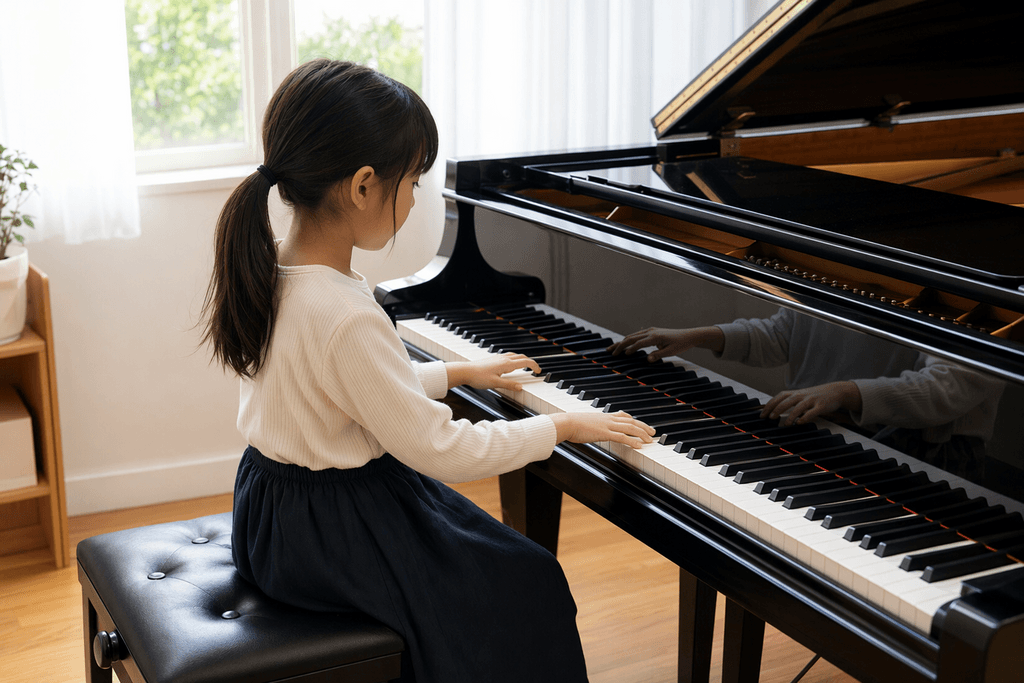
ピアノ
piyano
ピアノ
piyano
Explanation
piyano
ピアノ
piyano / instrumentong pangmusika na may mga tecla na pinipindot
( romanization )
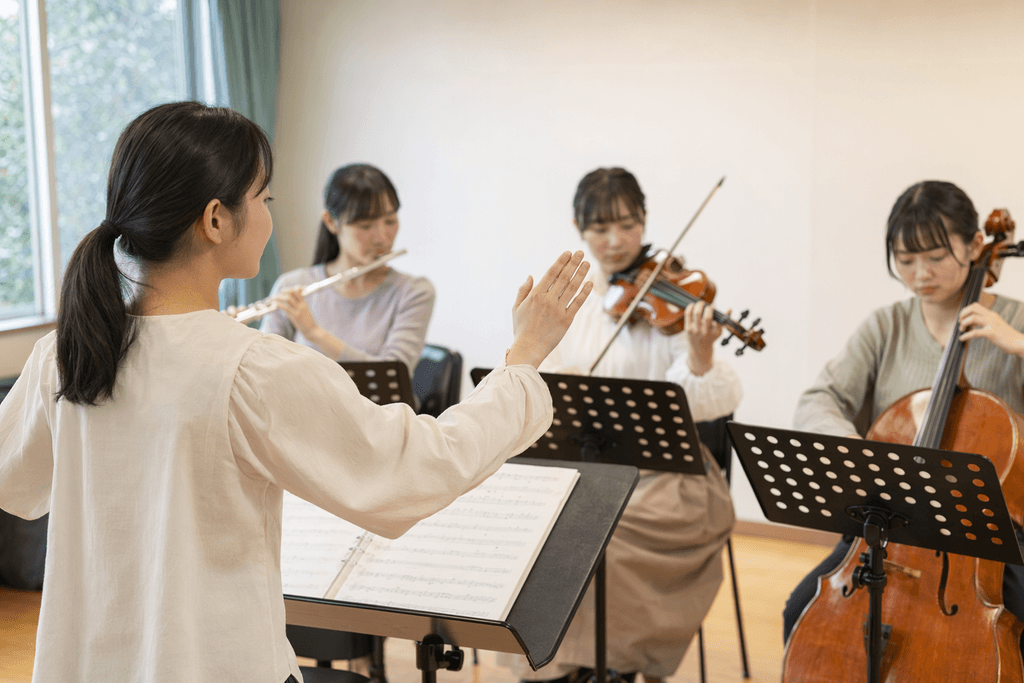
パート
gawaing part-time
パート
gawaing part-time
Explanation
gawaing part-time
パート
bahagi / papel sa pagtatanghal / trabahong part-time
( romanization )
挨拶する
bumati
挨拶する
bumati
Explanation
挨拶する
bumati
挨拶する
bumati / batiin / mangumusta

Word Forms
The basic and commonly used forms of this verb.
Basic forms
| Form | Word form | Usage |
|---|---|---|
| Imperfective form (mizenkei) |
Alternative:
挨拶せ
挨拶さ
|
Connects to endings such as nai, reru, and seru. |
| Continuative form (renyokei) | Connects to endings such as masu, tai, and ta. | |
| Conclusive form (shushikei) | Ends a sentence and serves as the dictionary form. | |
| Attributive form (rentaikei) | Modifies a noun. | |
| Conditional form (kateikei) | Combines with ba to express a condition. | |
| Imperative form (meireikei) |
Alternative:
挨拶せよ
|
Expresses a command or instruction. |
Common forms
| Form | Word form | Usage |
|---|---|---|
| Te-form | Connects clauses with te. | |
| Ta-form | Expresses the past with ta. | |
| Nai-form |
Alternative:
挨拶せぬ
挨拶せん
|
Expresses negation with nai. |
| Masu-form | Used for polite speech. | |
| Ba-form | Expresses a condition with ba. | |
| Volitional form | Expresses intention or invitation. |
Notes
輸入する
mag-angkat
輸入する
mag-angkat
Explanation
輸入する
mag-angkat
輸入する
mag-angkat (ng kalakal mula sa ibang bansa) / magpasok ng mga produkto mula sa ibang bansa / umangkat

Word Forms
The basic and commonly used forms of this verb.
Basic forms
| Form | Word form | Usage |
|---|---|---|
| Imperfective form (mizenkei) |
Alternative:
輸入せ
輸入さ
|
Connects to endings such as nai, reru, and seru. |
| Continuative form (renyokei) | Connects to endings such as masu, tai, and ta. | |
| Conclusive form (shushikei) | Ends a sentence and serves as the dictionary form. | |
| Attributive form (rentaikei) | Modifies a noun. | |
| Conditional form (kateikei) | Combines with ba to express a condition. | |
| Imperative form (meireikei) |
Alternative:
輸入せよ
|
Expresses a command or instruction. |
Common forms
Loading...

JLPT N4 多言語単語帳・631語 / JLPT N4 Multilingual Vocabulary: 631 Words

Jonathan Waller 氏の JLPT Resources の語彙リスト・レベル分類を出典とし、CC BY の条件に従って DiQt が初級向けに意味を作り直した631語の単語帳です。JLPT公式の語彙リストではありません。
This collection of 631 words is based on the vocabulary list and level classifications in Jonathan Waller’s JLPT Resources under CC BY, with meanings rewritten by DiQt for beginners. It is not an official JLPT vocabulary list.
Key Operations
Select the first quiz:
Ctrl + Enter
View Explanation:Ctrl + G
Close a feedback:Esc
When selecting a quiz
Answer:Enter
Select a choice:↓ or ↑
Reading out the question:Ctrl + K
View Hint: Ctrl + M
I don't know: Ctrl + Y



