
JLPT N1 词义四选一 - Unsolved

通过四选一题目,用简体中文学习JLPT N1的3032个单词含义。
-
顺利
-
疏忽
-
精巧的
-
体积大
-
受潮
-
围绕
- 「研ぐ」はガ行五段活用。連用形に「て」「た」が続く場合はイ音便となり、「研いで」「研いだ」となる。
-
沉淀
-
尽头
-
战斗力
-
悲惨
-
应对 / 对应
-
牙科
-
致力于
-
贬低
-
率领
- 「重んずる」はサ変系の「〜ずる」動詞で、「重んじる」と同義。現代語では連用形由来の「重んじて」「重んじた」「重んじない」が一般的。
-
受理
-
敬献
-
害怕
-
磁性
-
日文
-
轨道 / 铁轨
-
迅捷的
-
顽强的
-
令人讨厌 / 猥亵
-
国防
-
另一方向
-
客观性
-
商业广告
-
情绪 / 情趣
-
柱子
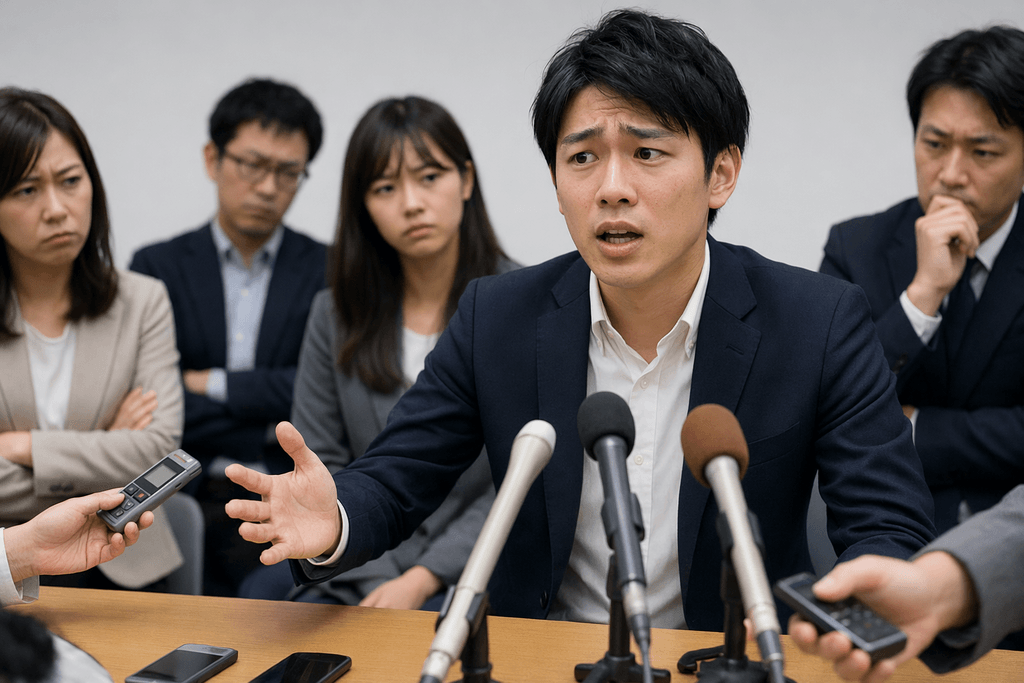
軽率
轻率
軽率
轻率
Explanation
軽率
轻率
軽率
轻率的 / 草率的 / 不谨慎的
Word Forms
The basic and commonly used forms of this adjectival noun.
Basic forms
| Form | Word form | Usage |
|---|---|---|
| Imperfective form (mizenkei) | Used in forms such as darou. | |
| Continuative form (renyokei) |
Alternative:
軽率に
軽率だっ
|
Used with de or ni. |
| Conclusive form (shushikei) | Ends a sentence with da. | |
| Attributive form (rentaikei) |
Alternative:
軽率なる
|
Modifies a noun with na. |
| Conditional form (kateikei) |
Alternative:
軽率であれば
|
Expresses a condition with nara. |
| Imperative form (meireikei) | Used in formal expressions such as de are. |
Common forms
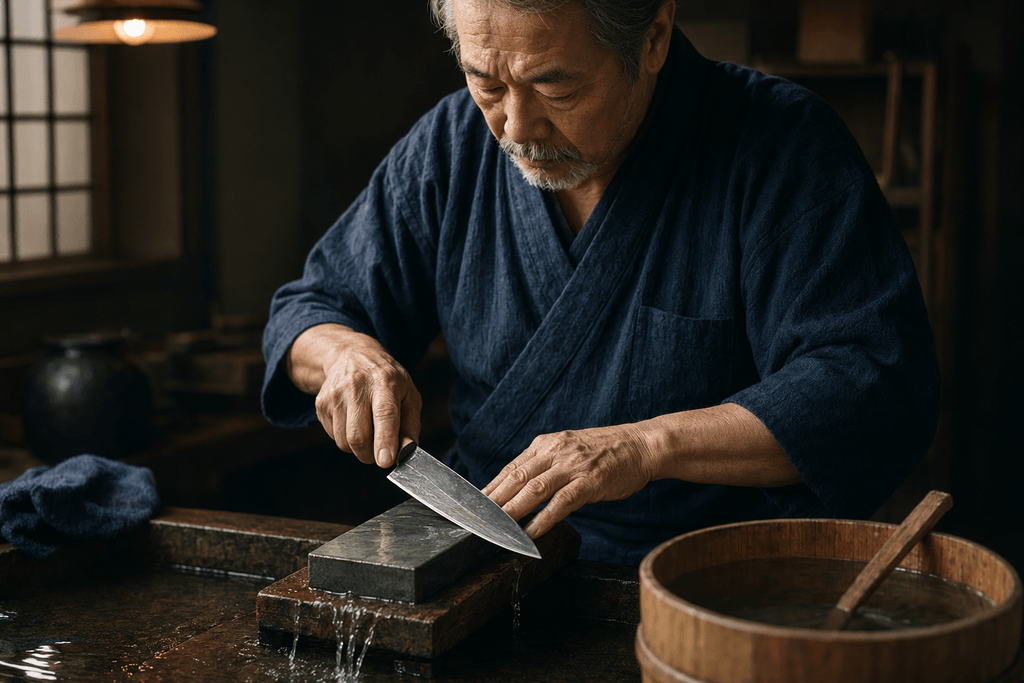
研ぐ
磨利 / 淘米
研ぐ
磨利 / 淘米
Explanation
研ぐ
磨利 / 淘米
研ぐ
磨利(刀具、斧头等) / 淘米 / 抛光或擦洗表面
Word Forms
The basic and commonly used forms of this verb.
Basic forms
| Form | Word form | Usage |
|---|---|---|
| Imperfective form (mizenkei) |
Alternative:
研ご
|
Connects to endings such as nai, reru, and seru. |
| Continuative form (renyokei) | Connects to endings such as masu, tai, and ta. | |
| Conclusive form (shushikei) | Ends a sentence and serves as the dictionary form. | |
| Attributive form (rentaikei) | Modifies a noun. | |
| Conditional form (kateikei) | Combines with ba to express a condition. | |
| Imperative form (meireikei) | Expresses a command or instruction. |
Common forms
| Form | Word form | Usage |
|---|---|---|
| Te-form | Connects clauses with te. | |
| Ta-form | Expresses the past with ta. | |
| Nai-form | Expresses negation with nai. | |
| Masu-form | Used for polite speech. | |
| Ba-form | Expresses a condition with ba. | |
| Volitional form | Expresses intention or invitation. |
Notes
腹立ち
恼怒
腹立ち
恼怒
Explanation
腹立ち
恼怒
腹立ち
愤怒 / 怒气 / 恼怒

( Base form )
( romanization )
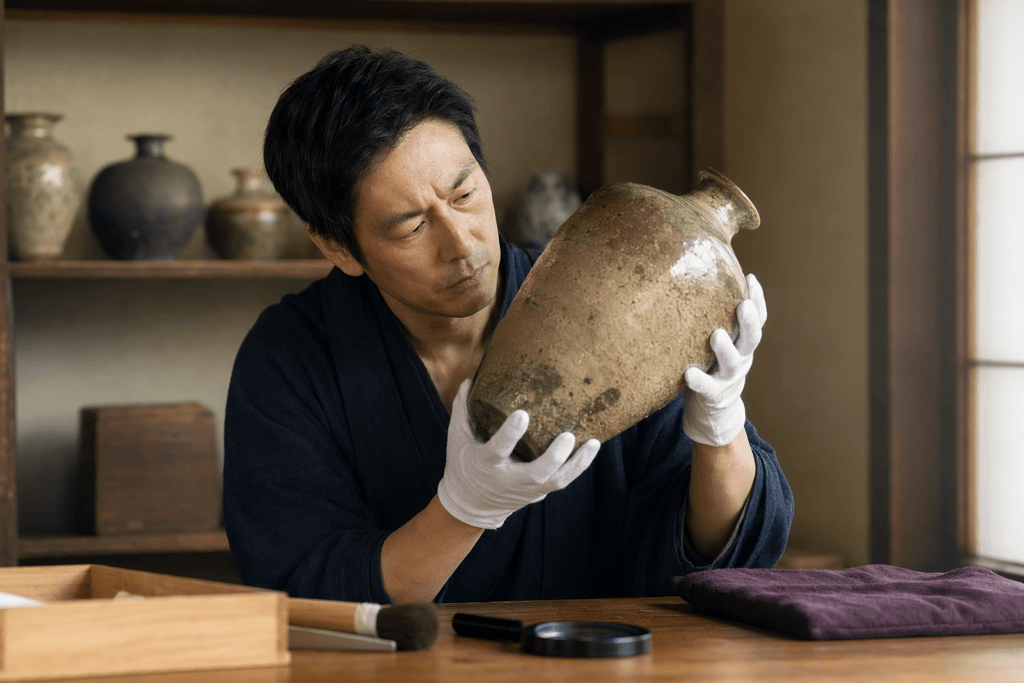
壺
罐子
壺
罐子
Explanation
壺
罐子
壺
壶;罐 / 穴位;要害
重んずる
重视
重んずる
重视
Explanation
重んずる
重视
重んずる
尊重 / 重视 / 珍视

Word Forms
The basic and commonly used forms of this verb.
Basic forms
| Form | Word form | Usage |
|---|---|---|
| Imperfective form (mizenkei) |
Alternative:
重んぜ
|
Connects to endings such as nai, reru, and seru. |
| Continuative form (renyokei) | Connects to endings such as masu, tai, and ta. | |
| Conclusive form (shushikei) | Ends a sentence and serves as the dictionary form. | |
| Attributive form (rentaikei) | Modifies a noun. | |
| Conditional form (kateikei) | Combines with ba to express a condition. | |
| Imperative form (meireikei) |
Alternative:
重んぜよ
重んじよ
|
Expresses a command or instruction. |
Common forms
| Form | Word form | Usage |
|---|---|---|
| Te-form | Connects clauses with te. | |
| Ta-form | Expresses the past with ta. | |
| Nai-form |
Alternative:
重んぜない
|
Expresses negation with nai. |
| Masu-form | Used for polite speech. | |
| Ba-form |
Alternative:
重んじれば
|
Expresses a condition with ba. |
| Volitional form | Expresses intention or invitation. |
Notes
顧みる
回顾 / 顾及
顧みる
回顾 / 顾及
Explanation
顧みる
回顾 / 顾及
顧みる
回顾;反省 / 顾及;考虑;关心

Word Forms
The basic and commonly used forms of this verb.
Basic forms
| Form | Word form | Usage |
|---|---|---|
| Imperfective form (mizenkei) | Connects to endings such as nai, reru, and seru. | |
| Continuative form (renyokei) | Connects to endings such as masu, tai, and ta. | |
| Conclusive form (shushikei) | Ends a sentence and serves as the dictionary form. | |
| Attributive form (rentaikei) | Modifies a noun. | |
| Conditional form (kateikei) | Combines with ba to express a condition. | |
| Imperative form (meireikei) |
Alternative:
顧みよ
|
Expresses a command or instruction. |
Common forms
お世辞
奉承
お世辞
奉承
Explanation
お世辞
奉承
お世辞
奉承话 / 恭维 / 客套话

( Base form )
( romanization )
( hiragana )
なまぬるい
微温的 / 不彻底的
なまぬるい
微温的 / 不彻底的
Explanation
微温的 / 不彻底的
なまぬるい
不冷不热的 / 微温的 / 温吞的

Word Forms
The basic and commonly used forms of this adjective.
Basic forms
| Form | Word form | Usage |
|---|---|---|
| Imperfective form (mizenkei) |
Alternative:
生温かろ
|
Used in forms such as karou; mainly literary. |
| Continuative form (renyokei) |
Alternative:
生温く
なまぬるかっ
生温かっ
|
Used in forms such as kute and kunai. |
| Conclusive form (shushikei) |
Alternative:
生温い
|
Ends a sentence. |
| Attributive form (rentaikei) |
Alternative:
生温い
|
Modifies a noun. |
| Conditional form (kateikei) |
Alternative:
生温けれ
|
Expresses a condition with kereba. |
| Imperative form (meireikei) |
Alternative:
生温かれ
|
Rarely used in modern Japanese. |
Common forms
雄
雄性动物
雄
雄性动物
Explanation
雄
雄性动物
雄
雄性 / 雄性个体 / 雄的

( romanization )
( romanization )
( hiragana historical )
( hiragana )
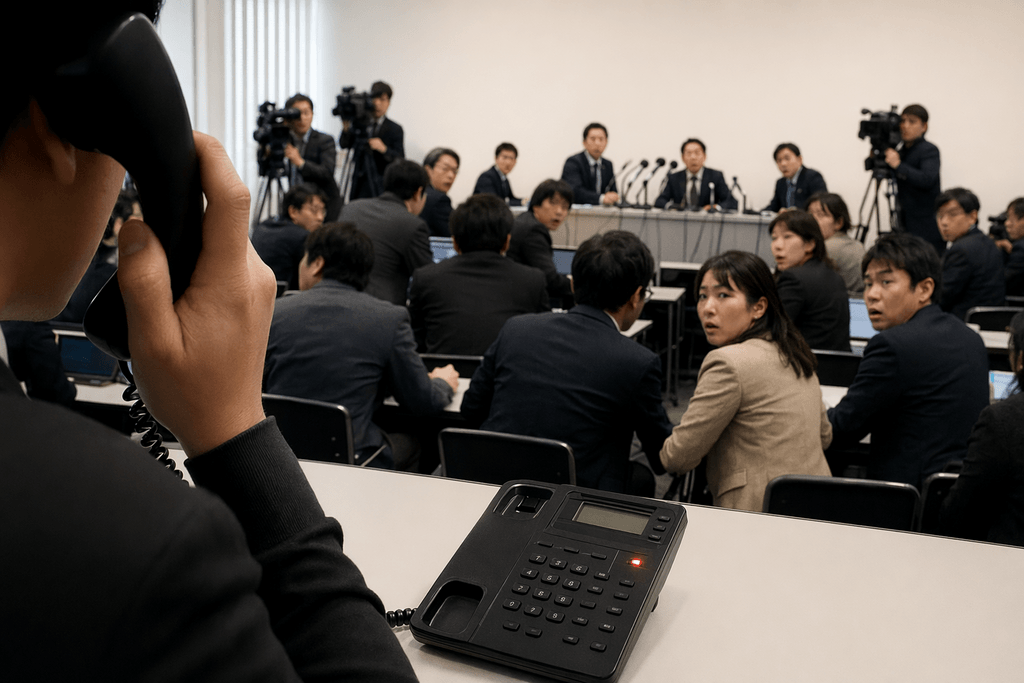
爆弾
炸弹
爆弾
炸弹
Explanation
爆弾
炸弹
爆弾
炸弹;爆炸物 / (渔业行话)含泥无肉的双壳贝壳
( Base form )
( romanization )
( kyūjitai )
( hiragana )
Loading...

JLPT N1 多言語単語帳・3032語 / JLPT N1 Multilingual Vocabulary: 3032 Words

Jonathan Waller 氏の JLPT Resources の語彙リスト・レベル分類を出典とし、CC BY の条件に従って DiQt が学習者向けに意味を作り直した3032語の単語帳です。JLPT公式の語彙リストではありません。
This collection of 3032 words is based on the vocabulary list and level classifications in Jonathan Waller’s JLPT Resources under CC BY, with meanings rewritten by DiQt for learners. It is not an official JLPT vocabulary list.
Key Operations
Select the first quiz:
Ctrl + Enter
View Explanation:Ctrl + G
Close a feedback:Esc
When selecting a quiz
Answer:Enter
Select a choice:↓ or ↑
Reading out the question:Ctrl + K
View Hint: Ctrl + M
I don't know: Ctrl + Y



