
JLPT N1 词义四选一 - Unsolved

通过四选一题目,用简体中文学习JLPT N1的3032个单词含义。
-
泄露 / 遗漏
-
报道
-
涌来
- 「躾ける」「仕付ける」ともに下一段活用。
-
品质
-
掌握
-
消息
-
削减
-
保护
-
审议
-
借用
-
相亲
-
现行的
-
余兴节目
-
一时忘记
-
振兴
-
口信
-
原材料 / 题材
-
私人物品
-
凝聚性 / 达成一致
-
紧窄 / 拘束
-
英文字母
-
构筑
-
决定 / 制定
-
控制 / 制胜
-
一伙人
-
结核病
-
水分
-
原作
-
军舰
-
健全性
しつける
管教 / 疏缝
しつける
管教 / 疏缝
Explanation
管教 / 疏缝
しつける
管教;训导(教礼仪、规矩) / 暂缝;打粗缝

Word Forms
The basic and commonly used forms of this verb.
Basic forms
| Form | Word form | Usage |
|---|---|---|
| Imperfective form (mizenkei) | Connects to endings such as nai, reru, and seru. | |
| Continuative form (renyokei) | Connects to endings such as masu, tai, and ta. | |
| Conclusive form (shushikei) | Ends a sentence and serves as the dictionary form. | |
| Attributive form (rentaikei) | Modifies a noun. | |
| Conditional form (kateikei) | Combines with ba to express a condition. | |
| Imperative form (meireikei) |
Alternative:
しつけよ
|
Expresses a command or instruction. |
Common forms
| Form | Word form | Usage |
|---|---|---|
| Te-form | Connects clauses with te. | |
| Ta-form | Expresses the past with ta. | |
| Nai-form | Expresses negation with nai. | |
| Masu-form | Used for polite speech. | |
| Ba-form | Expresses a condition with ba. | |
| Volitional form | Expresses intention or invitation. |
Notes
カクテル
鸡尾酒
カクテル
鸡尾酒
Explanation
鸡尾酒
カクテル
鸡尾酒 / 调制的混合酒 / 酒精混合饮品

( romanization )
蛋白質
蛋白质
蛋白質
蛋白质
Explanation
蛋白質
蛋白质
蛋白質
由氨基酸组成的有机大分子 / 构成细胞与组织的主要成分 / 食物中的重要营养素

( Base form )
( romanization )
( hiragana )
浴室
浴室
浴室
浴室
Explanation
浴室
浴室
浴室
洗澡的房间;洗浴间 / 配有浴缸或淋浴的室内空间 / 家庭或公共设施中的洗浴房

( Base form )
( romanization )
( hiragana )
打撃
打击 / 击球
打撃
打击 / 击球
Explanation
打撃
打击 / 击球
打撃
重击;打击 / (棒球)打击(击球) / 损害;精神打击

( Base form )
( romanization )
( hiragana )
該当
符合
該当
符合
Explanation
該当
符合
該当
符合(条件、标准) / 适用;归入(某范围) / 对应于

( Base form )
( romanization )
( romanization )
( hiragana historical )
( hiragana )
復活
复活
復活
复活
Explanation
復活
复活
復活
死而复生 / 复兴 / 东山再起

( Base form )
( romanization )
( romanization )
( hiragana historical )
( hiragana )
謙る
谦逊
謙る
谦逊
Explanation
謙る
谦逊
謙る
自谦 / 谦逊自贬 / 以自贬来赞美对方

Word Forms
The basic and commonly used forms of this verb.
Basic forms
| Form | Word form | Usage |
|---|---|---|
| Imperfective form (mizenkei) |
Alternative:
謙ろ
|
Connects to endings such as nai, reru, and seru. |
| Continuative form (renyokei) |
Alternative:
謙っ
|
Connects to endings such as masu, tai, and ta. |
| Conclusive form (shushikei) | Ends a sentence and serves as the dictionary form. | |
| Attributive form (rentaikei) | Modifies a noun. | |
| Conditional form (kateikei) | Combines with ba to express a condition. | |
| Imperative form (meireikei) | Expresses a command or instruction. |
Common forms
伝達
传达
伝達
传达
Explanation
伝達
传达
伝達
传达 / 通知 / 传输

( Base form )
( romanization )
( kyūjitai )
( hiragana )
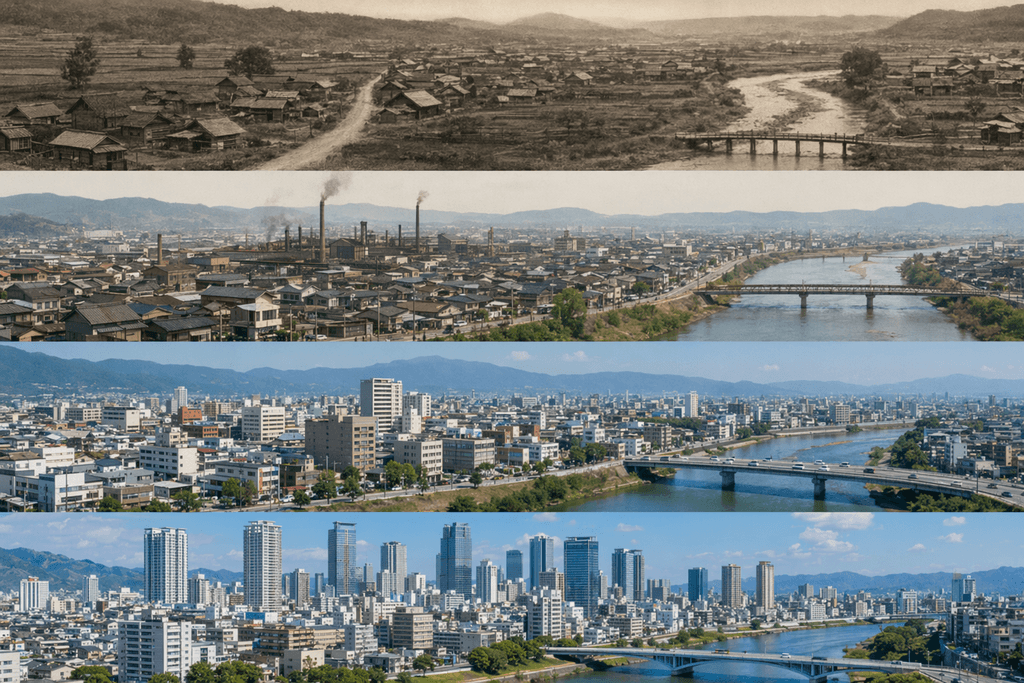
変遷
变迁
変遷
变迁
Explanation
変遷
变迁
変遷
变迁 / 演变 / 兴衰更替
( Base form )
( romanization )
( kyūjitai )
( hiragana )
Loading...

JLPT N1 多言語単語帳・3032語 / JLPT N1 Multilingual Vocabulary: 3032 Words

Jonathan Waller 氏の JLPT Resources の語彙リスト・レベル分類を出典とし、CC BY の条件に従って DiQt が学習者向けに意味を作り直した3032語の単語帳です。JLPT公式の語彙リストではありません。
This collection of 3032 words is based on the vocabulary list and level classifications in Jonathan Waller’s JLPT Resources under CC BY, with meanings rewritten by DiQt for learners. It is not an official JLPT vocabulary list.
Key Operations
Select the first quiz:
Ctrl + Enter
View Explanation:Ctrl + G
Close a feedback:Esc
When selecting a quiz
Answer:Enter
Select a choice:↓ or ↑
Reading out the question:Ctrl + K
View Hint: Ctrl + M
I don't know: Ctrl + Y



