
JLPT N1 词义四选一 - Unsolved

通过四选一题目,用简体中文学习JLPT N1的3032个单词含义。
-
传阅
-
变迁
-
费事
-
很大的
-
冷淡的
-
心中不安的 / 孤单的
-
容易的
-
有趣 / 逗乐
-
很大的
- 「素っ気ない」は語末が「ない」だが、全体でイ形容詞として活用する。
-
家臣
-
风土
-
黄昏
-
西晒的阳光
-
交替
-
灯 / 坡道
-
标语
-
到校
-
比率
-
降低 / 撤回
-
破坏 / 洗劫
-
招募 / 加剧
-
达成
-
装模作样
-
错觉 / 误认
-
透露 / 彻夜不眠
-
撒开 / 大把分发
-
剥落 / 褪色
-
衣着
-
随行者
-
树干
悪化
恶化
悪化
恶化
Explanation
悪化
恶化
悪化
恶化 / 变质 / 退化
( Base form )
( romanization )
( romanization )
( hiragana historical )
( hiragana )
容易い
轻而易举的
容易い
轻而易举的
Explanation
容易い
轻而易举的
容易い
容易的 / 简单的 / 不费力的

Word Forms
The basic and commonly used forms of this adjective.
Basic forms
| Form | Word form | Usage |
|---|---|---|
| Imperfective form (mizenkei) | Used in forms such as karou; mainly literary. | |
| Continuative form (renyokei) |
Alternative:
容易かっ
|
Used in forms such as kute and kunai. |
| Conclusive form (shushikei) | Ends a sentence. | |
| Attributive form (rentaikei) | Modifies a noun. | |
| Conditional form (kateikei) | Expresses a condition with kereba. | |
| Imperative form (meireikei) | Rarely used in modern Japanese. |
Common forms
素っ気ない
冷淡的
素っ気ない
冷淡的
Explanation
素っ気ない
冷淡的
素っ気ない
冷淡的 / 简短生硬的 / 不友好的

Word Forms
The basic and commonly used forms of this adjective.
Basic forms
| Form | Word form | Usage |
|---|---|---|
| Imperfective form (mizenkei) | Used in forms such as karou; mainly literary. | |
| Continuative form (renyokei) |
Alternative:
素っ気なかっ
|
Used in forms such as kute and kunai. |
| Conclusive form (shushikei) | Ends a sentence. | |
| Attributive form (rentaikei) | Modifies a noun. | |
| Conditional form (kateikei) | Expresses a condition with kereba. | |
| Imperative form (meireikei) | Rarely used in modern Japanese. |
Common forms
| Form | Word form | Usage |
|---|---|---|
| Te-form | Connects clauses with kute. | |
| Ta-form | Expresses the past with katta. | |
| Nai-form | Expresses negation with kunai. | |
| Ba-form | Expresses a condition with kereba. |
Notes
監視
监视
監視
监视
Explanation
監視
监视
監視
对人或事物进行持续的观察与看守 / 通过设备或系统进行安全监控 / 跟踪并记录活动情况

( Base form )
( romanization )
( hiragana )
実態
实际状况
実態
实际状况
Explanation
実態
实际状况
実態
实际情况 / 真实状况 / 实情

( Base form )
( romanization )
( kyūjitai )
( hiragana )
教科
学科
教科
学科
Explanation
教科
学科
教科
学科 / 科目 / 课程设置

( Base form )
( romanization )
( romanization )
( hiragana historical )
( hiragana )
帯びる
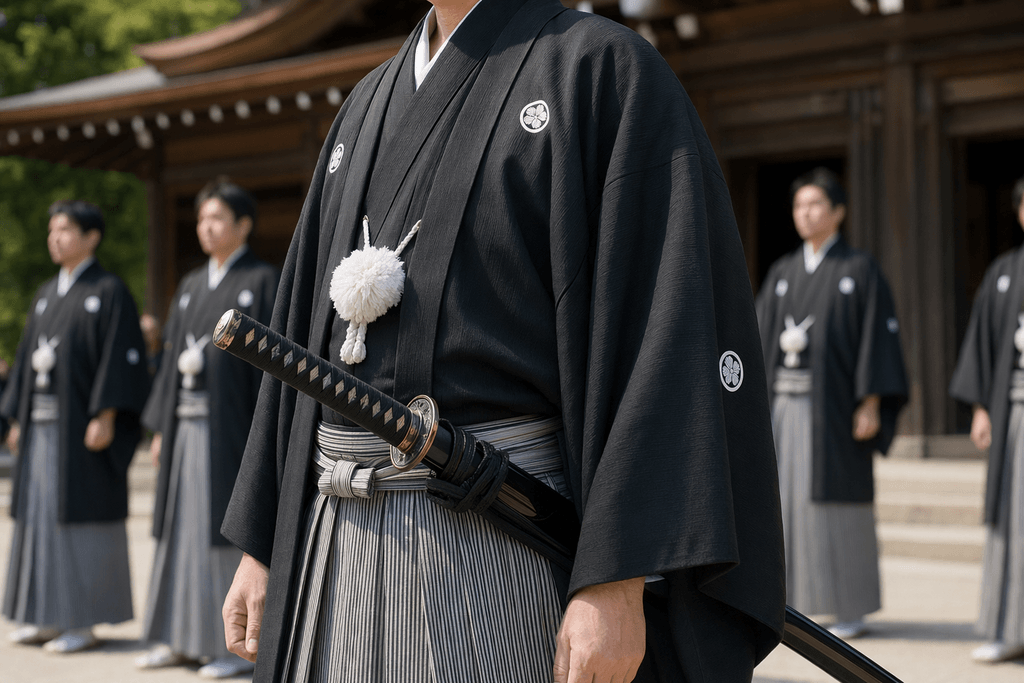
佩带 / 带有
帯びる
佩带 / 带有
Explanation
帯びる
佩带 / 带有
帯びる
佩带、携带(刀、装饰等) / 受托承担(使命) / 带有、略带(某种性质或色彩)
Word Forms
The basic and commonly used forms of this verb.
Basic forms
| Form | Word form | Usage |
|---|---|---|
| Imperfective form (mizenkei) | Connects to endings such as nai, reru, and seru. | |
| Continuative form (renyokei) | Connects to endings such as masu, tai, and ta. | |
| Conclusive form (shushikei) | Ends a sentence and serves as the dictionary form. | |
| Attributive form (rentaikei) | Modifies a noun. | |
| Conditional form (kateikei) | Combines with ba to express a condition. | |
| Imperative form (meireikei) |
Alternative:
帯びよ
|
Expresses a command or instruction. |
Common forms
効率
效率
効率
效率
Explanation
効率
效率
効率
办事或生产完成任务的快慢与效果程度 / 资源、能量等的利用有效程度 / 产出相对于投入的比率

( Base form )
( romanization )
( romanization )
( kyūjitai )
( hiragana historical )
( hiragana )
取り戻す
夺回
取り戻す
夺回
Explanation
取り戻す
夺回
取り戻す
取回;拿回 / 重获;夺回 / 恢复原状;恢复到从前状态

Word Forms
The basic and commonly used forms of this verb.
Basic forms
| Form | Word form | Usage |
|---|---|---|
| Imperfective form (mizenkei) |
Alternative:
取り戻そ
|
Connects to endings such as nai, reru, and seru. |
| Continuative form (renyokei) | Connects to endings such as masu, tai, and ta. | |
| Conclusive form (shushikei) | Ends a sentence and serves as the dictionary form. | |
| Attributive form (rentaikei) | Modifies a noun. | |
| Conditional form (kateikei) | Combines with ba to express a condition. | |
| Imperative form (meireikei) | Expresses a command or instruction. |
Common forms
街頭
街头
街頭
街头
Explanation
街頭
街头
街頭
街道上 / 街角 / 邻里街区一带
( Base form )
( romanization )
( hiragana )
Loading...

JLPT N1 多言語単語帳・3032語 / JLPT N1 Multilingual Vocabulary: 3032 Words

Jonathan Waller 氏の JLPT Resources の語彙リスト・レベル分類を出典とし、CC BY の条件に従って DiQt が学習者向けに意味を作り直した3032語の単語帳です。JLPT公式の語彙リストではありません。
This collection of 3032 words is based on the vocabulary list and level classifications in Jonathan Waller’s JLPT Resources under CC BY, with meanings rewritten by DiQt for learners. It is not an official JLPT vocabulary list.
Key Operations
Select the first quiz:
Ctrl + Enter
View Explanation:Ctrl + G
Close a feedback:Esc
When selecting a quiz
Answer:Enter
Select a choice:↓ or ↑
Reading out the question:Ctrl + K
View Hint: Ctrl + M
I don't know: Ctrl + Y



