
JLPT N1 词义四选一 - Unsolved

通过四选一题目,用简体中文学习JLPT N1的3032个单词含义。
-
呼喊 / 尖叫
-
近郊
-
到公司上班
-
拥有
-
写给
-
插队
-
驯服
-
塞进
-
扔进
-
修订
-
更胜一筹
-
司机 / 螺丝刀
-
模糊的
-
真诚的
-
露骨
-
拖欠
-
商贸
-
神经症
-
接触 / 隐形眼镜
-
同伴
-
打赌
-
寡言
-
另一方
-
追究
-
实际情形
-
公然地
-
浮沫 / 涩味
-
灯火通明地
-
断然地
-
极其
領地
领地
領地
领地
Explanation
領地
领地
領地
国家或统治者所管辖的土地 / 领主的封地、采邑 / 某人或组织所占据的区域

( Base form )
( romanization )
( hiragana )
込める
装入 / 倾注
込める
装入 / 倾注
Explanation
込める
装入 / 倾注
込める
放入;纳入;包含 / 装填(武器、弹药) / 倾注心力;全心投入

Word Forms
The basic and commonly used forms of this verb.
Basic forms
| Form | Word form | Usage |
|---|---|---|
| Imperfective form (mizenkei) | Connects to endings such as nai, reru, and seru. | |
| Continuative form (renyokei) | Connects to endings such as masu, tai, and ta. | |
| Conclusive form (shushikei) | Ends a sentence and serves as the dictionary form. | |
| Attributive form (rentaikei) | Modifies a noun. | |
| Conditional form (kateikei) | Combines with ba to express a condition. | |
| Imperative form (meireikei) |
Alternative:
込めよ
|
Expresses a command or instruction. |
Common forms
ぼやける
变模糊
ぼやける
变模糊
Explanation
变模糊
ぼやける
变得模糊 / 变得不清晰 / 变得昏暗

Word Forms
The basic and commonly used forms of this verb.
Basic forms
| Form | Word form | Usage |
|---|---|---|
| Imperfective form (mizenkei) | Connects to endings such as nai, reru, and seru. | |
| Continuative form (renyokei) | Connects to endings such as masu, tai, and ta. | |
| Conclusive form (shushikei) | Ends a sentence and serves as the dictionary form. | |
| Attributive form (rentaikei) | Modifies a noun. | |
| Conditional form (kateikei) | Combines with ba to express a condition. | |
| Imperative form (meireikei) |
Alternative:
ぼやけよ
|
Expresses a command or instruction. |
Common forms
指図
指示
指図
指示
Explanation
指図
指示
指図
指示;命令 / 吩咐;指挥 / 使唤;摆布

( Base form )
( romanization )
( hiragana )
手近
手边的
手近
手边的
Explanation
手近
手边的
手近
手边的;近在手边 / 近处的;附近的 / 容易取得的;现成的

Word Forms
The basic and commonly used forms of this adjectival noun.
Basic forms
| Form | Word form | Usage |
|---|---|---|
| Imperfective form (mizenkei) |
Alternative:
手近でしょ
|
Used in forms such as darou. |
| Continuative form (renyokei) |
Alternative:
手近に
手近だっ
|
Used with de or ni. |
| Conclusive form (shushikei) | Ends a sentence with da. | |
| Attributive form (rentaikei) | Modifies a noun with na. | |
| Conditional form (kateikei) |
Alternative:
手近であれば
|
Expresses a condition with nara. |
| Imperative form (meireikei) | Used in formal expressions such as de are. |
Common forms
メロディー
旋律
メロディー
旋律
Explanation
旋律
メロディー
旋律 / 曲调

( romanization )
自信
自信
自信
自信
Explanation
自信
自信
自信
对自身能力与判断的信任 / 相信自己能胜任、能做好事情的信心 / 不怀疑自己的心理状态

( Base form )
( romanization )
( hiragana )
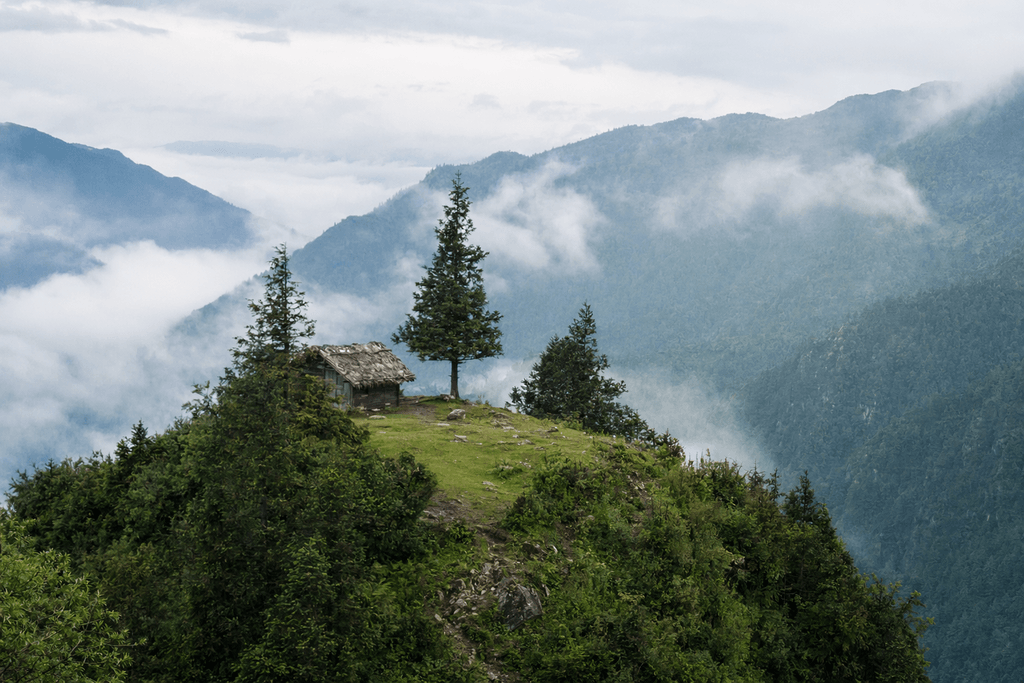
峰
山峰
峰
山峰
Explanation
峰
山峰
峰
山中小处 / 山丘、山顶 / 山峰、山脊
( romanization )
( romanization )
( hiragana historical )
( hiragana )
件
上述的
件
上述的
Explanation
件
上述的
件
例子;先例 / “件”(くだん),传说中半人半牛的妖怪

( romanization )
( hiragana )
ちょくちょく
时常
ちょくちょく
时常
Explanation
时常
ちょくちょく
时不时 / 时常 / 三不五时
Loading...

JLPT N1 多言語単語帳・3032語 / JLPT N1 Multilingual Vocabulary: 3032 Words

Jonathan Waller 氏の JLPT Resources の語彙リスト・レベル分類を出典とし、CC BY の条件に従って DiQt が学習者向けに意味を作り直した3032語の単語帳です。JLPT公式の語彙リストではありません。
This collection of 3032 words is based on the vocabulary list and level classifications in Jonathan Waller’s JLPT Resources under CC BY, with meanings rewritten by DiQt for learners. It is not an official JLPT vocabulary list.
Key Operations
Select the first quiz:
Ctrl + Enter
View Explanation:Ctrl + G
Close a feedback:Esc
When selecting a quiz
Answer:Enter
Select a choice:↓ or ↑
Reading out the question:Ctrl + K
View Hint: Ctrl + M
I don't know: Ctrl + Y



