
JLPT N1 词义四选一 - Unsolved

通过四选一题目,用简体中文学习JLPT N1的3032个单词含义。
-
妥协
-
弹性
-
听诊器
-
哎呀
-
多谢款待
-
晚安
-
肉体
-
品种
-
事由
-
肥大的
-
随心所欲
-
乱七八糟的 / 荒唐的
-
类别
-
货物
-
自首
-
审讯 / 调查
-
盼望
-
打赌 / 赌上
- 「鈍る(なまる)」はラ行五段活用の動詞。
- 未然形「鈍ろ」は意志・勧誘の助動詞「う」に接続する形。
-
立体
-
复出
-
行情价
-
潜入
-
反应
-
印章
-
匮乏的
-
不计其数
-
长久的
-
自我
-
历法
-
蜂鸣器
窒息
窒息
窒息
窒息
Explanation
窒息
窒息
窒息
因缺氧或气道阻塞导致无法呼吸的状况 / 医学:由呼吸衰竭引起的全身缺氧

( Base form )
( romanization )
( hiragana )
おーい
喂
おーい
喂
Explanation
喂
おーい
喂 / 喂—— / 哎——

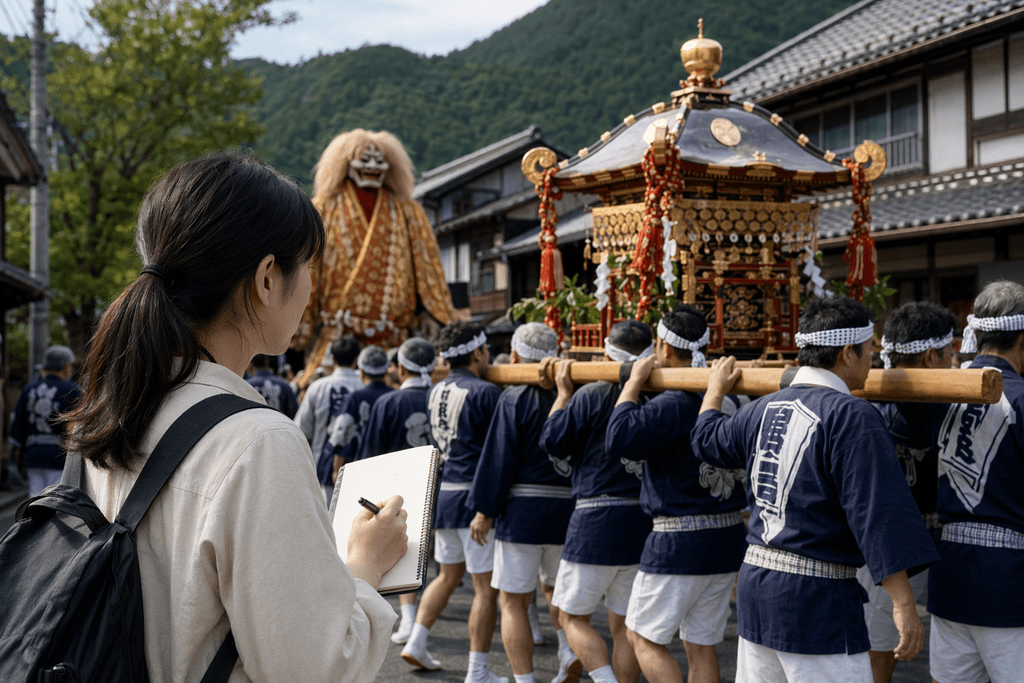
民俗
民俗
民俗
民俗
Explanation
民俗
民俗
民俗
民间风俗 / 民间习俗 / 民间文化传统
( Base form )
( romanization )
( hiragana )
露骨
明目张胆的 / 直白的
露骨
明目张胆的 / 直白的
Explanation
露骨
明目张胆的 / 直白的
露骨
直白的;不加掩饰的 / 淫秽的;下流的

Word Forms
The basic and commonly used forms of this adjectival noun.
Basic forms
| Form | Word form | Usage |
|---|---|---|
| Imperfective form (mizenkei) | Used in forms such as darou. | |
| Continuative form (renyokei) |
Alternative:
露骨に
露骨だっ
|
Used with de or ni. |
| Conclusive form (shushikei) | Ends a sentence with da. | |
| Attributive form (rentaikei) |
Alternative:
露骨である
|
Modifies a noun with na. |
| Conditional form (kateikei) |
Alternative:
露骨であれば
|
Expresses a condition with nara. |
| Imperative form (meireikei) | Used in formal expressions such as de are. |
Common forms
制約
制约
制約
制约
Explanation
制約
制约
制約
限制 / 约束 / 约束条件

( Base form )
( romanization )
( hiragana )
鈍る
变钝
鈍る
变钝
Explanation
鈍る
变钝
鈍る
变钝;不锋利 / 能力或精力下降;失去锐气 / 技艺生疏;手生

Word Forms
The basic and commonly used forms of this verb.
Basic forms
| Form | Word form | Usage |
|---|---|---|
| Imperfective form (mizenkei) |
Alternative:
鈍ろ
|
Connects to endings such as nai, reru, and seru. |
| Continuative form (renyokei) | Connects to endings such as masu, tai, and ta. | |
| Conclusive form (shushikei) | Ends a sentence and serves as the dictionary form. | |
| Attributive form (rentaikei) | Modifies a noun. | |
| Conditional form (kateikei) | Combines with ba to express a condition. | |
| Imperative form (meireikei) | Expresses a command or instruction. |
Common forms
| Form | Word form | Usage |
|---|---|---|
| Te-form | Connects clauses with te. | |
| Ta-form | Expresses the past with ta. | |
| Nai-form | Expresses negation with nai. | |
| Masu-form | Used for polite speech. | |
| Ba-form | Expresses a condition with ba. | |
| Volitional form | Expresses intention or invitation. |
Notes
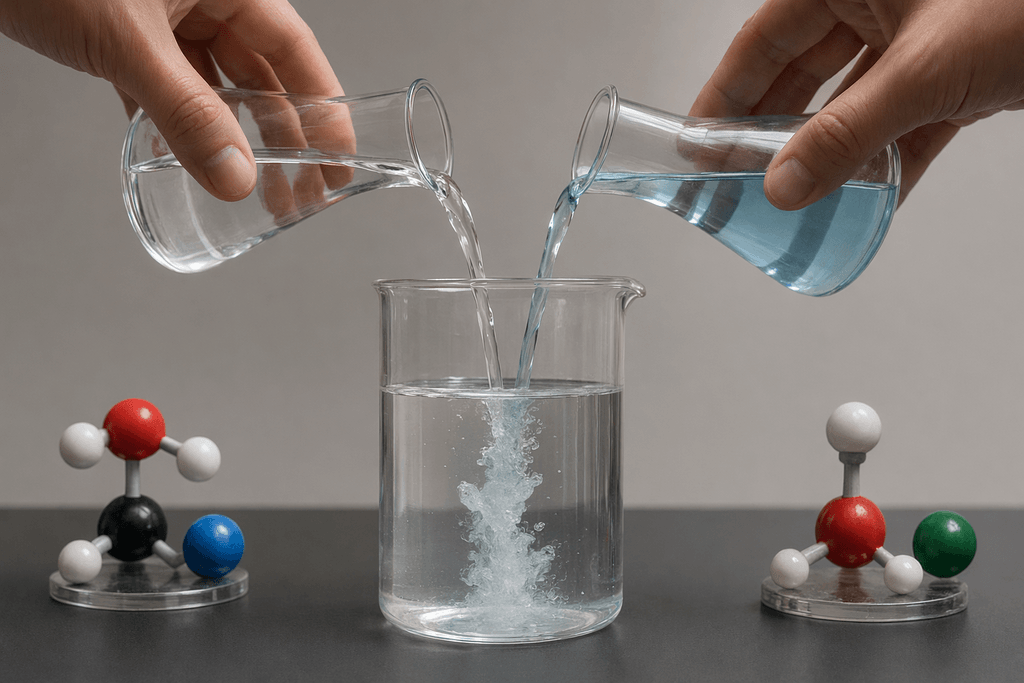
中和
中和
中和
中和
Explanation
中和
中和
中和
化学:酸碱中和 / 中国与日本;中日
( Base form )
( romanization )
( romanization )
( hiragana historical )
( hiragana )
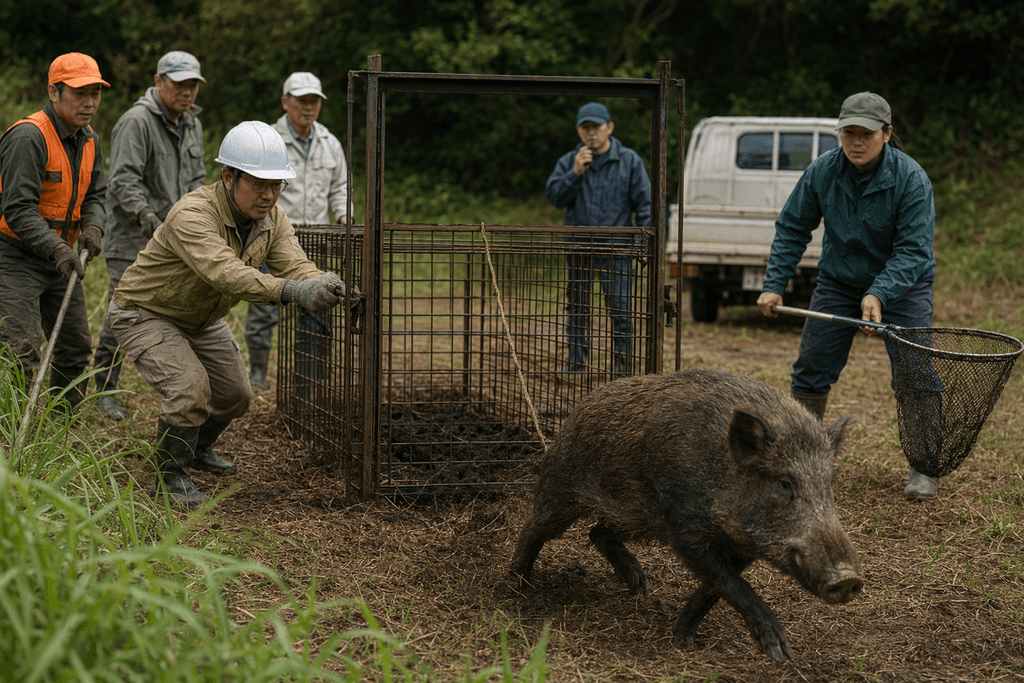
退治
消灭
退治
消灭
Explanation
退治
消灭
退治
消灭;剿除(尤指害虫) / 扫荡;肃清 / 除害;灭虫
( Base form )
( romanization )
( romanization )
( hiragana historical )
( hiragana )
鬱陶しい
阴沉 / 烦人
鬱陶しい
阴沉 / 烦人
Explanation
鬱陶しい
阴沉 / 烦人
鬱陶しい
令人烦躁的 / 令人压抑的 / 阴郁的(天气)

Word Forms
The basic and commonly used forms of this adjective.
Basic forms
| Form | Word form | Usage |
|---|---|---|
| Imperfective form (mizenkei) | Used in forms such as karou; mainly literary. | |
| Continuative form (renyokei) |
Alternative:
鬱陶しかっ
|
Used in forms such as kute and kunai. |
| Conclusive form (shushikei) | Ends a sentence. | |
| Attributive form (rentaikei) | Modifies a noun. | |
| Conditional form (kateikei) | Expresses a condition with kereba. | |
| Imperative form (meireikei) | Rarely used in modern Japanese. |
Common forms
家畜
家畜
家畜
家畜
Explanation
家畜
家畜
家畜
家养的牲畜 / 家养的动物 / 家牛

( Base form )
( romanization )
( hiragana )
Loading...

JLPT N1 多言語単語帳・3032語 / JLPT N1 Multilingual Vocabulary: 3032 Words

Jonathan Waller 氏の JLPT Resources の語彙リスト・レベル分類を出典とし、CC BY の条件に従って DiQt が学習者向けに意味を作り直した3032語の単語帳です。JLPT公式の語彙リストではありません。
This collection of 3032 words is based on the vocabulary list and level classifications in Jonathan Waller’s JLPT Resources under CC BY, with meanings rewritten by DiQt for learners. It is not an official JLPT vocabulary list.
Key Operations
Select the first quiz:
Ctrl + Enter
View Explanation:Ctrl + G
Close a feedback:Esc
When selecting a quiz
Answer:Enter
Select a choice:↓ or ↑
Reading out the question:Ctrl + K
View Hint: Ctrl + M
I don't know: Ctrl + Y



