
JLPT N1 词义四选一 - Unsolved

通过四选一题目,用简体中文学习JLPT N1的3032个单词含义。
-
公司
-
厅
-
学校 / 校样
-
数据
-
妨碍
-
折射 / 弯曲
-
扔出去 / 半途而废
-
损害 / 未能做到
-
抚养 / 培养
- 「悩ませる」は関連する下一段動詞であり、本項では五段サ行動詞「悩ます」として活用を示す。
-
固体
-
横纲
-
词句
-
军服
-
上升
-
职业经历
-
洪水
-
首次听闻
-
换算
-
脚后跟
-
成果
-
姓名
-
出人头地
-
经费
-
连休
-
捕获
-
最佳
-
经费
-
过分亲热的
-
贪婪的
-
很大的
費
费用
費
费用
Explanation
費
费用
費
表示费用、成本的词尾 / 费用(用于合成词)

( romanization )
( hiragana )
教訓
教训
教訓
教训
Explanation
教訓
教训
教訓
经验教训 / 训诫;告诫 / 道德教导

( Base form )
( romanization )
( hiragana )
悩ます
困扰
悩ます
困扰
Explanation
悩ます
困扰
悩ます
使烦恼 / 使痛苦 / 纠缠

Word Forms
The basic and commonly used forms of this verb.
Basic forms
| Form | Word form | Usage |
|---|---|---|
| Imperfective form (mizenkei) |
Alternative:
悩まそ
|
Connects to endings such as nai, reru, and seru. |
| Continuative form (renyokei) | Connects to endings such as masu, tai, and ta. | |
| Conclusive form (shushikei) | Ends a sentence and serves as the dictionary form. | |
| Attributive form (rentaikei) | Modifies a noun. | |
| Conditional form (kateikei) | Combines with ba to express a condition. | |
| Imperative form (meireikei) | Expresses a command or instruction. |
Common forms
| Form | Word form | Usage |
|---|---|---|
| Te-form | Connects clauses with te. | |
| Ta-form | Expresses the past with ta. | |
| Nai-form | Expresses negation with nai. | |
| Masu-form | Used for polite speech. | |
| Ba-form | Expresses a condition with ba. | |
| Volitional form | Expresses intention or invitation. |
Notes
勧め
推荐
勧め
推荐
Explanation
勧め
推荐
勧め
建议;推荐;忠告 / 为修建或修缮寺庙、佛像等的捐资劝募

( Base form )
( romanization )
( kyūjitai )
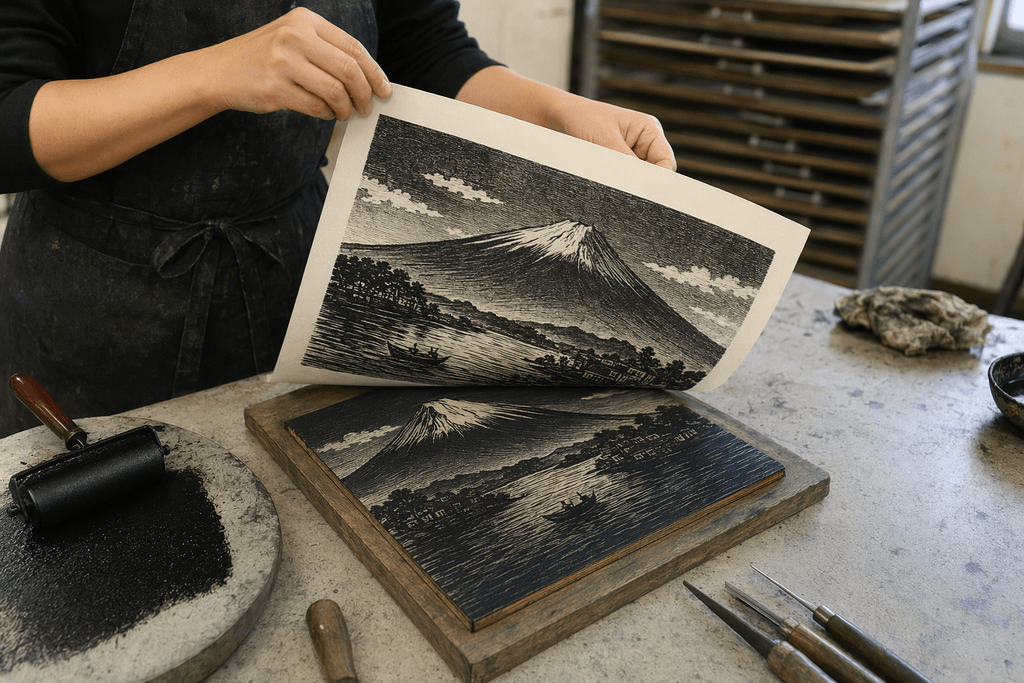
版画
版画
版画
版画
Explanation
版画
版画
版画
以雕刻或蚀刻版面印制的美术作品 / 用木版、铜版、石版等进行印刷创作的艺术或技法
( Base form )
( romanization )
( kyūjitai )
( hiragana )
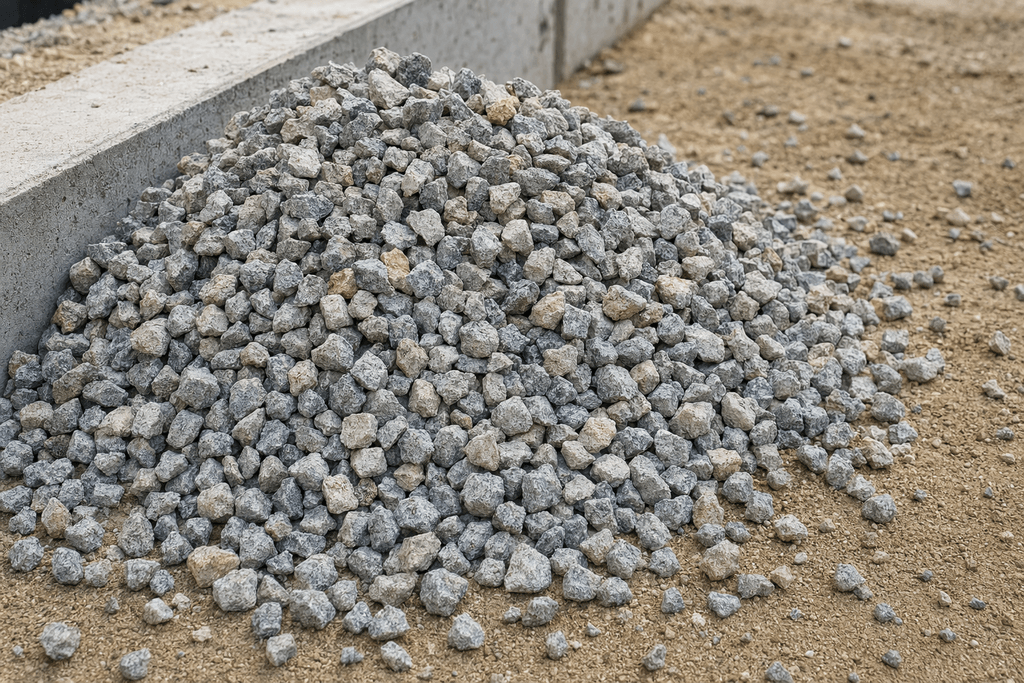
砂利
砂砾
砂利
砂砾
Explanation
砂利
砂砾
砂利
碎石;砾石 / (江户时期)受理平民案件的官署(因石庭而得名) / 米(熟饭或生米)
( Base form )
( romanization )
( hiragana )
操縦
驾驶 / 操控
操縦
驾驶 / 操控
Explanation
操縦
驾驶 / 操控
操縦
驾驶(飞机等) / 操纵;操控 / 管理;处理

( Base form )
( romanization )
( romanization )
( kyūjitai )
( hiragana historical )
( hiragana )
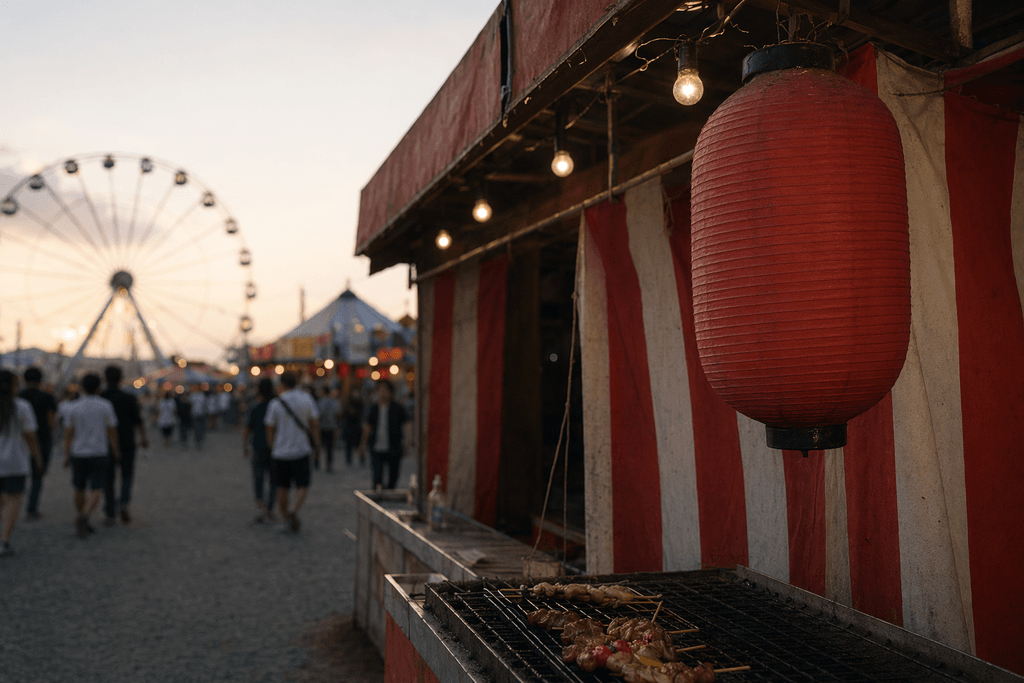
下火
衰退
下火
衰退
Explanation
下火
衰退
下火
衰退 / 热度下降 / 势头减弱
ストレス
精神压力
ストレス
精神压力
Explanation
精神压力
ストレス
压力 / 心理压力 / 精神紧张

( romanization )
生臭い
有腥味的
生臭い
有腥味的
Explanation
生臭い
有腥味的
生臭い
有腥味的 / 有血腥味的 / 带有生肉气味的

Word Forms
The basic and commonly used forms of this adjective.
Basic forms
| Form | Word form | Usage |
|---|---|---|
| Imperfective form (mizenkei) | Used in forms such as karou; mainly literary. | |
| Continuative form (renyokei) |
Alternative:
生臭かっ
|
Used in forms such as kute and kunai. |
| Conclusive form (shushikei) | Ends a sentence. | |
| Attributive form (rentaikei) | Modifies a noun. | |
| Conditional form (kateikei) | Expresses a condition with kereba. | |
| Imperative form (meireikei) | Rarely used in modern Japanese. |
Common forms
Loading...

JLPT N1 多言語単語帳・3032語 / JLPT N1 Multilingual Vocabulary: 3032 Words

Jonathan Waller 氏の JLPT Resources の語彙リスト・レベル分類を出典とし、CC BY の条件に従って DiQt が学習者向けに意味を作り直した3032語の単語帳です。JLPT公式の語彙リストではありません。
This collection of 3032 words is based on the vocabulary list and level classifications in Jonathan Waller’s JLPT Resources under CC BY, with meanings rewritten by DiQt for learners. It is not an official JLPT vocabulary list.
Key Operations
Select the first quiz:
Ctrl + Enter
View Explanation:Ctrl + G
Close a feedback:Esc
When selecting a quiz
Answer:Enter
Select a choice:↓ or ↑
Reading out the question:Ctrl + K
View Hint: Ctrl + M
I don't know: Ctrl + Y



