
JLPT N1 词义四选一 - Unsolved

通过四选一题目,用简体中文学习JLPT N1的3032个单词含义。
-
敏捷的
-
令人烦恼的 / 诱人的
-
短暂的 / 虚幻的
- 「諄い」は「くどい」と読むイ形容詞。連用形「諄う」は「ございます」などに接続する丁寧表現で用いられることがある。
-
舒畅的
-
难为情
-
圆滚滚的
- 「すばしっこい」ともいう。
-
短期大学
-
构思 / 构想方案
-
借用
-
惊呆的
-
美好的
-
轻快 / 活泼
-
观众
-
惊讶
-
全场观众
-
放任不管
-
奖赏
-
服装
-
必修课
-
货币
-
疾病
-
履行
-
订购 / 调货
-
漏
-
劳动
-
样式 / 格式
-
制约
-
已婚
-
必修课
-
简洁
諄い
絮叨 / 过于浓腻
諄い
絮叨 / 过于浓腻
Explanation
諄い
絮叨 / 过于浓腻
諄い
冗长啰嗦,令人厌烦 / 味道过于浓腻、厚重 / 颜色过分浓艳、扎眼

Word Forms
The basic and commonly used forms of this adjective.
Basic forms
| Form | Word form | Usage |
|---|---|---|
| Imperfective form (mizenkei) | Used in forms such as karou; mainly literary. | |
| Continuative form (renyokei) |
Alternative:
諄かっ
諄う
|
Used in forms such as kute and kunai. |
| Conclusive form (shushikei) | Ends a sentence. | |
| Attributive form (rentaikei) | Modifies a noun. | |
| Conditional form (kateikei) | Expresses a condition with kereba. | |
| Imperative form (meireikei) | Rarely used in modern Japanese. |
Common forms
| Form | Word form | Usage |
|---|---|---|
| Te-form | Connects clauses with kute. | |
| Ta-form | Expresses the past with katta. | |
| Nai-form | Expresses negation with kunai. | |
| Ba-form | Expresses a condition with kereba. |
Notes
すばしこい
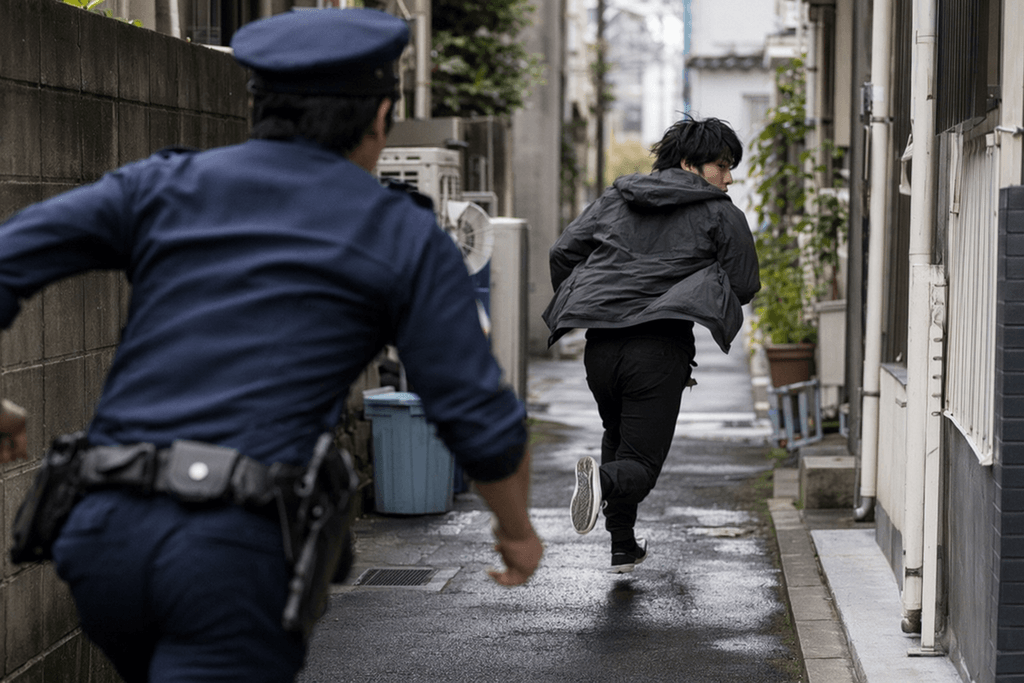
敏捷的
すばしこい
敏捷的
Explanation
敏捷的
すばしこい
敏捷 / 机敏 / 精明
Word Forms
The basic and commonly used forms of this adjective.
Basic forms
| Form | Word form | Usage |
|---|---|---|
| Imperfective form (mizenkei) | Used in forms such as karou; mainly literary. | |
| Continuative form (renyokei) |
Alternative:
すばしこかっ
|
Used in forms such as kute and kunai. |
| Conclusive form (shushikei) | Ends a sentence. | |
| Attributive form (rentaikei) | Modifies a noun. | |
| Conditional form (kateikei) | Expresses a condition with kereba. | |
| Imperative form (meireikei) | Rarely used in modern Japanese. |
Common forms
| Form | Word form | Usage |
|---|---|---|
| Te-form | Connects clauses with kute. | |
| Ta-form | Expresses the past with katta. | |
| Nai-form | Expresses negation with kunai. | |
| Ba-form | Expresses a condition with kereba. |
Notes
行い
行为
行い
行为
Explanation
行い
行为
行い
行为;举止 / 作为;事迹 / 修行;苦行

滑らか
光滑的
滑らか
光滑的
Explanation
滑らか
光滑的
滑らか
光滑 / 顺利(进展) / 平静(水面)

Word Forms
The basic and commonly used forms of this adjectival noun.
Basic forms
| Form | Word form | Usage |
|---|---|---|
| Imperfective form (mizenkei) | Used in forms such as darou. | |
| Continuative form (renyokei) |
Alternative:
滑らかに
滑らかだっ
|
Used with de or ni. |
| Conclusive form (shushikei) | Ends a sentence with da. | |
| Attributive form (rentaikei) | Modifies a noun with na. | |
| Conditional form (kateikei) | Expresses a condition with nara. | |
| Imperative form (meireikei) | Used in formal expressions such as de are. |
Common forms
手分け
分工
手分け
分工
Explanation
手分け
分工
手分け
分工 / 分头行动 / 分头搜索

陶器
陶器
陶器
陶器
Explanation
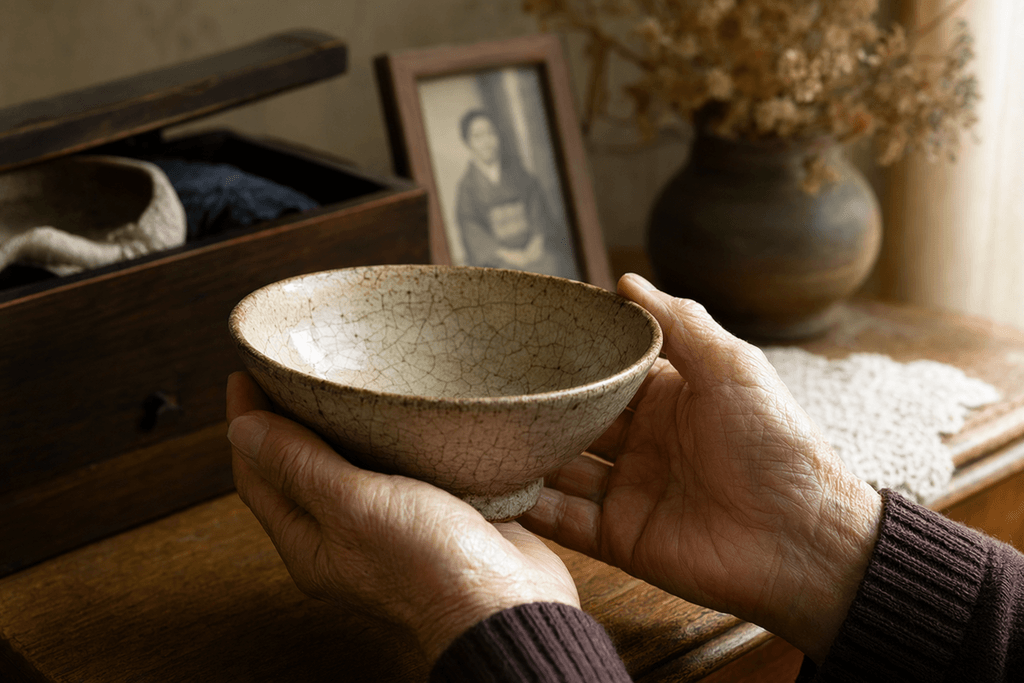
陶器
陶器
陶器
陶瓷制品 / 瓷器与陶器的总称
( Base form )
( romanization )
( hiragana )
修飾
修饰
修飾
修饰
Explanation
修飾
修饰
修飾
装饰 / 点缀 / 装饰品

( Base form )
( romanization )
( hiragana )
返る
复原 / 回来
返る
复原 / 回来
Explanation
返る
复原 / 回来
返る
返回;回到;恢复原状 / 倒转;翻转;反向行进 / 重新开始;更新(如年份);变色或褪色

Word Forms
The basic and commonly used forms of this verb.
Basic forms
| Form | Word form | Usage |
|---|---|---|
| Imperfective form (mizenkei) |
Alternative:
返ろ
|
Connects to endings such as nai, reru, and seru. |
| Continuative form (renyokei) |
Alternative:
返っ
|
Connects to endings such as masu, tai, and ta. |
| Conclusive form (shushikei) | Ends a sentence and serves as the dictionary form. | |
| Attributive form (rentaikei) | Modifies a noun. | |
| Conditional form (kateikei) | Combines with ba to express a condition. | |
| Imperative form (meireikei) | Expresses a command or instruction. |
Common forms
ブルー
蓝色
ブルー
蓝色
Explanation
蓝色
ブルー
蓝色的 / 忧郁的 / 沮丧的

( romanization )
( adnominal )
( adverbial )
( table-tags )
( inflection-template )
( imperfective stem )
( imperfective stem )
( continuative stem )
( continuative stem )
( stem terminative )
( stem terminative )
( attributive stem )
( attributive stem )
( hypothetical stem )
( hypothetical stem )
( Imperative stem )
( Imperative stem )
( informal negative )
( informal negative )
( informal negative )
( informal negative )
( informal Past )
( informal Past )
( informal negative Past )
( informal negative Past )
( informal negative Past )
( informal negative Past )
( formal )
( formal )
( formal negative )
( formal negative )
( formal negative )
( formal negative )
( formal Past )
( formal Past )
( formal negative Past )
( formal negative Past )
( formal negative Past )
( formal negative Past )
( conjunctive )
( conjunctive )
( Conditional )
( Conditional )
( Conditional Past )
( Conditional Past )
( volitional )
( volitional )
( adverbial )
( adverbial )
( noun-from-adj )
( noun-from-adj )
弓
弓
弓
弓
Explanation
弓
弓
弓
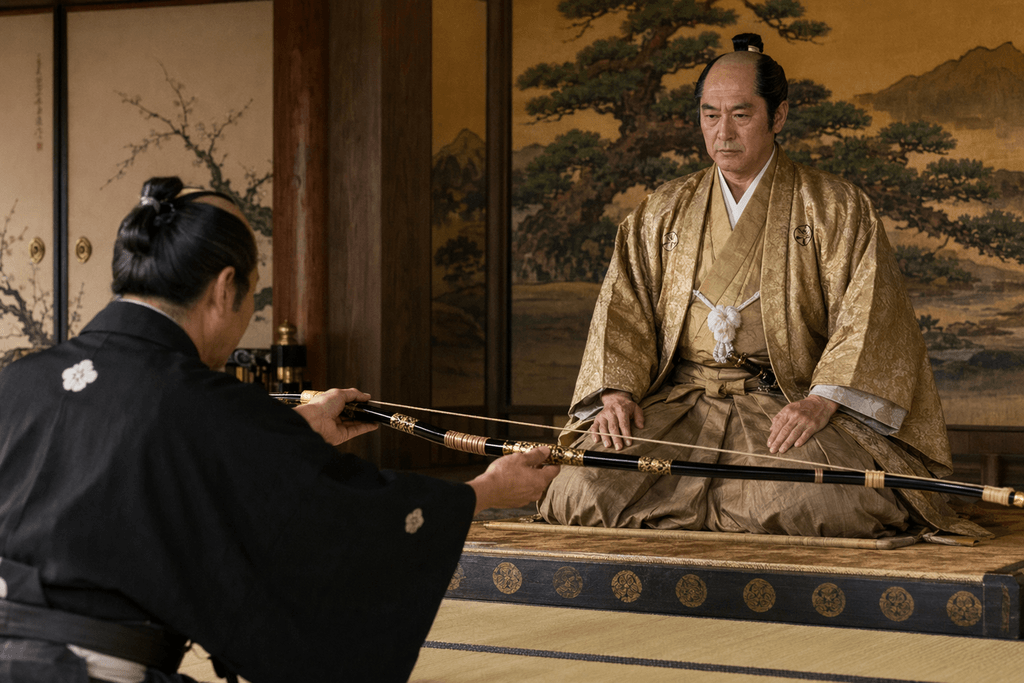
(罕用,敬语)贵族所用的射箭之弓 / (尊称)指贵族所属的弓
( romanization )
( hiragana )
Loading...

JLPT N1 多言語単語帳・3032語 / JLPT N1 Multilingual Vocabulary: 3032 Words

Jonathan Waller 氏の JLPT Resources の語彙リスト・レベル分類を出典とし、CC BY の条件に従って DiQt が学習者向けに意味を作り直した3032語の単語帳です。JLPT公式の語彙リストではありません。
This collection of 3032 words is based on the vocabulary list and level classifications in Jonathan Waller’s JLPT Resources under CC BY, with meanings rewritten by DiQt for learners. It is not an official JLPT vocabulary list.
Key Operations
Select the first quiz:
Ctrl + Enter
View Explanation:Ctrl + G
Close a feedback:Esc
When selecting a quiz
Answer:Enter
Select a choice:↓ or ↑
Reading out the question:Ctrl + K
View Hint: Ctrl + M
I don't know: Ctrl + Y



