
JLPT N1 词义四选一 - Unsolved

通过四选一题目,用简体中文学习JLPT N1的3032个单词含义。
-
逃脱
-
天灾
-
家伙
-
炸弹
-
主题
-
瓷器
-
累计
-
像样的
-
糟糕的
-
印刷错误
-
概念
-
书评
-
掌管
-
舀
-
摆弄 / 擅自改动
-
军事
-
专修
-
斑点
-
闭眼
-
啁啾
-
扔进
-
近郊
-
信息
-
女服务员
-
垂头丧气 / 急剧下降
-
恐怕
-
不知不觉
-
女婿
-
暗杀
-
须知
気流
气流
気流
气流
Explanation
気流
气流
気流
空气的流动 / 空气的流向或流束

( Base form )
( romanization )
( hiragana )
技能
技能
技能
技能
Explanation
技能
技能
技能
通过学习或实践掌握的技术能力 / 专门的技能或专长 / 某一学科或技术领域的专门能力

( Base form )
( romanization )
( hiragana )
明くる
接下来的
明くる
接下来的
Explanation
明くる
接下来的
明くる
次日的;翌日的 / 次晨的;翌晨的

公団
公营机构
公団
公营机构
Explanation
公団
公营机构
公団
公营法人机构 / 法定机构 / 国有企业

( Base form )
( romanization )
( hiragana )
連ねる
连成串
連ねる
连成串
Explanation
連ねる
连成串
連ねる
排列成行;连成一列 / 加入(团体、队伍) / 跟随;紧随其后

Word Forms
The basic and commonly used forms of this verb.
Basic forms
| Form | Word form | Usage |
|---|---|---|
| Imperfective form (mizenkei) | Connects to endings such as nai, reru, and seru. | |
| Continuative form (renyokei) | Connects to endings such as masu, tai, and ta. | |
| Conclusive form (shushikei) | Ends a sentence and serves as the dictionary form. | |
| Attributive form (rentaikei) | Modifies a noun. | |
| Conditional form (kateikei) | Combines with ba to express a condition. | |
| Imperative form (meireikei) |
Alternative:
連ねよ
|
Expresses a command or instruction. |
Common forms
既婚
已婚
既婚
已婚
Explanation
既婚
已婚
既婚
已婚状态 / 已婚者 / 已经结婚的身份

( Base form )
( romanization )
( hiragana )
凝らす
集中精神 / 精心构思
凝らす
集中精神 / 精心构思
Explanation
凝らす
集中精神 / 精心构思
凝らす
使…集中;专注 / 使…聚集;凝聚

Word Forms
The basic and commonly used forms of this verb.
Basic forms
| Form | Word form | Usage |
|---|---|---|
| Imperfective form (mizenkei) |
Alternative:
凝らそ
|
Connects to endings such as nai, reru, and seru. |
| Continuative form (renyokei) | Connects to endings such as masu, tai, and ta. | |
| Conclusive form (shushikei) | Ends a sentence and serves as the dictionary form. | |
| Attributive form (rentaikei) | Modifies a noun. | |
| Conditional form (kateikei) | Combines with ba to express a condition. | |
| Imperative form (meireikei) | Expresses a command or instruction. |
Common forms
平常
平常状态
平常
平常状态
Explanation
平常
平常状态
平常
普通的;寻常的;通常的 / 正常的;非紧急的

( Base form )
( romanization )
( romanization )
( adnominal )
( adverbial )
( hiragana historical )
( hiragana )
( table-tags )
( inflection-template )
( imperfective stem )
( imperfective stem )
( imperfective )
( continuative stem )
( continuative stem )
( continuative )
( stem terminative )
( stem terminative )
( terminative )
( attributive stem )
( attributive stem )
( attributive )
( hypothetical stem )
( hypothetical stem )
( hypothetical )
( Imperative stem )
( Imperative stem )
( Imperative )
( informal negative )
( informal negative )
( informal negative )
( informal negative )
( informal negative )
( informal negative )
( informal Past )
( informal Past )
( informal Past )
( informal negative Past )
( informal negative Past )
( informal negative Past )
( informal negative Past )
( informal negative Past )
( informal negative Past )
( formal )
( formal )
( formal )
( formal negative )
( formal negative )
( formal negative )
( formal negative )
( formal negative )
( formal negative )
( formal Past )
( formal Past )
( formal Past )
( formal negative Past )
( formal negative Past )
( formal negative Past )
( formal negative Past )
( formal negative Past )
( formal negative Past )
( conjunctive )
( conjunctive )
( conjunctive )
( Conditional )
( Conditional )
( Conditional )
( Conditional Past )
( Conditional Past )
( Conditional Past )
( volitional )
( volitional )
( volitional )
( adverbial )
( adverbial )
( adverbial )
( noun-from-adj )
( noun-from-adj )
( noun-from-adj )
何も
什么也不
何も
什么也不
Explanation
何も
什么也不
何も
什么都没有 / 没有任何东西 / 无物

( Base form )
( romanization )
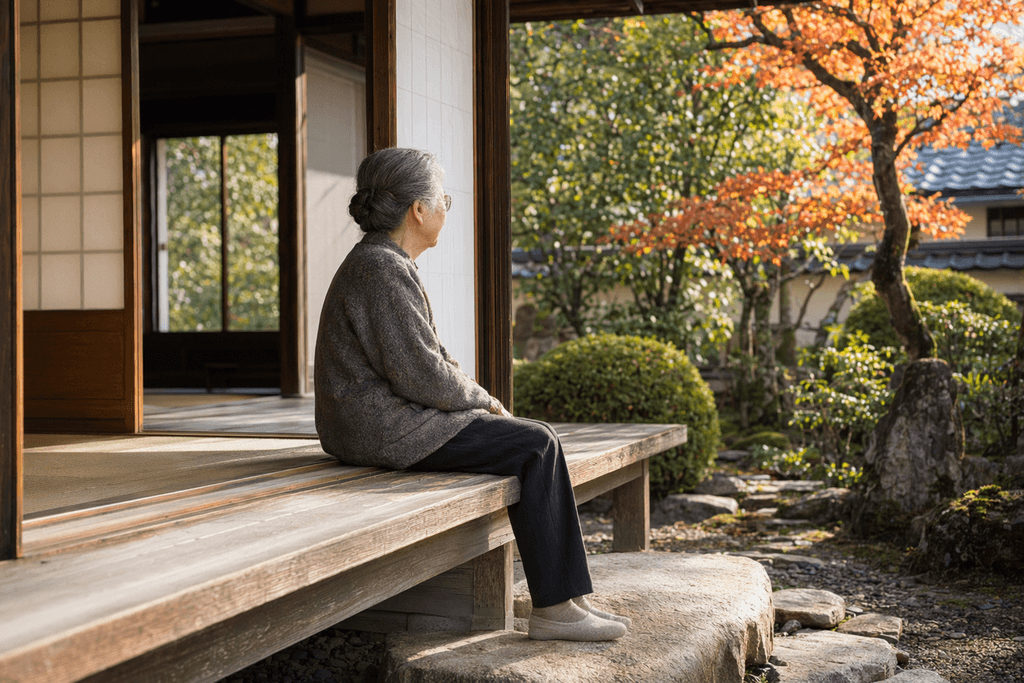
縁側
日式外廊
縁側
日式外廊
Explanation
縁側
日式外廊
縁側
房屋外侧的露天檐廊 / 鱼鳍根部的骨 / 鱼鳍根部的肉
( Base form )
( romanization )
( kyūjitai )
( hiragana )
Loading...

JLPT N1 多言語単語帳・3032語 / JLPT N1 Multilingual Vocabulary: 3032 Words

Jonathan Waller 氏の JLPT Resources の語彙リスト・レベル分類を出典とし、CC BY の条件に従って DiQt が学習者向けに意味を作り直した3032語の単語帳です。JLPT公式の語彙リストではありません。
This collection of 3032 words is based on the vocabulary list and level classifications in Jonathan Waller’s JLPT Resources under CC BY, with meanings rewritten by DiQt for learners. It is not an official JLPT vocabulary list.
Key Operations
Select the first quiz:
Ctrl + Enter
View Explanation:Ctrl + G
Close a feedback:Esc
When selecting a quiz
Answer:Enter
Select a choice:↓ or ↑
Reading out the question:Ctrl + K
View Hint: Ctrl + M
I don't know: Ctrl + Y



