
JLPT N1 词义四选一 - Unsolved

通过四选一题目,用简体中文学习JLPT N1的3032个单词含义。
-
六十大寿
-
毅力
-
奉承
-
奔跑
-
称作 / 自称
-
咬断
- 「作る」の異表記。活用は同じ。
-
协作
-
低迷
-
刑事侦查
-
指出
-
荒废
-
反应
-
口头表达
-
源头
-
反对意见
-
大胆
-
盈利性
-
弹回 / 反抗
-
采矿业
-
选票
-
锤子
-
松弛下来
-
责骂
-
漂洗
-
加速 / 促进
-
安装 / 设置
-
突发想法
-
急性子
-
支票
-
尺寸
閉口
无言以对 / 厌烦
閉口
无言以对 / 厌烦
Explanation
閉口
无言以对 / 厌烦
閉口
哑口无言 / 为难、犯愁

造る
建造 / 制造
造る
建造 / 制造
Explanation
造る
建造 / 制造
造る
制造 / 建造 / 打造

Word Forms
The basic and commonly used forms of this verb.
Basic forms
| Form | Word form | Usage |
|---|---|---|
| Imperfective form (mizenkei) |
Alternative:
造ろ
|
Connects to endings such as nai, reru, and seru. |
| Continuative form (renyokei) | Connects to endings such as masu, tai, and ta. | |
| Conclusive form (shushikei) | Ends a sentence and serves as the dictionary form. | |
| Attributive form (rentaikei) | Modifies a noun. | |
| Conditional form (kateikei) | Combines with ba to express a condition. | |
| Imperative form (meireikei) | Expresses a command or instruction. |
Common forms
| Form | Word form | Usage |
|---|---|---|
| Te-form | Connects clauses with te. | |
| Ta-form | Expresses the past with ta. | |
| Nai-form | Expresses negation with nai. | |
| Masu-form | Used for polite speech. | |
| Ba-form | Expresses a condition with ba. | |
| Volitional form | Expresses intention or invitation. |
Notes
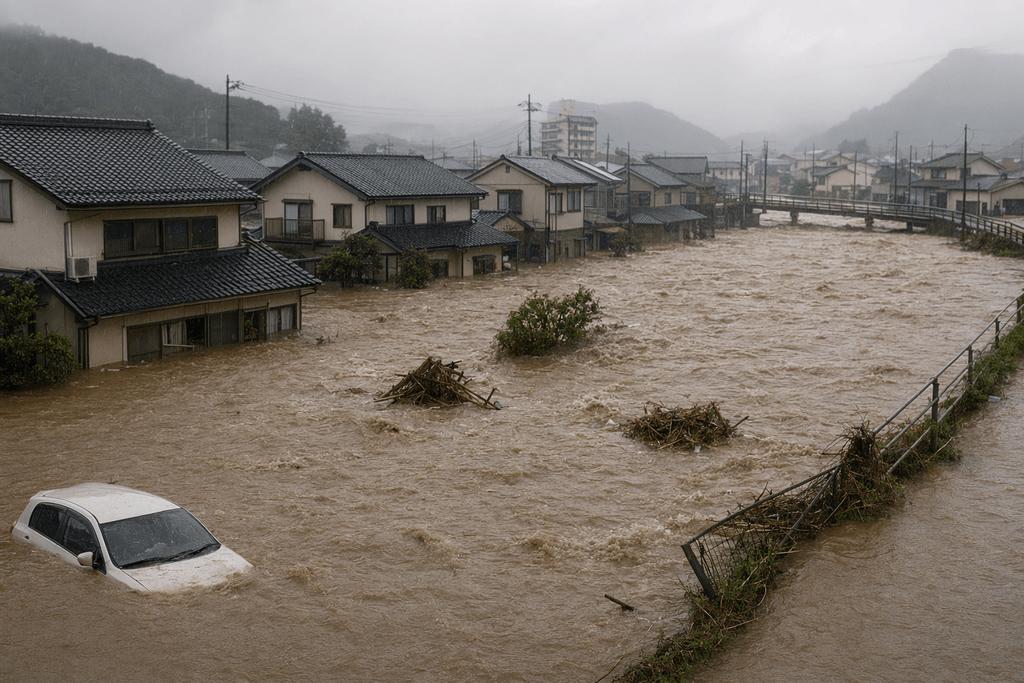
洪水
洪水
洪水
洪水
Explanation
洪水
洪水
洪水
河川暴涨引发的水灾 / 大量水体泛滥淹没土地 / 比喻大量涌入的事物
( Base form )
( romanization )
( hiragana )
刊行
刊行
刊行
刊行
Explanation
刊行
刊行
刊行
出版 / 发行(书刊)

( Base form )
( romanization )
( hiragana )
始発
首班列车
始発
首班列车
Explanation
始発
首班列车
始発
当天第一班发车(列车、公交等) / 首班车(当天最早的列车、公交等)

( Base form )
( romanization )
( kyūjitai )
( hiragana )
運搬
搬运
運搬
搬运
Explanation
運搬
搬运
運搬
运输 / 搬运 / 运送

( Base form )
( romanization )
( hiragana )
給仕
侍者 / 上菜服务
給仕
侍者 / 上菜服务
Explanation
給仕
侍者 / 上菜服务
給仕
餐厅服务员;侍者 / 桌边服务人员 / 旧时在机关或办公室做杂务的人

( Base form )
( romanization )
( romanization )
( hiragana historical )
( hiragana )
覆す
推翻
覆す
推翻
Explanation
覆す
推翻
覆す
使翻覆;使倾覆 / 推翻政权;颠覆 / 反驳;证伪

Word Forms
The basic and commonly used forms of this verb.
Basic forms
| Form | Word form | Usage |
|---|---|---|
| Imperfective form (mizenkei) |
Alternative:
覆そ
|
Connects to endings such as nai, reru, and seru. |
| Continuative form (renyokei) | Connects to endings such as masu, tai, and ta. | |
| Conclusive form (shushikei) | Ends a sentence and serves as the dictionary form. | |
| Attributive form (rentaikei) | Modifies a noun. | |
| Conditional form (kateikei) | Combines with ba to express a condition. | |
| Imperative form (meireikei) | Expresses a command or instruction. |
Common forms
財政
财政
財政
财政
Explanation
財政
财政
財政
政府的财务收支与管理 / 公共资金的筹集、分配与使用 / 财政行政

( Base form )
( romanization )
( hiragana )
カムバック
复出
カムバック
复出
Explanation
复出
カムバック
复出;东山再起 / (韩娱)偶像回归:新作发表及相关活动

( romanization )
Loading...

JLPT N1 多言語単語帳・3032語 / JLPT N1 Multilingual Vocabulary: 3032 Words

Jonathan Waller 氏の JLPT Resources の語彙リスト・レベル分類を出典とし、CC BY の条件に従って DiQt が学習者向けに意味を作り直した3032語の単語帳です。JLPT公式の語彙リストではありません。
This collection of 3032 words is based on the vocabulary list and level classifications in Jonathan Waller’s JLPT Resources under CC BY, with meanings rewritten by DiQt for learners. It is not an official JLPT vocabulary list.
Key Operations
Select the first quiz:
Ctrl + Enter
View Explanation:Ctrl + G
Close a feedback:Esc
When selecting a quiz
Answer:Enter
Select a choice:↓ or ↑
Reading out the question:Ctrl + K
View Hint: Ctrl + M
I don't know: Ctrl + Y



