
JLPT N1 词义四选一 - Unsolved

通过四选一题目,用简体中文学习JLPT N1的3032个单词含义。
-
汉源词
-
内脏
-
文化财产
-
时机
-
分子
-
世代相传 / 传入
-
抚养 / 培养
-
咬断
-
水煮
-
反射光线
-
盛装打扮
-
管教 / 疏缝
-
朝向 / 适合性
-
茶道
-
海滩
-
牙科
-
生客
-
通融借贷 / 灵活性
-
忠告 / 警告
-
街头
-
猎物 / 战利品
-
交换眼神 / 暂停
-
生育 / 产卵
-
衰弱 / 为难
- 「しまくる」は「(動詞連用形)+まくる」として用いられる五段活用(ラ行)の動詞です。
-
工作单位
-
街头
-
时刻表
-
患病
-
拖拽 / 耿耿于怀
-
埋葬 / 抹去
- 「賞賛に値する」「検討に値する」のように、多く「〜に値する」の形で用いられるサ変動詞。
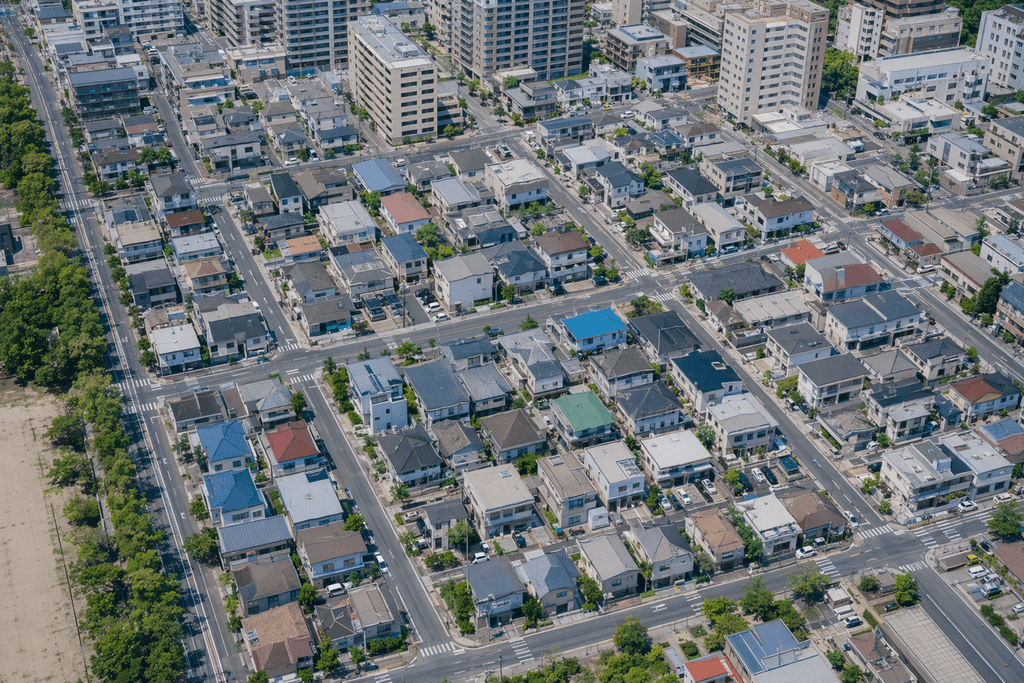
丁目
街区
丁目
街区
Explanation
丁目
街区
丁目
日本地址中的街区编号单位(相当于一个街区) / 城市中的小型编号分区
( Base form )
( romanization )
( romanization )
( hiragana historical )
( hiragana )
帳
帷幕
帳
帷幕
Explanation
帳
帷幕
帳
帘幕;帷幕(遮挡或分隔用的布帘) / 帷帐(床或帐篷等的围布) / 夜幕(比喻)

( romanization )
( hiragana )
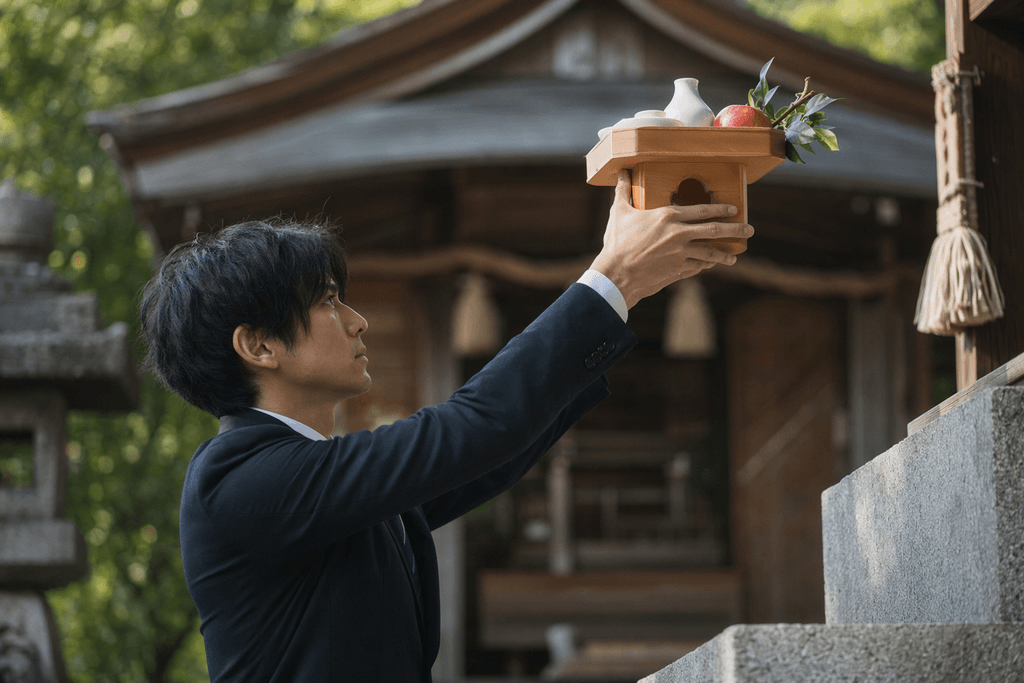
捧げる
奉献 / 献身
捧げる
奉献 / 献身
Explanation
捧げる
奉献 / 献身
捧げる
奉献;献上 / 高举(双手捧着) / 献身;致力
Word Forms
The basic and commonly used forms of this verb.
Basic forms
| Form | Word form | Usage |
|---|---|---|
| Imperfective form (mizenkei) | Connects to endings such as nai, reru, and seru. | |
| Continuative form (renyokei) | Connects to endings such as masu, tai, and ta. | |
| Conclusive form (shushikei) | Ends a sentence and serves as the dictionary form. | |
| Attributive form (rentaikei) | Modifies a noun. | |
| Conditional form (kateikei) | Combines with ba to express a condition. | |
| Imperative form (meireikei) |
Alternative:
捧げよ
|
Expresses a command or instruction. |
Common forms
告げる
告知
告げる
告知
Explanation
告げる
告知
告げる
告诉 / 通知 / 告知

Word Forms
The basic and commonly used forms of this verb.
Basic forms
| Form | Word form | Usage |
|---|---|---|
| Imperfective form (mizenkei) | Connects to endings such as nai, reru, and seru. | |
| Continuative form (renyokei) | Connects to endings such as masu, tai, and ta. | |
| Conclusive form (shushikei) | Ends a sentence and serves as the dictionary form. | |
| Attributive form (rentaikei) | Modifies a noun. | |
| Conditional form (kateikei) | Combines with ba to express a condition. | |
| Imperative form (meireikei) |
Alternative:
告げよ
|
Expresses a command or instruction. |
Common forms
出品
参展作品
出品
参展作品
Explanation
出品
参展作品
出品
商品的展出 / 商品的上架 / 商品的刊登

( Base form )
( romanization )
( hiragana )
交互
交替
交互
交替
Explanation
交互
交替
交互
轮流进行 / 交替进行 / 彼此轮番

( Base form )
( romanization )
( hiragana )
運命
命运
運命
命运
Explanation
運命
命运
運命
命运 / 宿命 / 天命

( Base form )
( romanization )
( hiragana )
しまくる
不停地做
しまくる
不停地做
Explanation
不停地做
しまくる
猛烈地做… / 拼命地做… / 不停地做…

Word Forms
The basic and commonly used forms of this verb.
Basic forms
| Form | Word form | Usage |
|---|---|---|
| Imperfective form (mizenkei) |
Alternative:
し捲ら
|
Connects to endings such as nai, reru, and seru. |
| Continuative form (renyokei) |
Alternative:
し捲り
|
Connects to endings such as masu, tai, and ta. |
| Conclusive form (shushikei) |
Alternative:
し捲る
|
Ends a sentence and serves as the dictionary form. |
| Attributive form (rentaikei) |
Alternative:
し捲る
|
Modifies a noun. |
| Conditional form (kateikei) |
Alternative:
し捲れ
|
Combines with ba to express a condition. |
| Imperative form (meireikei) |
Alternative:
し捲れ
|
Expresses a command or instruction. |
Common forms
| Form | Word form | Usage |
|---|---|---|
| Te-form |
Alternative:
し捲って
|
Connects clauses with te. |
| Ta-form |
Alternative:
し捲った
|
Expresses the past with ta. |
| Nai-form |
Alternative:
し捲らない
|
Expresses negation with nai. |
| Masu-form |
Alternative:
し捲ります
|
Used for polite speech. |
| Ba-form |
Alternative:
し捲れば
|
Expresses a condition with ba. |
| Volitional form |
Alternative:
し捲ろう
|
Expresses intention or invitation. |
Notes
指揮
指挥
指揮
指挥
Explanation
指揮
指挥
指揮
统率与调度 / 命令与指示 / 指挥权

( Base form )
( romanization )
( hiragana )
値する
值得 / 配得上
値する
值得 / 配得上
Explanation
値する
值得 / 配得上
値する
值得 / 配得上 / 当得起

Word Forms
The basic and commonly used forms of this verb.
Basic forms
| Form | Word form | Usage |
|---|---|---|
| Imperfective form (mizenkei) |
Alternative:
値せ
値さ
|
Connects to endings such as nai, reru, and seru. |
| Continuative form (renyokei) | Connects to endings such as masu, tai, and ta. | |
| Conclusive form (shushikei) | Ends a sentence and serves as the dictionary form. | |
| Attributive form (rentaikei) | Modifies a noun. | |
| Conditional form (kateikei) | Combines with ba to express a condition. | |
| Imperative form (meireikei) |
Alternative:
値せよ
|
Expresses a command or instruction. |
Common forms
| Form | Word form | Usage |
|---|---|---|
| Te-form | Connects clauses with te. | |
| Ta-form | Expresses the past with ta. | |
| Nai-form |
Alternative:
値せぬ
値せず
|
Expresses negation with nai. |
| Masu-form | Used for polite speech. | |
| Ba-form | Expresses a condition with ba. | |
| Volitional form | Expresses intention or invitation. |
Notes
Loading...

JLPT N1 多言語単語帳・3032語 / JLPT N1 Multilingual Vocabulary: 3032 Words

Jonathan Waller 氏の JLPT Resources の語彙リスト・レベル分類を出典とし、CC BY の条件に従って DiQt が学習者向けに意味を作り直した3032語の単語帳です。JLPT公式の語彙リストではありません。
This collection of 3032 words is based on the vocabulary list and level classifications in Jonathan Waller’s JLPT Resources under CC BY, with meanings rewritten by DiQt for learners. It is not an official JLPT vocabulary list.
Key Operations
Select the first quiz:
Ctrl + Enter
View Explanation:Ctrl + G
Close a feedback:Esc
When selecting a quiz
Answer:Enter
Select a choice:↓ or ↑
Reading out the question:Ctrl + K
View Hint: Ctrl + M
I don't know: Ctrl + Y



