
JLPT N1 词义四选一 - Unsolved

通过四选一题目,用简体中文学习JLPT N1的3032个单词含义。
-
化学元素
-
讲究打扮
-
弹珠机游戏 / 弹弓
-
混血
-
再次来访 / 重新开始
-
设施
-
紧急情况
-
吊环
-
混淆
-
采集
-
化学纤维
-
经费
-
跑车
-
采矿业
-
到达 / 套
-
福气
-
天才
-
支出
-
叹息
-
闭眼
-
违背 / 背离
-
冲击 / 震惊
-
倾斜度
-
激励
-
接住 / 认真对待
-
建造 / 制造
-
染上颜色
-
难为情
-
闻名的
-
难
- 命令形「待ち遠しかれ」は現代語では稀。
採掘
开采
採掘
开采
Explanation
採掘
开采
採掘
采矿 / 矿产开采 / 挖掘地下资源

( Base form )
( romanization )
( hiragana )
ビールス
病毒
ビールス
病毒
Explanation
病毒
ビールス
病毒(旧式称法) / 病毒的过时称呼

( romanization )
粘り
黏性 / 毅力
粘り
黏性 / 毅力
Explanation
粘り
黏性 / 毅力
粘り
毅力 / 恒心 / 韧劲

教え
教诲
教え
教诲
Explanation
教え
教诲
教え
教义 / 教诲 / 教导
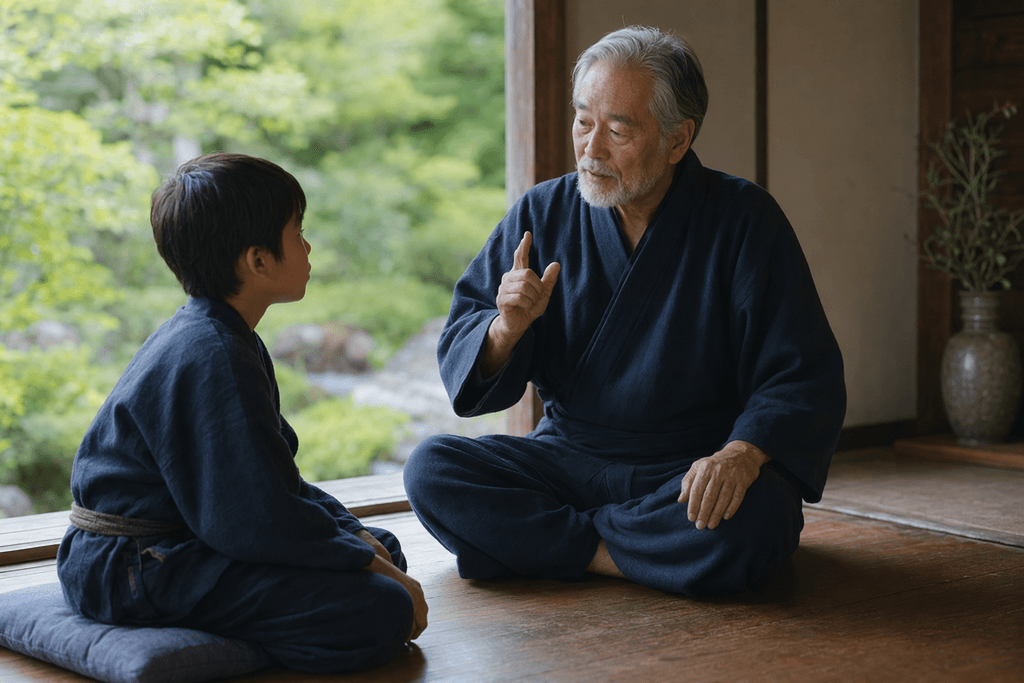
航海
航海
航海
航海
Explanation
航海
航海
航海
海上航行 / 海上旅行 / 航海活动

( Base form )
( romanization )
( hiragana )
蓄積
积累
蓄積
积累
Explanation
蓄積
积累
蓄積
积累 / 积聚 / 堆积

( Base form )
( romanization )
( hiragana )
諮る
征询
諮る
征询
Explanation
諮る
征询
諮る
征求意见 / 咨询 / 提请审议

Word Forms
The basic and commonly used forms of this verb.
Basic forms
| Form | Word form | Usage |
|---|---|---|
| Imperfective form (mizenkei) |
Alternative:
諮ろ
|
Connects to endings such as nai, reru, and seru. |
| Continuative form (renyokei) | Connects to endings such as masu, tai, and ta. | |
| Conclusive form (shushikei) | Ends a sentence and serves as the dictionary form. | |
| Attributive form (rentaikei) | Modifies a noun. | |
| Conditional form (kateikei) | Combines with ba to express a condition. | |
| Imperative form (meireikei) | Expresses a command or instruction. |
Common forms
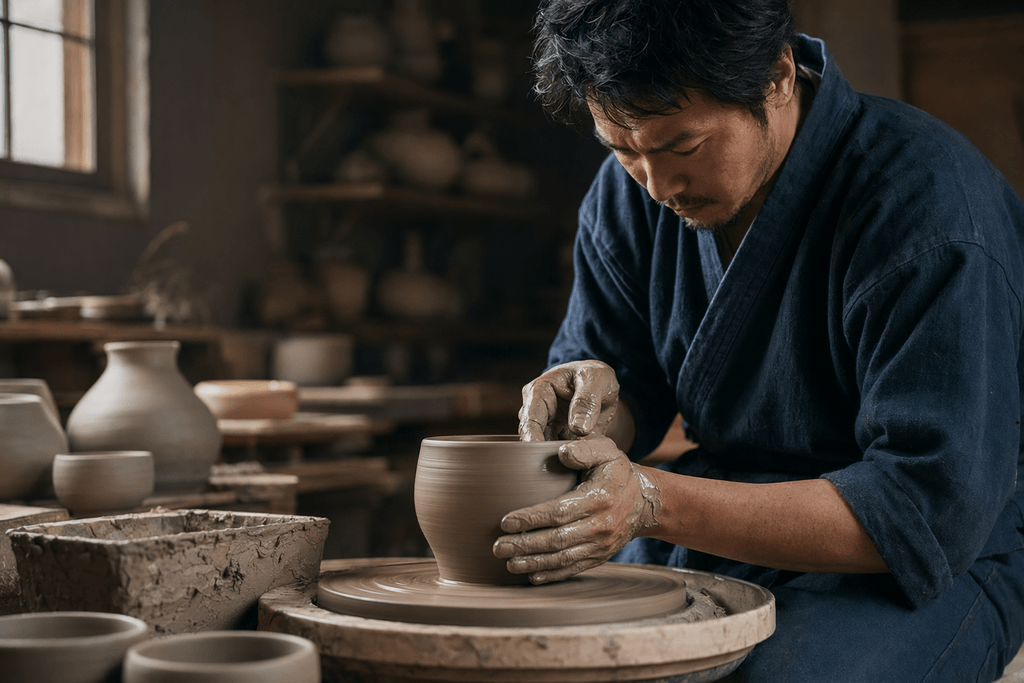
技
技艺
技
技艺
Explanation
技
技艺
技
技术 / 技巧 / 技艺
( Base form )
( romanization )
( romanization )
( hiragana )
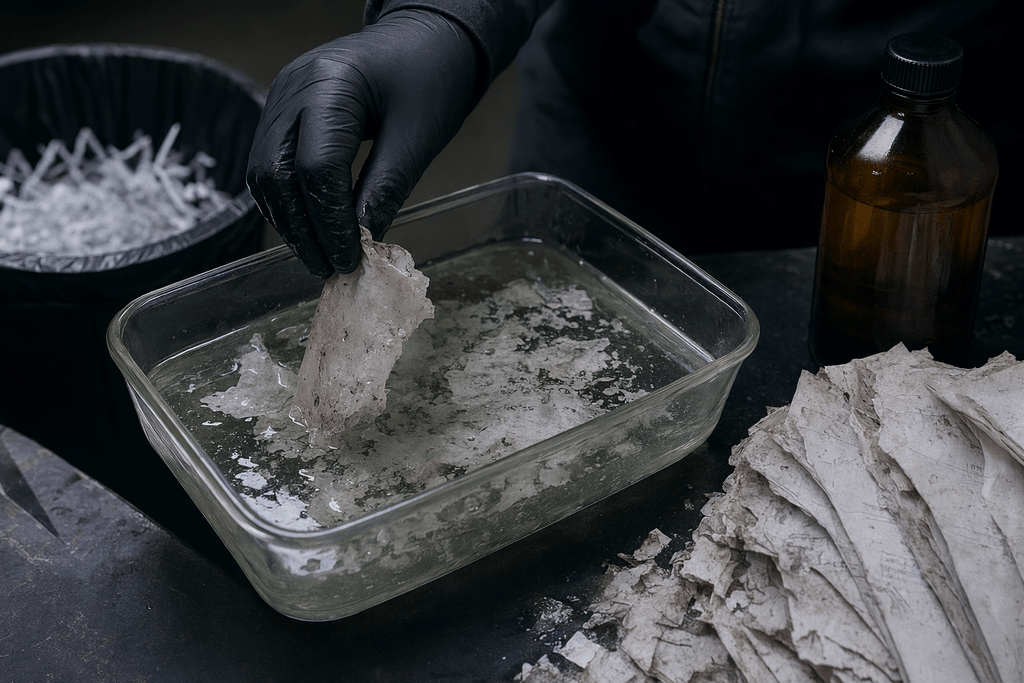
浸す
浸泡
浸す
浸泡
Explanation
浸す
浸泡
浸す
浸泡 / 浸入 / 润湿
Word Forms
The basic and commonly used forms of this verb.
Basic forms
| Form | Word form | Usage |
|---|---|---|
| Imperfective form (mizenkei) |
Alternative:
浸そ
|
Connects to endings such as nai, reru, and seru. |
| Continuative form (renyokei) | Connects to endings such as masu, tai, and ta. | |
| Conclusive form (shushikei) | Ends a sentence and serves as the dictionary form. | |
| Attributive form (rentaikei) | Modifies a noun. | |
| Conditional form (kateikei) | Combines with ba to express a condition. | |
| Imperative form (meireikei) | Expresses a command or instruction. |
Common forms
待ち遠しい
令人期待的
待ち遠しい
令人期待的
Explanation
待ち遠しい
令人期待的
待ち遠しい
盼望已久的 / 令人迫不及待的 / 令人翘首以盼的

Word Forms
The basic and commonly used forms of this adjective.
Basic forms
| Form | Word form | Usage |
|---|---|---|
| Imperfective form (mizenkei) | Used in forms such as karou; mainly literary. | |
| Continuative form (renyokei) |
Alternative:
待ち遠しかっ
|
Used in forms such as kute and kunai. |
| Conclusive form (shushikei) | Ends a sentence. | |
| Attributive form (rentaikei) | Modifies a noun. | |
| Conditional form (kateikei) | Expresses a condition with kereba. | |
| Imperative form (meireikei) | Rarely used in modern Japanese. |
Common forms
| Form | Word form | Usage |
|---|---|---|
| Te-form | Connects clauses with kute. | |
| Ta-form | Expresses the past with katta. | |
| Nai-form | Expresses negation with kunai. | |
| Ba-form | Expresses a condition with kereba. |
Notes
Loading...

JLPT N1 多言語単語帳・3032語 / JLPT N1 Multilingual Vocabulary: 3032 Words

Jonathan Waller 氏の JLPT Resources の語彙リスト・レベル分類を出典とし、CC BY の条件に従って DiQt が学習者向けに意味を作り直した3032語の単語帳です。JLPT公式の語彙リストではありません。
This collection of 3032 words is based on the vocabulary list and level classifications in Jonathan Waller’s JLPT Resources under CC BY, with meanings rewritten by DiQt for learners. It is not an official JLPT vocabulary list.
Key Operations
Select the first quiz:
Ctrl + Enter
View Explanation:Ctrl + G
Close a feedback:Esc
When selecting a quiz
Answer:Enter
Select a choice:↓ or ↑
Reading out the question:Ctrl + K
View Hint: Ctrl + M
I don't know: Ctrl + Y



