
JLPT N1 词义四选一 - Unsolved

通过四选一题目,用简体中文学习JLPT N1的3032个单词含义。
-
图表
-
投入
-
方式
-
先到
-
灯 / 坡道
-
指南
-
当面协商
-
幼苗
-
衣着
-
柔软的 / 灵活的
-
饥饿的
-
静养
-
繁荣
-
面对面
-
化学纤维
-
谋划 / 设法
-
救活 / 活用
-
带来
-
新建
-
浪费
-
姿态 / 构造
-
枯萎 / 瘪下去
-
拉起 / 撤离
-
朦胧
-
准确地 / 紧紧地
-
非常
-
彻底地
-
寒气
-
十分钟
-
同盟
尻尾
尾巴
尻尾
尾巴
Explanation
尻尾
尾巴
尻尾
动物的尾巴 / 末端;尾部 / (比喻)把柄

( Base form )
( romanization )
( counter )
( hiragana )
聴診器
听诊器
聴診器
听诊器
Explanation
聴診器
听诊器
聴診器
听诊器 / 医生用来听取心肺等内部器官声音的器械

( Base form )
( romanization )
( romanization )
( kyūjitai )
( hiragana historical )
( hiragana )
色彩
色彩
色彩
色彩
Explanation
色彩
色彩
色彩
颜色、色调 / 色相、色泽 / (比喻)风格、特色

( Base form )
( romanization )
( hiragana )
知的
智力的 / 有才智的
知的
智力的 / 有才智的
Explanation
知的
智力的 / 有才智的
知的
知性的;理智的 / 智力的;精神的 / 与知识或学术有关的

Word Forms
The basic and commonly used forms of this adjectival noun.
Basic forms
| Form | Word form | Usage |
|---|---|---|
| Imperfective form (mizenkei) |
Alternative:
知的ではあろ
知的じゃあろ
|
Used in forms such as darou. |
| Continuative form (renyokei) |
Alternative:
知的に
|
Used with de or ni. |
| Conclusive form (shushikei) |
Alternative:
知的です
知的である
|
Ends a sentence with da. |
| Attributive form (rentaikei) |
Alternative:
知的である
|
Modifies a noun with na. |
| Conditional form (kateikei) |
Alternative:
知的であれば
|
Expresses a condition with nara. |
| Imperative form (meireikei) | Used in formal expressions such as de are. |
Common forms
グレー
灰色
グレー
灰色
Explanation
灰色
グレー
灰色的 / 灰暗的 / 不明朗的(介于两者之间的)

( romanization )
( adnominal )
( adverbial )
( table-tags )
( inflection-template )
( imperfective stem )
( imperfective stem )
( continuative stem )
( continuative stem )
( stem terminative )
( stem terminative )
( attributive stem )
( attributive stem )
( hypothetical stem )
( hypothetical stem )
( Imperative stem )
( Imperative stem )
( informal negative )
( informal negative )
( informal negative )
( informal negative )
( informal Past )
( informal Past )
( informal negative Past )
( informal negative Past )
( informal negative Past )
( informal negative Past )
( formal )
( formal )
( formal negative )
( formal negative )
( formal negative )
( formal negative )
( formal Past )
( formal Past )
( formal negative Past )
( formal negative Past )
( formal negative Past )
( formal negative Past )
( conjunctive )
( conjunctive )
( Conditional )
( Conditional )
( Conditional Past )
( Conditional Past )
( volitional )
( volitional )
( adverbial )
( adverbial )
( noun-from-adj )
( noun-from-adj )
手掛ける
经手
手掛ける
经手
Explanation
手掛ける
经手
手掛ける
亲自处理;亲手操办 / 参与并负责(某项工作);管理 / 着手制作;从事

Word Forms
The basic and commonly used forms of this verb.
Basic forms
| Form | Word form | Usage |
|---|---|---|
| Imperfective form (mizenkei) | Connects to endings such as nai, reru, and seru. | |
| Continuative form (renyokei) | Connects to endings such as masu, tai, and ta. | |
| Conclusive form (shushikei) | Ends a sentence and serves as the dictionary form. | |
| Attributive form (rentaikei) | Modifies a noun. | |
| Conditional form (kateikei) | Combines with ba to express a condition. | |
| Imperative form (meireikei) |
Alternative:
手掛けよ
|
Expresses a command or instruction. |
Common forms
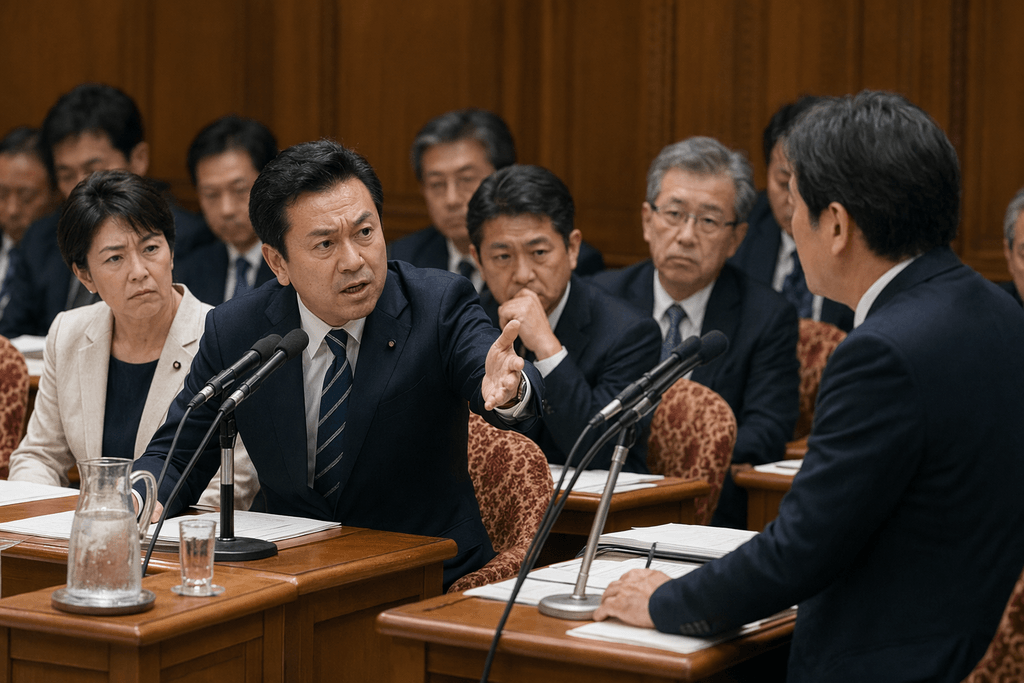
質疑
质询
質疑
质询
Explanation
質疑
质询
質疑
质询(在正式场合提出的提问) / 提问
( Base form )
( romanization )
( romanization )
( hiragana historical )
( hiragana )
免れる
免于
免れる
免于
Explanation
免れる
免于
免れる
逃脱 / 躲避 / 免于

Word Forms
The basic and commonly used forms of this verb.
Basic forms
| Form | Word form | Usage |
|---|---|---|
| Imperfective form (mizenkei) | Connects to endings such as nai, reru, and seru. | |
| Continuative form (renyokei) | Connects to endings such as masu, tai, and ta. | |
| Conclusive form (shushikei) | Ends a sentence and serves as the dictionary form. | |
| Attributive form (rentaikei) | Modifies a noun. | |
| Conditional form (kateikei) | Combines with ba to express a condition. | |
| Imperative form (meireikei) |
Alternative:
免れよ
|
Expresses a command or instruction. |
Common forms
すんなり
顺利地 / 纤细地
すんなり
顺利地 / 纤细地
Explanation
顺利地 / 纤细地
すんなり
细长,苗条 / 顺利地、顺畅地、轻易地

( romanization )
( hiragana historical )
布告
布告
布告
布告
Explanation
布告
布告
布告
官方公告;告示 / 政府宣告 / 法令

( Base form )
( romanization )
( hiragana )
Loading...

JLPT N1 多言語単語帳・3032語 / JLPT N1 Multilingual Vocabulary: 3032 Words

Jonathan Waller 氏の JLPT Resources の語彙リスト・レベル分類を出典とし、CC BY の条件に従って DiQt が学習者向けに意味を作り直した3032語の単語帳です。JLPT公式の語彙リストではありません。
This collection of 3032 words is based on the vocabulary list and level classifications in Jonathan Waller’s JLPT Resources under CC BY, with meanings rewritten by DiQt for learners. It is not an official JLPT vocabulary list.
Key Operations
Select the first quiz:
Ctrl + Enter
View Explanation:Ctrl + G
Close a feedback:Esc
When selecting a quiz
Answer:Enter
Select a choice:↓ or ↑
Reading out the question:Ctrl + K
View Hint: Ctrl + M
I don't know: Ctrl + Y



