
JLPT N1 词义四选一 - Unsolved

通过四选一题目,用简体中文学习JLPT N1的3032个单词含义。
-
摄影师 / 摄像师
-
横截面
-
晴天
-
赤脚的
-
体贴的 / 细腻的
-
明目张胆的 / 直白的
- 名詞として「空腹」のまま用いられることも多い。
- 連体用法では「空腹の」も一般的。
-
一侧
-
眼神
-
悲惨
-
内阁
-
国产
-
差事 / 使用
-
林业
-
竿
-
眼神
-
禅宗
-
儿童
-
主演
-
分子
-
谢绝
-
名册
-
支出
-
泡桐
-
忙碌
-
议决
-
征收
-
反击
-
盟誓
-
沮丧 / 下跌
-
热闹 / 兴旺
同感
同感
同感
同感
Explanation
同感
同感
同感
一致意见;意见相同 / 共鸣;相同的感受 / 同情(因感受一致)

( Base form )
( romanization )
( hiragana )
空腹
饥饿的
空腹
饥饿的
Explanation
空腹
饥饿的
空腹
饥饿的 / 空着肚子的 / 未进食的

Word Forms
The basic and commonly used forms of this adjectival noun.
Basic forms
| Form | Word form | Usage |
|---|---|---|
| Imperfective form (mizenkei) | Used in forms such as darou. | |
| Continuative form (renyokei) |
Alternative:
空腹に
|
Used with de or ni. |
| Conclusive form (shushikei) | Ends a sentence with da. | |
| Attributive form (rentaikei) |
Alternative:
空腹の
|
Modifies a noun with na. |
| Conditional form (kateikei) | Expresses a condition with nara. | |
| Imperative form (meireikei) | Used in formal expressions such as de are. |
Common forms
| Form | Word form | Usage |
|---|---|---|
| Te-form equivalent | Connects clauses using de. | |
| Ta-form | Expresses the past with datta. | |
| Nai-form |
Alternative:
空腹じゃない
|
Expresses negation with dewa nai or ja nai. |
| Desu-form | Used for polite speech. |
Notes
のきなみ
房屋成排 / 无一例外
のきなみ
房屋成排 / 无一例外
Explanation
房屋成排 / 无一例外
のきなみ
一排屋檐 / 屋檐的行列 / 各家屋檐

( romanization )
写し
副本
写し
副本
Explanation
写し
副本
写し
副本;复制品;抄本 / (法)正文(原文内容)

( Base form )
( romanization )
武力
武力
武力
武力
Explanation
武力
武力
武力
军事实力 / 武装力量 / 刀兵之力

( Base form )
( romanization )
( hiragana )
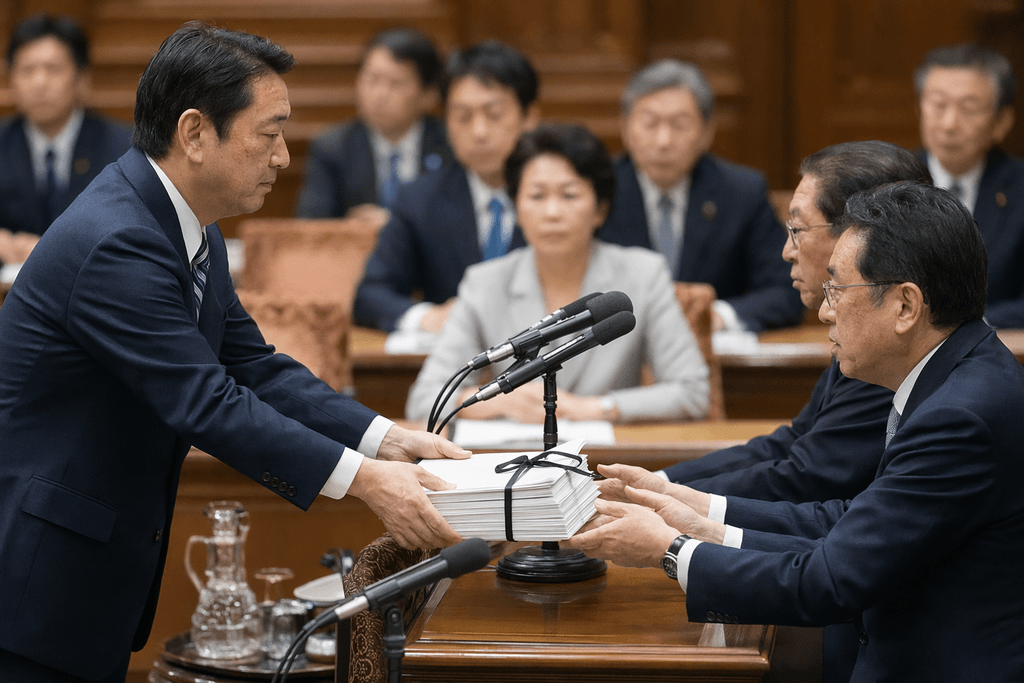
法案
法案
法案
法案
Explanation
法案
法案
法案
法律草案 / 提交立法机关审议的议案 / 尚未通过的立法提案
( Base form )
( romanization )
( hiragana )
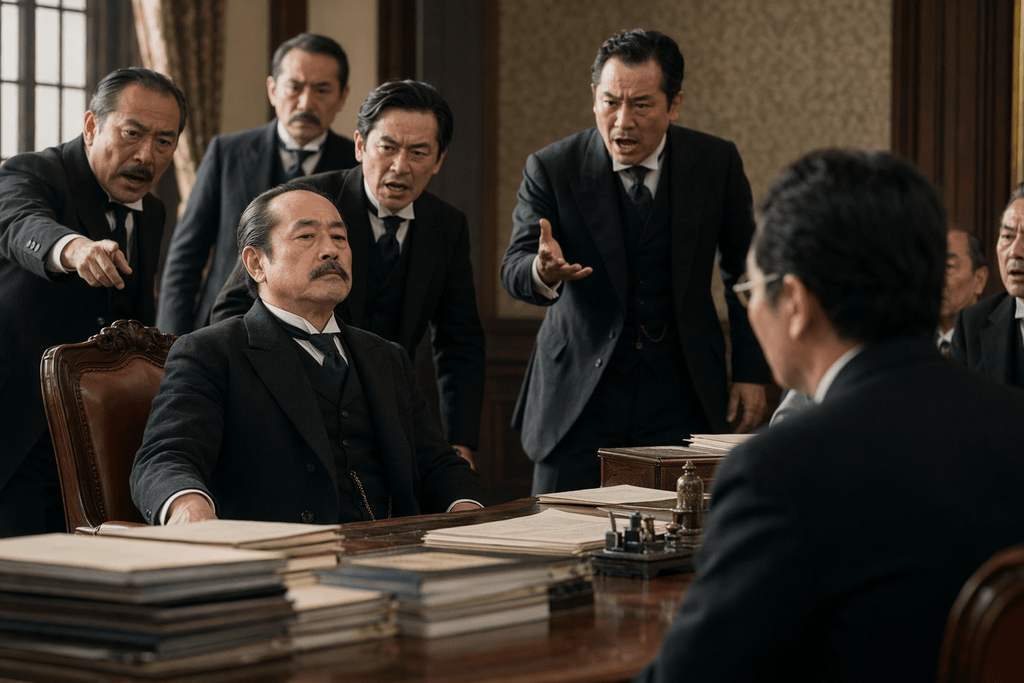
蔵相
财政大臣
蔵相
财政大臣
Explanation
蔵相
财政大臣
蔵相
(旧称)财政部长 / (日本)财政大臣(旧称)
( Base form )
( romanization )
( romanization )
( kyūjitai )
( hiragana historical )
( hiragana )
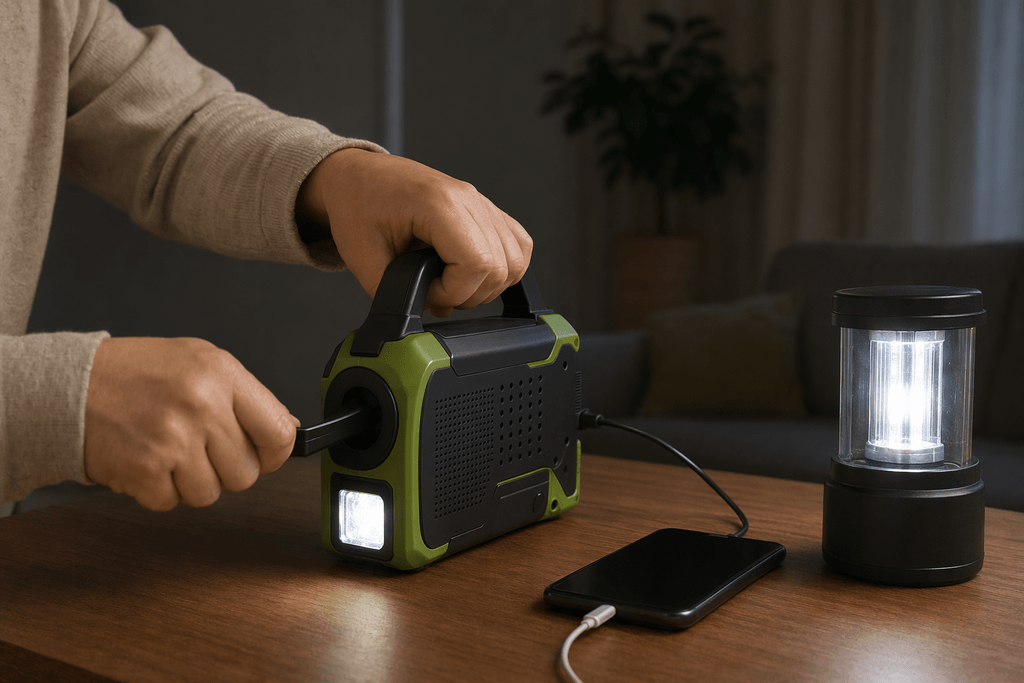
手回し
预先准备
手回し
预先准备
Explanation
手回し
预先准备
手回し
手摇 / 手动上弦 / 事先安排;准备工作
( Base form )
( romanization )
( romanization )
( hiragana historical )
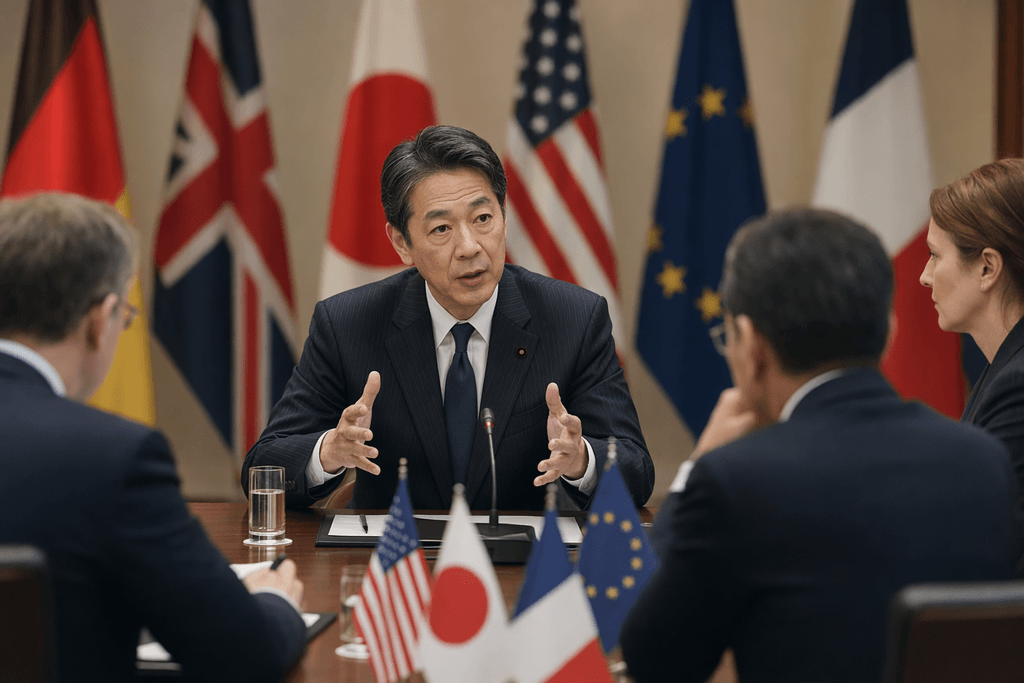
外相
外交部长
外相
外交部长
Explanation
外相
外交部长
外相
外交部长 / 外交大臣(日本) / 外务大臣(旧称)
背く
违背 / 背离
背く
违背 / 背离
Explanation
背く
违背 / 背离
背く
违背;违反 / 违抗;不顾 / 背叛;失信

Word Forms
The basic and commonly used forms of this verb.
Basic forms
| Form | Word form | Usage |
|---|---|---|
| Imperfective form (mizenkei) |
Alternative:
背こ
|
Connects to endings such as nai, reru, and seru. |
| Continuative form (renyokei) | Connects to endings such as masu, tai, and ta. | |
| Conclusive form (shushikei) | Ends a sentence and serves as the dictionary form. | |
| Attributive form (rentaikei) | Modifies a noun. | |
| Conditional form (kateikei) | Combines with ba to express a condition. | |
| Imperative form (meireikei) | Expresses a command or instruction. |
Common forms
Loading...

JLPT N1 多言語単語帳・3032語 / JLPT N1 Multilingual Vocabulary: 3032 Words

Jonathan Waller 氏の JLPT Resources の語彙リスト・レベル分類を出典とし、CC BY の条件に従って DiQt が学習者向けに意味を作り直した3032語の単語帳です。JLPT公式の語彙リストではありません。
This collection of 3032 words is based on the vocabulary list and level classifications in Jonathan Waller’s JLPT Resources under CC BY, with meanings rewritten by DiQt for learners. It is not an official JLPT vocabulary list.
Key Operations
Select the first quiz:
Ctrl + Enter
View Explanation:Ctrl + G
Close a feedback:Esc
When selecting a quiz
Answer:Enter
Select a choice:↓ or ↑
Reading out the question:Ctrl + K
View Hint: Ctrl + M
I don't know: Ctrl + Y



