
JLPT N1 词义四选一 - Unsolved

通过四选一题目,用简体中文学习JLPT N1的3032个单词含义。
-
基础
-
朴素
-
监视
-
必然
-
海峡
-
断言
-
牢骚
-
剧团
-
融资
-
沸腾
-
推进力 / 推动
-
投降
-
隶属
-
房屋成排 / 无一例外
-
折射 / 弯曲
-
权力
-
课程
-
晶体 / 结晶
-
真诚的
-
详细的
-
融洽的
-
高雅的 / 高尚的
-
反应
-
单层
-
起伏
-
完成 / 收入
-
血肉之躯
-
漂亮 / 干净
-
正当的
-
精巧的
- 「早急」はナ形容詞的に用いられる形容動詞語幹。
- 読みは一般に「さっきゅう」。慣用的に「そうきゅう」とも読まれることがある。
判決
判决
判決
判决
Explanation
判決
判决
判決
判决 / 裁定 / 量刑

( Base form )
( romanization )
( hiragana )
物体
物体
物体
物体
Explanation
物体
物体
物体
具有形状和体积的东西 / 物质的实体 / 物理对象

( Base form )
( romanization )
( kyūjitai )
( hiragana )
保険
保险
保険
保险
Explanation
保険
保险
保険
保险(指保险业务或制度) / 以防万一的保底措施;备用方案

( Base form )
( romanization )
( kyūjitai )
( hiragana )
首脳
首脑
首脳
首脑
Explanation
首脳
首脑
首脳
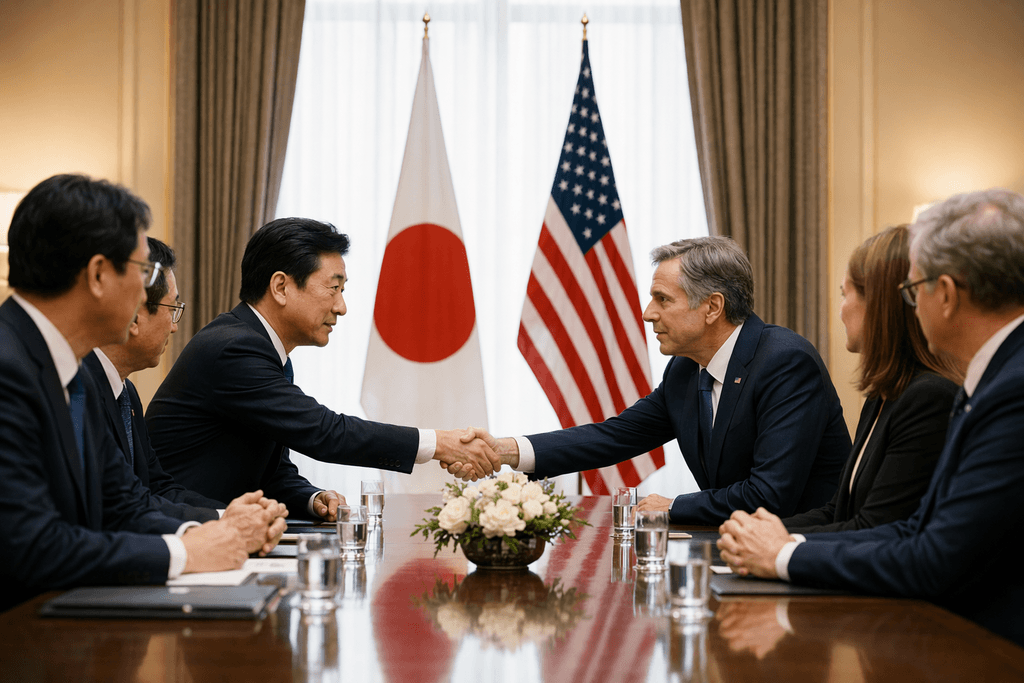
领导人 / 首脑 / 领导层
( Base form )
( romanization )
( kyūjitai )
( hiragana )
退職
离职
退職
离职
Explanation
退職
离职
退職
退休 / 辞职 / 离职

( Base form )
( romanization )
( hiragana )
申告
申报 / 报税
申告
申报 / 报税
Explanation
申告
申报 / 报税
申告
申报 / 报告

( Base form )
( romanization )
( hiragana )
まちまち
各不相同
まちまち
各不相同
Explanation
各不相同
まちまち
各不相同 / 参差不齐 / 不一致

Word Forms
The basic and commonly used forms of this adjectival noun.
Basic forms
| Form | Word form | Usage |
|---|---|---|
| Imperfective form (mizenkei) |
Alternative:
まちまちでしょ
|
Used in forms such as darou. |
| Continuative form (renyokei) |
Alternative:
まちまちに
|
Used with de or ni. |
| Conclusive form (shushikei) |
Alternative:
まちまちです
|
Ends a sentence with da. |
| Attributive form (rentaikei) |
Alternative:
まちまちの
|
Modifies a noun with na. |
| Conditional form (kateikei) | Expresses a condition with nara. | |
| Imperative form (meireikei) | Used in formal expressions such as de are. |
Common forms
出来物
疖子
出来物
疖子
Explanation
出来物
疖子
出来物
能人 / 杰出人物

( Base form )
( romanization )
( kyūjitai )
( hiragana )
討論
辩论
討論
辩论
Explanation
討論
辩论
討論
辩论 / 讨论 / 商讨

( Base form )
( romanization )
( hiragana )
早急
紧急的
早急
紧急的
Explanation
早急
紧急的
早急
紧急的 / 立即的 / 及时的

Word Forms
The basic and commonly used forms of this adjectival noun.
Basic forms
| Form | Word form | Usage |
|---|---|---|
| Imperfective form (mizenkei) |
Alternative:
早急でしょ
|
Used in forms such as darou. |
| Continuative form (renyokei) |
Alternative:
早急に
早急だっ
|
Used with de or ni. |
| Conclusive form (shushikei) | Ends a sentence with da. | |
| Attributive form (rentaikei) | Modifies a noun with na. | |
| Conditional form (kateikei) |
Alternative:
早急であれば
|
Expresses a condition with nara. |
| Imperative form (meireikei) | Used in formal expressions such as de are. |
Common forms
| Form | Word form | Usage |
|---|---|---|
| Te-form equivalent | Connects clauses using de. | |
| Ta-form |
Alternative:
早急でした
|
Expresses the past with datta. |
| Nai-form |
Alternative:
早急じゃない
|
Expresses negation with dewa nai or ja nai. |
| Desu-form | Used for polite speech. |
Notes
Loading...

JLPT N1 多言語単語帳・3032語 / JLPT N1 Multilingual Vocabulary: 3032 Words

Jonathan Waller 氏の JLPT Resources の語彙リスト・レベル分類を出典とし、CC BY の条件に従って DiQt が学習者向けに意味を作り直した3032語の単語帳です。JLPT公式の語彙リストではありません。
This collection of 3032 words is based on the vocabulary list and level classifications in Jonathan Waller’s JLPT Resources under CC BY, with meanings rewritten by DiQt for learners. It is not an official JLPT vocabulary list.
Key Operations
Select the first quiz:
Ctrl + Enter
View Explanation:Ctrl + G
Close a feedback:Esc
When selecting a quiz
Answer:Enter
Select a choice:↓ or ↑
Reading out the question:Ctrl + K
View Hint: Ctrl + M
I don't know: Ctrl + Y



