
JLPT N1 词义四选一 - Unsolved

通过四选一题目,用简体中文学习JLPT N1的3032个单词含义。
-
提示
-
特派
-
华丽
-
醒来
-
陪伴 / 符合心愿
-
腐朽
- 「化する」はサ行変格活用の複合動詞です。
-
重视
-
错过 / 放过
-
吝惜 / 惋惜
-
听觉
-
胜利
-
突破
-
转送 / 空车运行
-
负债
-
修订
-
确定下来
-
扔出去 / 半途而废
-
骄横
-
亲身体验
-
气流
-
否定
-
被埋住 / 填满
-
报道
-
写给
-
米果 / 霰
-
性交
-
篝火
-
遗失
-
压制
-
牧师
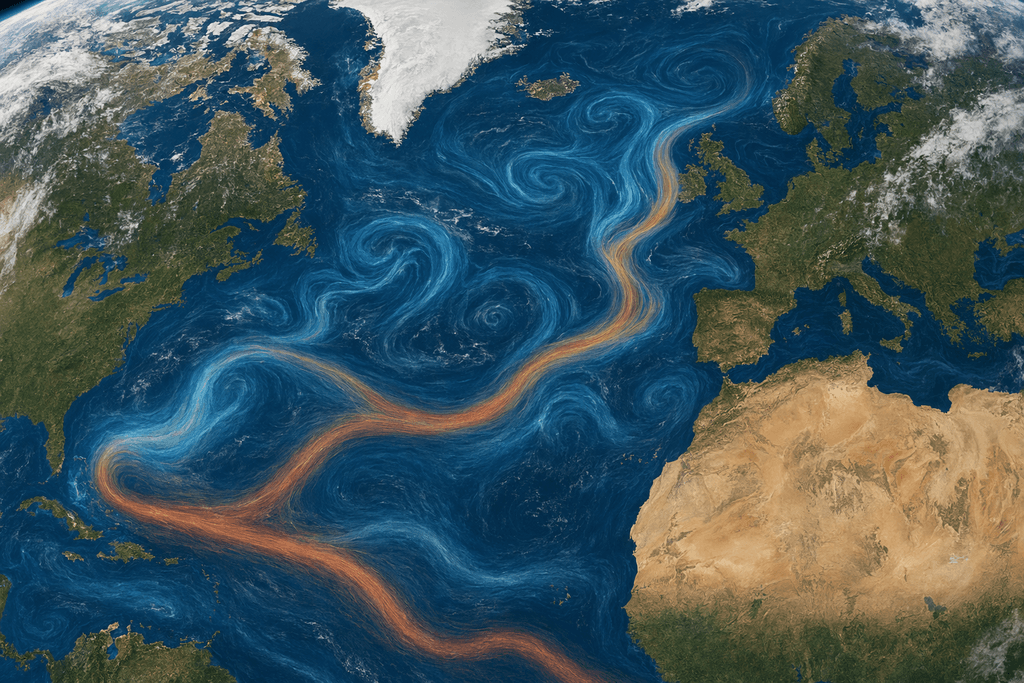
海流
洋流
海流
洋流
Explanation
海流
洋流
海流
海洋中大规模、持续的海水流动 / 受风、温盐差、地形等因素驱动的海水运动 / 海洋环流的一部分
( Base form )
( romanization )
( romanization )
( hiragana historical )
( hiragana )
化する
化为
化する
化为
Explanation
化する
化为
化する
变成 / 转化 / 转变

Word Forms
The basic and commonly used forms of this verb.
Basic forms
| Form | Word form | Usage |
|---|---|---|
| Imperfective form (mizenkei) |
Alternative:
化せ
化さ
|
Connects to endings such as nai, reru, and seru. |
| Continuative form (renyokei) | Connects to endings such as masu, tai, and ta. | |
| Conclusive form (shushikei) | Ends a sentence and serves as the dictionary form. | |
| Attributive form (rentaikei) | Modifies a noun. | |
| Conditional form (kateikei) | Combines with ba to express a condition. | |
| Imperative form (meireikei) |
Alternative:
化せよ
|
Expresses a command or instruction. |
Common forms
| Form | Word form | Usage |
|---|---|---|
| Te-form | Connects clauses with te. | |
| Ta-form | Expresses the past with ta. | |
| Nai-form | Expresses negation with nai. | |
| Masu-form | Used for polite speech. | |
| Ba-form | Expresses a condition with ba. | |
| Volitional form | Expresses intention or invitation. |
Notes
懐く
依恋
懐く
依恋
Explanation
懐く
依恋
懐く
亲近;依恋 / (动物)驯服;亲人

Word Forms
The basic and commonly used forms of this verb.
Basic forms
| Form | Word form | Usage |
|---|---|---|
| Imperfective form (mizenkei) |
Alternative:
懐こ
|
Connects to endings such as nai, reru, and seru. |
| Continuative form (renyokei) | Connects to endings such as masu, tai, and ta. | |
| Conclusive form (shushikei) | Ends a sentence and serves as the dictionary form. | |
| Attributive form (rentaikei) | Modifies a noun. | |
| Conditional form (kateikei) | Combines with ba to express a condition. | |
| Imperative form (meireikei) | Expresses a command or instruction. |
Common forms
戦闘
战斗
戦闘
战斗
Explanation
戦闘
战斗
戦闘
战斗 / 交战 / 搏斗

( Base form )
( romanization )
( kyūjitai )
( hiragana )
和文
日文
和文
日文
Explanation
和文
日文
和文
日文(日语的书面文字) / 日语文本 / 日语句子

( Base form )
( romanization )
( hiragana )
遣り通す
坚持到底
遣り通す
坚持到底
Explanation
遣り通す
坚持到底
遣り通す
坚持到底 / 贯彻始终 / 做到彻底、不半途而废

Word Forms
The basic and commonly used forms of this verb.
Basic forms
| Form | Word form | Usage |
|---|---|---|
| Imperfective form (mizenkei) |
Alternative:
遣り通そ
|
Connects to endings such as nai, reru, and seru. |
| Continuative form (renyokei) | Connects to endings such as masu, tai, and ta. | |
| Conclusive form (shushikei) | Ends a sentence and serves as the dictionary form. | |
| Attributive form (rentaikei) | Modifies a noun. | |
| Conditional form (kateikei) | Combines with ba to express a condition. | |
| Imperative form (meireikei) | Expresses a command or instruction. |
Common forms
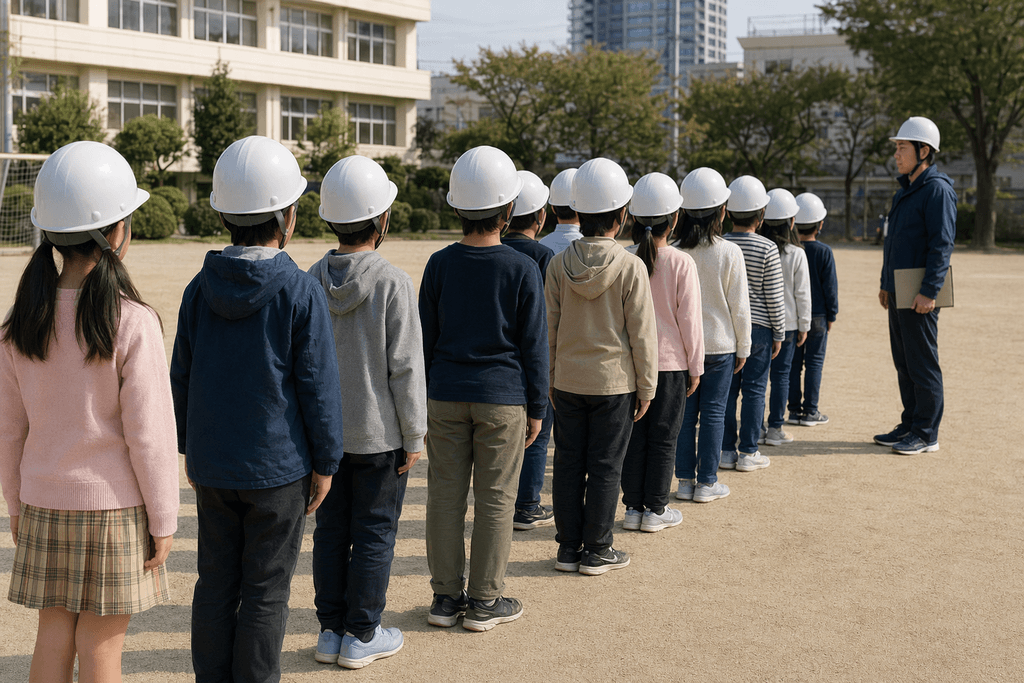
整列
列队
整列
列队
Explanation
整列
列队
整列
排列成行 / 列队 / 排齐
蕩ける
融化 / 心醉
蕩ける
融化 / 心醉
Explanation
蕩ける
融化 / 心醉
蕩ける
融化 / 变得酥软 / 陶醉

Word Forms
The basic and commonly used forms of this verb.
Basic forms
| Form | Word form | Usage |
|---|---|---|
| Imperfective form (mizenkei) | Connects to endings such as nai, reru, and seru. | |
| Continuative form (renyokei) | Connects to endings such as masu, tai, and ta. | |
| Conclusive form (shushikei) | Ends a sentence and serves as the dictionary form. | |
| Attributive form (rentaikei) | Modifies a noun. | |
| Conditional form (kateikei) | Combines with ba to express a condition. | |
| Imperative form (meireikei) |
Alternative:
蕩けよ
|
Expresses a command or instruction. |
Common forms
雑貨
杂货
雑貨
杂货
Explanation
雑貨
杂货
雑貨
杂货 / 杂项商品 / 日用杂品

( Base form )
( romanization )
( romanization )
( hiragana historical )
( hiragana )
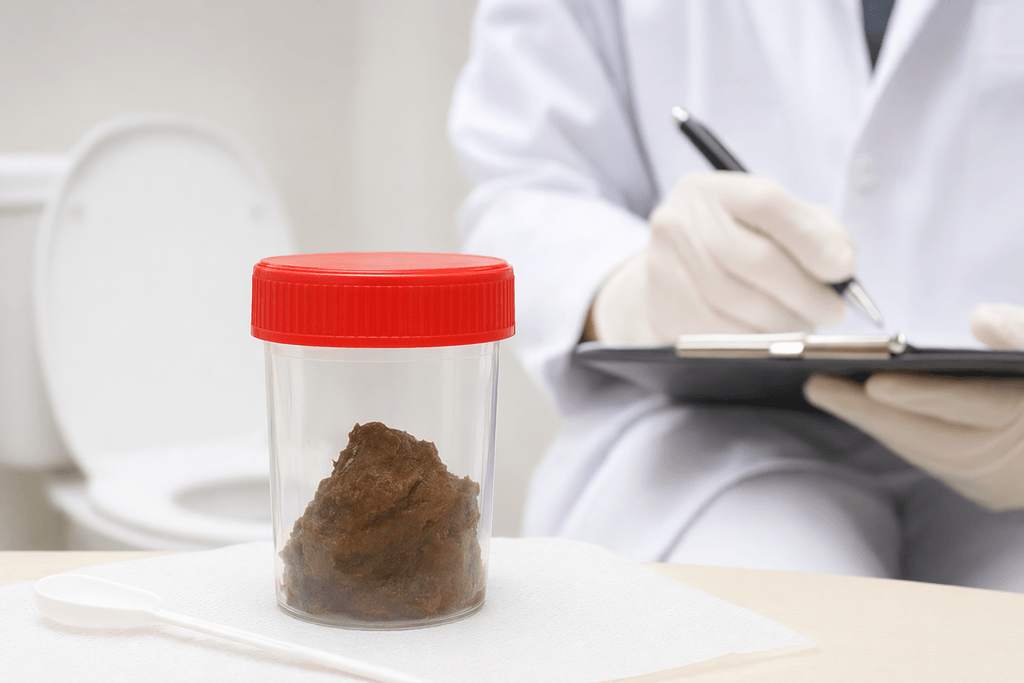
大便
粪便
大便
粪便
Explanation
大便
粪便
大便
粪便 / 屎 / 排泄物(指粪)
( Base form )
( romanization )
( hiragana )
Loading...

JLPT N1 多言語単語帳・3032語 / JLPT N1 Multilingual Vocabulary: 3032 Words

Jonathan Waller 氏の JLPT Resources の語彙リスト・レベル分類を出典とし、CC BY の条件に従って DiQt が学習者向けに意味を作り直した3032語の単語帳です。JLPT公式の語彙リストではありません。
This collection of 3032 words is based on the vocabulary list and level classifications in Jonathan Waller’s JLPT Resources under CC BY, with meanings rewritten by DiQt for learners. It is not an official JLPT vocabulary list.
Key Operations
Select the first quiz:
Ctrl + Enter
View Explanation:Ctrl + G
Close a feedback:Esc
When selecting a quiz
Answer:Enter
Select a choice:↓ or ↑
Reading out the question:Ctrl + K
View Hint: Ctrl + M
I don't know: Ctrl + Y



