
JLPT N1 词义四选一 - Unsolved

通过四选一题目,用简体中文学习JLPT N1的3032个单词含义。
-
烦人的
-
冷淡的
-
肮脏 / 恶心
-
独创
-
胯部 / 大腿
-
微粒
-
漂洗
-
弄乱 / 扰乱
-
逃走
- 「強請る」は「ねだる」の表記としての活用。ラ行五段活用。
-
订购 / 调货
-
钩住 / 设圈套
-
侵犯 / 侵害
- 「驕る」の異表記。
-
牙科
-
繁荣
-
薄弱
-
规则
-
农场
-
国家元首
-
恐吓
-
大腿
-
费事
-
弄乱 / 扰乱
-
承受
-
忍耐 / 抑制
-
询问
-
缴清 / 收好
-
缓解
-
干燥的 / 不感情用事的
-
迫切的 / 恳切的
-
优雅的
切ない
令人心酸的
切ない
令人心酸的
Explanation
切ない
令人心酸的
切ない
揪心的悲伤 / 令人心痛 / 压抑到令人窒息

Word Forms
The basic and commonly used forms of this adjective.
Basic forms
| Form | Word form | Usage |
|---|---|---|
| Imperfective form (mizenkei) | Used in forms such as karou; mainly literary. | |
| Continuative form (renyokei) |
Alternative:
切なかっ
|
Used in forms such as kute and kunai. |
| Conclusive form (shushikei) | Ends a sentence. | |
| Attributive form (rentaikei) | Modifies a noun. | |
| Conditional form (kateikei) | Expresses a condition with kereba. | |
| Imperative form (meireikei) | Rarely used in modern Japanese. |
Common forms
風車
风车
風車
风车
Explanation
風車
风车
風車
风力磨坊(利用风力的建筑) / 纸风车(随风旋转的玩具) / 比喻经济拮据、生活艰难

( Base form )
( romanization )
( hiragana )
強請る
缠着讨要
強請る
缠着讨要
Explanation
強請る
缠着讨要
強請る
央求;缠着要 / 强行索要;逼迫要求 / 勒索;敲诈

Word Forms
The basic and commonly used forms of this verb.
Basic forms
| Form | Word form | Usage |
|---|---|---|
| Imperfective form (mizenkei) |
Alternative:
強請ろ
|
Connects to endings such as nai, reru, and seru. |
| Continuative form (renyokei) | Connects to endings such as masu, tai, and ta. | |
| Conclusive form (shushikei) | Ends a sentence and serves as the dictionary form. | |
| Attributive form (rentaikei) | Modifies a noun. | |
| Conditional form (kateikei) | Combines with ba to express a condition. | |
| Imperative form (meireikei) | Expresses a command or instruction. |
Common forms
| Form | Word form | Usage |
|---|---|---|
| Te-form | Connects clauses with te. | |
| Ta-form | Expresses the past with ta. | |
| Nai-form | Expresses negation with nai. | |
| Masu-form | Used for polite speech. | |
| Ba-form | Expresses a condition with ba. | |
| Volitional form | Expresses intention or invitation. |
Notes
傲る
骄横
傲る
骄横
Explanation
傲る
骄横
傲る
骄傲自满 / 变得傲慢 / 自大

Word Forms
The basic and commonly used forms of this verb.
Basic forms
| Form | Word form | Usage |
|---|---|---|
| Imperfective form (mizenkei) |
Alternative:
傲ろ
|
Connects to endings such as nai, reru, and seru. |
| Continuative form (renyokei) |
Alternative:
傲っ
|
Connects to endings such as masu, tai, and ta. |
| Conclusive form (shushikei) | Ends a sentence and serves as the dictionary form. | |
| Attributive form (rentaikei) | Modifies a noun. | |
| Conditional form (kateikei) | Combines with ba to express a condition. | |
| Imperative form (meireikei) | Expresses a command or instruction. |
Common forms
| Form | Word form | Usage |
|---|---|---|
| Te-form | Connects clauses with te. | |
| Ta-form | Expresses the past with ta. | |
| Nai-form | Expresses negation with nai. | |
| Masu-form | Used for polite speech. | |
| Ba-form | Expresses a condition with ba. | |
| Volitional form | Expresses intention or invitation. |
Notes
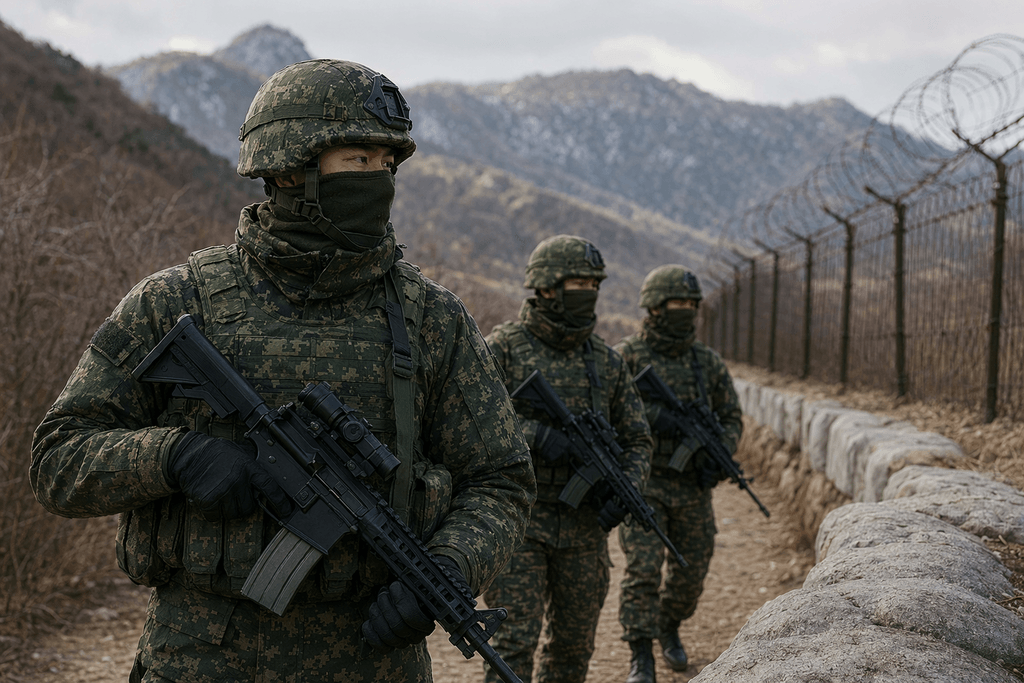
武装
武装
武装
武装
Explanation
武装
武装
武装
军备 / 武器装备 / 兵器
( Base form )
( romanization )
( hiragana )
花びら
花瓣
花びら
花瓣
Explanation
花びら
花瓣
花びら
花瓣 / 花朵的瓣片

( Base form )
( romanization )
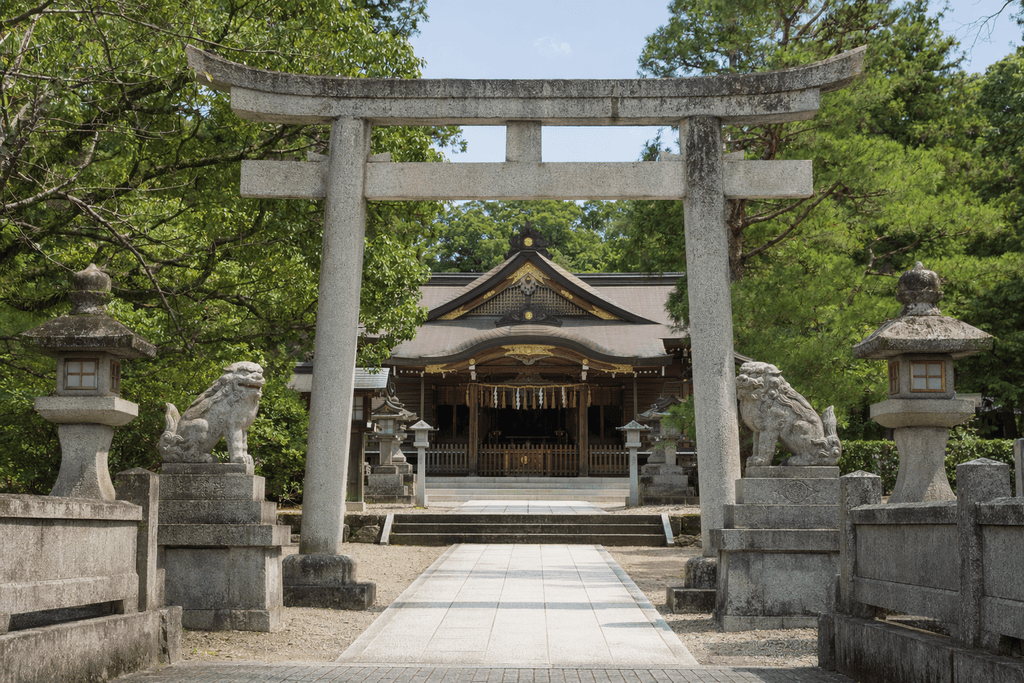
お宮
神道神社
お宮
神道神社
Explanation
お宮
神道神社
お宮
神社 / 日本神道的祭祀场所
似通う
十分相似
似通う
十分相似
Explanation
似通う
十分相似
似通う
非常相似 / 极为相像 / 颇为类似

Word Forms
The basic and commonly used forms of this verb.
Basic forms
| Form | Word form | Usage |
|---|---|---|
| Imperfective form (mizenkei) |
Alternative:
似通お
|
Connects to endings such as nai, reru, and seru. |
| Continuative form (renyokei) | Connects to endings such as masu, tai, and ta. | |
| Conclusive form (shushikei) | Ends a sentence and serves as the dictionary form. | |
| Attributive form (rentaikei) | Modifies a noun. | |
| Conditional form (kateikei) | Combines with ba to express a condition. | |
| Imperative form (meireikei) | Expresses a command or instruction. |
Common forms
折り返す
折回 / 返回
折り返す
折回 / 返回
Explanation
折り返す
折回 / 返回
折り返す
翻折;卷起 / 折返;返回

Word Forms
The basic and commonly used forms of this verb.
Basic forms
| Form | Word form | Usage |
|---|---|---|
| Imperfective form (mizenkei) |
Alternative:
折り返そ
|
Connects to endings such as nai, reru, and seru. |
| Continuative form (renyokei) | Connects to endings such as masu, tai, and ta. | |
| Conclusive form (shushikei) | Ends a sentence and serves as the dictionary form. | |
| Attributive form (rentaikei) | Modifies a noun. | |
| Conditional form (kateikei) | Combines with ba to express a condition. | |
| Imperative form (meireikei) | Expresses a command or instruction. |
Common forms
巧妙
巧妙的
巧妙
巧妙的
Explanation
巧妙
巧妙的
巧妙
精巧的 / 灵巧的 / 高明的

Word Forms
The basic and commonly used forms of this adjectival noun.
Basic forms
| Form | Word form | Usage |
|---|---|---|
| Imperfective form (mizenkei) | Used in forms such as darou. | |
| Continuative form (renyokei) |
Alternative:
巧妙に
|
Used with de or ni. |
| Conclusive form (shushikei) | Ends a sentence with da. | |
| Attributive form (rentaikei) | Modifies a noun with na. | |
| Conditional form (kateikei) | Expresses a condition with nara. | |
| Imperative form (meireikei) | Used in formal expressions such as de are. |
Common forms
Loading...

JLPT N1 多言語単語帳・3032語 / JLPT N1 Multilingual Vocabulary: 3032 Words

Jonathan Waller 氏の JLPT Resources の語彙リスト・レベル分類を出典とし、CC BY の条件に従って DiQt が学習者向けに意味を作り直した3032語の単語帳です。JLPT公式の語彙リストではありません。
This collection of 3032 words is based on the vocabulary list and level classifications in Jonathan Waller’s JLPT Resources under CC BY, with meanings rewritten by DiQt for learners. It is not an official JLPT vocabulary list.
Key Operations
Select the first quiz:
Ctrl + Enter
View Explanation:Ctrl + G
Close a feedback:Esc
When selecting a quiz
Answer:Enter
Select a choice:↓ or ↑
Reading out the question:Ctrl + K
View Hint: Ctrl + M
I don't know: Ctrl + Y



