
JLPT N1 词义四选一 - Unsolved

通过四选一题目,用简体中文学习JLPT N1的3032个单词含义。
-
偷懒
-
惶恐 / 感激
-
中止
- 複合動詞「噛み」+「切る」。後項「切る」に従う五段活用。
-
有腥味的
-
烟呛的 / 令人拘谨的
-
复杂的
- 形容詞「尊い」(とうとい)の活用。
- 命令形「尊かれ」は現代語では稀な文語的形。
-
公开发布
-
泡桐
-
本领
-
队服
-
打包
-
主人公
-
用途
-
对比
-
内阁
-
粉末
-
辩解
-
出示
-
猛烈的
-
神圣的
-
正当的
- 「固有」は名詞としても用いられ、「固有の」の形が一般的です。
-
出生
-
无能
-
当面协商
-
晴天
-
记性 / 印象
-
分子
-
人体
-
各式各样
-
经济不景气
噛み切る
咬断
噛み切る
咬断
Explanation
噛み切る
咬断
噛み切る
咬断 / 咬掉 / 咬破

Word Forms
The basic and commonly used forms of this verb.
Basic forms
| Form | Word form | Usage |
|---|---|---|
| Imperfective form (mizenkei) |
Alternative:
噛み切ろ
|
Connects to endings such as nai, reru, and seru. |
| Continuative form (renyokei) | Connects to endings such as masu, tai, and ta. | |
| Conclusive form (shushikei) | Ends a sentence and serves as the dictionary form. | |
| Attributive form (rentaikei) | Modifies a noun. | |
| Conditional form (kateikei) | Combines with ba to express a condition. | |
| Imperative form (meireikei) | Expresses a command or instruction. |
Common forms
| Form | Word form | Usage |
|---|---|---|
| Te-form | Connects clauses with te. | |
| Ta-form | Expresses the past with ta. | |
| Nai-form | Expresses negation with nai. | |
| Masu-form | Used for polite speech. | |
| Ba-form | Expresses a condition with ba. | |
| Volitional form | Expresses intention or invitation. |
Notes
尊い
珍贵 / 崇高
尊い
珍贵 / 崇高
Explanation
尊い
珍贵 / 崇高
尊い
高贵的;崇高的;神圣的 / 珍贵的;宝贵的 / (网络)令人赞叹的;美妙的;令人激动的

Word Forms
The basic and commonly used forms of this adjective.
Basic forms
| Form | Word form | Usage |
|---|---|---|
| Imperfective form (mizenkei) | Used in forms such as karou; mainly literary. | |
| Continuative form (renyokei) |
Alternative:
尊かっ
|
Used in forms such as kute and kunai. |
| Conclusive form (shushikei) | Ends a sentence. | |
| Attributive form (rentaikei) | Modifies a noun. | |
| Conditional form (kateikei) | Expresses a condition with kereba. | |
| Imperative form (meireikei) | Rarely used in modern Japanese. |
Common forms
| Form | Word form | Usage |
|---|---|---|
| Te-form | Connects clauses with kute. | |
| Ta-form | Expresses the past with katta. | |
| Nai-form | Expresses negation with kunai. | |
| Ba-form | Expresses a condition with kereba. |
Notes
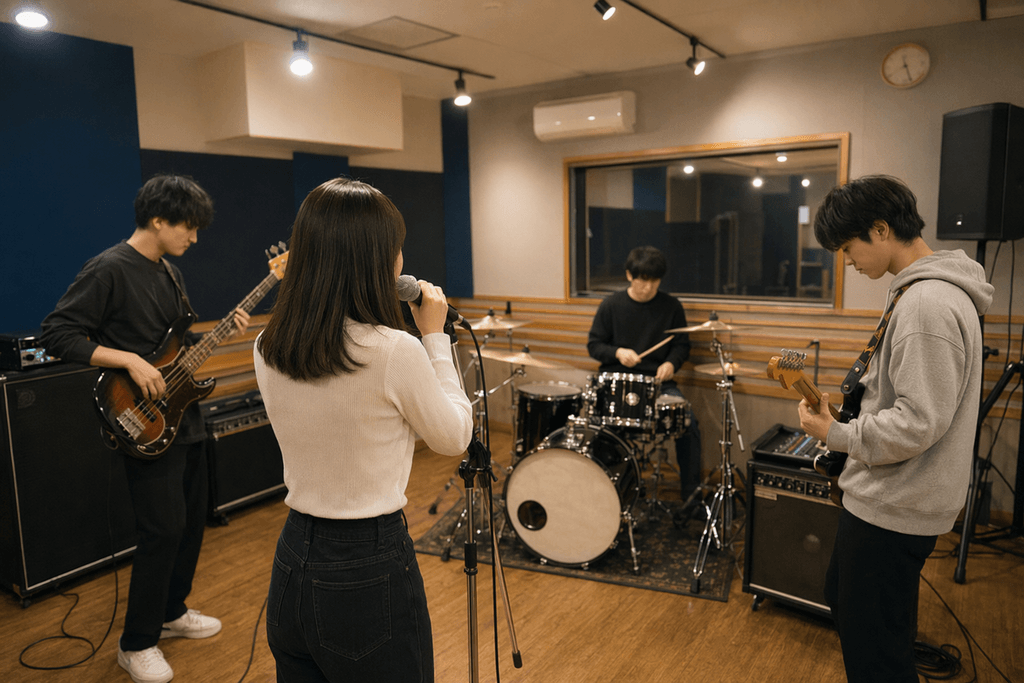
スタジオ
演播室
スタジオ
演播室
Explanation
演播室
スタジオ
录音室 / 摄影棚 / 工作室
( romanization )
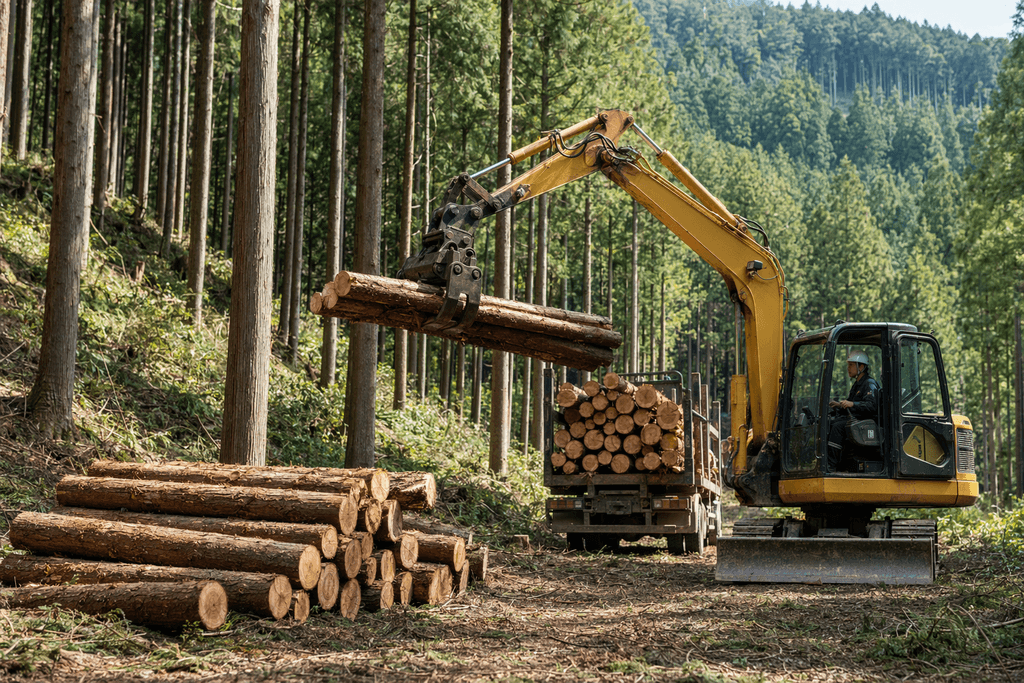
林業
林业
林業
林业
Explanation
林業
林业
林業
森林经营与管理 / 森林资源的培育、保护与利用 / 森林产业
( Base form )
( romanization )
( romanization )
( hiragana historical )
( hiragana )
所属
隶属
所属
隶属
Explanation
所属
隶属
所属
隶属关系 / 归属 / 所属单位或部门

( Base form )
( romanization )
( hiragana )
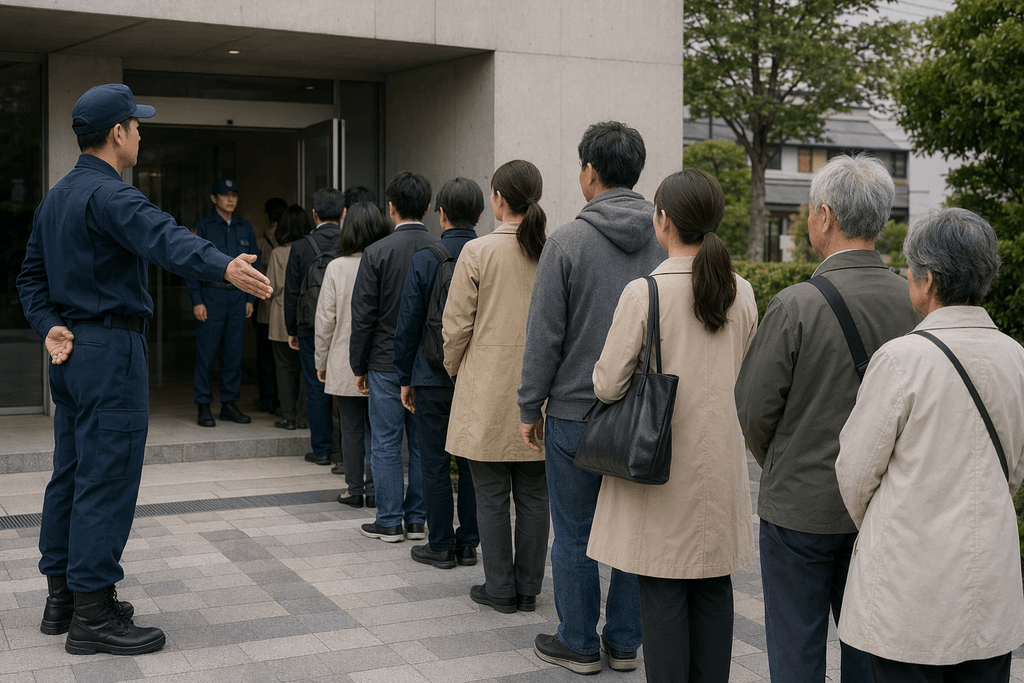
秩序
秩序
秩序
秩序
Explanation
秩序
秩序
秩序
有条理的次序或状态 / 遵循法律、礼仪的规范与秩序 / 社会运行的规则与秩序
( Base form )
( romanization )
( hiragana )
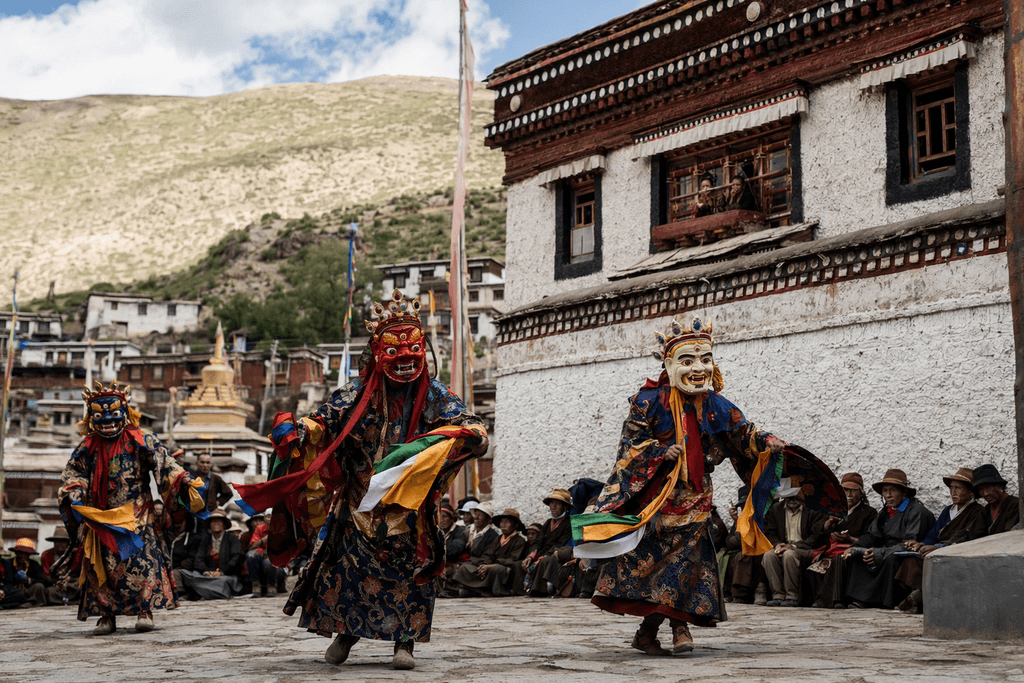
固有
固有的 / 独有的
固有
固有的 / 独有的
Explanation
固有
固有的 / 独有的
固有
固有的 / 特有的 / 本有的
Word Forms
The basic and commonly used forms of this adjectival noun.
Basic forms
| Form | Word form | Usage |
|---|---|---|
| Imperfective form (mizenkei) | Used in forms such as darou. | |
| Continuative form (renyokei) |
Alternative:
固有に
|
Used with de or ni. |
| Conclusive form (shushikei) | Ends a sentence with da. | |
| Attributive form (rentaikei) |
Alternative:
固有の
|
Modifies a noun with na. |
| Conditional form (kateikei) | Expresses a condition with nara. | |
| Imperative form (meireikei) | Used in formal expressions such as de are. |
Common forms
| Form | Word form | Usage |
|---|---|---|
| Te-form equivalent | Connects clauses using de. | |
| Ta-form | Expresses the past with datta. | |
| Nai-form |
Alternative:
固有じゃない
|
Expresses negation with dewa nai or ja nai. |
| Desu-form | Used for polite speech. |
Notes
脱出
逃脱
脱出
逃脱
Explanation
脱出
逃脱
脱出
逃脱;逃离险境 / (医学)脱垂;器官脱出

( Base form )
( romanization )
( hiragana )
取引
交易
取引
交易
Explanation
取引
交易
取引
交易 / 买卖 / 商业往来

デザイン
设计
デザイン
设计
Explanation
设计
デザイン
设计 / 外观造型;样式 / 图案

( romanization )
Loading...

JLPT N1 多言語単語帳・3032語 / JLPT N1 Multilingual Vocabulary: 3032 Words

Jonathan Waller 氏の JLPT Resources の語彙リスト・レベル分類を出典とし、CC BY の条件に従って DiQt が学習者向けに意味を作り直した3032語の単語帳です。JLPT公式の語彙リストではありません。
This collection of 3032 words is based on the vocabulary list and level classifications in Jonathan Waller’s JLPT Resources under CC BY, with meanings rewritten by DiQt for learners. It is not an official JLPT vocabulary list.
Key Operations
Select the first quiz:
Ctrl + Enter
View Explanation:Ctrl + G
Close a feedback:Esc
When selecting a quiz
Answer:Enter
Select a choice:↓ or ↑
Reading out the question:Ctrl + K
View Hint: Ctrl + M
I don't know: Ctrl + Y



