
JLPT N1 词义四选一 - Unsolved

通过四选一题目,用简体中文学习JLPT N1的3032个单词含义。
-
交换眼神 / 暂停
-
热闹 / 兴旺
-
编入
- 「報ずる」に対応する現代語形。
-
私有
-
海滩
-
误差
-
一切 / 丝毫
-
词汇
-
变动
-
实质
-
降水
-
绕道
-
媒体
-
宅邸
-
连词
-
股票
-
原油
-
铁棒 / 单杠
-
人体
-
练习 / 军事演习
-
更胜一筹
-
憎恨
-
真心
-
转送 / 空车运行
-
撒开 / 大把分发
-
融化 / 心醉
-
告知
-
变动
-
华丽
-
上一代
報じる
报道
報じる
报道
Explanation
報じる
报道
報じる
报道;告知 / 报答;回报

Word Forms
The basic and commonly used forms of this verb.
Basic forms
| Form | Word form | Usage |
|---|---|---|
| Imperfective form (mizenkei) | Connects to endings such as nai, reru, and seru. | |
| Continuative form (renyokei) | Connects to endings such as masu, tai, and ta. | |
| Conclusive form (shushikei) | Ends a sentence and serves as the dictionary form. | |
| Attributive form (rentaikei) | Modifies a noun. | |
| Conditional form (kateikei) | Combines with ba to express a condition. | |
| Imperative form (meireikei) |
Alternative:
報じよ
|
Expresses a command or instruction. |
Common forms
| Form | Word form | Usage |
|---|---|---|
| Te-form | Connects clauses with te. | |
| Ta-form | Expresses the past with ta. | |
| Nai-form | Expresses negation with nai. | |
| Masu-form | Used for polite speech. | |
| Ba-form | Expresses a condition with ba. | |
| Volitional form | Expresses intention or invitation. |
Notes
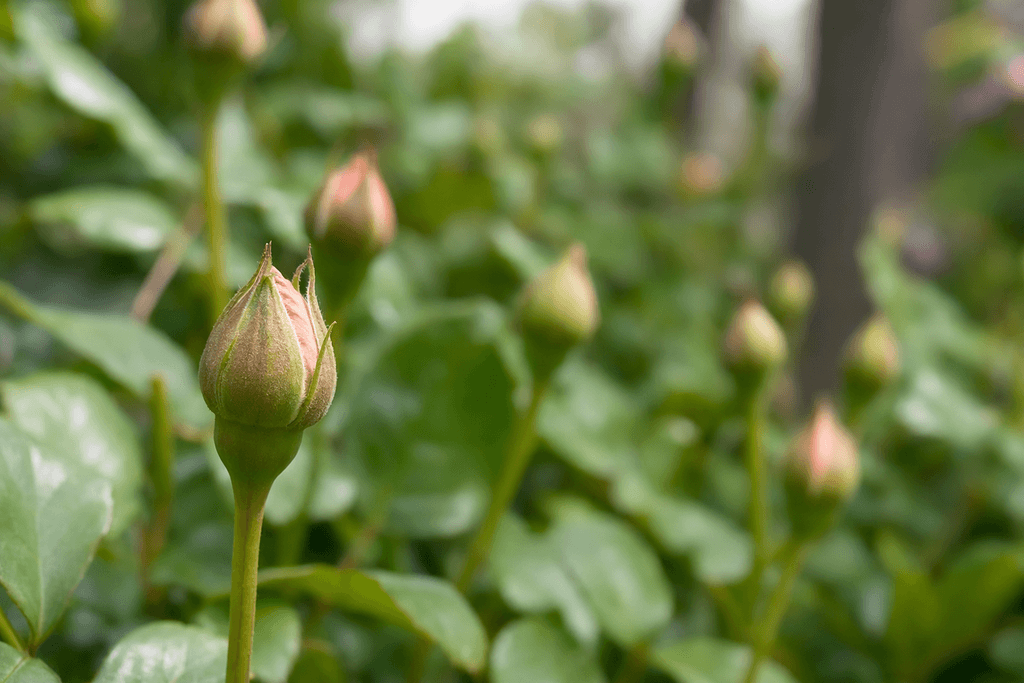
蕾
花蕾
蕾
花蕾
Explanation
蕾
花蕾
蕾
花朵未开时的芽 / 比喻尚未成熟或刚萌发的事物
( romanization )
( hiragana )
返還
归还
返還
归还
Explanation
返還
归还
返還
归还 / 返还给原主(权利、领土等的移交) / 恢复原有权属

( Base form )
( romanization )
( romanization )
( hiragana historical )
( hiragana )
配列
排列
配列
排列
Explanation
配列
排列
配列
排列;布置;对齐 / (数学、编程)数组;表格 / (遗传学)序列(DNA)

( Base form )
( romanization )
( hiragana )
スペース
空间
スペース
空间
Explanation
空间
スペース
空间、区域、余地 / (排版)空格、字间距 / 外太空

( romanization )
ジャンプ
跳跃
ジャンプ
跳跃
Explanation
跳跃
ジャンプ
跳跃 / 跃起

( romanization )
享受
享受
享受
享受
Explanation
享受
享受
享受
受领;接受 / 享有(权利、利益等) / 被给予;受惠

( Base form )
( romanization )
( hiragana )
アルカリ
碱
アルカリ
碱
Explanation
碱
アルカリ
碱 / 碱类物质 / 腐蚀性强的碱性物质

( romanization )
傾ける
倾斜 / 倾注
傾ける
倾斜 / 倾注
Explanation
傾ける
倾斜 / 倾注
傾ける
使倾斜 / 使侧倾 / 使偏斜

Word Forms
The basic and commonly used forms of this verb.
Basic forms
| Form | Word form | Usage |
|---|---|---|
| Imperfective form (mizenkei) | Connects to endings such as nai, reru, and seru. | |
| Continuative form (renyokei) | Connects to endings such as masu, tai, and ta. | |
| Conclusive form (shushikei) | Ends a sentence and serves as the dictionary form. | |
| Attributive form (rentaikei) | Modifies a noun. | |
| Conditional form (kateikei) | Combines with ba to express a condition. | |
| Imperative form (meireikei) |
Alternative:
傾けよ
|
Expresses a command or instruction. |
Common forms
要望
诉求
要望
诉求
Explanation
要望
诉求
要望
请求;要求(希望对方做某事) / 诉求;期望

( Base form )
( romanization )
( hiragana )
Loading...

JLPT N1 多言語単語帳・3032語 / JLPT N1 Multilingual Vocabulary: 3032 Words

Jonathan Waller 氏の JLPT Resources の語彙リスト・レベル分類を出典とし、CC BY の条件に従って DiQt が学習者向けに意味を作り直した3032語の単語帳です。JLPT公式の語彙リストではありません。
This collection of 3032 words is based on the vocabulary list and level classifications in Jonathan Waller’s JLPT Resources under CC BY, with meanings rewritten by DiQt for learners. It is not an official JLPT vocabulary list.
Key Operations
Select the first quiz:
Ctrl + Enter
View Explanation:Ctrl + G
Close a feedback:Esc
When selecting a quiz
Answer:Enter
Select a choice:↓ or ↑
Reading out the question:Ctrl + K
View Hint: Ctrl + M
I don't know: Ctrl + Y



