
JLPT N2 แบบฝึกหัดความหมายคำศัพท์ - Unsolved

เรียนรู้ความหมายภาษาไทยของคำศัพท์ JLPT N2 จำนวน 1790 คำด้วยคำถามแบบ 4 ตัวเลือก
-
น้ำเสีย / ท่อระบายน้ำ
-
วันหยุดนักขัตฤกษ์
-
การเฝ้าบ้าน
-
เย็บ
-
สืบหา / คลำหา
-
รับผิดชอบดูแล
-
ความอ่อนน้อม
-
หลักการพื้นฐาน
-
ชุดตั๋วหลายเที่ยว
-
อิจฉา
-
เสียบ
-
ตะโกนใส่
-
หลักการพื้นฐาน
-
การเก็บภาษี
-
คำสุภาพยกย่อง
-
ขั้วโลกใต้ / แถบแอนตาร์กติก
-
การไหลเวียน / วงจร
-
การกำหนด / การระบุ
-
ละเลย
-
เหลาออก / ลดทอน
-
บดขยี้ / ฆ่าเวลา
-
อากาศแจ่มใส
-
ชั้นเรียนสัมมนา
-
ห้องเก็บของ
-
ชน / ถึงสุดทาง
-
มัด / ผูกมัด
-
เชื่อมต่อ
-
ยาสีฟัน / การแปรงฟัน
-
บริเวณมหาวิทยาลัย
-
ไฮโดรเจน
落第
การสอบตก / การสอบตกชั้น
落第
การสอบตก / การสอบตกชั้น
Explanation
落第
การสอบตก / การสอบตกชั้น
落第
การสอบตก / การไม่ผ่านการเลื่อนชั้นหรือจบการศึกษา

( Base form )
( romanization )
( hiragana )
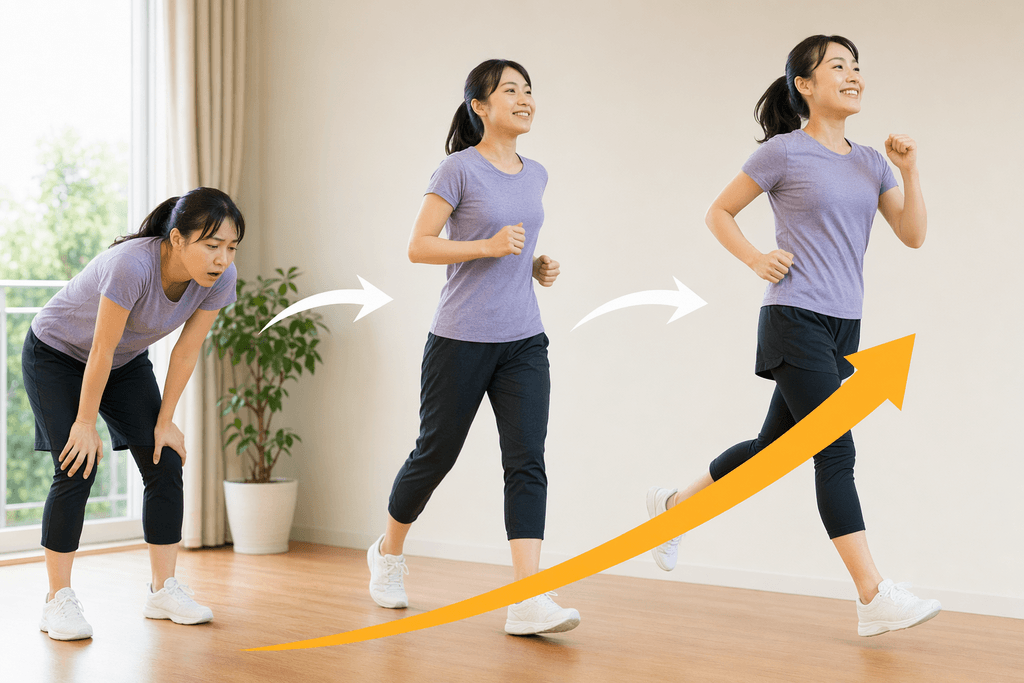
高める
ยกระดับ / เสริม
高める
ยกระดับ / เสริม
Explanation
高める
ยกระดับ / เสริม
高める
ยกขึ้น, ทำให้สูงขึ้น / เพิ่มระดับ, ทำให้มากขึ้น / ยกระดับ, ปรับปรุงให้ดีขึ้น
Word Forms
The basic and commonly used forms of this verb.
Basic forms
| Form | Word form | Usage |
|---|---|---|
| Imperfective form (mizenkei) | Connects to endings such as nai, reru, and seru. | |
| Continuative form (renyokei) | Connects to endings such as masu, tai, and ta. | |
| Conclusive form (shushikei) | Ends a sentence and serves as the dictionary form. | |
| Attributive form (rentaikei) | Modifies a noun. | |
| Conditional form (kateikei) | Combines with ba to express a condition. | |
| Imperative form (meireikei) |
Alternative:
高めよ
|
Expresses a command or instruction. |
Common forms
紙幣
ธนบัตร
紙幣
ธนบัตร
Explanation
紙幣
ธนบัตร
紙幣
ธนบัตร / แบงก์ / เงินกระดาษ

( Base form )
( romanization )
( hiragana )
渇く
กระหายน้ำ
渇く
กระหายน้ำ
Explanation
渇く
กระหายน้ำ
渇く
กระหายน้ำ / รู้สึกคอแห้งเพราะอยากดื่มน้ำ

Word Forms
The basic and commonly used forms of this verb.
Basic forms
| Form | Word form | Usage |
|---|---|---|
| Imperfective form (mizenkei) |
Alternative:
渇こ
|
Connects to endings such as nai, reru, and seru. |
| Continuative form (renyokei) | Connects to endings such as masu, tai, and ta. | |
| Conclusive form (shushikei) | Ends a sentence and serves as the dictionary form. | |
| Attributive form (rentaikei) | Modifies a noun. | |
| Conditional form (kateikei) | Combines with ba to express a condition. | |
| Imperative form (meireikei) | Expresses a command or instruction. |
Common forms
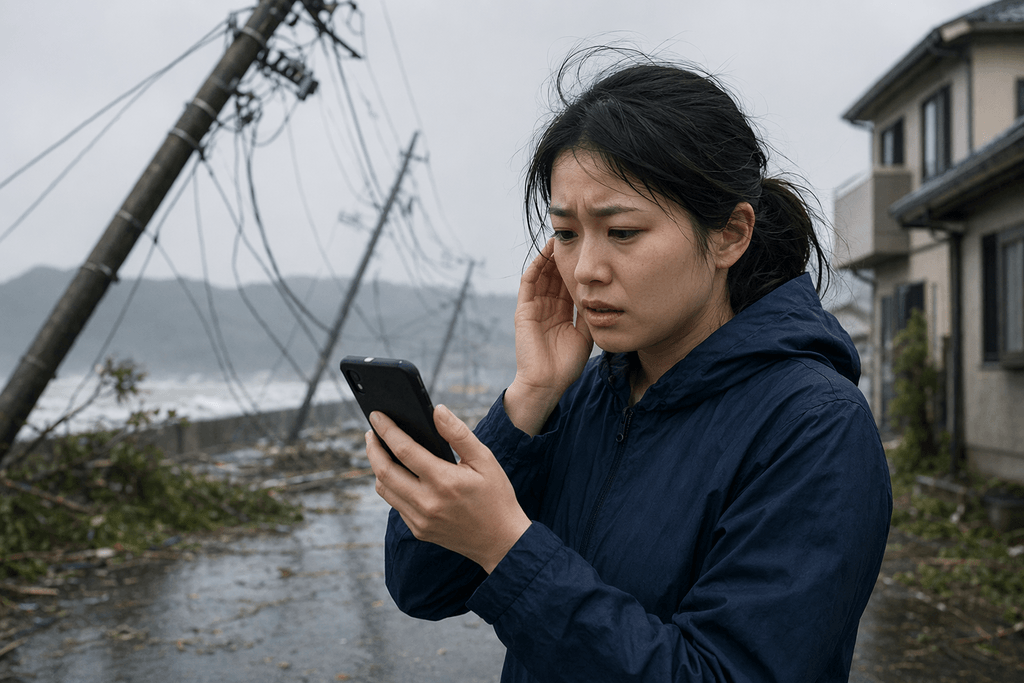
不通
การหยุดให้บริการ
不通
การหยุดให้บริการ
Explanation
不通
การหยุดให้บริการ
不通
การหยุดชะงัก / การขาดตอน / การหยุดยั้ง
( Base form )
( romanization )
( hiragana )
住居
ที่อยู่อาศัย
住居
ที่อยู่อาศัย
Explanation
住居
ที่อยู่อาศัย
住居
ที่อยู่อาศัย / บ้านหรือที่พักอาศัย / ที่พัก/เคหะ

( Base form )
( romanization )
( hiragana )
探る
สืบหา / คลำหา
探る
สืบหา / คลำหา
Explanation
探る
สืบหา / คลำหา
探る
สืบหา / สำรวจ / หยั่งดู

Word Forms
The basic and commonly used forms of this verb.
Basic forms
| Form | Word form | Usage |
|---|---|---|
| Imperfective form (mizenkei) |
Alternative:
探ろ
|
Connects to endings such as nai, reru, and seru. |
| Continuative form (renyokei) | Connects to endings such as masu, tai, and ta. | |
| Conclusive form (shushikei) | Ends a sentence and serves as the dictionary form. | |
| Attributive form (rentaikei) | Modifies a noun. | |
| Conditional form (kateikei) | Combines with ba to express a condition. | |
| Imperative form (meireikei) | Expresses a command or instruction. |
Common forms
投書
จดหมายถึงบรรณาธิการ
投書
จดหมายถึงบรรณาธิการ
Explanation
投書
จดหมายถึงบรรณาธิการ
投書
จดหมายถึงบรรณาธิการ / จดหมายประท้วง / จดหมายร้องเรียน

( Base form )
( romanization )
( stem )
( Past )
( table-tags )
( inflection-template )
( imperfective stem )
( imperfective stem )
( imperfective )
( continuative stem )
( continuative stem )
( continuative )
( stem terminative )
( stem terminative )
( terminative )
( attributive stem )
( attributive stem )
( attributive )
( hypothetical stem )
( hypothetical stem )
( hypothetical )
( Imperative literary stem )
( colloquial Imperative stem )
( Imperative literary stem )
( colloquial Imperative stem )
( Imperative literary )
( colloquial Imperative )
( Passive voice )
( Passive voice )
( Passive voice )
( causative )
( causative )
( causative )
( causative )
( causative )
( causative )
( potential )
( potential )
( potential )
( volitional )
( volitional )
( volitional )
( negative )
( negative )
( negative )
( continuative negative )
( continuative negative )
( continuative negative )
( formal )
( formal )
( formal )
( perfective )
( perfective )
( perfective )
( conjunctive )
( conjunctive )
( conjunctive )
( Conditional hypothetical )
( Conditional hypothetical )
( Conditional hypothetical )
倣う
ทำตามแบบอย่าง
倣う
ทำตามแบบอย่าง
Explanation
倣う
ทำตามแบบอย่าง
倣う
เลียนแบบ / เอาอย่าง / ทำตาม

Word Forms
The basic and commonly used forms of this verb.
Basic forms
| Form | Word form | Usage |
|---|---|---|
| Imperfective form (mizenkei) |
Alternative:
倣お
|
Connects to endings such as nai, reru, and seru. |
| Continuative form (renyokei) | Connects to endings such as masu, tai, and ta. | |
| Conclusive form (shushikei) | Ends a sentence and serves as the dictionary form. | |
| Attributive form (rentaikei) | Modifies a noun. | |
| Conditional form (kateikei) | Combines with ba to express a condition. | |
| Imperative form (meireikei) | Expresses a command or instruction. |
Common forms
民間
ภาคเอกชน / พลเรือน
民間
ภาคเอกชน / พลเรือน
Explanation
民間
ภาคเอกชน / พลเรือน
民間
ภาคเอกชน / ภาคประชาชน / ที่ไม่ใช่ของรัฐบาล

( Base form )
( romanization )
( hiragana )
Loading...

JLPT N2 多言語単語帳・1790語 / JLPT N2 Multilingual Vocabulary: 1790 Words

Jonathan Waller 氏の JLPT Resources の語彙リスト・レベル分類を出典とし、CC BY の条件に従って DiQt が学習者向けに意味を作り直した1790語の単語帳です。JLPT公式の語彙リストではありません。
This collection of 1790 words is based on the vocabulary list and level classifications in Jonathan Waller’s JLPT Resources under CC BY, with meanings rewritten by DiQt for learners. It is not an official JLPT vocabulary list.
Key Operations
Select the first quiz:
Ctrl + Enter
View Explanation:Ctrl + G
Close a feedback:Esc
When selecting a quiz
Answer:Enter
Select a choice:↓ or ↑
Reading out the question:Ctrl + K
View Hint: Ctrl + M
I don't know: Ctrl + Y



