
JLPT N5 වචන අර්ථ පුහුණුව - Unsolved

පිළිතුරු විකල්ප හතරක් ඇති ප්රශ්න මඟින් JLPT N5 වචන 665ක අර්ථ සිංහලෙන් ඉගෙන ගන්න.
-
වලාකුළු පිරෙනවා
-
වැහෙනවා
-
කතා කරනවා
-
බඩ
-
සංචාරය
-
කණ්ණාඩි
-
බටහිර
-
පිරිසිදු කිරීම
-
විදුලිය / විදුලි එළිය
-
ළඟා වෙනවා
-
තබනවා
-
වහනවා
-
සැර
-
ඕනෑ
-
හුරුබුහුටි
- 「痛い」はイ形容詞。俗用として「イタい」(見ていて恥ずかしい・痛々しい)の意味でも用いられるが、活用は同じ。
-
වැසිකිළිය
-
කෑම කූරු
-
අඩක්
-
නගිනවා
-
අමාරුවේ වැටෙනවා
-
විකුණනවා
-
ආපසු දෙනවා
-
අහස පැහැදිලි වෙනවා
-
හිටගන්නවා
-
දින දහයක් / මාසයේ දසවැනිදා
-
විවේකය / නිවාඩුව
-
කන්ද
-
ගුවන් යානය
-
ග්රැමෆෝන් තැටිය
-
තොප්පිය
やる
කරනවා
やる
කරනවා
Explanation
කරනවා
やる
කරනවා / රඟපානවා / ප්රසංග කරණවා / දෙනවා හෝ යවනවා (පහත් අයෙකුට/සත්වයට)

Word Forms
The basic and commonly used forms of this verb.
Basic forms
| Form | Word form | Usage |
|---|---|---|
| Imperfective form (mizenkei) |
Alternative:
やろ
|
Connects to endings such as nai, reru, and seru. |
| Continuative form (renyokei) |
Alternative:
やっ
|
Connects to endings such as masu, tai, and ta. |
| Conclusive form (shushikei) | Ends a sentence and serves as the dictionary form. | |
| Attributive form (rentaikei) | Modifies a noun. | |
| Conditional form (kateikei) | Combines with ba to express a condition. | |
| Imperative form (meireikei) | Expresses a command or instruction. |
Common forms
昼ご飯
දවල් ආහාරය
昼ご飯
දවල් ආහාරය
Explanation
昼ご飯
දවල් ආහාරය
昼ご飯
දවල් ආහාරය / මධ්යහ්න ආහාරය / දවල් බත්

( Base form )
( romanization )
( hiragana )
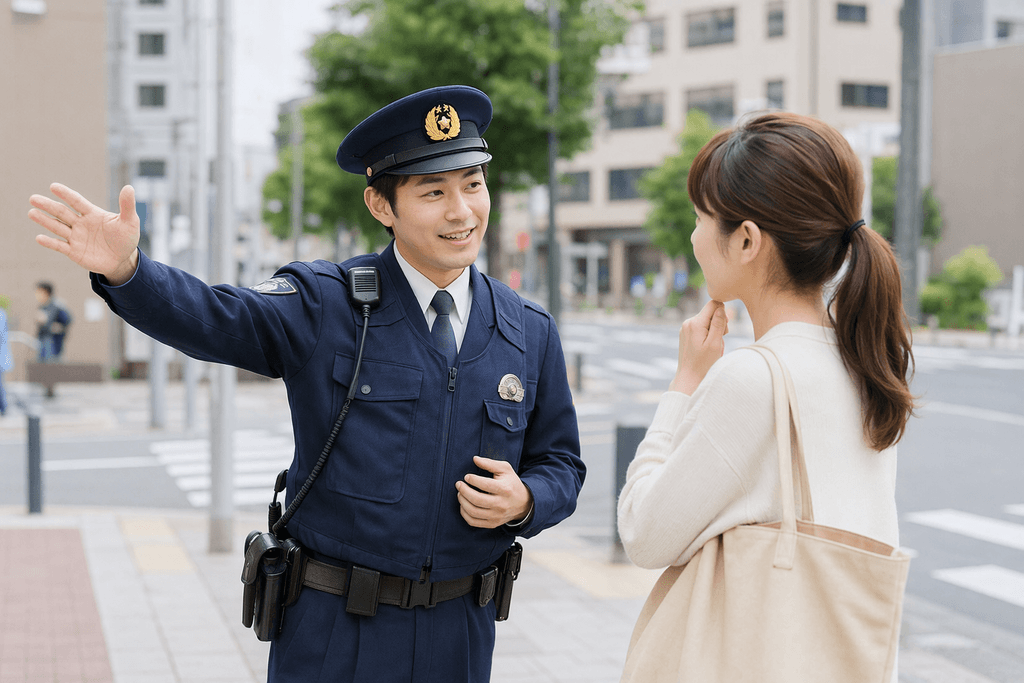
お巡りさん
පොලිස් නිලධාරියා
お巡りさん
පොලිස් නිලධාරියා
Explanation
お巡りさん
පොලිස් නිලධාරියා
お巡りさん
පොලිස් නිලධාරියා / පොලිස්කාරයා / පොලිස් නිලධාරිනිය
( romanization )
返す
ආපසු දෙනවා
返す
ආපසු දෙනවා
Explanation
返す
ආපසු දෙනවා
返す
ආපසු දෙන්න / ආපසු යවන්න / පිළිතුරු දෙන්න

Word Forms
The basic and commonly used forms of this verb.
Basic forms
| Form | Word form | Usage |
|---|---|---|
| Imperfective form (mizenkei) |
Alternative:
返そ
|
Connects to endings such as nai, reru, and seru. |
| Continuative form (renyokei) | Connects to endings such as masu, tai, and ta. | |
| Conclusive form (shushikei) | Ends a sentence and serves as the dictionary form. | |
| Attributive form (rentaikei) | Modifies a noun. | |
| Conditional form (kateikei) | Combines with ba to express a condition. | |
| Imperative form (meireikei) | Expresses a command or instruction. |
Common forms
痛い
වේදනාකාරී
痛い
වේදනාකාරී
Explanation
痛い
වේදනාකාරී
痛い
වේදනාකාරී; රිදෙන / (ස්ලැං) ලැජ්ජාවකාරී; අමුතු ලෙස අපහසු / කම්පාවෙන්/අපහසු ලෙස දැනෙන

Word Forms
The basic and commonly used forms of this adjective.
Basic forms
| Form | Word form | Usage |
|---|---|---|
| Imperfective form (mizenkei) | Used in forms such as karou; mainly literary. | |
| Continuative form (renyokei) |
Alternative:
痛かっ
|
Used in forms such as kute and kunai. |
| Conclusive form (shushikei) | Ends a sentence. | |
| Attributive form (rentaikei) | Modifies a noun. | |
| Conditional form (kateikei) | Expresses a condition with kereba. | |
| Imperative form (meireikei) | Rarely used in modern Japanese. |
Common forms
| Form | Word form | Usage |
|---|---|---|
| Te-form | Connects clauses with kute. | |
| Ta-form | Expresses the past with katta. | |
| Nai-form | Expresses negation with kunai. | |
| Ba-form | Expresses a condition with kereba. |
Notes
前
ඉදිරියේ / පෙර
前
ඉදිරියේ / පෙර
Explanation
前
ඉදිරියේ / පෙර
前
ඉදිරිය / පෙර / මුහුණට (ඉදිරියට)

飲む
බොනවා
飲む
බොනවා
Explanation
飲む
බොනවා
飲む
බීම (පානය කිරීම) / මත්පැන් පානය කිරීම / ඖෂධ ගන්නා/පානය කිරීම

Word Forms
The basic and commonly used forms of this verb.
Basic forms
| Form | Word form | Usage |
|---|---|---|
| Imperfective form (mizenkei) |
Alternative:
飲も
|
Connects to endings such as nai, reru, and seru. |
| Continuative form (renyokei) | Connects to endings such as masu, tai, and ta. | |
| Conclusive form (shushikei) | Ends a sentence and serves as the dictionary form. | |
| Attributive form (rentaikei) | Modifies a noun. | |
| Conditional form (kateikei) | Combines with ba to express a condition. | |
| Imperative form (meireikei) | Expresses a command or instruction. |
Common forms
疲れる
වෙහෙසට පත් වෙනවා
疲れる
වෙහෙසට පත් වෙනවා
Explanation
疲れる
වෙහෙසට පත් වෙනවා
疲れる
විඩා වීම / හුස්ම බැඳීම / දැඩි තෙහෙට්ටු වීම

Word Forms
The basic and commonly used forms of this verb.
Basic forms
| Form | Word form | Usage |
|---|---|---|
| Imperfective form (mizenkei) | Connects to endings such as nai, reru, and seru. | |
| Continuative form (renyokei) | Connects to endings such as masu, tai, and ta. | |
| Conclusive form (shushikei) | Ends a sentence and serves as the dictionary form. | |
| Attributive form (rentaikei) | Modifies a noun. | |
| Conditional form (kateikei) | Combines with ba to express a condition. | |
| Imperative form (meireikei) |
Alternative:
疲れよ
|
Expresses a command or instruction. |
Common forms
今週
මේ සතියේ
今週
මේ සතියේ
Explanation
今週
මේ සතියේ
今週
මෙම සතිය / මෙම සතියේ

( Base form )
( romanization )
( romanization )
( hiragana historical )
( hiragana )
二
දෙක
二
දෙක
Explanation
二
දෙක
二
දෙක / අංක 2

( romanization )
( hiragana )
Loading...

JLPT N5 多言語単語帳・665語 / JLPT N5 Multilingual Vocabulary: 665 Words

Jonathan Waller 氏の JLPT Resources の語彙リスト・レベル分類を出典とし、CC BY の条件に従って DiQt が初級向けに意味を作り直した665語の単語帳です。JLPT公式の語彙リストではありません。
This collection of 665 words is based on the vocabulary list and level classifications in Jonathan Waller’s JLPT Resources under CC BY, with meanings rewritten by DiQt for beginners. It is not an official JLPT vocabulary list.
Key Operations
Select the first quiz:
Ctrl + Enter
View Explanation:Ctrl + G
Close a feedback:Esc
When selecting a quiz
Answer:Enter
Select a choice:↓ or ↑
Reading out the question:Ctrl + K
View Hint: Ctrl + M
I don't know: Ctrl + Y



