
JLPT N5 වචන අර්ථ පුහුණුව - Unsolved

පිළිතුරු විකල්ප හතරක් ඇති ප්රශ්න මඟින් JLPT N5 වචන 665ක අර්ථ සිංහලෙන් ඉගෙන ගන්න.
-
කතා කරනවා
-
නැති කරගන්නවා
-
දෙනවා / ඉහළට ඔසවනවා
- 読みは「ひく」。楽器を演奏する意味の「弾く」。
-
ගුවන් විදුලිය
-
පිටුපස
-
අළු බඳුන
-
හැම උදෑසනකම
-
හැම අවුරුද්දකම
-
පළමු වතාවට
-
ඝෝෂාකාරී / කරදරකාරී
-
තරුණ
-
පහත් / උස අඩු
-
තිබෙනවා / සතුව තිබෙනවා
-
කතා කරනවා
-
එනවා
-
ඝෝෂාකාරී / කරදරකාරී
-
රස නැති
-
පැණි රස
-
ගුවන් යානය
-
දින දහයක් / මාසයේ දසවැනිදා
-
පවුල
-
ළඟ
-
බොත්තම
-
කට
-
අප්රිය
-
විවිධ
-
නිරෝගී / ප්රබෝධමත්
-
උස / මිල අධික
-
රතු
-
කලින්
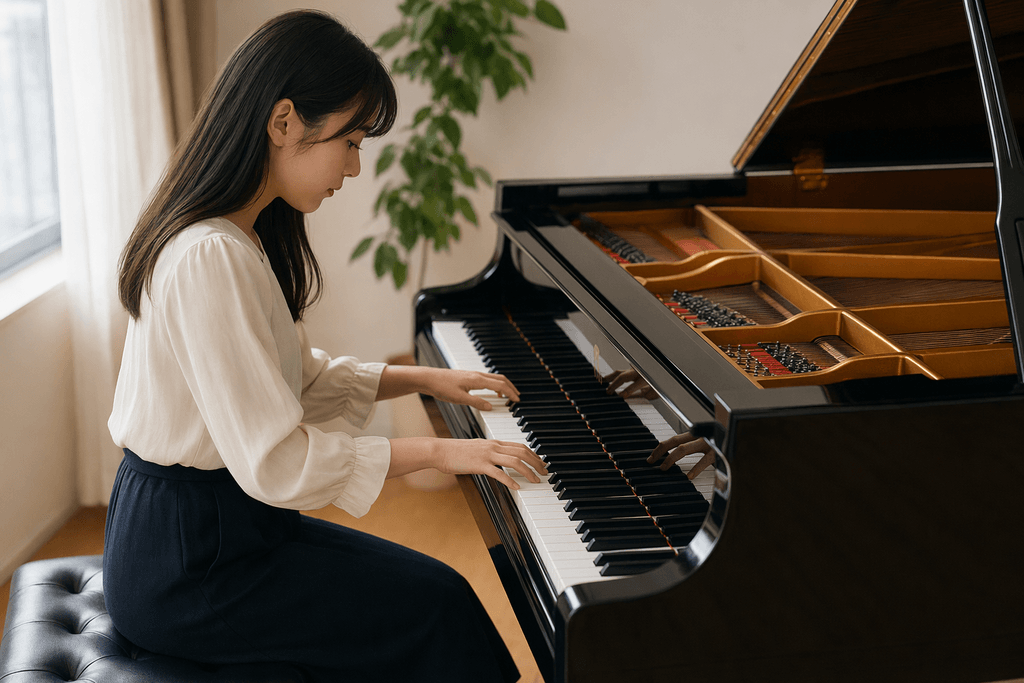
弾く
පියානෝව වයනවා / ගිටාරය වයනවා
弾く
පියානෝව වයනවා / ගිටාරය වයනවා
Explanation
弾く
පියානෝව වයනවා / ගිටාරය වයනවා
弾く
(වීණා/ගිටාර් වැනි) තන්තු වාදනය කිරීම / (පියනෝ වැනි) යතුරු වාදනය කිරීම / සංගීත වාදකයකින් සංගීතය වාදනය කිරීම
Word Forms
The basic and commonly used forms of this verb.
Basic forms
| Form | Word form | Usage |
|---|---|---|
| Imperfective form (mizenkei) |
Alternative:
弾こ
|
Connects to endings such as nai, reru, and seru. |
| Continuative form (renyokei) | Connects to endings such as masu, tai, and ta. | |
| Conclusive form (shushikei) | Ends a sentence and serves as the dictionary form. | |
| Attributive form (rentaikei) | Modifies a noun. | |
| Conditional form (kateikei) | Combines with ba to express a condition. | |
| Imperative form (meireikei) | Expresses a command or instruction. |
Common forms
| Form | Word form | Usage |
|---|---|---|
| Te-form | Connects clauses with te. | |
| Ta-form | Expresses the past with ta. | |
| Nai-form | Expresses negation with nai. | |
| Masu-form | Used for polite speech. | |
| Ba-form | Expresses a condition with ba. | |
| Volitional form | Expresses intention or invitation. |
Notes
トイレ
වැසිකිළිය
トイレ
වැසිකිළිය
Explanation
වැසිකිළිය
トイレ
වැසිකිළිය / ශෞචාගාරය / පෙරහැරීමේ කාමරය

( romanization )
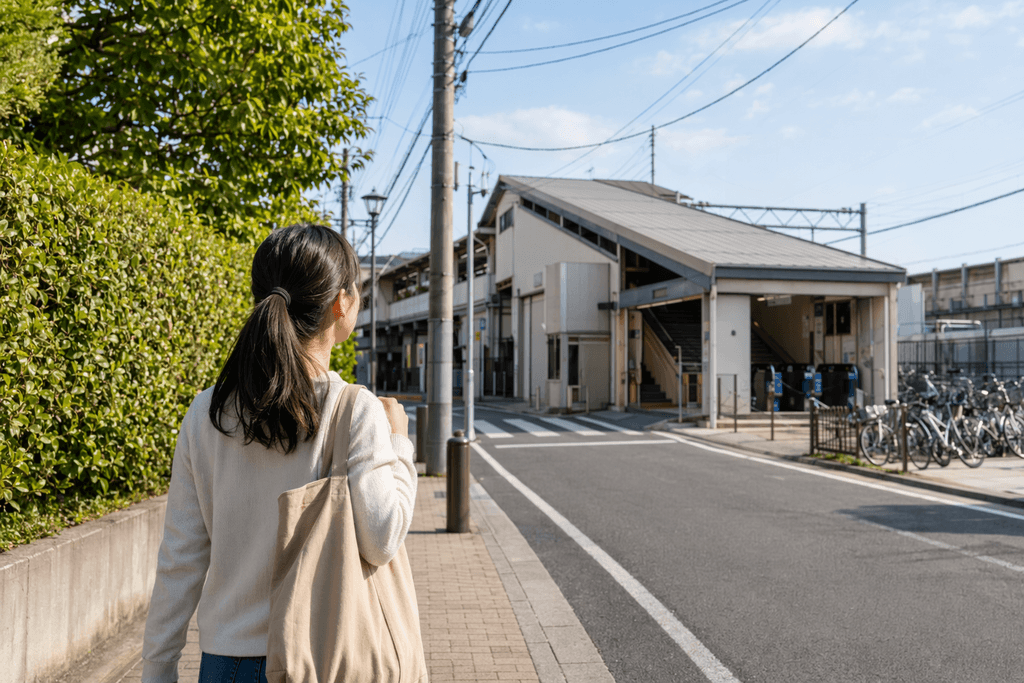
近く
අසල
近く
අසල
Explanation
近く
අසල
近く
ළඟදී; ආසන්නව / සමීපයෙන්; ආසන්නයෙන් / ඉක්මනින්; නුදුරු අනාගතයේ
( Base form )
( romanization )
薄い
තුනී / සැර අඩු
薄い
තුනී / සැර අඩු
Explanation
薄い
තුනී / සැර අඩු
薄い
තුණු / දුර්වල / පැහැදිලිව නොදැනෙන / දියවූ / බොරුවී ඇති

Word Forms
The basic and commonly used forms of this adjective.
Basic forms
| Form | Word form | Usage |
|---|---|---|
| Imperfective form (mizenkei) | Used in forms such as karou; mainly literary. | |
| Continuative form (renyokei) |
Alternative:
薄かっ
|
Used in forms such as kute and kunai. |
| Conclusive form (shushikei) | Ends a sentence. | |
| Attributive form (rentaikei) | Modifies a noun. | |
| Conditional form (kateikei) | Expresses a condition with kereba. | |
| Imperative form (meireikei) | Rarely used in modern Japanese. |
Common forms
違う
වෙනස් වෙනවා / වැරදියි
違う
වෙනස් වෙනවා / වැරදියි
Explanation
違う
වෙනස් වෙනවා / වැරදියි
違う
වෙනස් වීම/වෙනස් වන්න / අනුකූල නොවීම; ගැළපෙන්නෙ නැති වීම / වැරදි වීම; වැරදියි ලෙස තේරුම් ගැනීම

Word Forms
The basic and commonly used forms of this verb.
Basic forms
| Form | Word form | Usage |
|---|---|---|
| Imperfective form (mizenkei) | Connects to endings such as nai, reru, and seru. | |
| Continuative form (renyokei) | Connects to endings such as masu, tai, and ta. | |
| Conclusive form (shushikei) | Ends a sentence and serves as the dictionary form. | |
| Attributive form (rentaikei) | Modifies a noun. | |
| Conditional form (kateikei) | Combines with ba to express a condition. | |
| Imperative form (meireikei) | Expresses a command or instruction. |
Common forms
新しい
අලුත්
新しい
අලුත්
Explanation
新しい
අලුත්
新しい
අලුත් / නව / අලුත්ම

Word Forms
The basic and commonly used forms of this adjective.
Basic forms
| Form | Word form | Usage |
|---|---|---|
| Imperfective form (mizenkei) | Used in forms such as karou; mainly literary. | |
| Continuative form (renyokei) |
Alternative:
新しかっ
|
Used in forms such as kute and kunai. |
| Conclusive form (shushikei) | Ends a sentence. | |
| Attributive form (rentaikei) | Modifies a noun. | |
| Conditional form (kateikei) | Expresses a condition with kereba. | |
| Imperative form (meireikei) | Rarely used in modern Japanese. |
Common forms
今晩
අද රෑ
今晩
අද රෑ
Explanation
今晩
අද රෑ
今晩
අද රාත්රිය / අද සවස / අද රෑ

( Base form )
( romanization )
( kyūjitai )
( hiragana )
家
ගෙදර
家
ගෙදර
Explanation
家
ගෙදර
家
නිවස / ගෙදර / ගෘහය

( romanization )
( romanization )
( hiragana historical )
( hiragana )
賑やか
සජීවී
賑やか
සජීවී
Explanation
賑やか
සජීවී
賑やか
කලබල සහිත / ජීවත්වුණු/රසවත් / ගැවසෙන (බොහෝ අය සහිත)

Word Forms
The basic and commonly used forms of this adjectival noun.
Basic forms
| Form | Word form | Usage |
|---|---|---|
| Imperfective form (mizenkei) | Used in forms such as darou. | |
| Continuative form (renyokei) |
Alternative:
賑やかに
賑やかだっ
|
Used with de or ni. |
| Conclusive form (shushikei) | Ends a sentence with da. | |
| Attributive form (rentaikei) | Modifies a noun with na. | |
| Conditional form (kateikei) | Expresses a condition with nara. | |
| Imperative form (meireikei) | Used in formal expressions such as de are. |
Common forms
熱い
උණුයි
熱い
උණුයි
Explanation
熱い
උණුයි
熱い
උණුසුම් / ගිනිකාර / උණු

Word Forms
The basic and commonly used forms of this adjective.
Basic forms
| Form | Word form | Usage |
|---|---|---|
| Imperfective form (mizenkei) | Used in forms such as karou; mainly literary. | |
| Continuative form (renyokei) |
Alternative:
熱かっ
|
Used in forms such as kute and kunai. |
| Conclusive form (shushikei) | Ends a sentence. | |
| Attributive form (rentaikei) | Modifies a noun. | |
| Conditional form (kateikei) | Expresses a condition with kereba. | |
| Imperative form (meireikei) | Rarely used in modern Japanese. |
Common forms
Loading...

JLPT N5 多言語単語帳・665語 / JLPT N5 Multilingual Vocabulary: 665 Words

Jonathan Waller 氏の JLPT Resources の語彙リスト・レベル分類を出典とし、CC BY の条件に従って DiQt が初級向けに意味を作り直した665語の単語帳です。JLPT公式の語彙リストではありません。
This collection of 665 words is based on the vocabulary list and level classifications in Jonathan Waller’s JLPT Resources under CC BY, with meanings rewritten by DiQt for beginners. It is not an official JLPT vocabulary list.
Key Operations
Select the first quiz:
Ctrl + Enter
View Explanation:Ctrl + G
Close a feedback:Esc
When selecting a quiz
Answer:Enter
Select a choice:↓ or ↑
Reading out the question:Ctrl + K
View Hint: Ctrl + M
I don't know: Ctrl + Y



