
JLPT N5 වචන අර්ථ පුහුණුව - Unsolved

පිළිතුරු විකල්ප හතරක් ඇති ප්රශ්න මඟින් JLPT N5 වචන 665ක අර්ථ සිංහලෙන් ඉගෙන ගන්න.
-
කපනවා
-
වෙනවා
-
විකුණනවා
-
එක් අයෙක්
-
පොලිස් නිලධාරියා
-
රසකැවිලි
-
අද උදේ
-
ඉවුම් පිහුම් / කෑම වර්ගය
-
පෙරේදා
-
ගැටලුව / ප්රශ්නය
-
මල
-
නැගෙනහිර
-
ලියන මේසය
-
බල්ලා
-
මුද්දරය
-
සෝදනවා
-
වැහෙනවා
-
වාහනයට නගිනවා / වාහනයෙන් යනවා
- 「要る」は五段活用(ラ行)で、「居る(いる)」の上一段活用とは異なる。
-
දෙක
-
අයියා
-
දින අටක් / මාසයේ අටවැනිදා
-
ඇඳ
-
ඇතුල්වීමේ දොරටුව
-
දෙදෙනෙක්
-
අඩු
-
සුදු
-
බලවත්
-
සවස
-
සාය
-
කතාබහ / කතාව
寝る
නිදාගන්නවා / නිදියන්න යනවා
寝る
නිදාගන්නවා / නිදියන්න යනවා
Explanation
寝る
නිදාගන්නවා / නිදියන්න යනවා
寝る
නිදාගන්නවා / නිදනවා / පැතලි වෙලා ඉන්නවා

Word Forms
The basic and commonly used forms of this verb.
Basic forms
| Form | Word form | Usage |
|---|---|---|
| Imperfective form (mizenkei) | Connects to endings such as nai, reru, and seru. | |
| Continuative form (renyokei) | Connects to endings such as masu, tai, and ta. | |
| Conclusive form (shushikei) | Ends a sentence and serves as the dictionary form. | |
| Attributive form (rentaikei) | Modifies a noun. | |
| Conditional form (kateikei) | Combines with ba to express a condition. | |
| Imperative form (meireikei) |
Alternative:
寝よ
|
Expresses a command or instruction. |
Common forms
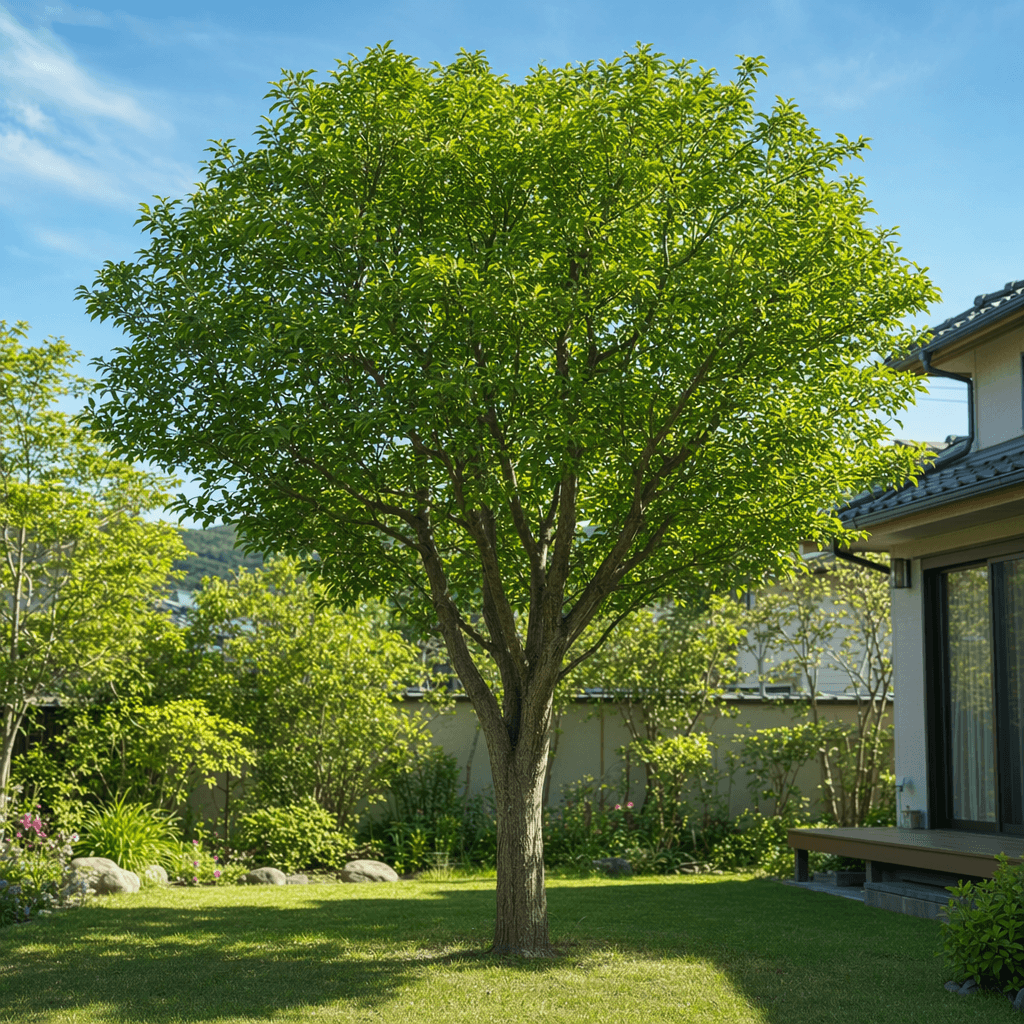
木
ගස / දැව
木
ගස / දැව
Explanation
木
ගස / දැව
木
ගස / දැව / ලී / (පංචභූත/පංචතත්ව) ‘දැව’ තත්ත්වය
( romanization )
( hiragana )
言葉
වචනය / භාෂාව
言葉
වචනය / භාෂාව
Explanation
言葉
වචනය / භාෂාව
言葉
වචනය / පදය / භාෂාව / කථාව

( Base form )
( romanization )
( hiragana )
郵便局
තැපැල් කාර්යාලය
郵便局
තැපැල් කාර්යාලය
Explanation
郵便局
තැපැල් කාර්යාලය
郵便局
තැපැල් කාර්යාලය / තැපැල් කාර්ය මණ්ඩලය/ශාඛාව
( Base form )
( romanization )
( romanization )
( hiragana historical )
( hiragana )
明日
හෙට
明日
හෙට
Explanation
明日
හෙට
明日
හෙට / ඊළඟ දිනය / හෙට දවස

( Base form )
( romanization )
( romanization )
( hiragana historical )
( hiragana )
要る
අවශ්ය වෙනවා
要る
අවශ්ය වෙනවා
Explanation
要る
අවශ්ය වෙනවා
要る
අවශ්ය වෙයි / ඕන වෙයි / අවශ්යතාවය තිබේ

Word Forms
The basic and commonly used forms of this verb.
Basic forms
| Form | Word form | Usage |
|---|---|---|
| Imperfective form (mizenkei) |
Alternative:
要ろ
|
Connects to endings such as nai, reru, and seru. |
| Continuative form (renyokei) | Connects to endings such as masu, tai, and ta. | |
| Conclusive form (shushikei) | Ends a sentence and serves as the dictionary form. | |
| Attributive form (rentaikei) | Modifies a noun. | |
| Conditional form (kateikei) | Combines with ba to express a condition. | |
| Imperative form (meireikei) | Expresses a command or instruction. |
Common forms
| Form | Word form | Usage |
|---|---|---|
| Te-form | Connects clauses with te. | |
| Ta-form | Expresses the past with ta. | |
| Nai-form | Expresses negation with nai. | |
| Masu-form | Used for polite speech. | |
| Ba-form | Expresses a condition with ba. | |
| Volitional form | Expresses intention or invitation. |
Notes
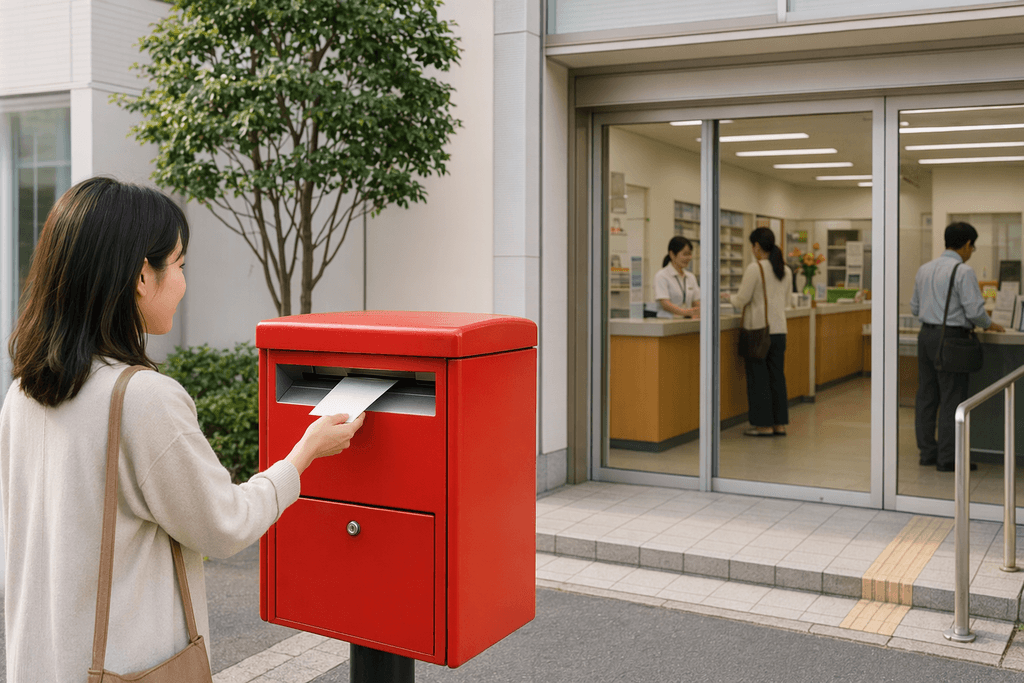
ポスト
තැපැල් පෙට්ටිය
ポスト
තැපැල් පෙට්ටිය
Explanation
තැපැල් පෙට්ටිය
ポスト
තැපැල් පෙට්ටිය / රැකියා තනතුර/නිලධුරය / ගෝල් කණුව

( romanization )
白
සුදු
白
සුදු
Explanation
白
සුදු
白
සුදු පැහැය / සුදු වර්ණය / සුදුකම

( romanization )
( hiragana )
欲しい
ඕනෑ
欲しい
ඕනෑ
Explanation
欲しい
ඕනෑ
欲しい
අවශ්ය (වෙනවා) / ඕන (වෙනවා) / ලැබෙන්න කැමති (වෙනවා)

Word Forms
The basic and commonly used forms of this adjective.
Basic forms
| Form | Word form | Usage |
|---|---|---|
| Imperfective form (mizenkei) | Used in forms such as karou; mainly literary. | |
| Continuative form (renyokei) |
Alternative:
欲しかっ
欲しゅう
|
Used in forms such as kute and kunai. |
| Conclusive form (shushikei) | Ends a sentence. | |
| Attributive form (rentaikei) | Modifies a noun. | |
| Conditional form (kateikei) | Expresses a condition with kereba. | |
| Imperative form (meireikei) | Rarely used in modern Japanese. |
Common forms
パーティー
සාදය
パーティー
සාදය
Explanation
සාදය
パーティー
සමාජ සංග්රහය / උත්සවය/පාර්ටි එක / (රෝල්-ප්ලේ ක්රීඩාවල) කණ්ඩායම

( romanization )
Loading...

JLPT N5 多言語単語帳・665語 / JLPT N5 Multilingual Vocabulary: 665 Words

Jonathan Waller 氏の JLPT Resources の語彙リスト・レベル分類を出典とし、CC BY の条件に従って DiQt が初級向けに意味を作り直した665語の単語帳です。JLPT公式の語彙リストではありません。
This collection of 665 words is based on the vocabulary list and level classifications in Jonathan Waller’s JLPT Resources under CC BY, with meanings rewritten by DiQt for beginners. It is not an official JLPT vocabulary list.
Key Operations
Select the first quiz:
Ctrl + Enter
View Explanation:Ctrl + G
Close a feedback:Esc
When selecting a quiz
Answer:Enter
Select a choice:↓ or ↑
Reading out the question:Ctrl + K
View Hint: Ctrl + M
I don't know: Ctrl + Y



