
JLPT N5 වචන අර්ථ පුහුණුව - Unsolved

පිළිතුරු විකල්ප හතරක් ඇති ප්රශ්න මඟින් JLPT N5 වචන 665ක අර්ථ සිංහලෙන් ඉගෙන ගන්න.
-
උපදිනවා
-
ෂවර් එකෙන් නානවා
-
කරනවා
-
පිළිතුරු දෙනවා
-
වෙහෙසට පත් වෙනවා
-
නැති කරගන්නවා
-
කැමරාව
-
සපත්තු
-
දුම්රිය ස්ථානය
-
මධ්යහ්නය / දිවා කාලය
-
විදේශ රට
-
සිකුරාදා
-
ලියුම් කවරය
-
තාපකය
-
ශීත ඍතුව
-
තැන
-
ලේන්සුව
-
දකුණු දිශාව
-
එතරම් නැහැ
-
කොහොමද
-
කවදාද
-
භාර දෙනවා
-
තල්ලු කරනවා / ඔබනවා
-
ණයට දෙනවා
-
තරුණ
-
වේගවත්
-
දුර
-
භාර දෙනවා
-
පිටපත් කරනවා
-
බඳිනවා / තද කරනවා
脱ぐ
ඇඳුම් ගලවනවා
脱ぐ
ඇඳුම් ගලවනවා
Explanation
脱ぐ
ඇඳුම් ගලවනවා
脱ぐ
(ඇඳුම්) ඉවත් කරගැනීම / (ඇඳුම්) ගලවා ගැනීම / ඇඳුම් ගලවීම

Word Forms
The basic and commonly used forms of this verb.
Basic forms
| Form | Word form | Usage |
|---|---|---|
| Imperfective form (mizenkei) |
Alternative:
脱ご
|
Connects to endings such as nai, reru, and seru. |
| Continuative form (renyokei) |
Alternative:
脱い
|
Connects to endings such as masu, tai, and ta. |
| Conclusive form (shushikei) | Ends a sentence and serves as the dictionary form. | |
| Attributive form (rentaikei) | Modifies a noun. | |
| Conditional form (kateikei) | Combines with ba to express a condition. | |
| Imperative form (meireikei) | Expresses a command or instruction. |
Common forms
売る
විකුණනවා
売る
විකුණනවා
Explanation
売る
විකුණනවා
売る
විකුණනවා / විකිණීම කරනවා / අලෙවි කරනවා

Word Forms
The basic and commonly used forms of this verb.
Basic forms
| Form | Word form | Usage |
|---|---|---|
| Imperfective form (mizenkei) |
Alternative:
売ろ
|
Connects to endings such as nai, reru, and seru. |
| Continuative form (renyokei) | Connects to endings such as masu, tai, and ta. | |
| Conclusive form (shushikei) | Ends a sentence and serves as the dictionary form. | |
| Attributive form (rentaikei) | Modifies a noun. | |
| Conditional form (kateikei) | Combines with ba to express a condition. | |
| Imperative form (meireikei) | Expresses a command or instruction. |
Common forms
切符
ටිකට් පත
切符
ටිකට් පත
Explanation
切符
ටිකට් පත
切符
ප්රවේශ පත්රය / ප්රවාහන ටිකට්පත / ටිකට්

( Base form )
( romanization )
( hiragana )
( Base form )
( romanization )
お手洗い
වැසිකිළිය
お手洗い
වැසිකිළිය
Explanation
お手洗い
වැසිකිළිය
お手洗い
වැසිකිළිය / වැසිකිළි කාමරය / නාන කාමරය

( Base form )
( romanization )
十日
දින දහයක් / මාසයේ දසවැනිදා
十日
දින දහයක් / මාසයේ දසවැනිදා
Explanation
十日
දින දහයක් / මාසයේ දසවැනිදා
十日
මාසයේ දසවෙනි දිනය / දින දහය (දහදින කාලයක්)

( Base form )
( romanization )
( hiragana )
町
නගරය
町
නගරය
Explanation
町
නගරය
町
නගරය / පුරය / නගර කොටස
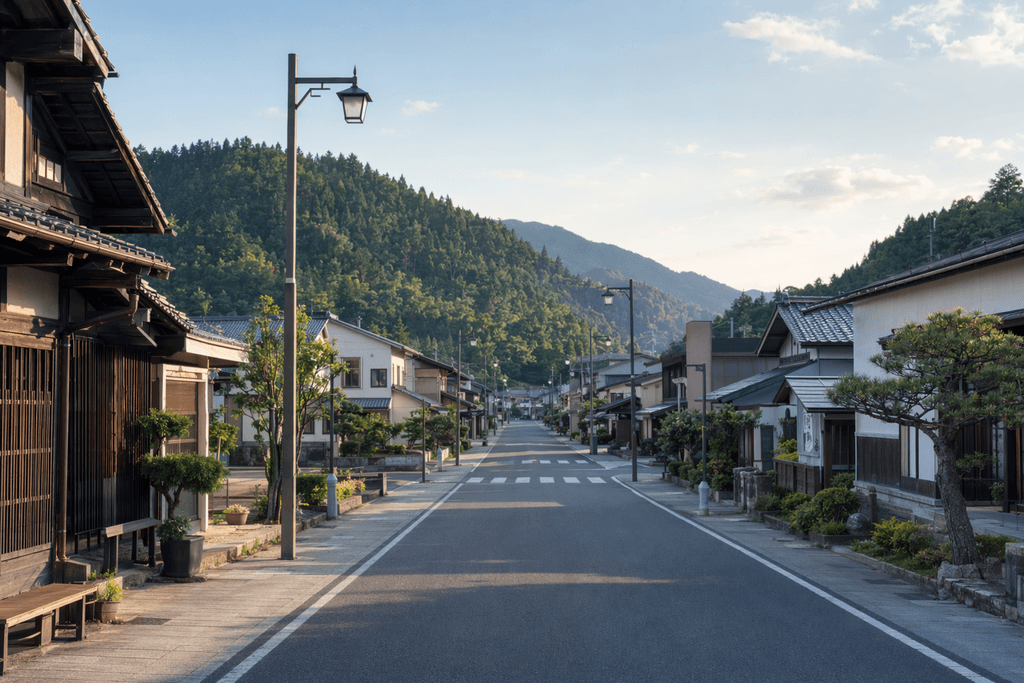
( romanization )
( hiragana )
まだ
තවමත් / තවම නැහැ
まだ
තවමත් / තවම නැහැ
Explanation
තවමත් / තවම නැහැ
まだ
තවම / තව / තවමත් නොවේ / ඉදිරියටත්

( romanization )
( adnominal )
( adverbial )
( table-tags )
( inflection-template )
( imperfective stem )
( imperfective stem )
( continuative stem )
( continuative stem )
( stem terminative )
( stem terminative )
( attributive stem )
( attributive stem )
( hypothetical stem )
( hypothetical stem )
( Imperative stem )
( Imperative stem )
( informal negative )
( informal negative )
( informal negative )
( informal negative )
( informal Past )
( informal Past )
( informal negative Past )
( informal negative Past )
( informal negative Past )
( informal negative Past )
( formal )
( formal )
( formal negative )
( formal negative )
( formal negative )
( formal negative )
( formal Past )
( formal Past )
( formal negative Past )
( formal negative Past )
( formal negative Past )
( formal negative Past )
( conjunctive )
( conjunctive )
( Conditional )
( Conditional )
( Conditional Past )
( Conditional Past )
( volitional )
( volitional )
( adverbial )
( adverbial )
( noun-from-adj )
( noun-from-adj )
起きる
නැගිටිනවා
起きる
නැගිටිනවා
Explanation
起きる
නැගිටිනවා
起きる
නැගිටින්න / ඇඳෙන් නැගිටින්න / උදෑසනින් ඉදිවන්න

Word Forms
The basic and commonly used forms of this verb.
Basic forms
| Form | Word form | Usage |
|---|---|---|
| Imperfective form (mizenkei) | Connects to endings such as nai, reru, and seru. | |
| Continuative form (renyokei) | Connects to endings such as masu, tai, and ta. | |
| Conclusive form (shushikei) | Ends a sentence and serves as the dictionary form. | |
| Attributive form (rentaikei) | Modifies a noun. | |
| Conditional form (kateikei) | Combines with ba to express a condition. | |
| Imperative form (meireikei) |
Alternative:
起きよ
|
Expresses a command or instruction. |
Common forms
赤い
රතු
赤い
රතු
Explanation
赤い
රතු
赤い
රතු / කහ-රතු (ස්කාර්ලට්) / ගැඹුරු රතු (ක්රිම්සන්)

Word Forms
The basic and commonly used forms of this adjective.
Basic forms
| Form | Word form | Usage |
|---|---|---|
| Imperfective form (mizenkei) | Used in forms such as karou; mainly literary. | |
| Continuative form (renyokei) |
Alternative:
赤かっ
|
Used in forms such as kute and kunai. |
| Conclusive form (shushikei) | Ends a sentence. | |
| Attributive form (rentaikei) | Modifies a noun. | |
| Conditional form (kateikei) | Expresses a condition with kereba. | |
| Imperative form (meireikei) | Rarely used in modern Japanese. |
Common forms
聞く
සවන් දෙනවා / අහනවා
聞く
සවන් දෙනවා / අහනවා
Explanation
聞く
සවන් දෙනවා / අහනවා
聞く
කැමතිව අසන්න/සවන් දීම / විමසීම / ප්රශ්න කිරීම / (තොරතුරු) අහගැනීම

Word Forms
The basic and commonly used forms of this verb.
Basic forms
| Form | Word form | Usage |
|---|---|---|
| Imperfective form (mizenkei) | Connects to endings such as nai, reru, and seru. | |
| Continuative form (renyokei) | Connects to endings such as masu, tai, and ta. | |
| Conclusive form (shushikei) | Ends a sentence and serves as the dictionary form. | |
| Attributive form (rentaikei) | Modifies a noun. | |
| Conditional form (kateikei) | Combines with ba to express a condition. | |
| Imperative form (meireikei) | Expresses a command or instruction. |
Common forms
Loading...

JLPT N5 多言語単語帳・665語 / JLPT N5 Multilingual Vocabulary: 665 Words

Jonathan Waller 氏の JLPT Resources の語彙リスト・レベル分類を出典とし、CC BY の条件に従って DiQt が初級向けに意味を作り直した665語の単語帳です。JLPT公式の語彙リストではありません。
This collection of 665 words is based on the vocabulary list and level classifications in Jonathan Waller’s JLPT Resources under CC BY, with meanings rewritten by DiQt for beginners. It is not an official JLPT vocabulary list.
Key Operations
Select the first quiz:
Ctrl + Enter
View Explanation:Ctrl + G
Close a feedback:Esc
When selecting a quiz
Answer:Enter
Select a choice:↓ or ↑
Reading out the question:Ctrl + K
View Hint: Ctrl + M
I don't know: Ctrl + Y



