
JLPT N5 වචන අර්ථ පුහුණුව - Unsolved

පිළිතුරු විකල්ප හතරක් ඇති ප්රශ්න මඟින් JLPT N5 වචන 665ක අර්ථ සිංහලෙන් ඉගෙන ගන්න.
-
පේළියට තබනවා
-
ඇඳුම් ගලවනවා
-
ගෙදර යනවා
-
පහත් / උස අඩු
-
අලුත්
-
දිග
-
හදනවා
-
අවශ්ය වෙනවා
-
වහනවා
-
ලොකු
-
පරණ
-
ඕනෑ
-
සාක්කුව
-
කැසට් සහිත ගුවන් විදුලි යන්ත්රය
-
ටේප් පටිය
-
වඩාත්ම / අංක එක
-
හැම විටම
-
හැම අවුරුද්දකම
-
ප්රසිද්ධ
-
අකමැති
-
ශක්තිමත් / නිරෝගී
- 「大好き」は形容動詞(ナ形容詞)として扱う。連体形は通常「大好きな」。
- 「大好きの」は「大好きの気持ち」など名詞的用法で見られるため異形として収録。
- 未然形「大好きでは/大好きじゃ」は否定接続用。推量の「大好きだろ」も未然相当として収録。
-
ඉගෙනීම
-
ශීත ඍතුව
-
අක්කා
-
තල්ලු කරනවා / ඔබනවා
-
ළඟා වෙනවා
-
ඇතුළට දමනවා
-
කනවා
-
දන්නවා
-
පියානෝව වයනවා / ගිටාරය වයනවා
- 「走る」は五段活用ラ行の動詞。連用形接続の「て/た」は促音便により「走って」「走った」となる。
呼ぶ
අඬගහනවා / ආරාධනා කරනවා
呼ぶ
අඬගහනවා / ආරාධනා කරනවා
Explanation
呼ぶ
අඬගහනවා / ආරාධනා කරනවා
呼ぶ
ඇමතීම / කැඳවීම / ආරාධනා කිරීම

Word Forms
The basic and commonly used forms of this verb.
Basic forms
| Form | Word form | Usage |
|---|---|---|
| Imperfective form (mizenkei) |
Alternative:
呼ぼ
|
Connects to endings such as nai, reru, and seru. |
| Continuative form (renyokei) | Connects to endings such as masu, tai, and ta. | |
| Conclusive form (shushikei) | Ends a sentence and serves as the dictionary form. | |
| Attributive form (rentaikei) | Modifies a noun. | |
| Conditional form (kateikei) | Combines with ba to express a condition. | |
| Imperative form (meireikei) | Expresses a command or instruction. |
Common forms
若い
තරුණ
若い
තරුණ
Explanation
若い
තරුණ
若い
තරුණ / අනභිජ්ඣ; අත්දැකීම් අඩු / නව; අලුත්

Word Forms
The basic and commonly used forms of this adjective.
Basic forms
| Form | Word form | Usage |
|---|---|---|
| Imperfective form (mizenkei) | Used in forms such as karou; mainly literary. | |
| Continuative form (renyokei) |
Alternative:
若かっ
|
Used in forms such as kute and kunai. |
| Conclusive form (shushikei) | Ends a sentence. | |
| Attributive form (rentaikei) | Modifies a noun. | |
| Conditional form (kateikei) | Expresses a condition with kereba. | |
| Imperative form (meireikei) | Rarely used in modern Japanese. |
Common forms
書く
ලියනවා
書く
ලියනවා
Explanation
書く
ලියනවා
書く
ලියනවා / ලියමින් සටහන් කරන්නේ / ගොඩනැගී ලියනවා

Word Forms
The basic and commonly used forms of this verb.
Basic forms
| Form | Word form | Usage |
|---|---|---|
| Imperfective form (mizenkei) |
Alternative:
書こ
|
Connects to endings such as nai, reru, and seru. |
| Continuative form (renyokei) |
Alternative:
書い
|
Connects to endings such as masu, tai, and ta. |
| Conclusive form (shushikei) | Ends a sentence and serves as the dictionary form. | |
| Attributive form (rentaikei) | Modifies a noun. | |
| Conditional form (kateikei) | Combines with ba to express a condition. | |
| Imperative form (meireikei) | Expresses a command or instruction. |
Common forms
強い
බලවත්
強い
බලවත්
Explanation
強い
බලවත්
強い
ශක්තිමත් / දැඩි / ප්රබල

Word Forms
The basic and commonly used forms of this adjective.
Basic forms
| Form | Word form | Usage |
|---|---|---|
| Imperfective form (mizenkei) | Used in forms such as karou; mainly literary. | |
| Continuative form (renyokei) |
Alternative:
強かっ
|
Used in forms such as kute and kunai. |
| Conclusive form (shushikei) | Ends a sentence. | |
| Attributive form (rentaikei) | Modifies a noun. | |
| Conditional form (kateikei) | Expresses a condition with kereba. | |
| Imperative form (meireikei) | Rarely used in modern Japanese. |
Common forms
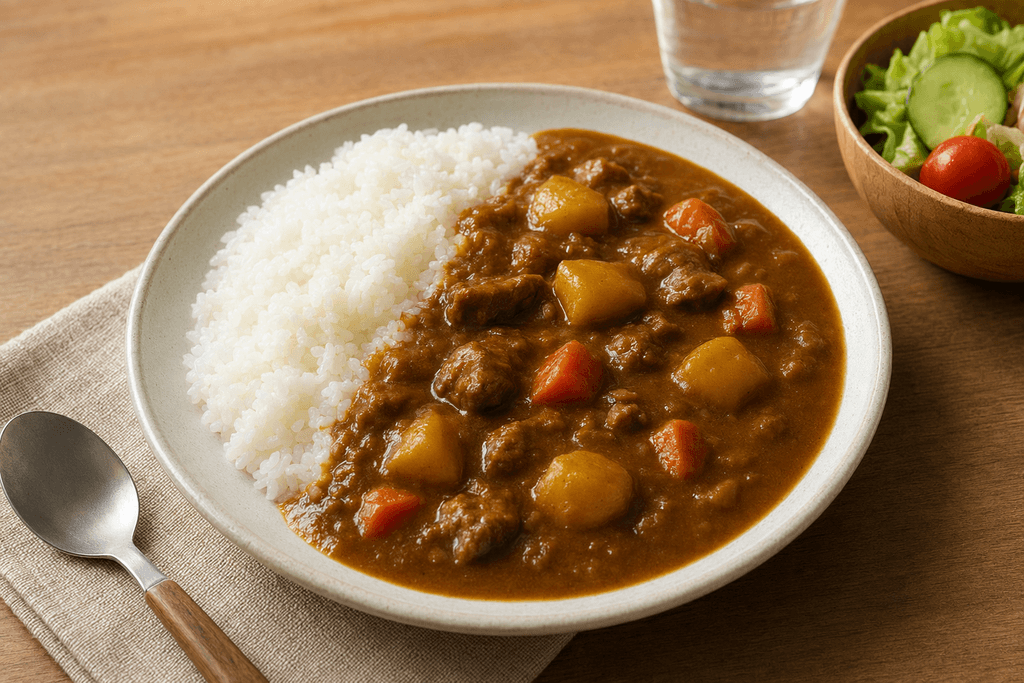
カレー
කරි
カレー
කරි
Explanation
කරි
カレー
කරි (ආහාරයක්) / මස්/එළවළු කුළුබඩු සෝස් සමඟ පිසූ ව්යංජනය
( romanization )
また
නැවත
また
නැවත
Explanation
නැවත
また
නැවත / තවත් වරක් / එසේම

( romanization )
大好き
ගොඩක් කැමති
大好き
ගොඩක් කැමති
Explanation
大好き
ගොඩක් කැමති
大好き
ගොඩක් කැමති / බොහෝ ආදරෙන්/ආසාවෙන් / ඉතාමත් ප්රිය

Word Forms
The basic and commonly used forms of this adjectival noun.
Basic forms
| Form | Word form | Usage |
|---|---|---|
| Imperfective form (mizenkei) | Used in forms such as darou. | |
| Continuative form (renyokei) |
Alternative:
大好きに
|
Used with de or ni. |
| Conclusive form (shushikei) |
Alternative:
大好きです
|
Ends a sentence with da. |
| Attributive form (rentaikei) |
Alternative:
大好きの
|
Modifies a noun with na. |
| Conditional form (kateikei) |
Alternative:
大好きであれば
|
Expresses a condition with nara. |
| Imperative form (meireikei) | Used in formal expressions such as de are. |
Common forms
| Form | Word form | Usage |
|---|---|---|
| Te-form equivalent | Connects clauses using de. | |
| Ta-form |
Alternative:
大好きでした
|
Expresses the past with datta. |
| Nai-form |
Alternative:
大好きじゃない
大好きでない
|
Expresses negation with dewa nai or ja nai. |
| Desu-form | Used for polite speech. |
Notes
お酒
මත්පැන් / ජපන් සහල් මත්පැන්
お酒
මත්පැන් / ජපන් සහල් මත්පැන්
Explanation
お酒
මත්පැන් / ජපන් සහල් මත්පැන්
お酒
මත්පැන් / සුරාපානය / මද්ය

( romanization )
( hiragana )
貸す
ණයට දෙනවා
貸す
ණයට දෙනවා
Explanation
貸す
ණයට දෙනවා
貸す
ණය දීම / පාවිච්චි කිරීමට දීම / අයදුම්කරුවෙකුට භාවිතයට දීම

Word Forms
The basic and commonly used forms of this verb.
Basic forms
| Form | Word form | Usage |
|---|---|---|
| Imperfective form (mizenkei) |
Alternative:
貸そ
|
Connects to endings such as nai, reru, and seru. |
| Continuative form (renyokei) | Connects to endings such as masu, tai, and ta. | |
| Conclusive form (shushikei) | Ends a sentence and serves as the dictionary form. | |
| Attributive form (rentaikei) | Modifies a noun. | |
| Conditional form (kateikei) | Combines with ba to express a condition. | |
| Imperative form (meireikei) | Expresses a command or instruction. |
Common forms
走る
දුවනවා
走る
දුවනවා
Explanation
走る
දුවනවා
走る
දුවනවා / දිවීම

Word Forms
The basic and commonly used forms of this verb.
Basic forms
| Form | Word form | Usage |
|---|---|---|
| Imperfective form (mizenkei) | Connects to endings such as nai, reru, and seru. | |
| Continuative form (renyokei) | Connects to endings such as masu, tai, and ta. | |
| Conclusive form (shushikei) | Ends a sentence and serves as the dictionary form. | |
| Attributive form (rentaikei) | Modifies a noun. | |
| Conditional form (kateikei) | Combines with ba to express a condition. | |
| Imperative form (meireikei) | Expresses a command or instruction. |
Common forms
| Form | Word form | Usage |
|---|---|---|
| Te-form | Connects clauses with te. | |
| Ta-form | Expresses the past with ta. | |
| Nai-form | Expresses negation with nai. | |
| Masu-form | Used for polite speech. | |
| Ba-form | Expresses a condition with ba. | |
| Volitional form | Expresses intention or invitation. |
Notes
Loading...

JLPT N5 多言語単語帳・665語 / JLPT N5 Multilingual Vocabulary: 665 Words

Jonathan Waller 氏の JLPT Resources の語彙リスト・レベル分類を出典とし、CC BY の条件に従って DiQt が初級向けに意味を作り直した665語の単語帳です。JLPT公式の語彙リストではありません。
This collection of 665 words is based on the vocabulary list and level classifications in Jonathan Waller’s JLPT Resources under CC BY, with meanings rewritten by DiQt for beginners. It is not an official JLPT vocabulary list.
Key Operations
Select the first quiz:
Ctrl + Enter
View Explanation:Ctrl + G
Close a feedback:Esc
When selecting a quiz
Answer:Enter
Select a choice:↓ or ↑
Reading out the question:Ctrl + K
View Hint: Ctrl + M
I don't know: Ctrl + Y



