
JLPT N5 වචන අර්ථ පුහුණුව - Unsolved

පිළිතුරු විකල්ප හතරක් ඇති ප්රශ්න මඟින් JLPT N5 වචන 665ක අර්ථ සිංහලෙන් ඉගෙන ගන්න.
-
දුඹුරු
-
සත්යය
-
පිටුව
-
දෙපාර්තමේන්තු ගබඩාව
-
දෙක
-
ඇස
-
ඇතුළට දමනවා
-
කියනවා
-
දුම් බොනවා / හුස්ම ඇතුළට ගන්නවා
- 「帰る」は語尾が「る」でも一段活用ではなく五段活用です。
-
අම්මා
-
ග්රැමෆෝන් තැටිය
-
මීටරය
-
කියනවා
-
පුළුවන්
-
දකිනවා / නරඹනවා
- 「来」は形により「こ」「き」と読む。未然形「来」は「来ない」では「こ」、連用形「来」は「来ます」「来て」「来た」では「き」と読む。
-
උදෑසන
-
පුස්තකාලය
-
බල්ලා
-
පිටත
-
මුළුතැන්ගෙය
-
දුඹුරු
-
කෙළින් ඉදිරියට
-
දක්ෂ
-
සජීවී
- 見出し語「いや」は通常かな表記も多いが、漢字表記「嫌」に基づく活用形も併記。
- 形容動詞としての活用。連用形には接続により「嫌で」「嫌に」がある。
-
අළු බඳුන
-
පහ
-
අත
-
විවාහය
-
පොත
-
පිටත
学校
පාසල
学校
පාසල
Explanation
学校
පාසල
学校
පාසල / ශිෂ්යයන්ට අධ්යාපනය ලබාදෙන ආයතනය

( Base form )
( romanization )
( romanization )
( counter )
( kyūjitai )
( hiragana historical )
( hiragana )
六日
දින හයක් / මාසයේ හයවැනිදා
六日
දින හයක් / මාසයේ හයවැනිදා
Explanation
六日
දින හයක් / මාසයේ හයවැනිදා
六日
මාසයේ හයවන දිනය (6 වැනිදා) / දින හයක්

( Base form )
( romanization )
( hiragana )
帰る
ගෙදර යනවා
帰る
ගෙදර යනවා
Explanation
帰る
ගෙදර යනවා
帰る
නැවත යාම / ආපසු එළඹීම / නිවසට/පදිංචි ස්ථානයට යාම

Word Forms
The basic and commonly used forms of this verb.
Basic forms
| Form | Word form | Usage |
|---|---|---|
| Imperfective form (mizenkei) |
Alternative:
帰ろ
|
Connects to endings such as nai, reru, and seru. |
| Continuative form (renyokei) | Connects to endings such as masu, tai, and ta. | |
| Conclusive form (shushikei) | Ends a sentence and serves as the dictionary form. | |
| Attributive form (rentaikei) | Modifies a noun. | |
| Conditional form (kateikei) | Combines with ba to express a condition. | |
| Imperative form (meireikei) | Expresses a command or instruction. |
Common forms
| Form | Word form | Usage |
|---|---|---|
| Te-form | Connects clauses with te. | |
| Ta-form | Expresses the past with ta. | |
| Nai-form | Expresses negation with nai. | |
| Masu-form | Used for polite speech. | |
| Ba-form | Expresses a condition with ba. | |
| Volitional form | Expresses intention or invitation. |
Notes
角
මුල්ල
角
මුල්ල
Explanation
角
මුල්ල
角
කෝණය / කෙලවර / වීථි සන්ධිය
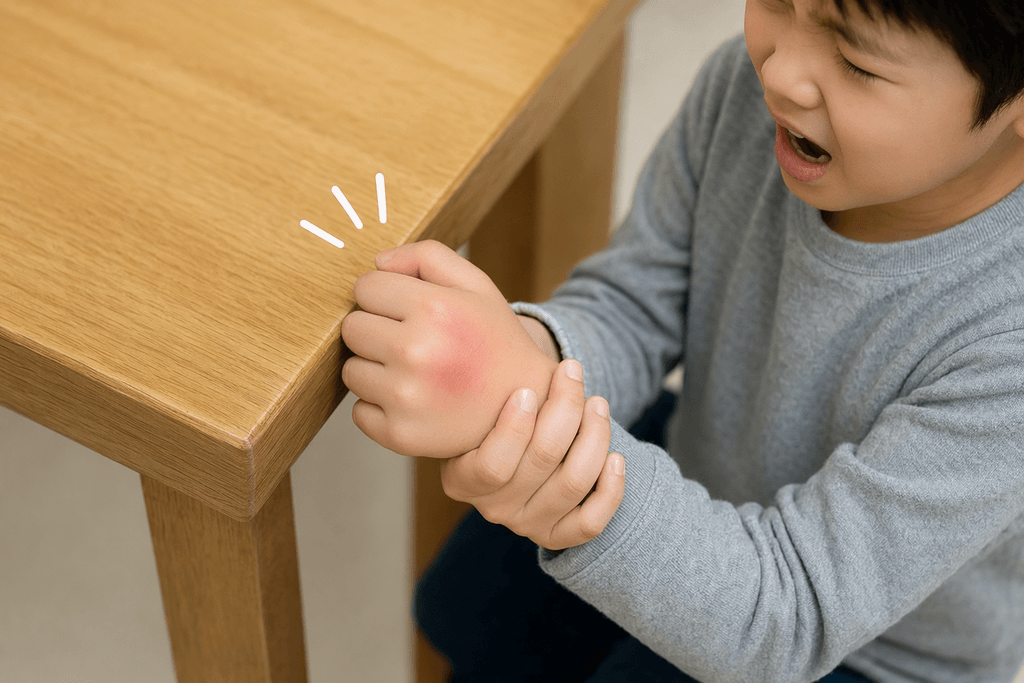
( romanization )
( hiragana )
来る
එනවා
来る
එනවා
Explanation
来る
එනවා
来る
(කතාකරන/ලියන තැනට) එනවා / (උත්තේජන/හැඟීමක්) ඇතිවී එනවා / … ගැන කතා කරනකොට / … නම්

Word Forms
The basic and commonly used forms of this verb.
Basic forms
| Form | Word form | Usage |
|---|---|---|
| Imperfective form (mizenkei) |
Alternative:
来よ
|
Connects to endings such as nai, reru, and seru. |
| Continuative form (renyokei) | Connects to endings such as masu, tai, and ta. | |
| Conclusive form (shushikei) | Ends a sentence and serves as the dictionary form. | |
| Attributive form (rentaikei) | Modifies a noun. | |
| Conditional form (kateikei) | Combines with ba to express a condition. | |
| Imperative form (meireikei) |
Alternative:
来よ
|
Expresses a command or instruction. |
Common forms
| Form | Word form | Usage |
|---|---|---|
| Te-form | Connects clauses with te. | |
| Ta-form | Expresses the past with ta. | |
| Nai-form | Expresses negation with nai. | |
| Masu-form | Used for polite speech. | |
| Ba-form | Expresses a condition with ba. | |
| Volitional form | Expresses intention or invitation. |
Notes
塩
ලුණු
塩
ලුණු
Explanation
塩
ලුණු
塩
ලුණු / ලවණය

( romanization )
( romanization )
( hiragana historical )
( hiragana )
医者
වෛද්යවරයා
医者
වෛද්යවරයා
Explanation
医者
වෛද්යවරයා
医者
වෛද්යවරයා / ඩොක්ටර් / වෛද්ය

( Base form )
( romanization )
( kyūjitai )
( hiragana )
いや
අප්රිය
いや
අප්රිය
Explanation
අප්රිය
いや
අප්රිය / අසහනීය / පිළිකුල්කාර

Word Forms
The basic and commonly used forms of this adjectival noun.
Basic forms
| Form | Word form | Usage |
|---|---|---|
| Imperfective form (mizenkei) |
Alternative:
いやだろ
|
Used in forms such as darou. |
| Continuative form (renyokei) |
Alternative:
いやで
嫌に
いやに
|
Used with de or ni. |
| Conclusive form (shushikei) |
Alternative:
いやだ
|
Ends a sentence with da. |
| Attributive form (rentaikei) |
Alternative:
いやな
|
Modifies a noun with na. |
| Conditional form (kateikei) |
Alternative:
いやなら
|
Expresses a condition with nara. |
| Imperative form (meireikei) |
Alternative:
いやであれ
|
Used in formal expressions such as de are. |
Common forms
| Form | Word form | Usage |
|---|---|---|
| Te-form equivalent |
Alternative:
いやで
|
Connects clauses using de. |
| Ta-form |
Alternative:
いやだった
|
Expresses the past with datta. |
| Nai-form |
Alternative:
いやではない
嫌じゃない
いやじゃない
|
Expresses negation with dewa nai or ja nai. |
| Desu-form |
Alternative:
いやです
|
Used for polite speech. |
Notes
鉛筆
පැන්සල
鉛筆
පැන්සල
Explanation
鉛筆
පැන්සල
鉛筆
පැන්සල / ලී පැන්සල

( Base form )
( romanization )
( counter )
( hiragana )
兄
අයියා
兄
අයියා
Explanation
兄
අයියා
兄
වැඩිමහල් සහෝදරයා / අයියා / වයසින් වැඩි සහෝදරයා

( romanization )
( hiragana )
Loading...

JLPT N5 多言語単語帳・665語 / JLPT N5 Multilingual Vocabulary: 665 Words

Jonathan Waller 氏の JLPT Resources の語彙リスト・レベル分類を出典とし、CC BY の条件に従って DiQt が初級向けに意味を作り直した665語の単語帳です。JLPT公式の語彙リストではありません。
This collection of 665 words is based on the vocabulary list and level classifications in Jonathan Waller’s JLPT Resources under CC BY, with meanings rewritten by DiQt for beginners. It is not an official JLPT vocabulary list.
Key Operations
Select the first quiz:
Ctrl + Enter
View Explanation:Ctrl + G
Close a feedback:Esc
When selecting a quiz
Answer:Enter
Select a choice:↓ or ↑
Reading out the question:Ctrl + K
View Hint: Ctrl + M
I don't know: Ctrl + Y



