
JLPT N5 වචන අර්ථ පුහුණුව - Unsolved

පිළිතුරු විකල්ප හතරක් ඇති ප්රශ්න මඟින් JLPT N5 වචන 665ක අර්ථ සිංහලෙන් ඉගෙන ගන්න.
-
විදුලි සෝපානය
-
සෝයා සෝස්
-
කන
-
ගුවන් විදුලිය
-
සබන්
-
දුම්රිය ස්ථානය
-
අමාරුවේ වැටෙනවා
-
ඡායාරූපයක් ගන්නවා
-
ළඟා වෙනවා
-
අක්කා
-
ආරම්භය
-
කොරිඩෝව
-
සඟරාව
-
ඊයේ රෑ
-
බ්රහස්පතින්දා
-
නංගී
-
පුද්ගලයා
-
කැමරාව
-
ශක්තිමත් / නිරෝගී
-
ප්රසිද්ධ
-
නිහඬ
- 「真っ直ぐに」のほか、副詞的に「真っ直ぐ行く」のように助詞なしでも用いられます。
- 表記ゆれとして「まっすぐ」も一般的です。
-
ඇවිදීම
-
අද රෑ
-
මුහුද
-
සෝදනවා
-
කුඩයක් ඉහළනවා
-
හැරෙනවා / නැමෙනවා
-
කුඩය
-
මුහුද
-
දත
財布
පසුම්බිය
財布
පසුම්බිය
Explanation
財布
පසුම්බිය
財布
මුදල් පසුම්බිය / පසුම්බිය

( Base form )
( romanization )
( hiragana )
入口
ඇතුල්වීමේ දොරටුව
入口
ඇතුල්වීමේ දොරටුව
Explanation
入口
ඇතුල්වීමේ දොරටුව
入口
පිවිසුම / ඇතුල්වන දොරටුව/මුවර / ඇතුල් වීමේ ස්ථානය

( Base form )
( romanization )
( hiragana )
出す
එළියට ගන්නවා
出す
එළියට ගන්නවා
Explanation
出す
එළියට ගන්නවා
出す
පිටතට ගන්නවා / ඉදිරිපත් කරනවා / යොමු කරනවා / යවලා නිකුත් කරනවා

Word Forms
The basic and commonly used forms of this verb.
Basic forms
| Form | Word form | Usage |
|---|---|---|
| Imperfective form (mizenkei) |
Alternative:
出そ
|
Connects to endings such as nai, reru, and seru. |
| Continuative form (renyokei) | Connects to endings such as masu, tai, and ta. | |
| Conclusive form (shushikei) | Ends a sentence and serves as the dictionary form. | |
| Attributive form (rentaikei) | Modifies a noun. | |
| Conditional form (kateikei) | Combines with ba to express a condition. | |
| Imperative form (meireikei) | Expresses a command or instruction. |
Common forms
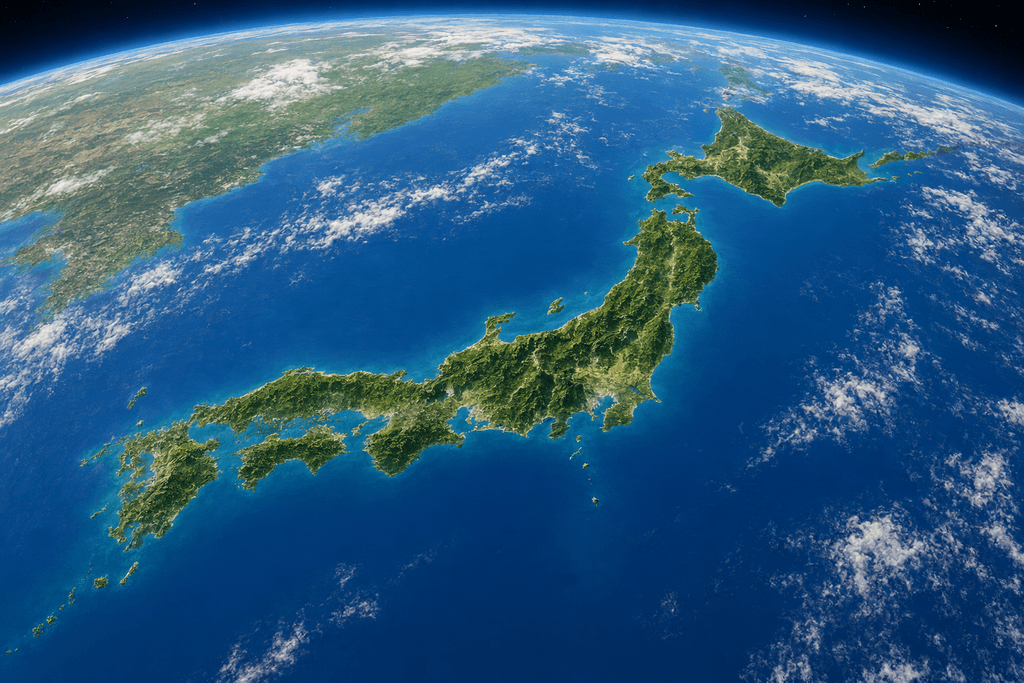
国
රට
国
රට
Explanation
国
රට
国
රට; ජාතිය; රාජ්යය / මව්රට/උපන් ප්රදේශය (ගෞරවාත්මක) / (පැරණි) පළාත/ප්රාන්තය
( romanization )
( hiragana )
暇
විවේක කාලය
暇
විවේක කාලය
Explanation
暇
විවේක කාලය
暇
නිදහස් කාලය / විනෝද කාලය / අතිරේක කාලය

( romanization )
( hiragana )
今朝
අද උදේ
今朝
අද උදේ
Explanation
今朝
අද උදේ
今朝
අද උදෑසන / මෙම උදෑසන

( Base form )
( romanization )
( hiragana )
真っ直ぐ
කෙළින් ඉදිරියට
真っ直ぐ
කෙළින් ඉදිරියට
Explanation
真っ直ぐ
කෙළින් ඉදිරියට
真っ直ぐ
සෘජු ලෙස/සෘජුව / කෙළින්ම; සෘජුව ඉදිරියට / අවංක; සෘජුස්වභාවී

Word Forms
The basic and commonly used forms of this adjectival noun.
Basic forms
| Form | Word form | Usage |
|---|---|---|
| Imperfective form (mizenkei) | Used in forms such as darou. | |
| Continuative form (renyokei) |
Alternative:
真っ直ぐに
真っ直ぐだっ
|
Used with de or ni. |
| Conclusive form (shushikei) | Ends a sentence with da. | |
| Attributive form (rentaikei) |
Alternative:
真っ直ぐなる
|
Modifies a noun with na. |
| Conditional form (kateikei) |
Alternative:
真っ直ぐならば
|
Expresses a condition with nara. |
| Imperative form (meireikei) | Used in formal expressions such as de are. |
Common forms
| Form | Word form | Usage |
|---|---|---|
| Te-form equivalent | Connects clauses using de. | |
| Ta-form | Expresses the past with datta. | |
| Nai-form |
Alternative:
真っ直ぐじゃない
|
Expresses negation with dewa nai or ja nai. |
| Desu-form | Used for polite speech. |
Notes
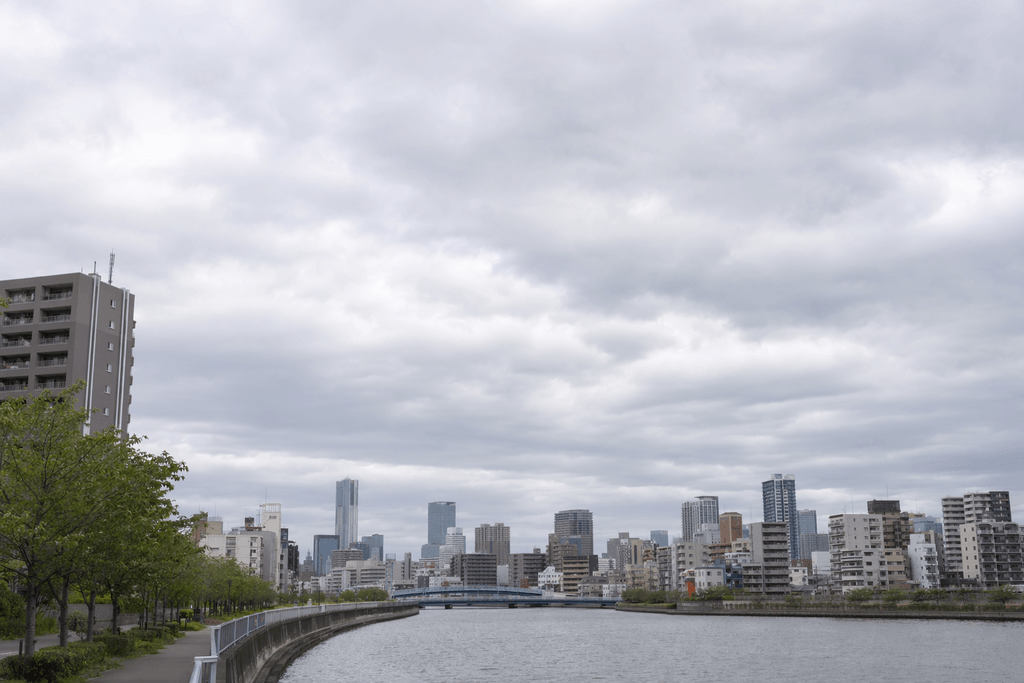
曇り
වලාකුළු සහිත කාලගුණය
曇り
වලාකුළු සහිත කාලගුණය
Explanation
曇り
වලාකුළු සහිත කාලගුණය
曇り
වලාකුළු ගතිය / වලාකුළු සහිත කාලගුණය / අඳුරු වලාකුළු වැසුණු අහස
( Base form )
( romanization )
教える
උගන්වනවා / කියා දෙනවා
教える
උගන්වනවා / කියා දෙනවා
Explanation
教える
උගන්වනවා / කියා දෙනවා
教える
උගන්වන්න / කියලා දෙන්න / දැනුම් දෙන්න

Word Forms
The basic and commonly used forms of this verb.
Basic forms
| Form | Word form | Usage |
|---|---|---|
| Imperfective form (mizenkei) | Connects to endings such as nai, reru, and seru. | |
| Continuative form (renyokei) | Connects to endings such as masu, tai, and ta. | |
| Conclusive form (shushikei) | Ends a sentence and serves as the dictionary form. | |
| Attributive form (rentaikei) | Modifies a noun. | |
| Conditional form (kateikei) | Combines with ba to express a condition. | |
| Imperative form (meireikei) |
Alternative:
教えよ
|
Expresses a command or instruction. |
Common forms
コップ
වීදුරුව
コップ
වීදුරුව
Explanation
වීදුරුව
コップ
කෝප්පය / ග්ලාස් (බීම වීදුරුව) / කුසලානය

( romanization )
Loading...

JLPT N5 多言語単語帳・665語 / JLPT N5 Multilingual Vocabulary: 665 Words

Jonathan Waller 氏の JLPT Resources の語彙リスト・レベル分類を出典とし、CC BY の条件に従って DiQt が初級向けに意味を作り直した665語の単語帳です。JLPT公式の語彙リストではありません。
This collection of 665 words is based on the vocabulary list and level classifications in Jonathan Waller’s JLPT Resources under CC BY, with meanings rewritten by DiQt for beginners. It is not an official JLPT vocabulary list.
Key Operations
Select the first quiz:
Ctrl + Enter
View Explanation:Ctrl + G
Close a feedback:Esc
When selecting a quiz
Answer:Enter
Select a choice:↓ or ↑
Reading out the question:Ctrl + K
View Hint: Ctrl + M
I don't know: Ctrl + Y



