
JLPT N5 වචන අර්ථ පුහුණුව - Unsolved

පිළිතුරු විකල්ප හතරක් ඇති ප්රශ්න මඟින් JLPT N5 වචන 665ක අර්ථ සිංහලෙන් ඉගෙන ගන්න.
-
සතා
-
හැම මාසයකම
-
මල්ලී
-
නැන්දා / මැදි වියේ කාන්තාව
-
උතුර
-
ගුවන් යානය
-
පුහුණු වෙනවා
-
වෙහෙසට පත් වෙනවා
-
බලා සිටිනවා
-
සතා
-
රැකියාව
-
ගුවන් විදුලිය
-
යනවා
-
දත් මදිනවා / ඔප දමනවා
-
වැසි වසිනවා / හිම වැටෙනවා
-
පවුල
-
චිත්රපටය
-
සල්ලි
-
කට
-
ශීතකරණය
-
නාන එක
-
කෙළින් ඉදිරියට
-
කැමති
-
දක්ෂ
- 「嫌い」はナ形容詞(形容動詞)として「嫌いだ」「嫌いな」の形をとる。
- 接尾的に用いられる場合は連濁して「〜嫌い(〜ぎらい)」となることがある。
- 「嫌いの」は「食べ物の好き嫌いの」など名詞的用法で見られる連体用法。
-
යහළුවා
-
පොලිස් මුරපොළ
-
හිස
-
දැනටමත්
-
හැම දවසකම
-
නිතර / හොඳින්
テレビ
රූපවාහිනිය
テレビ
රූපවාහිනිය
Explanation
රූපවාහිනිය
テレビ
ටෙලිවිෂන් / රූපවාහිනිය / ටීවී

( romanization )
一人
එක් අයෙක්
一人
එක් අයෙක්
Explanation
一人
එක් අයෙක්
一人
එක පුද්ගලයෙක් / තනිව; තනි එකලස්ව / ස්වයං ලෙස; අන් අයගේ උදව් නැතිව

( Base form )
( romanization )
( hiragana )
入る
ඇතුළු වෙනවා
入る
ඇතුළු වෙනවා
Explanation
入る
ඇතුළු වෙනවා
入る
ඇතුල් වීම / ඇතුළු වීම / පිවිසීම

Word Forms
The basic and commonly used forms of this verb.
Basic forms
| Form | Word form | Usage |
|---|---|---|
| Imperfective form (mizenkei) |
Alternative:
入ろ
|
Connects to endings such as nai, reru, and seru. |
| Continuative form (renyokei) | Connects to endings such as masu, tai, and ta. | |
| Conclusive form (shushikei) | Ends a sentence and serves as the dictionary form. | |
| Attributive form (rentaikei) | Modifies a noun. | |
| Conditional form (kateikei) | Combines with ba to express a condition. | |
| Imperative form (meireikei) | Expresses a command or instruction. |
Common forms
せっけん
සබන්
せっけん
සබන්
Explanation
සබන්
せっけん
සබන් / ජයග්රහණය / විජයය / මුහුණපා කතාබහ (නිල හමුව)

( romanization )
並べる
පේළියට තබනවා
並べる
පේළියට තබනවා
Explanation
並べる
පේළියට තබනවා
並べる
පේළිගස්වා තැබීම / පිළිවෙලට සකස් කිරීම / පේළියට තැබීම

Word Forms
The basic and commonly used forms of this verb.
Basic forms
| Form | Word form | Usage |
|---|---|---|
| Imperfective form (mizenkei) | Connects to endings such as nai, reru, and seru. | |
| Continuative form (renyokei) | Connects to endings such as masu, tai, and ta. | |
| Conclusive form (shushikei) | Ends a sentence and serves as the dictionary form. | |
| Attributive form (rentaikei) | Modifies a noun. | |
| Conditional form (kateikei) | Combines with ba to express a condition. | |
| Imperative form (meireikei) |
Alternative:
並べよ
|
Expresses a command or instruction. |
Common forms
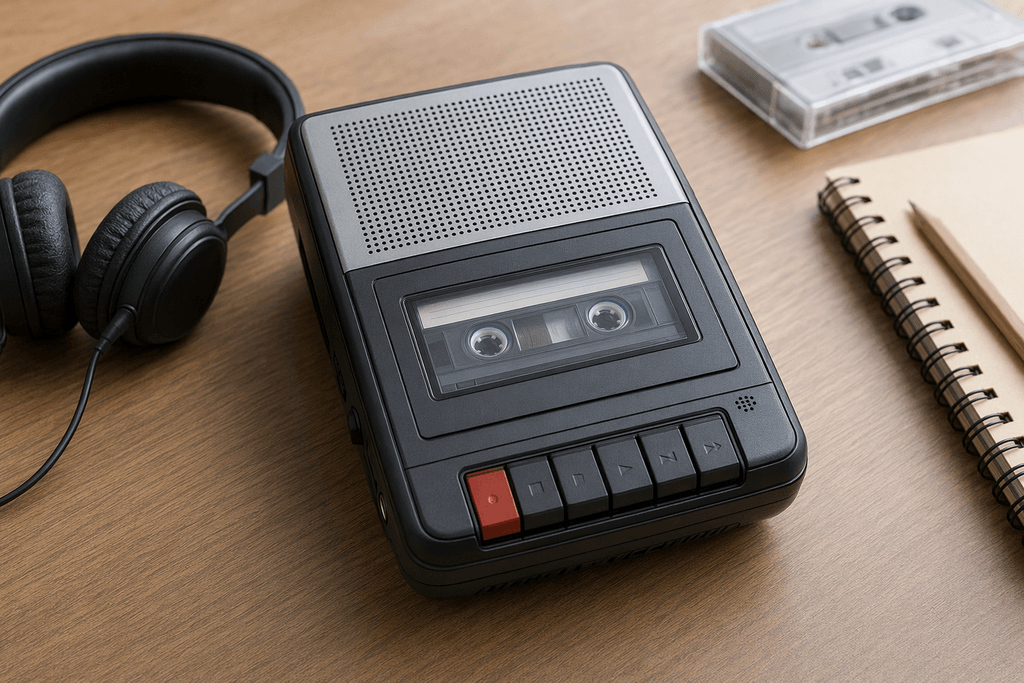
テープレコーダー
ටේප් රෙකෝඩරය
テープレコーダー
ටේප් රෙකෝඩරය
Explanation
ටේප් රෙකෝඩරය
テープレコーダー
ටේප් රෙකෝඩරය / ශබ්දය ටේප් එකකට පටිගත හා නැවත වාදනය කරන උපකරණය
( romanization )
( counter )
夏休み
ගිම්හාන නිවාඩුව
夏休み
ගිම්හාන නිවාඩුව
Explanation
夏休み
ගිම්හාන නිවාඩුව
夏休み
ගිම්හාන නිවාඩුව / ගිම්හාන විවේක කාලය / ගිම්හාන පාසල්/විශ්වවිද්යාල වාර නිවාඩුව

( Base form )
( romanization )
嫌い
අකමැති
嫌い
අකමැති
Explanation
嫌い
අකමැති
嫌い
අකැමති (වීම) / වෛරකාරී/ආක්රෝශකාරී; පිළිකුල්කාරී / (~嫌いがある) ප්රවණතාවක්/ඇදවැටීමක් තිබීම

Word Forms
The basic and commonly used forms of this adjectival noun.
Basic forms
| Form | Word form | Usage |
|---|---|---|
| Imperfective form (mizenkei) | Used in forms such as darou. | |
| Continuative form (renyokei) |
Alternative:
嫌いに
嫌いだっ
|
Used with de or ni. |
| Conclusive form (shushikei) | Ends a sentence with da. | |
| Attributive form (rentaikei) |
Alternative:
嫌いの
|
Modifies a noun with na. |
| Conditional form (kateikei) |
Alternative:
嫌いであれば
|
Expresses a condition with nara. |
| Imperative form (meireikei) | Used in formal expressions such as de are. |
Common forms
| Form | Word form | Usage |
|---|---|---|
| Te-form equivalent | Connects clauses using de. | |
| Ta-form |
Alternative:
嫌いでした
|
Expresses the past with datta. |
| Nai-form |
Alternative:
嫌いじゃない
|
Expresses negation with dewa nai or ja nai. |
| Desu-form | Used for polite speech. |
Notes
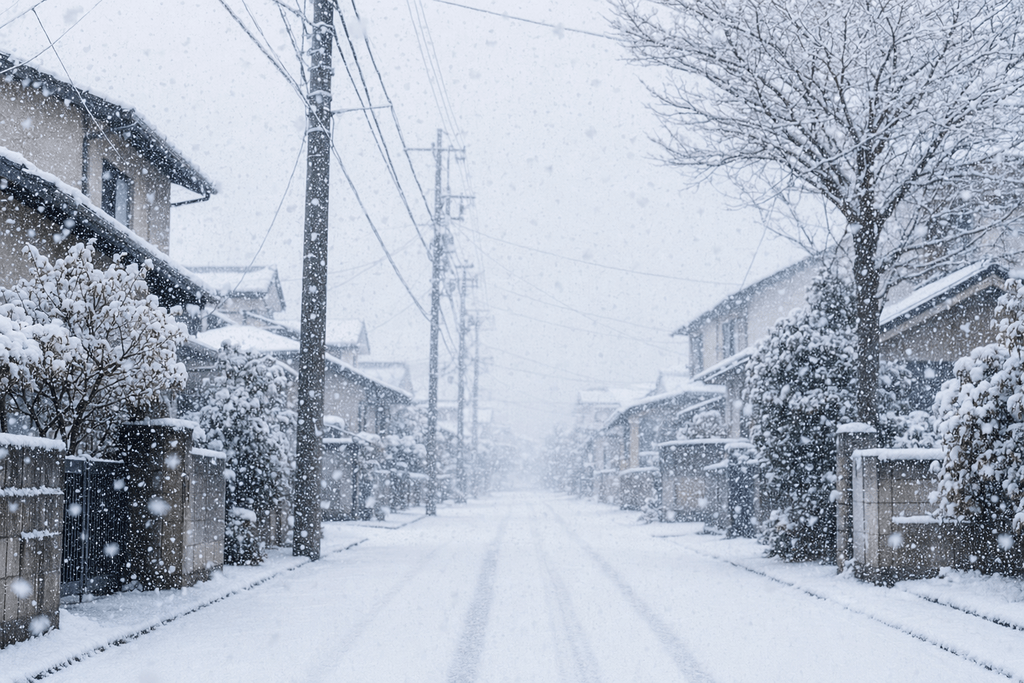
雪
හිම
雪
හිම
Explanation
雪
හිම
雪
හිම / හිම වැටීම / හිම තට්ටුව
時々
සමහර විට
時々
සමහර විට
Explanation
時々
සමහර විට
時々
සමහර වෙලාවට / අවස්ථානුකූලව / කලකදී කලාට

( Base form )
( romanization )
( hiragana )
Loading...

JLPT N5 多言語単語帳・665語 / JLPT N5 Multilingual Vocabulary: 665 Words

Jonathan Waller 氏の JLPT Resources の語彙リスト・レベル分類を出典とし、CC BY の条件に従って DiQt が初級向けに意味を作り直した665語の単語帳です。JLPT公式の語彙リストではありません。
This collection of 665 words is based on the vocabulary list and level classifications in Jonathan Waller’s JLPT Resources under CC BY, with meanings rewritten by DiQt for beginners. It is not an official JLPT vocabulary list.
Key Operations
Select the first quiz:
Ctrl + Enter
View Explanation:Ctrl + G
Close a feedback:Esc
When selecting a quiz
Answer:Enter
Select a choice:↓ or ↑
Reading out the question:Ctrl + K
View Hint: Ctrl + M
I don't know: Ctrl + Y



