
JLPT N1 වචන අර්ථ පුහුණුව - Unsolved

පිළිතුරු විකල්ප හතරක් ඇති ප්රශ්න මඟින් JLPT N1 වචන 3032ක අර්ථ සිංහලෙන් ඉගෙන ගන්න.
-
අවහිරය / අරමුදල් අත්හිටුවීම
-
මේදය
-
කැරැල්ල
-
නිර්වින්දනය
-
ධනය
-
පවුල් ලේඛනය
-
ආදර්ශය
-
යෝජනාව අනුමත කිරීම
-
යුගයක පළමු වසර
-
මල් පාත්තිය
-
ඇසිරීම
-
කර්තෘත්වය
-
බියෙන් සැක කරනවා
-
සම්බන්ධ කරනවා / බද්ධ කරනවා
-
ආදරය කරනවා
-
අවසන් අදියර
-
ඇඳ ඇතිරිලි
-
ඉදිරි හැකියාව
-
අරාබි ජාතිකයා
-
එක් බැල්මක්
-
සටන් පාඨය
-
අවිවාහක බව
-
මළපහ
-
පුද්ගල ඉතිහාසය / වාර්තා සටහන
-
විලාසිතාමය
-
අසාධාරණ / නොසැලකිලිමත්
-
ගතික
-
හිඟ
-
හිස් / නිෂ්ඵල
-
සංකීර්ණ
分離
වෙන්කිරීම
分離
වෙන්කිරීම
Explanation
分離
වෙන්කිරීම
分離
වෙන් කිරීම / වෙන්වීම / (රේඩියෝ ආදියේ) තේරීම් හැකියාව / සංවේදීතාව
නව ද්රව්යයන් ප්රායෝගික භාවිතයට ගෙන ඒම සඳහා, අනවශ්ය සංඝටක සම්පූර්ණයෙන් වෙන් කරමින් ශුද්ධතාවය අවසාන සීමාව දක්වා ඉහළ නැංවීමේ ක්රියාවලිය අත්යවශ්ය වේ.

( Base form )
( romanization )
( hiragana )
錯誤
වරද
錯誤
වරද
Explanation
錯誤
වරද
錯誤
දෝෂය / වැරැද්ද / චුකිය

( Base form )
( romanization )
( hiragana )
類似
සමානකම
類似
සමානකම
Explanation
類似
සමානකම
類似
සමානතාවය / සදෘශ්යතාවය / අනුරූපත්වය

( Base form )
( romanization )
( hiragana )
従事
කටයුත්තක නිරත වීම
従事
කටයුත්තක නිරත වීම
Explanation
従事
කටයුත්තක නිරත වීම
従事
යම් කාර්යයක නිරත වීම / යම් වැඩකට සම්බන්ධ වීම / සේවයට යෙදීම
ජාත් යන්තර මානව හිමිකම් ක් රියාකාරකම්වල වසර ගණනාවක නිරත වීම ගැටුම් කලාපවල සිවිල් වැසියන් ආරක්ෂා කළ යුතු ආකාරය පිළිබඳ සැලකිය යුතු අවබෝධයක් ලබා දුන්නේය.

( Base form )
( romanization )
( hiragana )
逃す
පැන යන්න දෙනවා / අවස්ථාව මඟහරිනවා
逃す
පැන යන්න දෙනවා / අවස්ථාව මඟහරිනවා
Explanation
逃す
පැන යන්න දෙනවා / අවස්ථාව මඟහරිනවා
逃す
අවස්ථාවක් මඟ හැරීම / අල්ලාගැනීමට අසමත් වීම / පලායන්න ඉඩ දීම

Word Forms
The basic and commonly used forms of this verb.
Basic forms
| Form | Word form | Usage |
|---|---|---|
| Imperfective form (mizenkei) |
Alternative:
逃そ
|
Connects to endings such as nai, reru, and seru. |
| Continuative form (renyokei) | Connects to endings such as masu, tai, and ta. | |
| Conclusive form (shushikei) | Ends a sentence and serves as the dictionary form. | |
| Attributive form (rentaikei) | Modifies a noun. | |
| Conditional form (kateikei) | Combines with ba to express a condition. | |
| Imperative form (meireikei) | Expresses a command or instruction. |
Common forms
気立て
සහජ ගතිගුණ
気立て
සහජ ගතිගුණ
Explanation
気立て
සහජ ගතිගුණ
気立て
පෞරුෂය / ස්වභාවය / චරිත ගුණාංග

( Base form )
( romanization )
増し
වැඩිවීම / වඩා හොඳ
増し
වැඩිවීම / වඩා හොඳ
Explanation
増し
වැඩිවීම / වඩා හොඳ
増し
වැඩිවීම / අමතරය / වැඩි ප්රමාණය

( Base form )
( romanization )
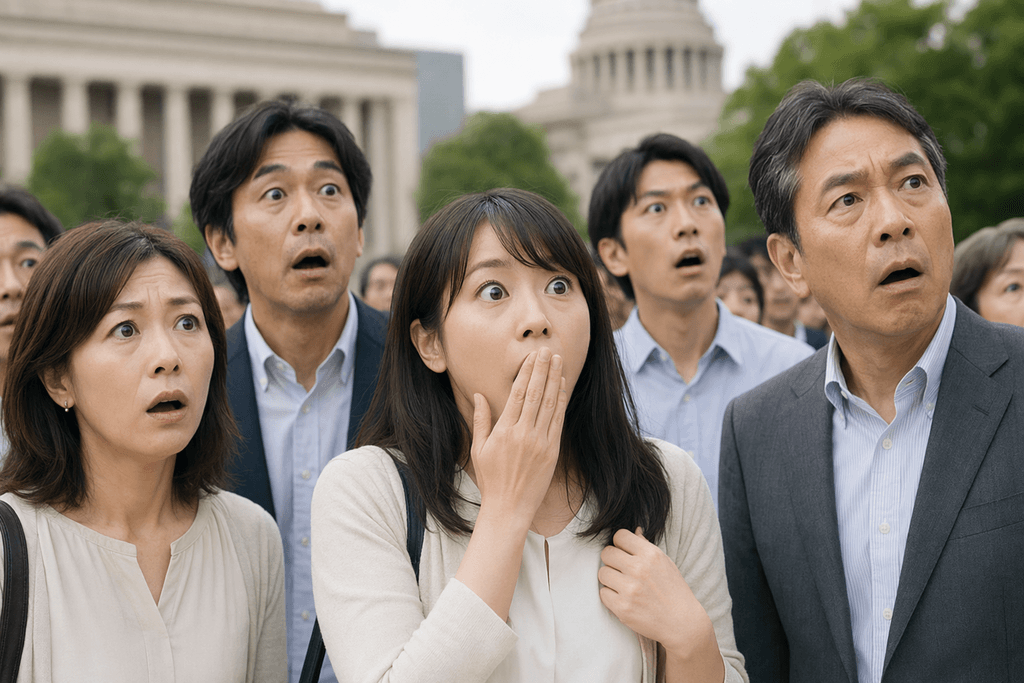
驚き
පුදුමය
驚き
පුදුමය
Explanation
驚き
පුදුමය
驚き
පුදුමය / විස්මය / ආඝාතක ආශ්චර්යය
( Base form )
( romanization )
陰気
අඳුරු සිත් ඇති
陰気
අඳුරු සිත් ඇති
Explanation
陰気
අඳුරු සිත් ඇති
陰気
අඳුරු / මලිනකම් සහිත / විෂාදමය

Word Forms
The basic and commonly used forms of this adjectival noun.
Basic forms
| Form | Word form | Usage |
|---|---|---|
| Imperfective form (mizenkei) | Used in forms such as darou. | |
| Continuative form (renyokei) |
Alternative:
陰気に
|
Used with de or ni. |
| Conclusive form (shushikei) | Ends a sentence with da. | |
| Attributive form (rentaikei) |
Alternative:
陰気の
|
Modifies a noun with na. |
| Conditional form (kateikei) | Expresses a condition with nara. | |
| Imperative form (meireikei) | Used in formal expressions such as de are. |
Common forms
望ましい
අභිමත
望ましい
අභිමත
Explanation
望ましい
අභිමත
望ましい
අවශ්ය / කැමතිවන/කැමති / ඉතා හොඳ (යෝග්ය)

Word Forms
The basic and commonly used forms of this adjective.
Basic forms
| Form | Word form | Usage |
|---|---|---|
| Imperfective form (mizenkei) | Used in forms such as karou; mainly literary. | |
| Continuative form (renyokei) |
Alternative:
望ましかっ
|
Used in forms such as kute and kunai. |
| Conclusive form (shushikei) | Ends a sentence. | |
| Attributive form (rentaikei) | Modifies a noun. | |
| Conditional form (kateikei) | Expresses a condition with kereba. | |
| Imperative form (meireikei) | Rarely used in modern Japanese. |
Common forms
Loading...

JLPT N1 多言語単語帳・3032語 / JLPT N1 Multilingual Vocabulary: 3032 Words

Jonathan Waller 氏の JLPT Resources の語彙リスト・レベル分類を出典とし、CC BY の条件に従って DiQt が学習者向けに意味を作り直した3032語の単語帳です。JLPT公式の語彙リストではありません。
This collection of 3032 words is based on the vocabulary list and level classifications in Jonathan Waller’s JLPT Resources under CC BY, with meanings rewritten by DiQt for learners. It is not an official JLPT vocabulary list.
Key Operations
Select the first quiz:
Ctrl + Enter
View Explanation:Ctrl + G
Close a feedback:Esc
When selecting a quiz
Answer:Enter
Select a choice:↓ or ↑
Reading out the question:Ctrl + K
View Hint: Ctrl + M
I don't know: Ctrl + Y



