
JLPT N1 වචන අර්ථ පුහුණුව - Unsolved

පිළිතුරු විකල්ප හතරක් ඇති ප්රශ්න මඟින් JLPT N1 වචන 3032ක අර්ථ සිංහලෙන් ඉගෙන ගන්න.
-
නම සටහන් කිරීම
-
බෞද්ධ භික්ෂුව
-
හඬගෑම / යටිගිරියෙන් කෑගැසීම
-
සැරසිල්ල
-
සැබෑ වියදම
-
අනුක්රමික සැකැස්ම
-
ප්රකෘති
-
දැඩි / නිවැරදි
-
විවෘතව පෙනෙන
-
ප්රයෝජනය
-
චක්රය
-
දෘෂ්ටි ක්ෂේත්රය / දැක්ම
-
සියල්ලට වඩා
-
කරුණාකර
-
විශේෂයෙන්
-
මහජන සාමය
-
නිල නිවේදනය
-
වෙනත් සැඟවුණු අභිප්රාය
-
අවුල් වූ / විකාර
-
යහපත් හදවතැති
-
ප්රසිද්ධ
-
ස්වර්ණමය අවධිය
-
හාදයා
-
පළ කිරීම
-
මතභේද ඇති වෙනවා
-
අසනීප වෙනවා
-
විනාශ කරනවා / කොල්ලකනවා
-
සානුව
-
එක් ක්රියාවක්
-
ප්රතිචාරය / අනුරූපතාව
ジャンル
ප්රභේදය
ジャンル
ප්රභේදය
Explanation
ප්රභේදය
ジャンル
වර්ගය / කලා/සාහිත්ය රචනා වර්ගය / සංගීත හෝ චිත්රපට වර්ගය
සාහිත් ය කෘතියක් ඇගයීමේදී, යමෙකු එය අහම්බෙන් ප් රභේදයේ රාමුව යටතේ යටත් නොකළ යුතුය, නමුත් එහි ඓතිහාසික සන්දර්භය සහ ප් රකාශනයේ එහි අපගමනයන් පරීක්ෂා කළ යුතුය.

( romanization )
画
අකුරු ඉර
画
අකුරු ඉර
Explanation
画
අකුරු ඉර
画
චිත්රය; රූපය / අක්ෂරයක ඉරි/රේඛාව / යෝජනාව; සැලැස්ම

( romanization )
( kyūjitai )
( hiragana )
ぞんざい
නොසැලකිලිමත් / රළු
ぞんざい
නොසැලකිලිමත් / රළු
Explanation
නොසැලකිලිමත් / රළු
ぞんざい
අසාධාරණ ලෙස රළු/අශිෂ්ට / කෙටි හා අගෞරවයෙන් යුත් / අවිධිමත් ලෙස නොසැලකිලිමත්

Word Forms
The basic and commonly used forms of this adjectival noun.
Basic forms
| Form | Word form | Usage |
|---|---|---|
| Imperfective form (mizenkei) | Used in forms such as darou. | |
| Continuative form (renyokei) |
Alternative:
ぞんざいに
|
Used with de or ni. |
| Conclusive form (shushikei) | Ends a sentence with da. | |
| Attributive form (rentaikei) | Modifies a noun with na. | |
| Conditional form (kateikei) | Expresses a condition with nara. | |
| Imperative form (meireikei) | Used in formal expressions such as de are. |
Common forms
一見
පළමුවර පැමිණි අමුත්තා
一見
පළමුවර පැමිණි අමුත්තා
Explanation
一見
පළමුවර පැමිණි අමුත්තා
一見
පළමු වරට පැමිණෙන ගනුදෙනුකරු (හඳුන්වාදීමක් නැති) / එක් ඇස් පහරක්; ඉක්මන් බැලීමක් / මුලින්ම බැලූ විට

( Base form )
( romanization )
( hiragana )
たとえ
වුවත්
たとえ
වුවත්
Explanation
වුවත්
たとえ
ඒත්… වුණත් / කෙසේ නමුත් (වුණත්) / …වුණ ද (හෝ)

( romanization )
( romanization )
( hiragana historical )
ポジション
ස්ථානය
ポジション
ස්ථානය
Explanation
ස්ථානය
ポジション
ස්ථානය / තනතුර / භූමිකාව
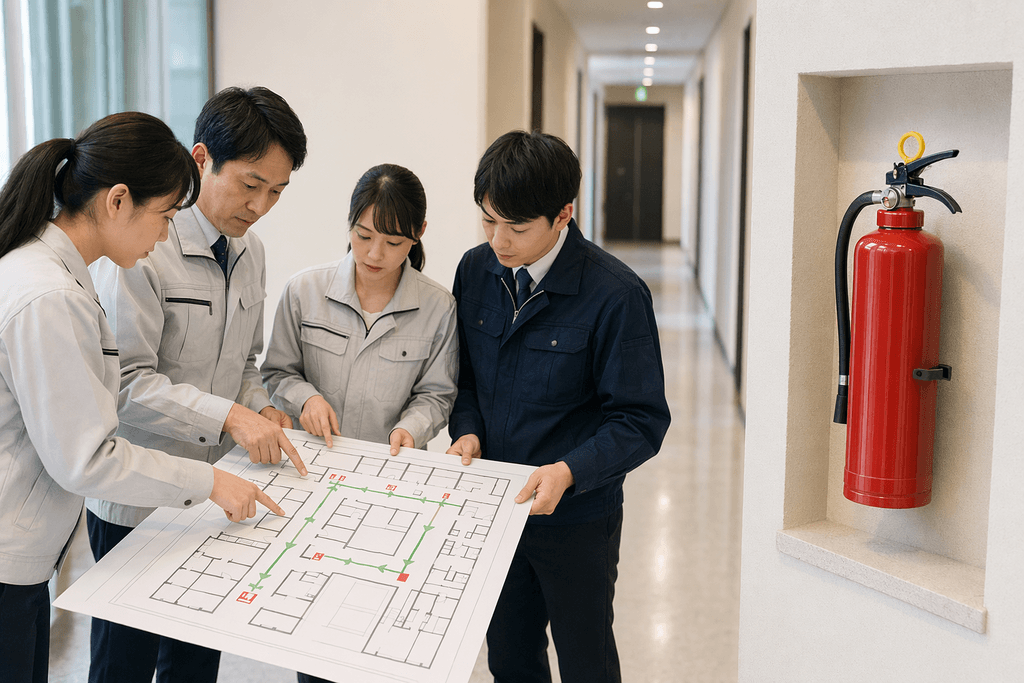
අත්යවශ්ය හදිසි අවස්ථාවකට සූදානම්ව, සියලු දෙනාටම ඉවතට පලා යාමේ මාර්ගයේ ඇති ගිනි නිවීමේ උපකරණවල පිහිටීම් වහාම හඳුනාගත හැකි ලෙස, සැලැස්ම (ස්ථානගත කිරීමේ සිතියම) යාවත්කාලීන කළා.
( romanization )
おろか
මෝඩ
おろか
මෝඩ
Explanation
මෝඩ
おろか
මෝඩ / අඥාන / නුවණ අඩු

Word Forms
The basic and commonly used forms of this adjectival noun.
Basic forms
| Form | Word form | Usage |
|---|---|---|
| Imperfective form (mizenkei) |
Alternative:
おろかだろ
|
Used in forms such as darou. |
| Continuative form (renyokei) |
Alternative:
愚かに
おろかで
おろかに
|
Used with de or ni. |
| Conclusive form (shushikei) |
Alternative:
おろかだ
|
Ends a sentence with da. |
| Attributive form (rentaikei) |
Alternative:
おろかな
|
Modifies a noun with na. |
| Conditional form (kateikei) |
Alternative:
おろかなら
|
Expresses a condition with nara. |
| Imperative form (meireikei) |
Alternative:
おろかであれ
|
Used in formal expressions such as de are. |
Common forms
| Form | Word form | Usage |
|---|---|---|
| Te-form equivalent |
Alternative:
おろかで
|
Connects clauses using de. |
| Ta-form |
Alternative:
おろかだった
|
Expresses the past with datta. |
| Nai-form |
Alternative:
愚かじゃない
おろかではない
おろかじゃない
|
Expresses negation with dewa nai or ja nai. |
| Desu-form |
Alternative:
おろかです
|
Used for polite speech. |
時差
වේලා වෙනස
時差
වේලා වෙනස
Explanation
時差
වේලා වෙනස
時差
වේලා පරතරය / වේලා වෙනස / වේලා කලාප අතර වේලා වෙනස

( Base form )
( romanization )
( hiragana )
慣らす
හුරුකරවනවා
慣らす
හුරුකරවනවා
Explanation
慣らす
හුරුකරවනවා
慣らす
අවුරුදු කරවීම / පුරුදු කරවීම / හුරු කරවීම

Word Forms
The basic and commonly used forms of this verb.
Basic forms
| Form | Word form | Usage |
|---|---|---|
| Imperfective form (mizenkei) | Connects to endings such as nai, reru, and seru. | |
| Continuative form (renyokei) | Connects to endings such as masu, tai, and ta. | |
| Conclusive form (shushikei) | Ends a sentence and serves as the dictionary form. | |
| Attributive form (rentaikei) | Modifies a noun. | |
| Conditional form (kateikei) | Combines with ba to express a condition. | |
| Imperative form (meireikei) | Expresses a command or instruction. |
Common forms
革新
නවෝත්පාදනය
革新
නවෝත්පාදනය
Explanation
革新
නවෝත්පාදනය
革新
ප්රතිසංස්කරණය / නවෝත්පාදනය / ප්රගතිශීලි (දේශපාලන) බලවේග

( Base form )
( romanization )
( hiragana )
Loading...

JLPT N1 多言語単語帳・3032語 / JLPT N1 Multilingual Vocabulary: 3032 Words

Jonathan Waller 氏の JLPT Resources の語彙リスト・レベル分類を出典とし、CC BY の条件に従って DiQt が学習者向けに意味を作り直した3032語の単語帳です。JLPT公式の語彙リストではありません。
This collection of 3032 words is based on the vocabulary list and level classifications in Jonathan Waller’s JLPT Resources under CC BY, with meanings rewritten by DiQt for learners. It is not an official JLPT vocabulary list.
Key Operations
Select the first quiz:
Ctrl + Enter
View Explanation:Ctrl + G
Close a feedback:Esc
When selecting a quiz
Answer:Enter
Select a choice:↓ or ↑
Reading out the question:Ctrl + K
View Hint: Ctrl + M
I don't know: Ctrl + Y



