
JLPT N1 වචන අර්ථ පුහුණුව - Unsolved

පිළිතුරු විකල්ප හතරක් ඇති ප්රශ්න මඟින් JLPT N1 වචන 3032ක අර්ථ සිංහලෙන් ඉගෙන ගන්න.
-
නිදහස් කිරීම
-
කඳු ගැට පෙළ
-
පේළිගැසීම
-
අරමුණ කරා නැඹුරුව
-
සාමාන්ය විස්තරය
-
ආරක්ෂක පිරිවර
-
මේස්
-
මාලිගාව
-
යටින් පවතින පදනම
-
සවිස්තර
-
උපායශීලී
-
සැලකිලිමත් / සියුම්
-
කුසපත් ඇදීම
-
මුහුදු මට්ටමට ඉහළ උස
-
බහුකාර්යතාව / සර්වබලය
-
අනාරක්ෂිත බව දැනෙන / හුදකලා
-
අතිවිශාල
-
උදාසීන ලෙස රළු
-
තෙතමනය
-
කලත්රයා
-
තනතුරෙන් ඉල්ලා අස්වීම
-
සුදුසුකම
-
එක් හුස්මක් / කෙටි විවේකය
-
සමාජ පන්තිය / නිලය
-
හානි කරනවා / කරන්න බැරි වෙනවා
-
වටහාගන්නවා / අවබෝධයට පත් වෙනවා
-
සැබෑ වෙනවා
-
කැපී පෙනී ලස්සන වෙනවා
-
බල කරනවා
-
දුම් නඟිනවා
- 「嵌まる・填まる」に相当する五段活用(ラ行)の動詞。
保障
සුරක්ෂාව
保障
සුරක්ෂාව
Explanation
保障
සුරක්ෂාව
保障
ඇපය / වගකීම / ආරක්ෂාකාරී සහතිකය

( Base form )
( romanization )
( hiragana )
仕様
පිරිවිතර / ක්රමය
仕様
පිරිවිතර / ක්රමය
Explanation
仕様
පිරිවිතර / ක්රමය
仕様
ක්රමය; මාර්ගය / (තාක්ෂණික) පිරිවිතර; විස්තරකරණය / (ඉංජිනේරු/මෘදුකාංග) නිර්දේශ/පිරිවිතර ලේඛනය

( Base form )
( romanization )
( romanization )
( hiragana historical )
( hiragana )
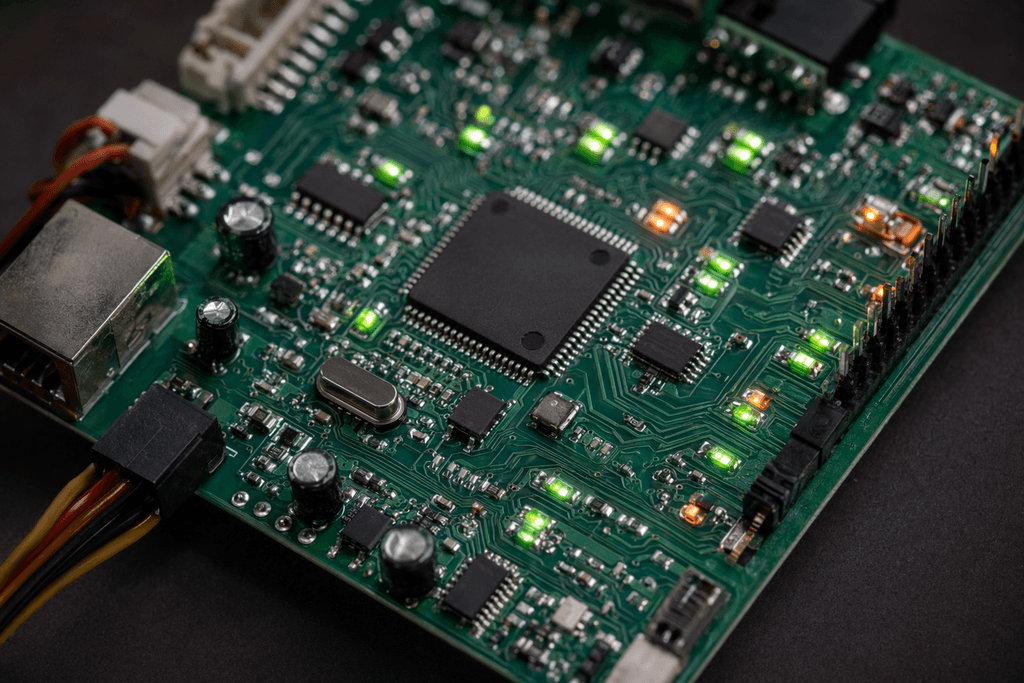
回路
විදුලි පරිපථය
回路
විදුලි පරිපථය
Explanation
回路
විදුලි පරිපථය
回路
(විදුලි/ඉලෙක්ට්රොනික) සර්කිට් එක / වටපථය (ධාරා/සංඥා ගමන් කරන මාර්ග ජාලය) / නියුරල් සර්කිට්/නාඩී පථය
( Base form )
( romanization )
( hiragana )
正常
ප්රකෘති
正常
ප්රකෘති
Explanation
正常
ප්රකෘති
正常
සාමාන්ය / යථා තත්ත්වයේ / නිසි/සාමාන්ය තත්ත්වයට අනුකූල

Word Forms
The basic and commonly used forms of this adjectival noun.
Basic forms
| Form | Word form | Usage |
|---|---|---|
| Imperfective form (mizenkei) | Used in forms such as darou. | |
| Continuative form (renyokei) |
Alternative:
正常に
|
Used with de or ni. |
| Conclusive form (shushikei) | Ends a sentence with da. | |
| Attributive form (rentaikei) |
Alternative:
正常なる
|
Modifies a noun with na. |
| Conditional form (kateikei) | Expresses a condition with nara. | |
| Imperative form (meireikei) | Used in formal expressions such as de are. |
Common forms
渡り鳥
සංක්රමණික පක්ෂියා
渡り鳥
සංක්රමණික පක්ෂියා
Explanation
渡り鳥
සංක්රමණික පක්ෂියා
渡り鳥
සංක්රමණික පක්ෂියා / පසුබැසීම-ඉදිරියට ගමන් කරන පක්ෂියා / කාලානුරූපයෙන් ස්ථාන මාරු කරන පක්ෂියා
ඍතුවේ වෙනස්වීම පවසන්නාක් මෙන්, සංක්රමණීය පක්ෂීන් සෑම වසරකම නියමිත ගුවන් මාර්ගයක් අනුගමනය කරමින් කිලෝමීටර් දහස් ගණනක දුර පුරාම දිගින් දිගට පියාසර කරති.

( Base form )
( romanization )
( hiragana )
容易い
පහසු
容易い
පහසු
Explanation
容易い
පහසු
容易い
පහසු / ලේසි / සැහැල්ලු

Word Forms
The basic and commonly used forms of this adjective.
Basic forms
| Form | Word form | Usage |
|---|---|---|
| Imperfective form (mizenkei) | Used in forms such as karou; mainly literary. | |
| Continuative form (renyokei) |
Alternative:
容易かっ
|
Used in forms such as kute and kunai. |
| Conclusive form (shushikei) | Ends a sentence. | |
| Attributive form (rentaikei) | Modifies a noun. | |
| Conditional form (kateikei) | Expresses a condition with kereba. | |
| Imperative form (meireikei) | Rarely used in modern Japanese. |
Common forms
判
මුද්රාව / තීන්දුව
判
මුද්රාව / තීන්දුව
Explanation
判
මුද්රාව / තීන්දුව
判
මුද්රාව / මුද්රා ලකුණ / නිර්ණය / තීන්දුව

( romanization )
( hiragana )
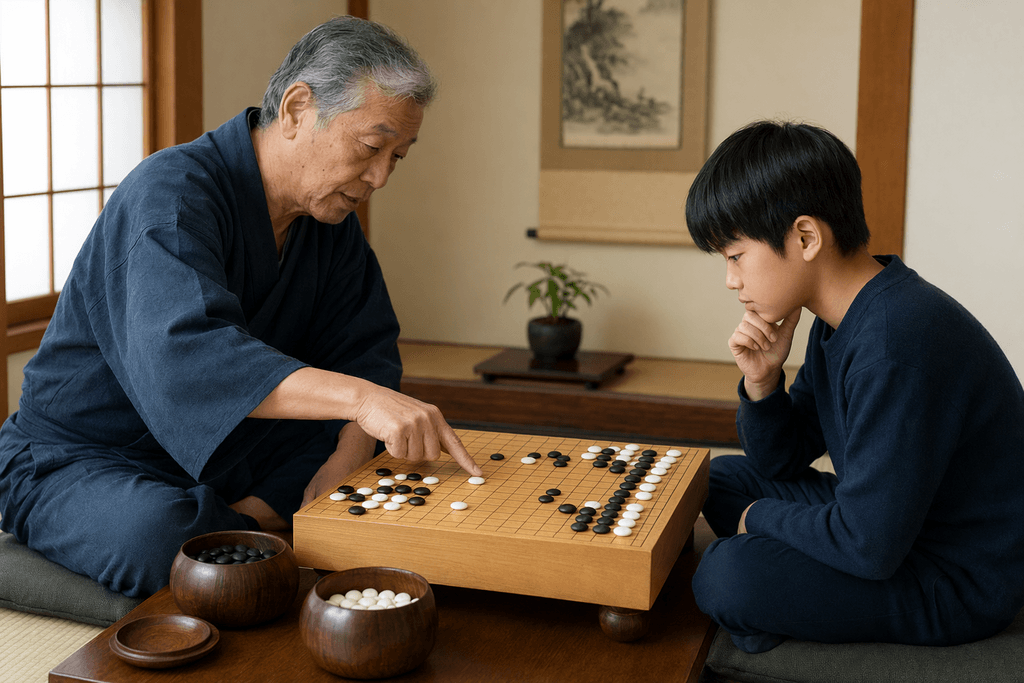
本格
අව්යාජ බව
本格
අව්යාජ බව
Explanation
本格
අව්යාජ බව
本格
මූලික නීති රීති / මූලධර්ම / මූලික ප්රතිපත්ති
( Base form )
( romanization )
( hiragana )
取り混ぜる
මිශ්ර කරනවා
取り混ぜる
මිශ්ර කරනවා
Explanation
取り混ぜる
මිශ්ර කරනවා
取り混ぜる
මිශ්ර කරගන්නවා / එකට එකතු කරලා සකස් කරනවා / මිශ්රණයක් කරනවා

Word Forms
The basic and commonly used forms of this verb.
Basic forms
| Form | Word form | Usage |
|---|---|---|
| Imperfective form (mizenkei) | Connects to endings such as nai, reru, and seru. | |
| Continuative form (renyokei) | Connects to endings such as masu, tai, and ta. | |
| Conclusive form (shushikei) | Ends a sentence and serves as the dictionary form. | |
| Attributive form (rentaikei) | Modifies a noun. | |
| Conditional form (kateikei) | Combines with ba to express a condition. | |
| Imperative form (meireikei) |
Alternative:
取り混ぜよ
|
Expresses a command or instruction. |
Common forms
はまる
ගැළපී බසිනවා / ඇලී යනවා
はまる
ගැළපී බසිනවා / ඇලී යනවා
Explanation
ගැළපී බසිනවා / ඇලී යනවා
はまる
(ගැළපුමෙන්) හොඳින් සවිවී ඇතුළට යාම/පැමිණීම / අල්ලාගෙන හිරවීම (ගැටලුවකට හෝ තැනකට) / යමකට ඇබ්බැහි වීම / තදින් ඇලීම

Word Forms
The basic and commonly used forms of this verb.
Basic forms
| Form | Word form | Usage |
|---|---|---|
| Imperfective form (mizenkei) |
Alternative:
はまろ
|
Connects to endings such as nai, reru, and seru. |
| Continuative form (renyokei) | Connects to endings such as masu, tai, and ta. | |
| Conclusive form (shushikei) | Ends a sentence and serves as the dictionary form. | |
| Attributive form (rentaikei) | Modifies a noun. | |
| Conditional form (kateikei) | Combines with ba to express a condition. | |
| Imperative form (meireikei) | Expresses a command or instruction. |
Common forms
| Form | Word form | Usage |
|---|---|---|
| Te-form | Connects clauses with te. | |
| Ta-form | Expresses the past with ta. | |
| Nai-form | Expresses negation with nai. | |
| Masu-form | Used for polite speech. | |
| Ba-form | Expresses a condition with ba. | |
| Volitional form | Expresses intention or invitation. |
Notes
Loading...

JLPT N1 多言語単語帳・3032語 / JLPT N1 Multilingual Vocabulary: 3032 Words

Jonathan Waller 氏の JLPT Resources の語彙リスト・レベル分類を出典とし、CC BY の条件に従って DiQt が学習者向けに意味を作り直した3032語の単語帳です。JLPT公式の語彙リストではありません。
This collection of 3032 words is based on the vocabulary list and level classifications in Jonathan Waller’s JLPT Resources under CC BY, with meanings rewritten by DiQt for learners. It is not an official JLPT vocabulary list.
Key Operations
Select the first quiz:
Ctrl + Enter
View Explanation:Ctrl + G
Close a feedback:Esc
When selecting a quiz
Answer:Enter
Select a choice:↓ or ↑
Reading out the question:Ctrl + K
View Hint: Ctrl + M
I don't know: Ctrl + Y



