
JLPT N1 වචන අර්ථ පුහුණුව - Unsolved

පිළිතුරු විකල්ප හතරක් ඇති ප්රශ්න මඟින් JLPT N1 වචන 3032ක අර්ථ සිංහලෙන් ඉගෙන ගන්න.
-
පොහොර
-
අමතර ව්යාපාරය
-
පණිවිඩය
-
සැකය
-
තිරය
-
පරාග
-
අවිවාහක බව
-
කුලුන
-
අවිශ්වාසවන්තකම
-
ශක්තිමත්
-
ජාත්යන්තර
-
ප්රකෘති
- 「裸足」は名詞的にも用いられ、「裸足の」「裸足で」が一般的です。
- 「玄人裸足」のように接尾的に用いて「専門家も及ばないほど優れている」の意を表すことがあります。
-
ප්රයෝජනවත් වෙනවා
-
ගෞරවයෙන් ලබනවා / පිරිනමනවා
-
ඇලී ගැලී සිටිනවා / තද වෙනවා
-
අභිමත
-
හොඳ
-
ආශාවෙන් බලාපොරොත්තු වන
-
ගරු කරනවා / මඟ පෙන්වීම ඉල්ලනවා
-
අගය කරනවා
-
සංයෝජනය කරනවා
-
අසල වටපිටාව
-
බලාපොරොත්තුව / විශ්වාසය
-
අගතිය
-
වැරදි ලෙස කරනවා / වෙනස් කරනවා
-
කරුණාවෙන් රැකබලා ගන්නවා
-
නීති ක්රියාත්මක කරනවා
- 「濯ぐ」は五段活用ガ行の動詞。読みは「すすぐ」。
- 未然形「濯ご」は主に意志形「濯ごう」に現れる形。
-
රාජකාරිය කළ හැකි වෙනවා
-
දැඩි කරනවා / තහවුරු කරනවා
-
පිම්බෙනවා / මූණ එල්ලගන්නවා
後退
පසුබැසීම / පිරිහීම
後退
පසුබැසීම / පිරිහීම
Explanation
後退
පසුබැසීම / පිරිහීම
後退
පසුබැසීම / ප්රතිගමනය / පිරිහීම

( Base form )
( romanization )
( hiragana )
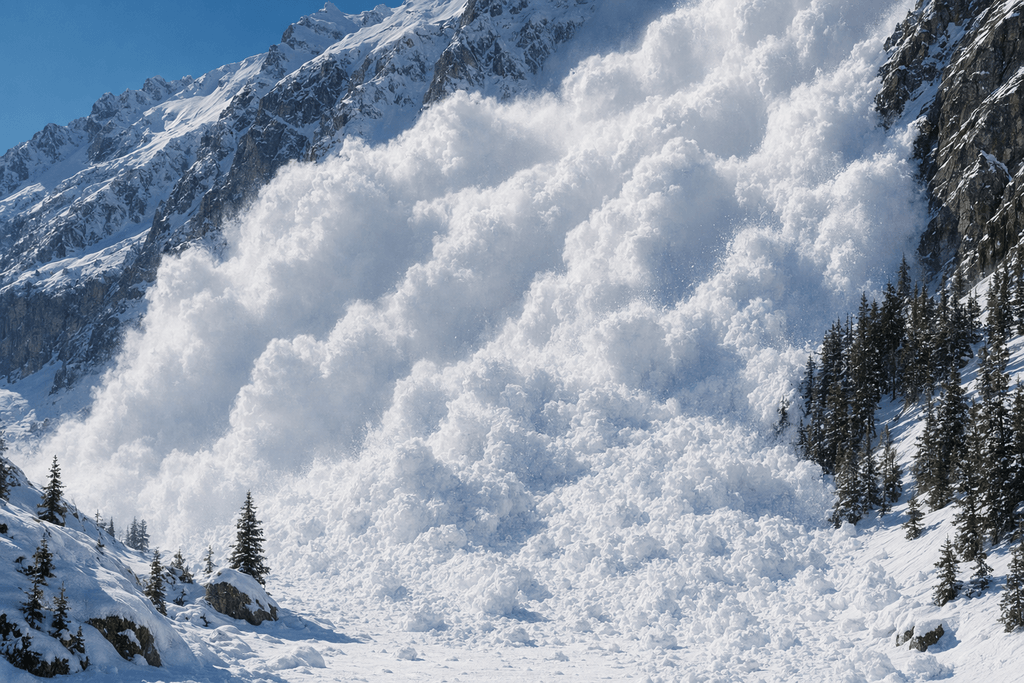
雪崩
හිම කඳු කඩා වැටීම
雪崩
හිම කඳු කඩා වැටීම
Explanation
雪崩
හිම කඳු කඩා වැටීම
雪崩
හිම පතනාව / හිම නායයාම / (රූපක) හදිසි ජන ගැලී යාම / විශාල පිරිසක් එකවර ගලා එම
විශේෂඥයින් අනතුරු අඟවා සිටියේ, උෂ්ණත්වය හදිසියේම ඉහළ යාම හා හිම පටිලයේ අස්ථාවරත්වය එකට ගැළපෙන විට, හිම වැටීම් (අවලංචන) දාමික ලෙස සිදුවිය හැකි බවයි.
( romanization )
( hiragana )
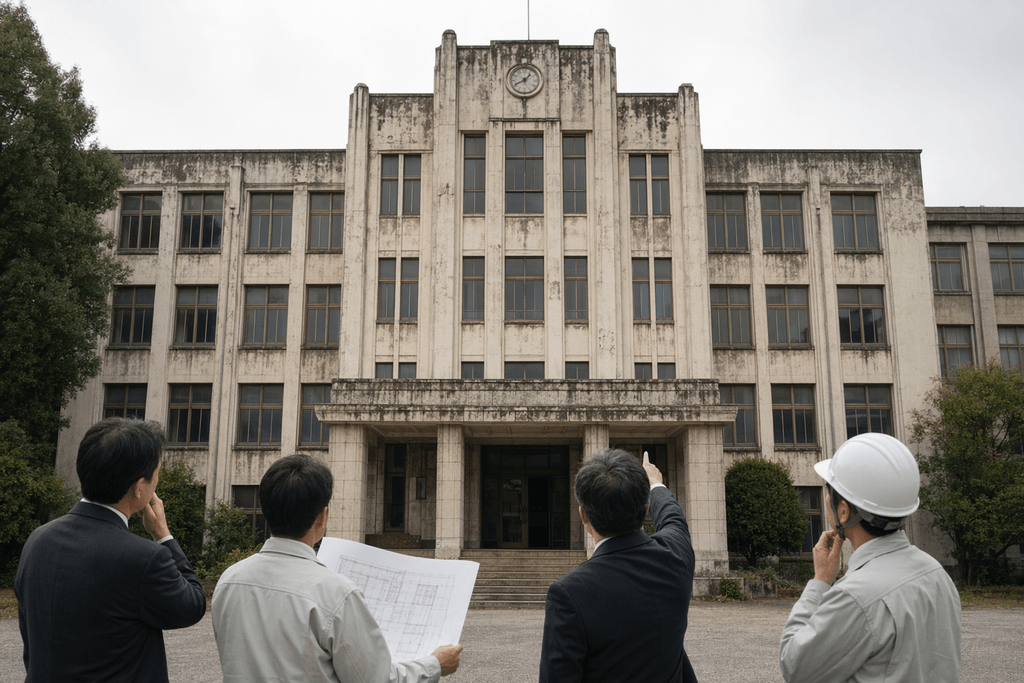
本館
ප්රධාන ගොඩනැගිල්ල
本館
ප්රධාන ගොඩනැගිල්ල
Explanation
本館
ප්රධාන ගොඩනැගිල්ල
本館
ප්රධාන ගොඩනැගිල්ල / ප්රධාන ශාලාව/ගොඩනැගිල්ල (අනුශාඛා නොවන)
( Base form )
( romanization )
( romanization )
( hiragana historical )
( hiragana )
裸足
පාවහන් රහිත
裸足
පාවහන් රහිත
Explanation
裸足
පාවහන් රහිත
裸足
නංගපා නොමැති (පාවහන් නැති) / නංගපා ලෙස / (…専門家に付いて) වඩා දක්ෂ / ඉහළ මට්ටමේ

Word Forms
The basic and commonly used forms of this adjectival noun.
Basic forms
| Form | Word form | Usage |
|---|---|---|
| Imperfective form (mizenkei) | Used in forms such as darou. | |
| Continuative form (renyokei) |
Alternative:
裸足に
裸足だっ
|
Used with de or ni. |
| Conclusive form (shushikei) | Ends a sentence with da. | |
| Attributive form (rentaikei) |
Alternative:
裸足の
|
Modifies a noun with na. |
| Conditional form (kateikei) |
Alternative:
裸足であれば
|
Expresses a condition with nara. |
| Imperative form (meireikei) | Used in formal expressions such as de are. |
Common forms
| Form | Word form | Usage |
|---|---|---|
| Te-form equivalent | Connects clauses using de. | |
| Ta-form | Expresses the past with datta. | |
| Nai-form |
Alternative:
裸足じゃない
|
Expresses negation with dewa nai or ja nai. |
| Desu-form | Used for polite speech. |
Notes
埋まる
වැළලී තිබෙනවා / පිරී යනවා
埋まる
වැළලී තිබෙනවා / පිරී යනවා
Explanation
埋まる
වැළලී තිබෙනවා / පිරී යනවා
埋まる
(පස්/වැලි යටට) වැළලී යාම / (ඉඩක්/කුහරයක්) පිරී යාම / (ගැඹුරට) කිඳී යාම

Word Forms
The basic and commonly used forms of this verb.
Basic forms
| Form | Word form | Usage |
|---|---|---|
| Imperfective form (mizenkei) |
Alternative:
埋まろ
|
Connects to endings such as nai, reru, and seru. |
| Continuative form (renyokei) | Connects to endings such as masu, tai, and ta. | |
| Conclusive form (shushikei) | Ends a sentence and serves as the dictionary form. | |
| Attributive form (rentaikei) | Modifies a noun. | |
| Conditional form (kateikei) | Combines with ba to express a condition. | |
| Imperative form (meireikei) | Expresses a command or instruction. |
Common forms
脆い
බිඳෙනසුලු / සංවේදී
脆い
බිඳෙනසුලු / සංවේදී
Explanation
脆い
බිඳෙනසුලු / සංවේදී
脆い
බිඳෙනසුලු / අස්ථිර/දුර්වල / සංවේදී (ඉක්මනින් හැඟීම් පැනෙන)

Word Forms
The basic and commonly used forms of this adjective.
Basic forms
| Form | Word form | Usage |
|---|---|---|
| Imperfective form (mizenkei) | Used in forms such as karou; mainly literary. | |
| Continuative form (renyokei) |
Alternative:
脆かっ
|
Used in forms such as kute and kunai. |
| Conclusive form (shushikei) | Ends a sentence. | |
| Attributive form (rentaikei) | Modifies a noun. | |
| Conditional form (kateikei) | Expresses a condition with kereba. | |
| Imperative form (meireikei) | Rarely used in modern Japanese. |
Common forms
見逃す
දැකගැනීමට නොහැකි වෙනවා / වරද නොසලකා හරිනවා
見逃す
දැකගැනීමට නොහැකි වෙනවා / වරද නොසලකා හරිනවා
Explanation
見逃す
දැකගැනීමට නොහැකි වෙනවා / වරද නොසලකා හරිනවා
見逃す
හිතාමතා නොසලකා හැරීම / දැක නොදැක අත්හැරීම / නොදැන මඟ හැරීම

Word Forms
The basic and commonly used forms of this verb.
Basic forms
| Form | Word form | Usage |
|---|---|---|
| Imperfective form (mizenkei) |
Alternative:
見逃そ
|
Connects to endings such as nai, reru, and seru. |
| Continuative form (renyokei) | Connects to endings such as masu, tai, and ta. | |
| Conclusive form (shushikei) | Ends a sentence and serves as the dictionary form. | |
| Attributive form (rentaikei) | Modifies a noun. | |
| Conditional form (kateikei) | Combines with ba to express a condition. | |
| Imperative form (meireikei) | Expresses a command or instruction. |
Common forms
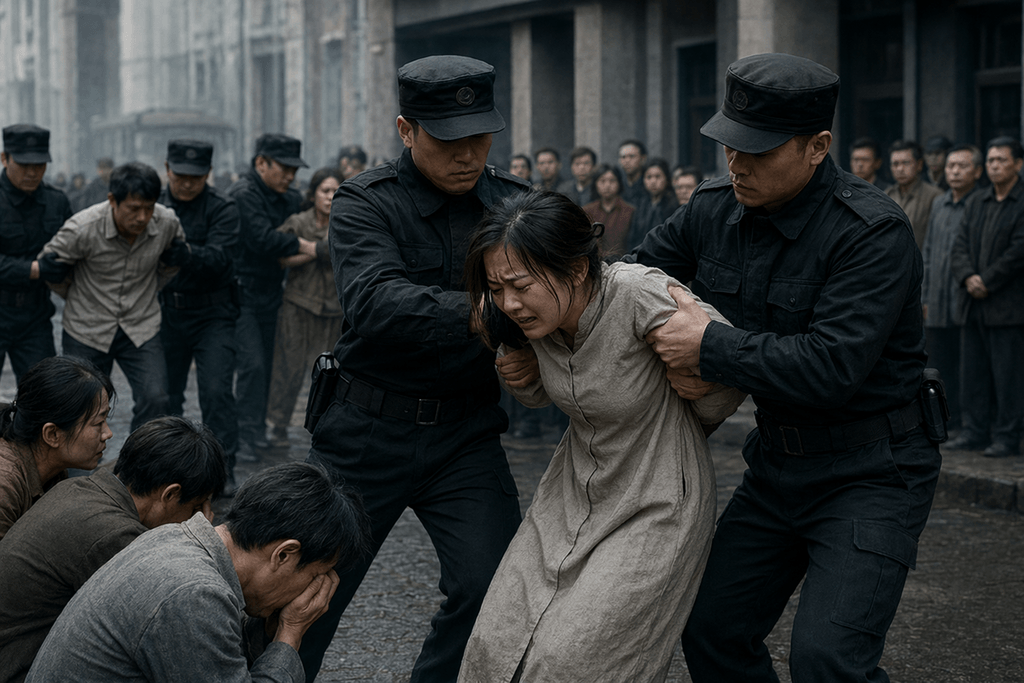
迫害
හිංසා පීඩා
迫害
හිංසා පීඩා
Explanation
迫害
හිංසා පීඩා
迫害
පීඩනය / වදහිංසා කිරීම / පීඩන කර හඹායාම
ඉතිහාසය දෙස ආපසු හැරී බලන විට, දෘෂ්ටිවාදයේ හෝ ඇදහිල්ලේ වෙනස්කම් මුවාවෙන් සිදු කරන ලද හිංසා පීඩා සමාජයේ හෘද සාක්ෂිය ඛාදනය කර ඇති ආකාරය පැහැදිලි වේ.
( Base form )
( romanization )
( hiragana )
濯ぐ
සෝදා හරිනවා
濯ぐ
සෝදා හරිනවා
Explanation
濯ぐ
සෝදා හරිනවා
濯ぐ
වතුරෙන් සේදන්න (රින්ස් කරන්න) / වතුරෙන් පිරිසිදු කරන්න

Word Forms
The basic and commonly used forms of this verb.
Basic forms
| Form | Word form | Usage |
|---|---|---|
| Imperfective form (mizenkei) |
Alternative:
濯ご
|
Connects to endings such as nai, reru, and seru. |
| Continuative form (renyokei) | Connects to endings such as masu, tai, and ta. | |
| Conclusive form (shushikei) | Ends a sentence and serves as the dictionary form. | |
| Attributive form (rentaikei) | Modifies a noun. | |
| Conditional form (kateikei) | Combines with ba to express a condition. | |
| Imperative form (meireikei) | Expresses a command or instruction. |
Common forms
| Form | Word form | Usage |
|---|---|---|
| Te-form | Connects clauses with te. | |
| Ta-form | Expresses the past with ta. | |
| Nai-form | Expresses negation with nai. | |
| Masu-form | Used for polite speech. | |
| Ba-form | Expresses a condition with ba. | |
| Volitional form | Expresses intention or invitation. |
Notes
読み上げる
හඬ නඟා කියවනවා
読み上げる
හඬ නඟා කියවනවා
Explanation
読み上げる
හඬ නඟා කියවනවා
読み上げる
හඬින් කියවීම / සද්දෙන් කියවා ඇසෙන්න කිරීම / කියවීම අවසන් කිරීම

Word Forms
The basic and commonly used forms of this verb.
Basic forms
| Form | Word form | Usage |
|---|---|---|
| Imperfective form (mizenkei) | Connects to endings such as nai, reru, and seru. | |
| Continuative form (renyokei) | Connects to endings such as masu, tai, and ta. | |
| Conclusive form (shushikei) | Ends a sentence and serves as the dictionary form. | |
| Attributive form (rentaikei) | Modifies a noun. | |
| Conditional form (kateikei) | Combines with ba to express a condition. | |
| Imperative form (meireikei) |
Alternative:
読み上げよ
|
Expresses a command or instruction. |
Common forms
Loading...

JLPT N1 多言語単語帳・3032語 / JLPT N1 Multilingual Vocabulary: 3032 Words

Jonathan Waller 氏の JLPT Resources の語彙リスト・レベル分類を出典とし、CC BY の条件に従って DiQt が学習者向けに意味を作り直した3032語の単語帳です。JLPT公式の語彙リストではありません。
This collection of 3032 words is based on the vocabulary list and level classifications in Jonathan Waller’s JLPT Resources under CC BY, with meanings rewritten by DiQt for learners. It is not an official JLPT vocabulary list.
Key Operations
Select the first quiz:
Ctrl + Enter
View Explanation:Ctrl + G
Close a feedback:Esc
When selecting a quiz
Answer:Enter
Select a choice:↓ or ↑
Reading out the question:Ctrl + K
View Hint: Ctrl + M
I don't know: Ctrl + Y



