
JLPT N1 වචන අර්ථ පුහුණුව - Unsolved

පිළිතුරු විකල්ප හතරක් ඇති ප්රශ්න මඟින් JLPT N1 වචන 3032ක අර්ථ සිංහලෙන් ඉගෙන ගන්න.
-
චෙක්පත
-
සැකැස්ම / අමු මාළු පෙති
-
හෙද සත්කාරය
-
ඉක්මන් කරවනවා
-
තබනවා
-
මල් සකසනවා
-
නාට්ය පිටපත
-
ඇහිබැම
-
පෙනහැල්ල
-
කිතිකැවෙන
-
නින්දිත
-
කෑදර
- 「ない」を含むが、語全体でイ形容詞として活用する。
-
සුබ රාත්රියක්
-
බොහෝ කලකින් හමුවුණේ
-
දැන් ඉතින් / තීරණාත්මක මොහොත
-
දැඩි කරනවා / තහවුරු කරනවා
-
ආක්රමණය කරනවා / උල්ලංඝනය කරනවා
-
ගොඩවදිනවා
-
නිතර සිදුවන
-
සියුමැලි / සිහින්
-
අඳුරු සිත් ඇති
-
අධෛර්යයෙන් / හදිසියේ පහතට
-
සාමාන්යයෙන්
-
නිවැරදිව / තදින්
-
ත්රිමාන වස්තුව
-
අභිරහස
-
ගෙවීම් හිඟය
-
උපතින්
-
වුවත්
-
යන්තමින්
罰
දඬුවම
罰
දඬුවම
Explanation
罰
දඬුවම
罰
දඬුවම / ශාස්තිය / දණ්ඩනය

( romanization )
( hiragana )
呼び止める
අඬගසා නවත්වනවා
呼び止める
අඬගසා නවත්වනවා
Explanation
呼び止める
අඬගසා නවත්වනවා
呼び止める
නවත්වන්නැයි කියා කැඳවීම / යන කෙනා නවතවා හඬවීම / නවතන්න ලෙස අමතීම
දුම්රිය ස්ථානයේ ටිකට් පරීක්ෂණ ගේට්ටුවෙන් පිටවූ තැනදී, පසුපසින් මගේ නම අහලා කතා කළා. නොසිතාම නතර වෙලා හැරී බැලූ විට, ඔවුන් මගෙන් සම්මුඛ සාකච්ඡාවක් සඳහා ඉල්ලීමක් කළා.

Word Forms
The basic and commonly used forms of this verb.
Basic forms
| Form | Word form | Usage |
|---|---|---|
| Imperfective form (mizenkei) | Connects to endings such as nai, reru, and seru. | |
| Continuative form (renyokei) | Connects to endings such as masu, tai, and ta. | |
| Conclusive form (shushikei) | Ends a sentence and serves as the dictionary form. | |
| Attributive form (rentaikei) | Modifies a noun. | |
| Conditional form (kateikei) | Combines with ba to express a condition. | |
| Imperative form (meireikei) |
Alternative:
呼び止めよ
|
Expresses a command or instruction. |
Common forms
統率
නායකත්වය
統率
නායකත්වය
Explanation
統率
නායකත්වය
統率
නායකත්වය / අණපාලනය / පාලන/මඟපෙන්වීම

( Base form )
( romanization )
( hiragana )
物足りない
සෑහීමකට පත් නොකරන
物足りない
සෑහීමකට පත් නොකරන
Explanation
物足りない
සෑහීමකට පත් නොකරන
物足りない
ප්රමාණවත් නොවීම; අවශ්ය තරම් නැති බව / තෘප්ති නොවීම; සෑහීමකට පත් නොවීම / තව වැඩි දෙයක් ඕන වගේ දැනීම

Word Forms
The basic and commonly used forms of this adjective.
Basic forms
| Form | Word form | Usage |
|---|---|---|
| Imperfective form (mizenkei) | Used in forms such as karou; mainly literary. | |
| Continuative form (renyokei) |
Alternative:
物足りなかっ
|
Used in forms such as kute and kunai. |
| Conclusive form (shushikei) | Ends a sentence. | |
| Attributive form (rentaikei) | Modifies a noun. | |
| Conditional form (kateikei) | Expresses a condition with kereba. | |
| Imperative form (meireikei) | Rarely used in modern Japanese. |
Common forms
| Form | Word form | Usage |
|---|---|---|
| Te-form | Connects clauses with kute. | |
| Ta-form | Expresses the past with katta. | |
| Nai-form | Expresses negation with kunai. | |
| Ba-form | Expresses a condition with kereba. |
Notes
イエス
ඔව්
イエス
ඔව්
Explanation
ඔව්
イエス
ඔව් / එහෙමයි / හරි

( romanization )
そびえる
උසට නැඟී සිටිනවා
そびえる
උසට නැඟී සිටිනවා
Explanation
උසට නැඟී සිටිනවා
そびえる
උසට නැගී පෙනී සිටීම / උසින් ඉහළට දිගහැරෙමින් නැගීම / උසින් පෙනී සිටී අභිමානව ඉදිරියට වාසය කිරීම

Word Forms
The basic and commonly used forms of this verb.
Basic forms
| Form | Word form | Usage |
|---|---|---|
| Imperfective form (mizenkei) | Connects to endings such as nai, reru, and seru. | |
| Continuative form (renyokei) | Connects to endings such as masu, tai, and ta. | |
| Conclusive form (shushikei) | Ends a sentence and serves as the dictionary form. | |
| Attributive form (rentaikei) | Modifies a noun. | |
| Conditional form (kateikei) | Combines with ba to express a condition. | |
| Imperative form (meireikei) |
Alternative:
そびえよ
|
Expresses a command or instruction. |
Common forms
鈍感
සංවේදී නොවන
鈍感
සංවේදී නොවන
Explanation
鈍感
සංවේදී නොවන
鈍感
මන්දබුද්ධි / අසංවේදී / දැඩි සමක් ඇති

Word Forms
The basic and commonly used forms of this adjectival noun.
Basic forms
| Form | Word form | Usage |
|---|---|---|
| Imperfective form (mizenkei) | Used in forms such as darou. | |
| Continuative form (renyokei) |
Alternative:
鈍感に
|
Used with de or ni. |
| Conclusive form (shushikei) | Ends a sentence with da. | |
| Attributive form (rentaikei) | Modifies a noun with na. | |
| Conditional form (kateikei) | Expresses a condition with nara. | |
| Imperative form (meireikei) | Used in formal expressions such as de are. |
Common forms
いかにも
ඇත්තෙන්ම
いかにも
ඇත්තෙන්ම
Explanation
ඇත්තෙන්ම
いかにも
ඇත්තටම; නියමටම / ඉතාම; බොහෝම / හරිම එහෙමයි (ඇත්තයි)

( romanization )
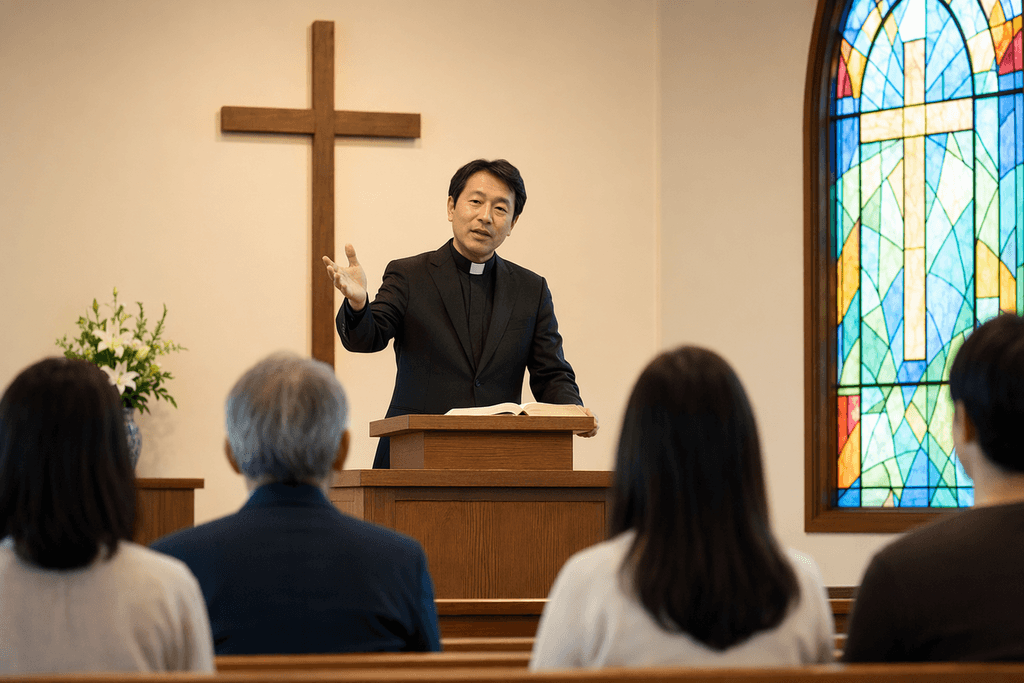
牧師
දේවගැතිවරයා
牧師
දේවගැතිවරයා
Explanation
牧師
දේවගැතිවරයා
牧師
පූජකවරයා / පල්ලියේ මන්දිරි (පාස්ටර්) / ක්රිස්තියානි ආගමික සේවකයා
( Base form )
( romanization )
( hiragana )
いつのまにか
නොදැනීම
いつのまにか
නොදැනීම
Explanation
නොදැනීම
いつのまにか
දැනෙන්නටත් පෙර / නොදැනෙන ලෙසම/අහම්බෙන්ම / ඉතා ඉක්මනින්

( romanization )
Loading...

JLPT N1 多言語単語帳・3032語 / JLPT N1 Multilingual Vocabulary: 3032 Words

Jonathan Waller 氏の JLPT Resources の語彙リスト・レベル分類を出典とし、CC BY の条件に従って DiQt が学習者向けに意味を作り直した3032語の単語帳です。JLPT公式の語彙リストではありません。
This collection of 3032 words is based on the vocabulary list and level classifications in Jonathan Waller’s JLPT Resources under CC BY, with meanings rewritten by DiQt for learners. It is not an official JLPT vocabulary list.
Key Operations
Select the first quiz:
Ctrl + Enter
View Explanation:Ctrl + G
Close a feedback:Esc
When selecting a quiz
Answer:Enter
Select a choice:↓ or ↑
Reading out the question:Ctrl + K
View Hint: Ctrl + M
I don't know: Ctrl + Y



