
JLPT N1 වචන අර්ථ පුහුණුව - Unsolved

පිළිතුරු විකල්ප හතරක් ඇති ප්රශ්න මඟින් JLPT N1 වචන 3032ක අර්ථ සිංහලෙන් ඉගෙන ගන්න.
-
පිළිගැනීමේ කවුළුව / ඉදිරිපස
-
විසල් අහස
-
කලින් විකිණීම
-
කෙළවර
-
මුදල් යැවීම
-
පාඩම
-
නියමිත
-
නිෂ්පාදකයා
-
රාජසන්තක කිරීම
-
වයස් අවුරුදු
-
සහිත
-
අංකය / ප්රකාශන කලාපය
-
සේවා පහසුකම
-
ඉහළම නායකයා
-
ඇතුළු කිරීම
-
රාජ්ය මූල්යය
-
වගුර
-
බහුතරය / බොහෝ විට
-
භාරගන්නවා / පිටව යනවා
-
කණ්ඩායම මෙහෙයවනවා
-
සෝදා හරිනවා
- 表記は「嵩む」も用いられる。
-
වෙන් වීම
-
ක්ෂුද්ර තරංග උඳුන / ඉවුම් පිහුම් උදුන
-
අලුත්වැඩියාව
-
මඳ උණුසුම් / උදාසීන
-
පැතලි / සරල
-
හැඩිදැඩි
- 口語的・やや古風なイ形容詞。
-
වාස්තවිකත්වය
-
පාසල් මාරුව
-
පතල් කර්මාන්තය
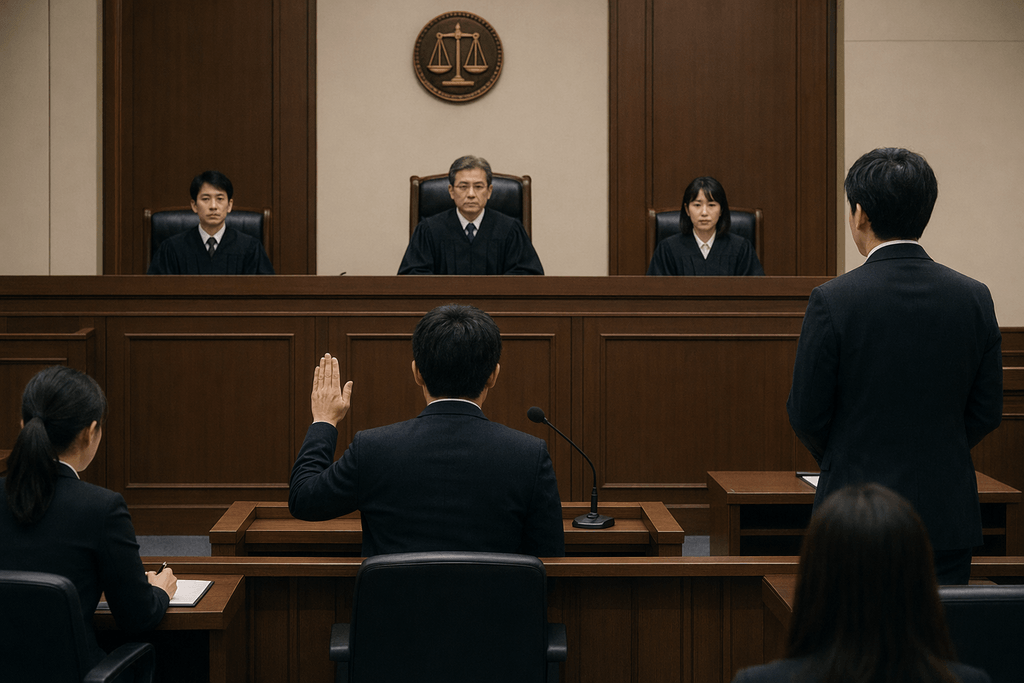
法廷
අධිකරණ ශාලාව
法廷
අධිකරණ ශාලාව
Explanation
法廷
අධිකරණ ශාලාව
法廷
අධිකරණය / නීති අධිකරණය (සභාව/විනිසුරු මණ්ඩලය) / අධිකරණ බෙන්චය
( Base form )
( romanization )
( hiragana )
部門
අංශය
部門
අංශය
Explanation
部門
අංශය
部門
අංශය / ශාඛාව / කණ්ඩායම

( Base form )
( romanization )
( hiragana )
ジーパン
ඩෙනිම් කලිසම
ジーパン
ඩෙනිම් කලිසම
Explanation
ඩෙනිම් කලිසම
ジーパン
ජීන්ස් පෑන්ට් / ඩෙනිම් කලිසම

( romanization )
群
කණ්ඩායම
群
කණ්ඩායම
Explanation
群
කණ්ඩායම
群
කණ්ඩායමක්/රැළක් / සමූහය / ගොඩක් (බහුල පිරිසක්)

( romanization )
( hiragana )
義理
සමාජ වගකීම
義理
සමාජ වගකීම
Explanation
義理
සමාජ වගකීම
義理
සමාජීය වගකීම; යුතුකම / උපකාරයකට ප්රතිඵල වශයෙන් ආපසු කරිය යුතු බැඳීම (උපකාර ණය) / විවාහ සම්බන්ධතාවයෙන් ඇති ඥාතිත්වය; ඇමති-නෑදෑ

( Base form )
( romanization )
( hiragana )
世帯
ගෘහ ඒකකය
世帯
ගෘහ ඒකකය
Explanation
世帯
ගෘහ ඒකකය
世帯
ගෘහස්ථය / ගෘහ එකක පවුල් ඒකකය / ගෙදර වැසියන් සමූහය

( Base form )
( romanization )
( hiragana historical )
( hiragana )
かさむ
එන්න එන්න වැඩි වෙනවා
かさむ
එන්න එන්න වැඩි වෙනවා
Explanation
එන්න එන්න වැඩි වෙනවා
かさむ
වැඩිවීම / ගණනින්/ප්රමාණයෙන් ඉහළ යාම / මුදල හෝ පිරිවැය වැඩිවීම

Word Forms
The basic and commonly used forms of this verb.
Basic forms
| Form | Word form | Usage |
|---|---|---|
| Imperfective form (mizenkei) |
Alternative:
嵩ま
|
Connects to endings such as nai, reru, and seru. |
| Continuative form (renyokei) |
Alternative:
嵩み
|
Connects to endings such as masu, tai, and ta. |
| Conclusive form (shushikei) |
Alternative:
嵩む
|
Ends a sentence and serves as the dictionary form. |
| Attributive form (rentaikei) |
Alternative:
嵩む
|
Modifies a noun. |
| Conditional form (kateikei) |
Alternative:
嵩め
|
Combines with ba to express a condition. |
| Imperative form (meireikei) |
Alternative:
嵩め
|
Expresses a command or instruction. |
Common forms
| Form | Word form | Usage |
|---|---|---|
| Te-form |
Alternative:
嵩んで
|
Connects clauses with te. |
| Ta-form |
Alternative:
嵩んだ
|
Expresses the past with ta. |
| Nai-form |
Alternative:
嵩まない
|
Expresses negation with nai. |
| Masu-form |
Alternative:
嵩みます
|
Used for polite speech. |
| Ba-form |
Alternative:
嵩めば
|
Expresses a condition with ba. |
| Volitional form |
Alternative:
嵩もう
|
Expresses intention or invitation. |
Notes
反り
වක්රතාව
反り
වක්රතාව
Explanation
反り
වක්රතාව
反り
වක්රතාව / වංගුවීම / ආරුක්කුව

おっかない
බියකරු
おっかない
බියකරු
Explanation
බියකරු
おっかない
භයානක / බය හිතෙන / භීතිජනක

Word Forms
The basic and commonly used forms of this adjective.
Basic forms
| Form | Word form | Usage |
|---|---|---|
| Imperfective form (mizenkei) | Used in forms such as karou; mainly literary. | |
| Continuative form (renyokei) |
Alternative:
おっかなかっ
|
Used in forms such as kute and kunai. |
| Conclusive form (shushikei) | Ends a sentence. | |
| Attributive form (rentaikei) | Modifies a noun. | |
| Conditional form (kateikei) | Expresses a condition with kereba. | |
| Imperative form (meireikei) | Rarely used in modern Japanese. |
Common forms
| Form | Word form | Usage |
|---|---|---|
| Te-form | Connects clauses with kute. | |
| Ta-form | Expresses the past with katta. | |
| Nai-form | Expresses negation with kunai. | |
| Ba-form | Expresses a condition with kereba. |
Notes
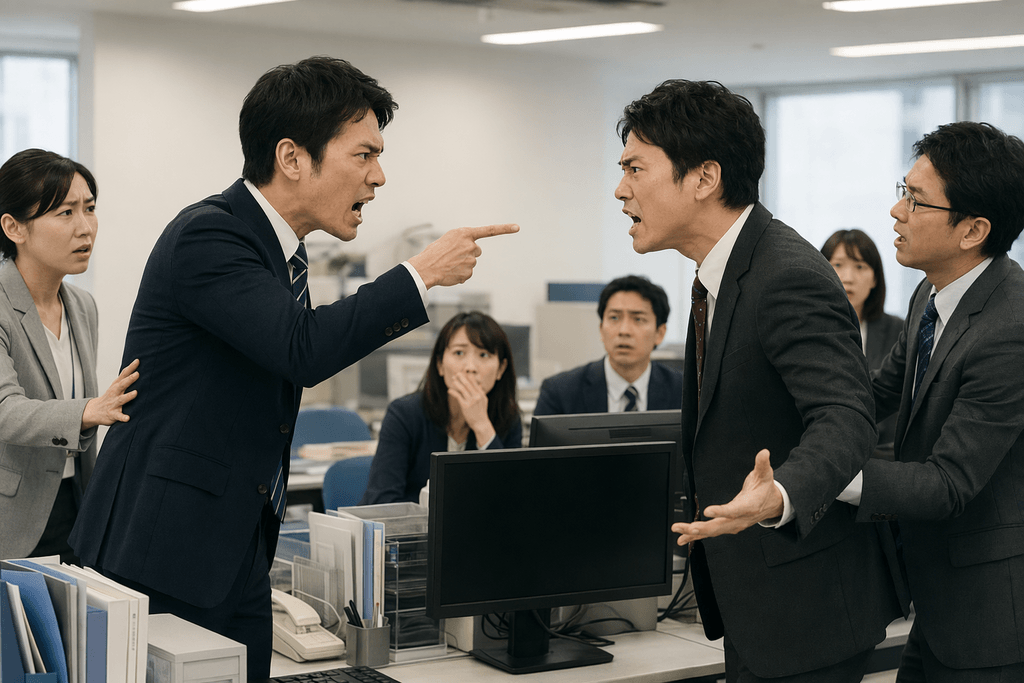
争い
ආරවුල
争い
ආරවුල
Explanation
争い
ආරවුල
争い
ගැටුම / සටන / කෝලාහලය
( Base form )
( romanization )
( romanization )
( hiragana historical )
Loading...

JLPT N1 多言語単語帳・3032語 / JLPT N1 Multilingual Vocabulary: 3032 Words

Jonathan Waller 氏の JLPT Resources の語彙リスト・レベル分類を出典とし、CC BY の条件に従って DiQt が学習者向けに意味を作り直した3032語の単語帳です。JLPT公式の語彙リストではありません。
This collection of 3032 words is based on the vocabulary list and level classifications in Jonathan Waller’s JLPT Resources under CC BY, with meanings rewritten by DiQt for learners. It is not an official JLPT vocabulary list.
Key Operations
Select the first quiz:
Ctrl + Enter
View Explanation:Ctrl + G
Close a feedback:Esc
When selecting a quiz
Answer:Enter
Select a choice:↓ or ↑
Reading out the question:Ctrl + K
View Hint: Ctrl + M
I don't know: Ctrl + Y



