
JLPT N1 වචන අර්ථ පුහුණුව - Unsolved

පිළිතුරු විකල්ප හතරක් ඇති ප්රශ්න මඟින් JLPT N1 වචන 3032ක අර්ථ සිංහලෙන් ඉගෙන ගන්න.
-
ජීවතුන් අතර සුවෙන්
-
නොසැලකිලිමත් / රළු
-
උපායශීලී
-
පෞරාණික භාණ්ඩය
-
වඩදිය බාදිය
-
සමුච්චය
-
ඉදිරිපත් කරනවා / ඉල්ලා සිටිනවා
-
නවතා දමනවා
-
හූරනවා
-
සලකුණ / පෙර නිමිත්ත
-
සහනයක් දීම
-
බෙදීයාම
-
විසරණය
-
ශාස්ත්රීය න්යාය
-
විකිරණය
-
ගැටලු රහිත
-
ලිහිල් බව
-
අඥානකම
-
අත්පත් කරගන්නවා
-
පණිවිඩය භාරදෙනවා
-
තීව්ර වෙනවා / ඉහළ යනවා
-
වරින් වර
-
නිතර
-
අතිශයින්
-
අවිනිශ්චිත
-
සැලකිය යුතු
-
අසාධාරණ / නොසැලකිලිමත්
- 「粉々」は名詞・副詞的にも用いられるが、ここでは形容動詞(ナ形容詞)としての活用を示す。
- 連体形は「粉々な」のほか、名詞的用法に近い「粉々の」も用いられる。
-
දිරා යෑම
-
අවදි වෙනවා
-
එකට යනවා / කැමැත්තට ගැළපෙනවා
- 「化する」はサ行変格活用の複合動詞です。
シック
විලාසිතාමය
シック
විලාසිතාමය
Explanation
විලාසිතාමය
シック
චික් ලෙස හැඩගස්වූ / නවීන හා අලංකාර / සුමට සරලව පෙනෙන
Word Forms
The basic and commonly used forms of this adjectival noun.
Basic forms
| Form | Word form | Usage |
|---|---|---|
| Imperfective form (mizenkei) |
Alternative:
シックであろ
|
Used in forms such as darou. |
| Continuative form (renyokei) |
Alternative:
シックに
|
Used with de or ni. |
| Conclusive form (shushikei) |
Alternative:
シックである
|
Ends a sentence with da. |
| Attributive form (rentaikei) |
Alternative:
シックである
|
Modifies a noun with na. |
| Conditional form (kateikei) |
Alternative:
シックであれば
|
Expresses a condition with nara. |
| Imperative form (meireikei) | Used in formal expressions such as de are. |
Common forms
模倣
අනුකරණය
模倣
අනුකරණය
Explanation
模倣
අනුකරණය
模倣
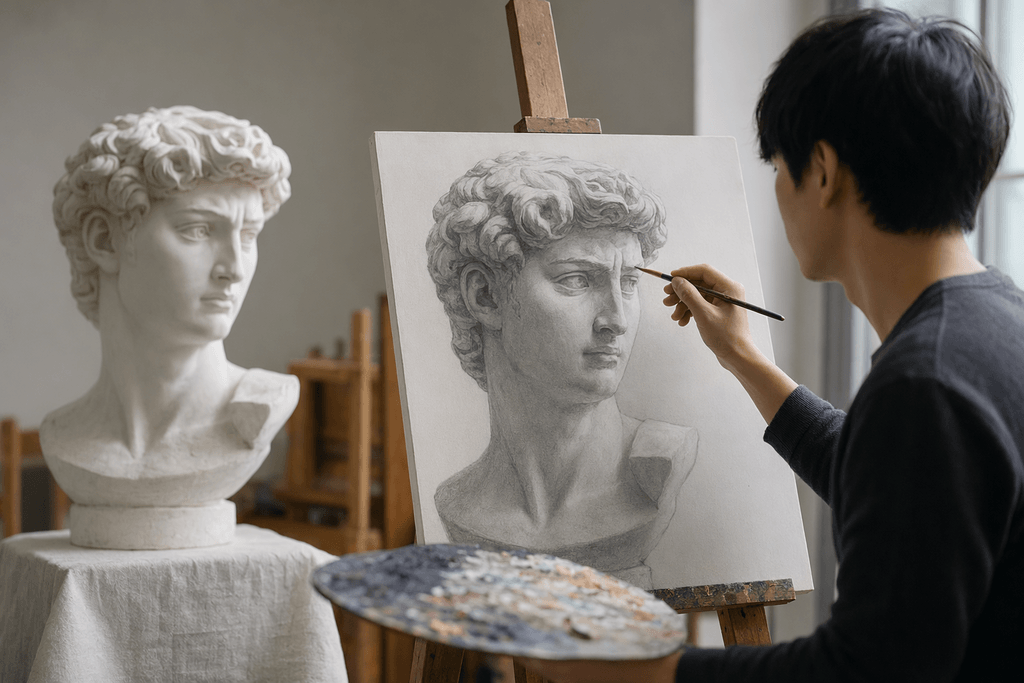
අනුකරණය / අනුකල්පනය / පිටපත් කිරීම
ඔහුගේ කෘති බැලූ බැල්මට සාම්ප්රදායික චිත්රකලා කෘතිවල අනුකරණයක් පමණක් සේ පෙනුණත්, ඇත්ත වශයෙන්ම ඒවා තුළ නවීන සමාජය පිළිබඳ තියුණු විවේචනයක් අන්තර්ගත වේ.
( Base form )
( romanization )
( romanization )
( hiragana historical )
( hiragana )
訪れる
සංචාරය කරනවා / පැමිණෙනවා
訪れる
සංචාරය කරනවා / පැමිණෙනවා
Explanation
訪れる
සංචාරය කරනවා / පැමිණෙනවා
訪れる
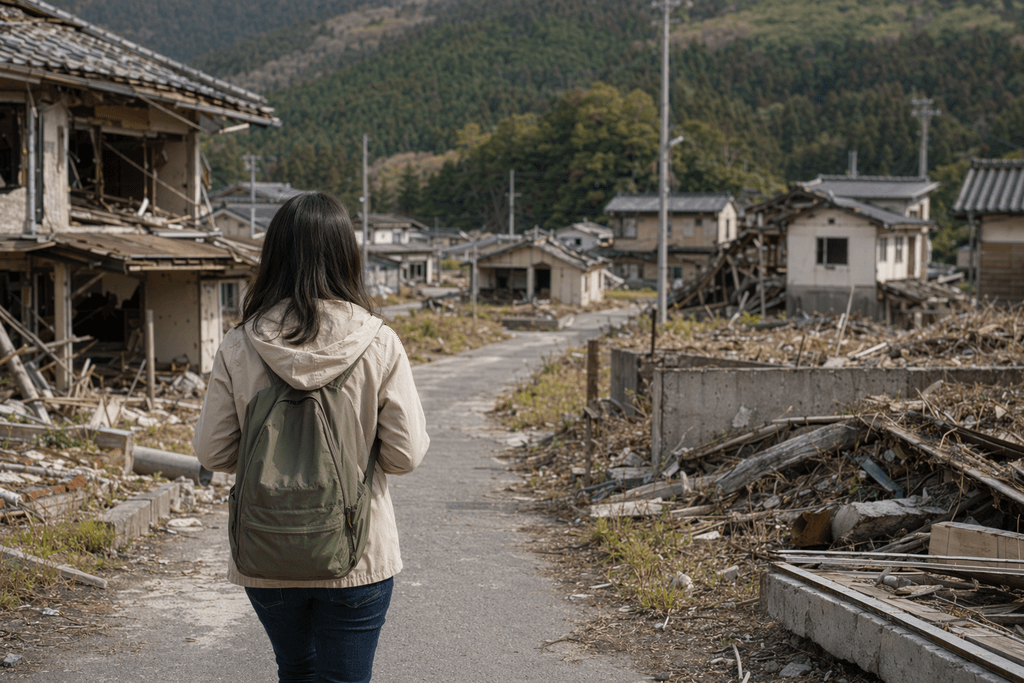
සංචාරය කිරීම / හමුවීමට යාම (ගෙදර/ස්ථානයකට) / (සිද්ධියක්) පැමිණීම
යුද්ධයෙන් පසු නැවත ගොඩනැගීමේ ගමන්මඟ මගේම සමෙන්ම දැනගන්නට මට අවශ්ය වූ නිසා, මම ඉහළටම සංචාරක ස්ථානයක් බවට පත් කර නොතිබූ විපතට ලක් වූ ප්රදේශයේ ගම්මානයක් හිතාමතාම පැමිණීමට තීරණය කළෙමි.
Word Forms
The basic and commonly used forms of this verb.
Basic forms
| Form | Word form | Usage |
|---|---|---|
| Imperfective form (mizenkei) | Connects to endings such as nai, reru, and seru. | |
| Continuative form (renyokei) | Connects to endings such as masu, tai, and ta. | |
| Conclusive form (shushikei) | Ends a sentence and serves as the dictionary form. | |
| Attributive form (rentaikei) | Modifies a noun. | |
| Conditional form (kateikei) | Combines with ba to express a condition. | |
| Imperative form (meireikei) |
Alternative:
訪れよ
|
Expresses a command or instruction. |
Common forms
落下
පහළට වැටීම
落下
පහළට වැටීම
Explanation
落下
පහළට වැටීම
落下
වැටීම / පහළට වැටීම / පතිත වීම
( Base form )
( romanization )
( hiragana )
拝借
ගෞරවයෙන් ණයට ගැනීම
拝借
ගෞරවයෙන් ණයට ගැනීම
Explanation
拝借
ගෞරවයෙන් ණයට ගැනීම
拝借
(විනීත ලෙස) ණයට ගැනීම / (ගෞරවයෙන්) භාවිතයට ලබාගැනීම

( Base form )
( romanization )
( hiragana )
生育
ජීව වර්ධනය
生育
ජීව වර්ධනය
Explanation
生育
ජීව වර්ධනය
生育
වර්ධනය / බෝවීම / දරුවන් උපදවීම

( Base form )
( romanization )
( hiragana )
捕らえる
අල්ලාගන්නවා
捕らえる
අල්ලාගන්නවා
Explanation
捕らえる
අල්ලාගන්නවා
捕らえる
අල්ලා ගන්නවා / අත්අඩංගුවට ගන්නවා / අල්ලා රඳවා ගන්නවා

Word Forms
The basic and commonly used forms of this verb.
Basic forms
| Form | Word form | Usage |
|---|---|---|
| Imperfective form (mizenkei) | Connects to endings such as nai, reru, and seru. | |
| Continuative form (renyokei) | Connects to endings such as masu, tai, and ta. | |
| Conclusive form (shushikei) | Ends a sentence and serves as the dictionary form. | |
| Attributive form (rentaikei) | Modifies a noun. | |
| Conditional form (kateikei) | Combines with ba to express a condition. | |
| Imperative form (meireikei) |
Alternative:
捕らえよ
|
Expresses a command or instruction. |
Common forms
ぶらぶら
නිකරුණේ / සෙලවෙමින්
ぶらぶら
නිකරුණේ / සෙලවෙමින්
Explanation
නිකරුණේ / සෙලවෙමින්
ぶらぶら
අරමුණක් නැතිව සැරිසරමින් / සැහැල්ලුවෙන්/අහම්බෙන් ඇවිදිමින් / වැඩක් නැතිව හිස්ව පසුකරමින්

( romanization )
粉々
කුඩු වී ගිය
粉々
කුඩු වී ගිය
Explanation
粉々
කුඩු වී ගිය
粉々
කුඩු කරපු / කුඩා කැබලිවලට බිඳුණු / චූර්ණ-චූර්ණ වූ
ඔහු කෝපයට වශීවී, මතක වස්තුව වූ ඔරලෝසුව බිමට තල්ලු කර ගහලා කුඩු කැබලිවලට කැඩුවා; ඒ කැබලි කැබලි පුරාම තමන් ඉදිරිපිට දිස්වෙද්දී පමණක් ඔහුට අවසානයේ සිහියට ආවා.

Word Forms
The basic and commonly used forms of this adjectival noun.
Basic forms
| Form | Word form | Usage |
|---|---|---|
| Imperfective form (mizenkei) |
Alternative:
粉々ではあろ
粉々じゃあろ
|
Used in forms such as darou. |
| Continuative form (renyokei) |
Alternative:
粉々に
|
Used with de or ni. |
| Conclusive form (shushikei) | Ends a sentence with da. | |
| Attributive form (rentaikei) |
Alternative:
粉々の
|
Modifies a noun with na. |
| Conditional form (kateikei) | Expresses a condition with nara. | |
| Imperative form (meireikei) | Used in formal expressions such as de are. |
Common forms
| Form | Word form | Usage |
|---|---|---|
| Te-form equivalent | Connects clauses using de. | |
| Ta-form |
Alternative:
粉々でした
|
Expresses the past with datta. |
| Nai-form |
Alternative:
粉々じゃない
|
Expresses negation with dewa nai or ja nai. |
| Desu-form | Used for polite speech. |
Notes
化する
බවට පත් වෙනවා
化する
බවට පත් වෙනවා
Explanation
化する
බවට පත් වෙනවා
化する
වෙනස් වීම / … බවට පත්වීම

Word Forms
The basic and commonly used forms of this verb.
Basic forms
| Form | Word form | Usage |
|---|---|---|
| Imperfective form (mizenkei) |
Alternative:
化せ
化さ
|
Connects to endings such as nai, reru, and seru. |
| Continuative form (renyokei) | Connects to endings such as masu, tai, and ta. | |
| Conclusive form (shushikei) | Ends a sentence and serves as the dictionary form. | |
| Attributive form (rentaikei) | Modifies a noun. | |
| Conditional form (kateikei) | Combines with ba to express a condition. | |
| Imperative form (meireikei) |
Alternative:
化せよ
|
Expresses a command or instruction. |
Common forms
| Form | Word form | Usage |
|---|---|---|
| Te-form | Connects clauses with te. | |
| Ta-form | Expresses the past with ta. | |
| Nai-form | Expresses negation with nai. | |
| Masu-form | Used for polite speech. | |
| Ba-form | Expresses a condition with ba. | |
| Volitional form | Expresses intention or invitation. |
Notes
Loading...

JLPT N1 多言語単語帳・3032語 / JLPT N1 Multilingual Vocabulary: 3032 Words

Jonathan Waller 氏の JLPT Resources の語彙リスト・レベル分類を出典とし、CC BY の条件に従って DiQt が学習者向けに意味を作り直した3032語の単語帳です。JLPT公式の語彙リストではありません。
This collection of 3032 words is based on the vocabulary list and level classifications in Jonathan Waller’s JLPT Resources under CC BY, with meanings rewritten by DiQt for learners. It is not an official JLPT vocabulary list.
Key Operations
Select the first quiz:
Ctrl + Enter
View Explanation:Ctrl + G
Close a feedback:Esc
When selecting a quiz
Answer:Enter
Select a choice:↓ or ↑
Reading out the question:Ctrl + K
View Hint: Ctrl + M
I don't know: Ctrl + Y



