
JLPT N1 වචන අර්ථ පුහුණුව - Unsolved

පිළිතුරු විකල්ප හතරක් ඇති ප්රශ්න මඟින් JLPT N1 වචන 3032ක අර්ථ සිංහලෙන් ඉගෙන ගන්න.
-
සෙන් බුදුදහම
-
දරුවා
-
ප්රධාන රංගනය
-
වගුර
-
සාක්ෂිය
-
කාර්ය මණ්ඩල සාමාජිකයා
-
නිතර සිදුවන
-
දැඩි ස්ථාවරයක ඇති
-
ඉතා පිළිවෙළැති
-
බෙදාදීම
-
පුද්ගලයන්ට සලකන ආකාරය
-
රැකවරණය
-
දැක්ම / පෙනුම
-
වේගවත් කිරීම / පහසුකම් සැලසීම
-
විශාල සිරුර / විශාල මෝස්තරය
-
බුරුල්
-
බුද්ධිමය
-
එක සමාන
-
කඳුකරය
-
යුද හානි
-
පුරුදු පිළිවෙත
-
ණය අයකරනවා / උසස් කරනවා
-
තල්ලු කර ඇතුළු කරනවා
-
හසුරුවනවා / ක්රියා කරවනවා
- 標準的には下一段活用として扱う。くだけた用法では五段化した「湿気った」「湿気って」なども見られる。
-
බොරළු
-
පොළොව යට සම්පත්
-
අභ්යන්තර හැඟීම්
-
තොග වෙළෙන්දා
-
රෙදි විවීම
-
වැඩිදියුණු වීම
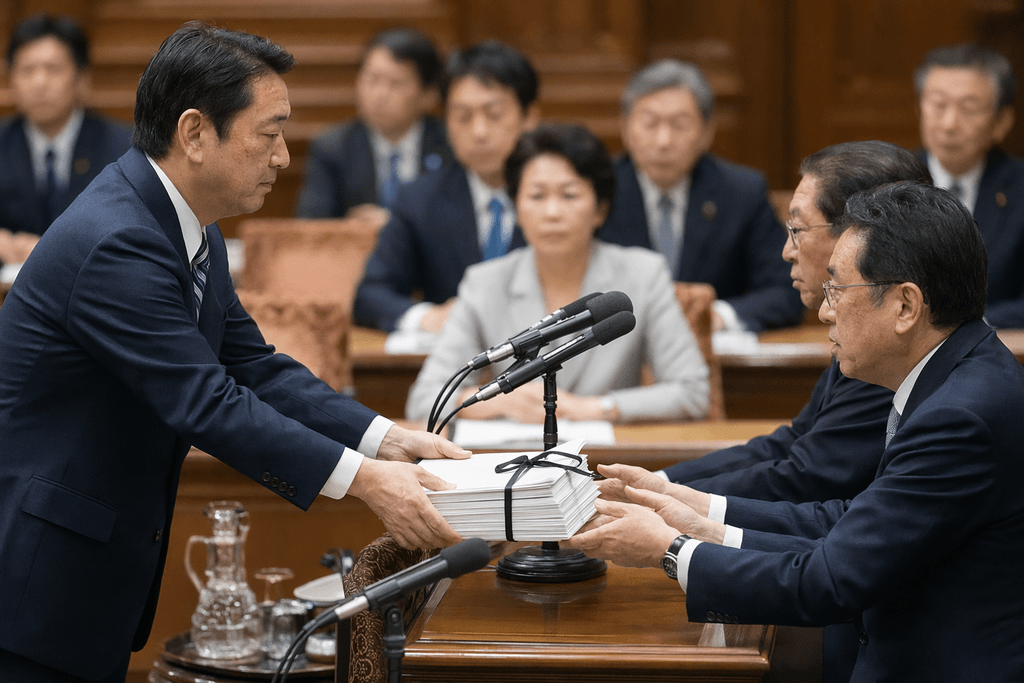
法案
පනත් කෙටුම්පත
法案
පනත් කෙටුම්පත
Explanation
法案
පනත් කෙටුම්පත
法案
නීති කෙටුම්පත / නීති පනත් කෙටුම්පත
( Base form )
( romanization )
( hiragana )
法学
නීති විද්යාව
法学
නීති විද්යාව
Explanation
法学
නීති විද්යාව
法学
නීති විද්යාව / නීති අධ්යයනය / ජූරිස්ප්රුඩෙන්ස්

( Base form )
( romanization )
( hiragana )
手遅れ
පමණට වඩා ප්රමාද
手遅れ
පමණට වඩා ප්රමාද
Explanation
手遅れ
පමණට වඩා ප්රමාද
手遅れ
ඉතා ප්රමාද වූ / දැන් වැඩක් නැති (උපකාර කළ නොහැකි) / වෙලාව ඉක්ම ගිය

Word Forms
The basic and commonly used forms of this adjectival noun.
Basic forms
| Form | Word form | Usage |
|---|---|---|
| Imperfective form (mizenkei) | Used in forms such as darou. | |
| Continuative form (renyokei) |
Alternative:
手遅れに
|
Used with de or ni. |
| Conclusive form (shushikei) | Ends a sentence with da. | |
| Attributive form (rentaikei) |
Alternative:
手遅れの
|
Modifies a noun with na. |
| Conditional form (kateikei) | Expresses a condition with nara. | |
| Imperative form (meireikei) | Used in formal expressions such as de are. |
Common forms
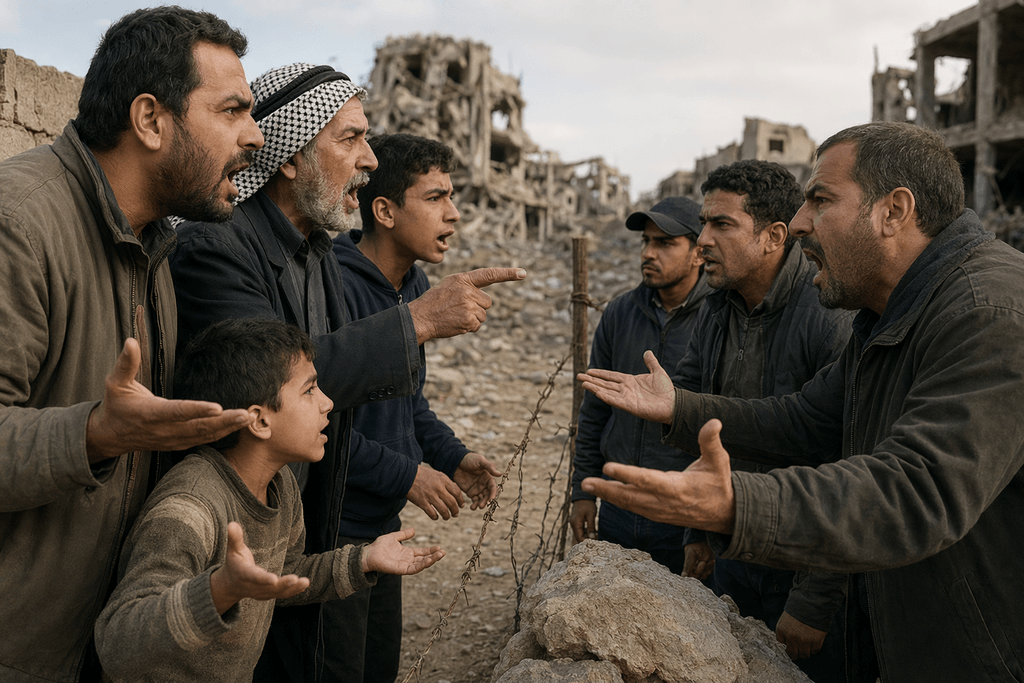
紛争
ගැටුම
紛争
ගැටුම
Explanation
紛争
ගැටුම
紛争
ගැටුම / විවාදය / අර්බුදය
( Base form )
( romanization )
( hiragana )
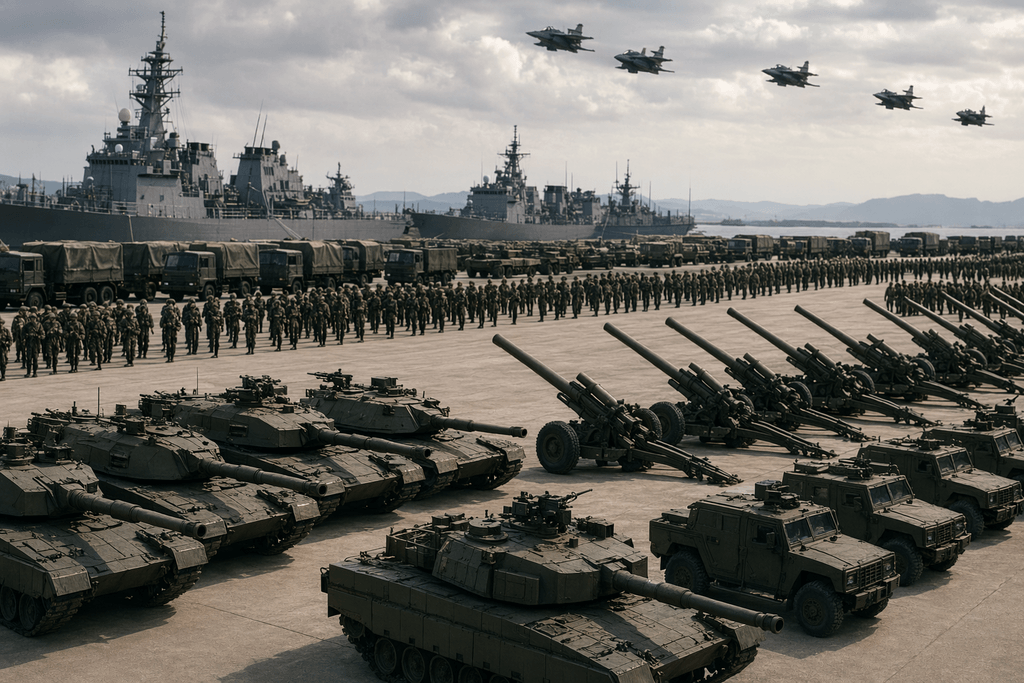
軍備
හමුදා අවි ආයුධ
軍備
හමුදා අවි ආයුධ
Explanation
軍備
හමුදා අවි ආයුධ
軍備
ආයුධ සන්නද්ධකරණය / යුධ උපකරණ (ආයුධ) සන්නයනය / යුධ සූදානම / යුධ සන්නද්ධභාවය
කලාපීය ආතතිය වැඩිවෙමින් යාමත් සමඟ, රටවල් එක් එක්ව තම හමුදා සැපයුම් ශක්තිමත් කිරීම සාධාරණීකරණය කිරීමට හේතු සෙවූ අතර, සංවාද සඳහා තිබූ ඉඩකඩ දිනෙන් දින තවත් සීමා වී ගියේය.
( Base form )
( romanization )
( hiragana )
長大
ඉතා දිගු
長大
ඉතා දිගු
Explanation
長大
ඉතා දිගු
長大
දිග හා විශාල / අතිශය දිග / දිගින් විශාල

Word Forms
The basic and commonly used forms of this adjectival noun.
Basic forms
| Form | Word form | Usage |
|---|---|---|
| Imperfective form (mizenkei) | Used in forms such as darou. | |
| Continuative form (renyokei) |
Alternative:
長大に
|
Used with de or ni. |
| Conclusive form (shushikei) | Ends a sentence with da. | |
| Attributive form (rentaikei) | Modifies a noun with na. | |
| Conditional form (kateikei) | Expresses a condition with nara. | |
| Imperative form (meireikei) | Used in formal expressions such as de are. |
Common forms
標語
සටන් පාඨය
標語
සටන් පාඨය
Explanation
標語
සටන් පාඨය
標語
නාමය පාඨය/මූලධර්ම වාක්යය / ප්රචාරක සටන්පාඨය / සටන්වැකි
පළාත් පාලන ආයතනය විසින් ඉදිරිපත් කරන ලද සටන් පාඨය ප් රසන්න ශබ්ද සහිත වචන එකට එකතු කිරීමට වඩා වැඩි යමක් කළේය; සෑම පුරවැසියෙකුම ස්ථිර ක් රියාමාර්ග ගැනීමට පොළඹවා ගැනීමේ බලය එයට තිබුණි.

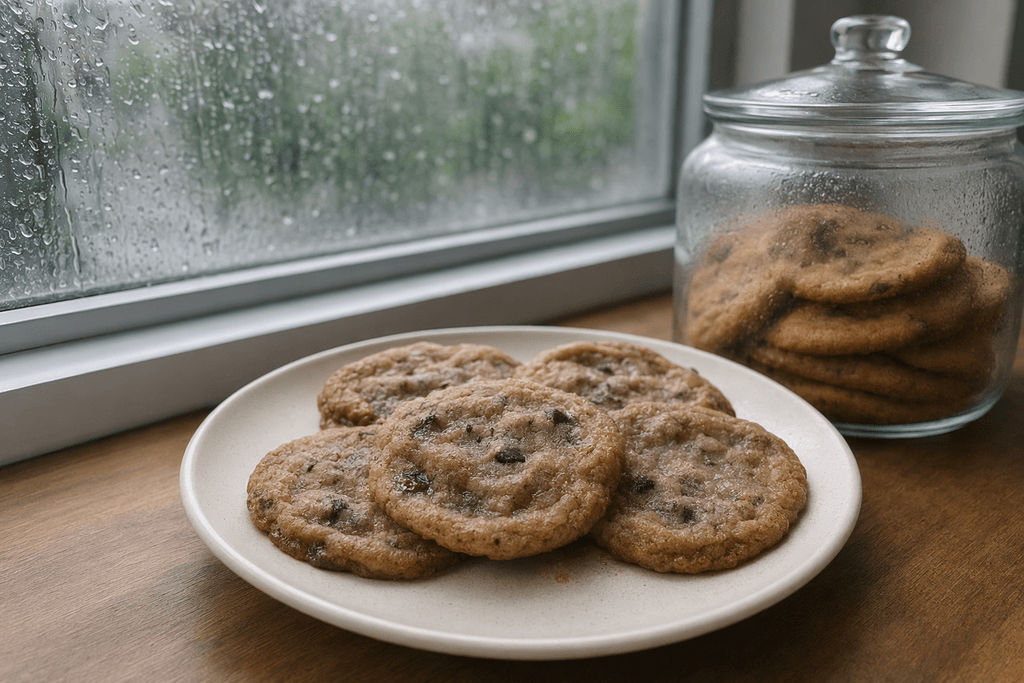
湿気る
තෙතමනය උරාගන්නවා
湿気る
තෙතමනය උරාගන්නවා
Explanation
湿気る
තෙතමනය උරාගන්නවා
湿気る
තෙතවී යාම / ආර්ද්රතාවයෙන් මද තෙත වෙමින් දිරා යාම / කබල/කුරුලු ගතිය නැතිව (ස්නැක් වැනි දේ) පරණ වීම
Word Forms
The basic and commonly used forms of this verb.
Basic forms
| Form | Word form | Usage |
|---|---|---|
| Imperfective form (mizenkei) | Connects to endings such as nai, reru, and seru. | |
| Continuative form (renyokei) | Connects to endings such as masu, tai, and ta. | |
| Conclusive form (shushikei) | Ends a sentence and serves as the dictionary form. | |
| Attributive form (rentaikei) | Modifies a noun. | |
| Conditional form (kateikei) | Combines with ba to express a condition. | |
| Imperative form (meireikei) |
Alternative:
湿気よ
|
Expresses a command or instruction. |
Common forms
| Form | Word form | Usage |
|---|---|---|
| Te-form |
Alternative:
湿気って
|
Connects clauses with te. |
| Ta-form |
Alternative:
湿気った
|
Expresses the past with ta. |
| Nai-form |
Alternative:
湿気らない
|
Expresses negation with nai. |
| Masu-form |
Alternative:
湿気ります
|
Used for polite speech. |
| Ba-form | Expresses a condition with ba. | |
| Volitional form | Expresses intention or invitation. |
Notes
布巾
පිඟන් පිසින රෙද්ද
布巾
පිඟන් පිසින රෙද්ද
Explanation
布巾
පිඟන් පිසින රෙද්ද
布巾
පිසදැමීම සඳහා භාවිත රෙදි කඩ / පිසදැමීමේ රෙදි / මුහුණු/මේස පිසදැමීමට ඇති රෙදි කඩ

( Base form )
( romanization )
( hiragana historical )
( hiragana )
真下
හරියටම පහළ
真下
හරියටම පහළ
Explanation
真下
හරියටම පහළ
真下
හරියටම පහළ ඇති ප්රදේශය / නිරවුල් ලෙස යටින් / සෘජුව පහළ
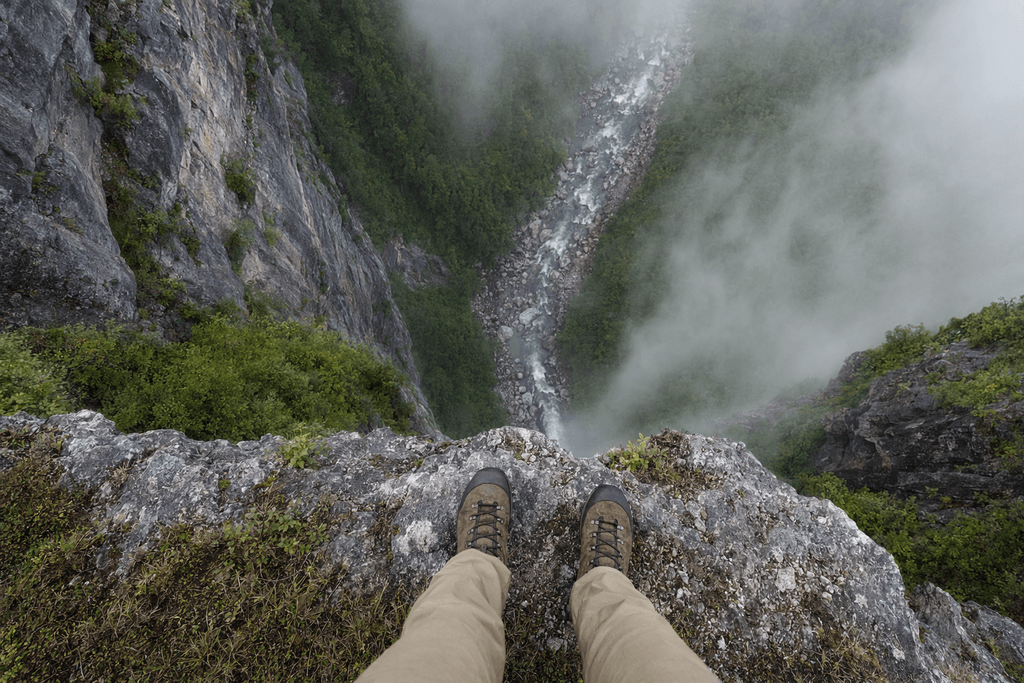
( Base form )
( romanization )
( kyūjitai )
( hiragana )
Loading...

JLPT N1 多言語単語帳・3032語 / JLPT N1 Multilingual Vocabulary: 3032 Words

Jonathan Waller 氏の JLPT Resources の語彙リスト・レベル分類を出典とし、CC BY の条件に従って DiQt が学習者向けに意味を作り直した3032語の単語帳です。JLPT公式の語彙リストではありません。
This collection of 3032 words is based on the vocabulary list and level classifications in Jonathan Waller’s JLPT Resources under CC BY, with meanings rewritten by DiQt for learners. It is not an official JLPT vocabulary list.
Key Operations
Select the first quiz:
Ctrl + Enter
View Explanation:Ctrl + G
Close a feedback:Esc
When selecting a quiz
Answer:Enter
Select a choice:↓ or ↑
Reading out the question:Ctrl + K
View Hint: Ctrl + M
I don't know: Ctrl + Y



