
JLPT N1 වචන අර්ථ පුහුණුව - Unsolved

පිළිතුරු විකල්ප හතරක් ඇති ප්රශ්න මඟින් JLPT N1 වචන 3032ක අර්ථ සිංහලෙන් ඉගෙන ගන්න.
-
වෙත යෑම
-
ව්යාපාරය පවත්වාගෙන යනවා / පවත්වනවා
-
කිරි කිරි හඬ නඟනවා
-
හාස්යජනක
-
බිඳෙනසුලු / සංවේදී
-
සංකීර්ණ
-
බලහත්කාරයෙන්
-
බොහෝ
-
අතිශයින්
- 語としては「ひょっとする」の形で動詞的に用いられることが多い。見出し語「ひょっと」単独は副詞として用いられるのが一般的。
-
ඉංජිනේරුවා
-
සාමාජිකයා
-
අනුමැතිය
-
නිර්භීත බව
-
ලාභදායී බව
-
විකර්ෂණය / විරෝධය
-
තෙමී පෙඟී
-
ටිකෙන් ටික / තැනින් තැන
-
මේවා ඒවා
-
උපකරණ
-
අරමුදල
-
එක්ව ජීවත්වීම
-
කපා අඩු කිරීම
-
තර්ජනය
-
අත්තිවාරම
- 「ござる」に丁寧の助動詞「ます」が付いた形に由来する、現代語の丁寧な存在表現・丁寧なコピュラ表現。
- 仮定形「ございますれ」は現代語では極めてまれで、通常は「ございましたら」「であれば」などを用いる。
- 命令形「ございませ」は接客表現などで「いらっしゃいませ」に類する形式として残るが、「ございます」単独の命令用法は通常用いられない。
-
නිත්ය සාමාජිකයා
-
පත්කිරීම
-
වෙළඳපොළ මිල
-
ආකල්පය / අභිප්රාය
-
විෂබීජ
-
ස්වාධීන ක්රියාකාරීත්වය
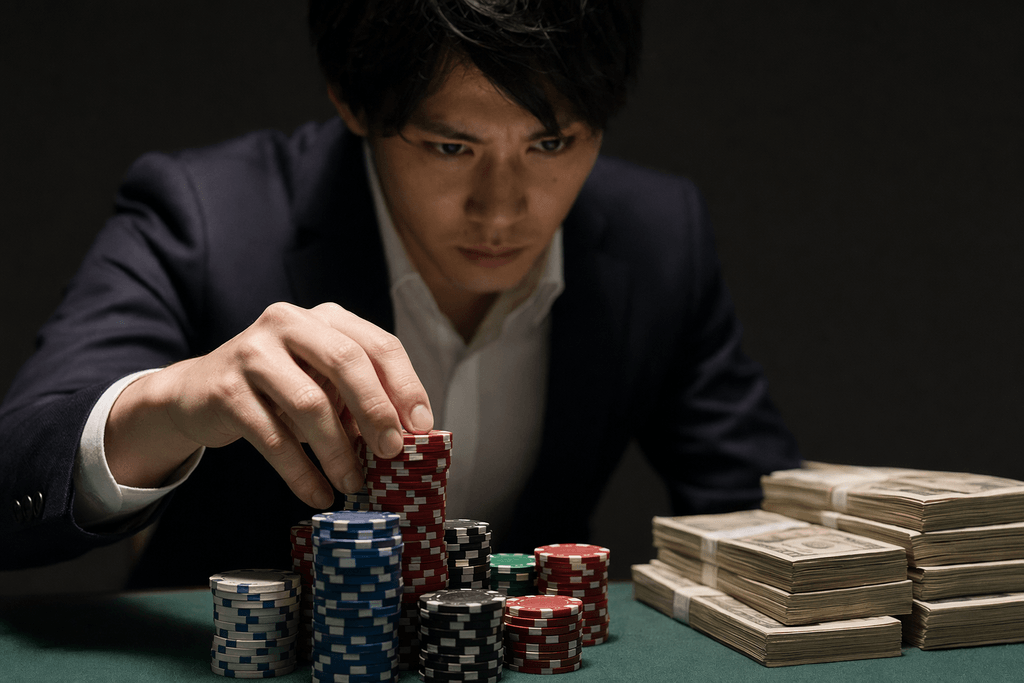
賭ける
ඔට්ටු අල්ලනවා / අවදානමට තබනවා
賭ける
ඔට්ටු අල්ලනවා / අවදානමට තබනවා
Explanation
賭ける
ඔට්ටු අල්ලනවා / අවදානමට තබනවා
賭ける
සූදුවට යෑම / බැඳුමක් ලෙස මුදල්/දේපල තැබීම / ඔට්ටු තැබීම
Word Forms
The basic and commonly used forms of this verb.
Basic forms
| Form | Word form | Usage |
|---|---|---|
| Imperfective form (mizenkei) | Connects to endings such as nai, reru, and seru. | |
| Continuative form (renyokei) | Connects to endings such as masu, tai, and ta. | |
| Conclusive form (shushikei) | Ends a sentence and serves as the dictionary form. | |
| Attributive form (rentaikei) | Modifies a noun. | |
| Conditional form (kateikei) | Combines with ba to express a condition. | |
| Imperative form (meireikei) |
Alternative:
賭けよ
|
Expresses a command or instruction. |
Common forms
眩しい
ඇස් නිලංකාර කරන
眩しい
ඇස් නිලංකාර කරන
Explanation
眩しい
ඇස් නිලංකාර කරන
眩しい
දැස් අන්ධ කරන තරම් දිලිසෙන / තිව්ර ලෙස බැබළෙන / කැළඹවන ලෙස දීප්තිමත්

Word Forms
The basic and commonly used forms of this adjective.
Basic forms
| Form | Word form | Usage |
|---|---|---|
| Imperfective form (mizenkei) | Used in forms such as karou; mainly literary. | |
| Continuative form (renyokei) |
Alternative:
眩しかっ
|
Used in forms such as kute and kunai. |
| Conclusive form (shushikei) | Ends a sentence. | |
| Attributive form (rentaikei) | Modifies a noun. | |
| Conditional form (kateikei) | Expresses a condition with kereba. | |
| Imperative form (meireikei) | Rarely used in modern Japanese. |
Common forms
ひょっとすると
සමහරවිට
ひょっとすると
සමහරවිට
Explanation
සමහරවිට
ひょっとすると
සමහර විට / අහම්බෙන්වත් / හිතුවොත් වගේ
ඕනෑම අවස්ථාවක, ඔහුගේ නිහඬතාවය උදාසීනත්වය නොව ගණනය කළ සංයමයක් විය හැකිය, එය වචන වලට පෙරළීම ආපසු හැරවිය නොහැකි තත්වයකට තුඩු දෙනු ඇතැයි යන විනිශ්චය මත පදනම්ව.

Word Forms
The basic and commonly used forms of this verb.
Basic forms
| Form | Word form | Usage |
|---|---|---|
| Imperfective form (mizenkei) | Connects to endings such as nai, reru, and seru. | |
| Continuative form (renyokei) | Connects to endings such as masu, tai, and ta. | |
| Conclusive form (shushikei) | Ends a sentence and serves as the dictionary form. | |
| Attributive form (rentaikei) | Modifies a noun. | |
| Conditional form (kateikei) | Combines with ba to express a condition. | |
| Imperative form (meireikei) |
Alternative:
ひょっとせよ
|
Expresses a command or instruction. |
Common forms
| Form | Word form | Usage |
|---|---|---|
| Te-form | Connects clauses with te. | |
| Ta-form | Expresses the past with ta. | |
| Nai-form | Expresses negation with nai. | |
| Masu-form | Used for polite speech. | |
| Ba-form | Expresses a condition with ba. | |
| Volitional form | Expresses intention or invitation. |
Notes
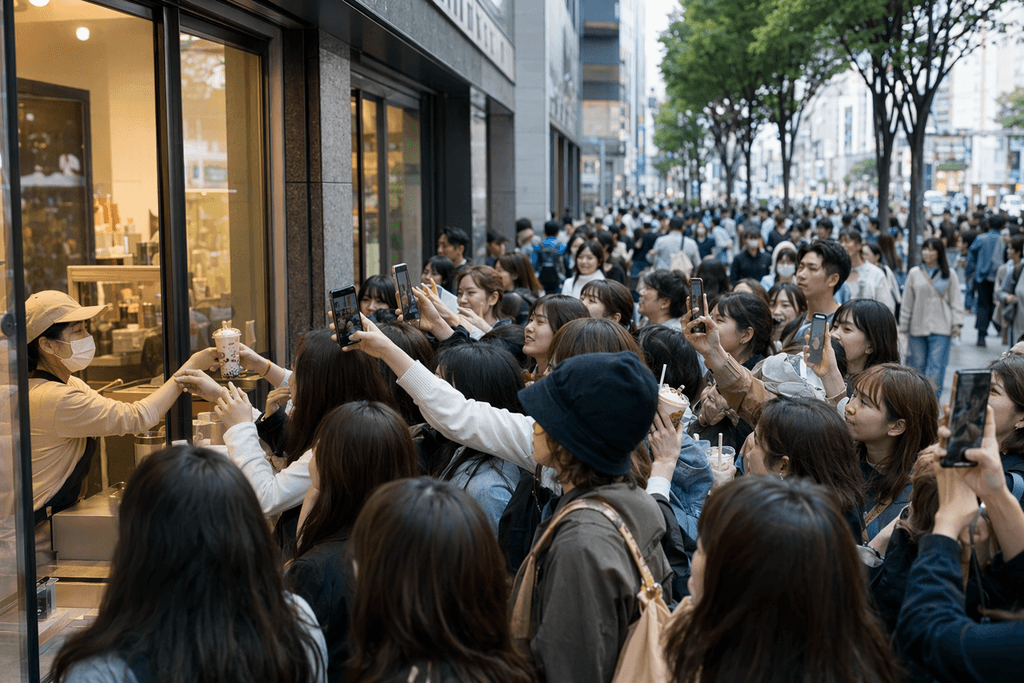
ブーム
උන්මාදය / ආර්ථික පිබිදීම
ブーム
උන්මාදය / ආර්ථික පිබිදීම
Explanation
උන්මාදය / ආර්ථික පිබිදීම
ブーム
ජනප්රියතාවයේ හදිසි ඉහළ යාම / ඉල්ලුමේ හදිසි වැඩිවීම / (වෙළඳ/කර්මාන්ත) උද්ගත වීම
( romanization )
運搬
රැගෙන යෑම
運搬
රැගෙන යෑම
Explanation
運搬
රැගෙන යෑම
運搬
ප්රවාහනය / රැගෙන යාම / බහුකිරීම

( Base form )
( romanization )
( hiragana )
きっぱり
ස්ථිර ලෙස
きっぱり
ස්ථිර ලෙස
Explanation
ස්ථිර ලෙස
きっぱり
තීරණාත්මකව / තදින්/අච්චරයෙන් (උත්තර දීම හෝ ප්රතික්ෂේප කිරීම) / නිරණය ලෙස පැහැදිලිව

( romanization )
言い訳
නිදහසට කරුණ
言い訳
නිදහසට කරුණ
Explanation
言い訳
නිදහසට කරුණ
言い訳
නිදහසක් (කාරණා දැක්වීම) / සාධාරණීකරණය / බහැනාව / නිදහසක් ලෙස පැහැදිලි කිරීම

( Base form )
( romanization )
( hiragana )
ございます
වීම / පැවතීම
ございます
වීම / පැවතීම
Explanation
වීම / පැවතීම
ございます
(ගෞරවයෙන්) තිබේ/පවතී / (ගෞරවයෙන්) ඇත / "දෙございます" ලෙස ගෞරවීය "වේ"

Word Forms
The basic and commonly used forms of this auxiliary verb.
Basic forms
| Form | Word form | Usage |
|---|---|---|
| Imperfective form (mizenkei) |
Alternative:
ございましょ
|
Available forms depend on the auxiliary verb. |
| Continuative form (renyokei) |
Alternative:
ございまして
ござい
|
Available forms depend on the auxiliary verb. |
| Conclusive form (shushikei) | The basic form carrying the grammatical function. | |
| Attributive form (rentaikei) | Usage depends on the surrounding words. | |
| Conditional form (kateikei) | Used when the auxiliary participates in a conditional expression. | |
| Imperative form (meireikei) | Some auxiliaries do not have this form. |
Common forms
| Form | Word form | Usage |
|---|---|---|
| No displayable derived forms are available. | ||
Notes
たきび
ගිනිමැලය
たきび
ගිනිමැලය
Explanation
ගිනිමැලය
たきび
ගිනි කඳුරක් / එළිමහනේ දල්වන ගින්න / කැම්පිං ගින්න

( romanization )
( hiragana historical )
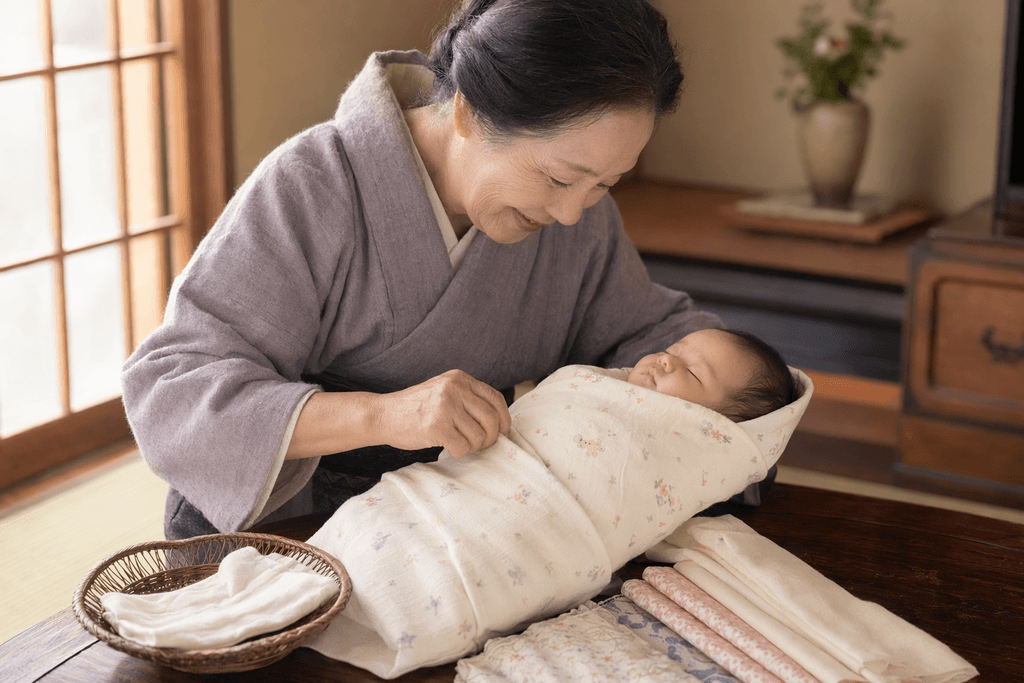
お襁褓
ළදරු නැපිය
お襁褓
ළදරු නැපිය
Explanation
お襁褓
ළදරු නැපිය
お襁褓
බිළිඳා රැඳවීමට යොදන ඇඳුම්/කප්පඩම් (ඩයපර්) / බිළිඳා වටලා බැඳීමට යොදන කප්පඩම් (swaddling)
( romanization )
( hiragana )
Loading...

JLPT N1 多言語単語帳・3032語 / JLPT N1 Multilingual Vocabulary: 3032 Words

Jonathan Waller 氏の JLPT Resources の語彙リスト・レベル分類を出典とし、CC BY の条件に従って DiQt が学習者向けに意味を作り直した3032語の単語帳です。JLPT公式の語彙リストではありません。
This collection of 3032 words is based on the vocabulary list and level classifications in Jonathan Waller’s JLPT Resources under CC BY, with meanings rewritten by DiQt for learners. It is not an official JLPT vocabulary list.
Key Operations
Select the first quiz:
Ctrl + Enter
View Explanation:Ctrl + G
Close a feedback:Esc
When selecting a quiz
Answer:Enter
Select a choice:↓ or ↑
Reading out the question:Ctrl + K
View Hint: Ctrl + M
I don't know: Ctrl + Y



