
JLPT N1 වචන අර්ථ පුහුණුව - Unsolved

පිළිතුරු විකල්ප හතරක් ඇති ප්රශ්න මඟින් JLPT N1 වචන 3032ක අර්ථ සිංහලෙන් ඉගෙන ගන්න.
-
පුර සඳ
-
මුහුදු මට්ටමට ඉහළ උස
-
අමුතු ආශාව
-
සාම්ප්රදායික බෝලය
-
මහලු විය නිසා දුර්වල වීම
-
බැඳ තැබීම
-
සමානුපාතිකත්වය
-
රජතුමා
-
ස්වාභාවික විපත
-
හඬගෑම / යටිගිරියෙන් කෑගැසීම
-
කුරුලු පැටවා / බෝනික්කා
-
තීරණය නොකළ තත්ත්වය
-
තුවාල කරනවා / ශෝක වෙනවා
-
වටහාගන්නවා / අවබෝධයට පත් වෙනවා
-
වද දෙනවා
- 五段活用(ラ行)。「触る(さわる)」と同音だが、本語は「気に障る」「体に障る」など、害する・差し支える意で用いられる。
-
අවංක
-
නොදියුණු
-
යන්තම් දැනෙන
-
සංවර්ධනය
-
මවාපෑම
-
අවහිරය / අරමුදල් අත්හිටුවීම
-
පදනම් වෙනවා / අනුකූල වෙනවා
-
එක් කරනවා / අමුණා දෙනවා
-
දෙසට මුහුණලා තිබෙනවා
-
ඉදිරිපත් කිරීම
-
වාසිදායක තත්ත්වය
-
අනිවාර්යතාව
-
දොඹකරය
-
නොසිටීම
-
මූලික ප්රතිසංස්කරණය
処置
වෛද්ය ප්රතිකාරය / පියවර ගැනීම
処置
වෛද්ය ප්රතිකාරය / පියවර ගැනීම
Explanation
処置
වෛද්ය ප්රතිකාරය / පියවර ගැනීම
処置
පියවර/ක්රියාමාර්ග / ප්රතිකාරය (වෛද්ය) / කාර්යය හැසිරවීම/කළමනාකරණය

( Base form )
( romanization )
( hiragana )
ベース
පදනම / පහත් ස්වරය
ベース
පදනම / පහත් ස්වරය
Explanation
පදනම / පහත් ස්වරය
ベース
බේස් (අඩු ස්වර පරාසය) / බේස් වාද්යය
මික්ස් එක තද කරද්දී බේස් පරාසය අනෙකුත් වාද්යයන් සමඟ ඉක්මනින්ම ගැටීමට ලක්වන නිසා, ෆේස් සහ සයිඩ්චේන් නැවත සමාලෝචනය කරලා පහළ පරාසයේ රූපරේඛාව තහවුරු කළා.
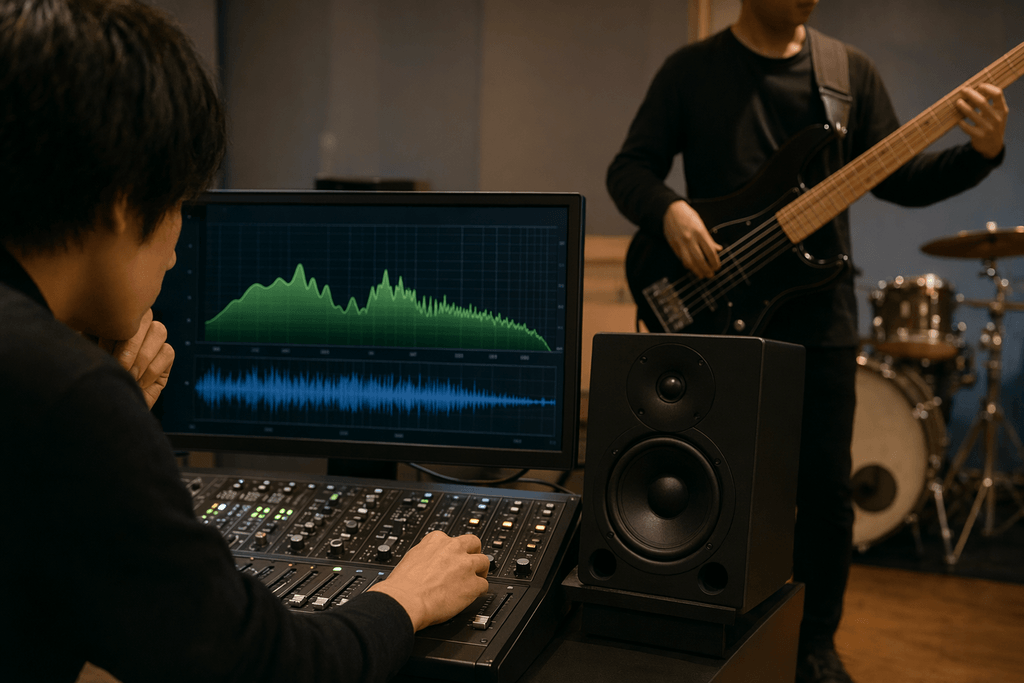
( romanization )
朗読
භාවාත්මකව කියවීම
朗読
භාවාත්මකව කියවීම
Explanation
朗読
භාවාත්මකව කියවීම
朗読
ශබ්දයෙන් පාඨ කියවීම / ප්රේක්ෂකයන්ට ඇසෙන ලෙස පාඨය කියවීම / උච්චාරණයෙන් කියවීම
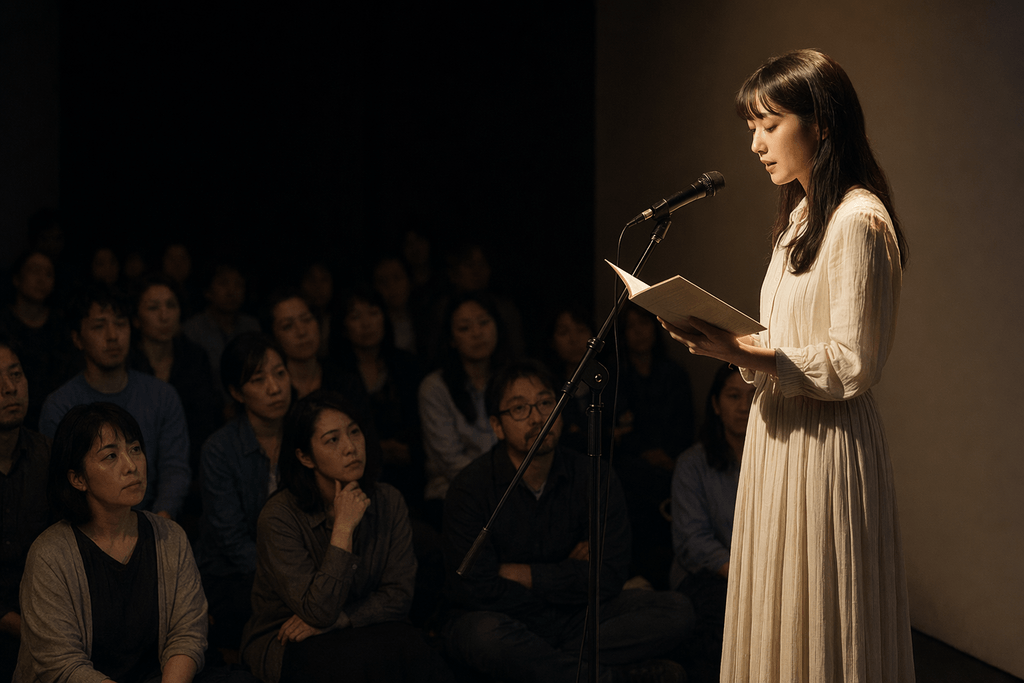
( Base form )
( romanization )
( kyūjitai )
( hiragana )
屈折
වර්තනය / නැවීම
屈折
වර්තනය / නැවීම
Explanation
屈折
වර්තනය / නැවීම
屈折
ප්රතිවර්තනය / වක්ර වීම
විවිධ මාධ් ය අතර මායිම හරහා ආලෝකය ගමන් කරන විට සිදුවන වර්තනය එදිනෙදා සංසිද්ධියකි, නමුත් එය ආලෝකයේ තරංග ස්වභාවය තේරුම් ගැනීම සඳහා අත් යවශ් ය සංකල්පයකි.

( Base form )
( romanization )
( hiragana )
障る
හානි කරනවා / බාධා කරනවා
障る
හානි කරනවා / බාධා කරනවා
Explanation
障る
හානි කරනවා / බාධා කරනවා
障る
බාධා කරනවා / බාධා වෙලා අහිතකර ලෙස බලපානවා / හානි කරනවා
අධ් යක්ෂ මණ්ඩල රැස්වීමේදී නොසැලකිලිමත් අදහස් දැක්වීම අනාගත අරමුදල් රැස් කිරීමට බාධාවක් විය හැකි බැවින්, මිනිත්තු වල ප් රවේශමෙන් වචන අවශ් ය වේ.

Word Forms
The basic and commonly used forms of this verb.
Basic forms
| Form | Word form | Usage |
|---|---|---|
| Imperfective form (mizenkei) |
Alternative:
障ろ
|
Connects to endings such as nai, reru, and seru. |
| Continuative form (renyokei) | Connects to endings such as masu, tai, and ta. | |
| Conclusive form (shushikei) | Ends a sentence and serves as the dictionary form. | |
| Attributive form (rentaikei) | Modifies a noun. | |
| Conditional form (kateikei) | Combines with ba to express a condition. | |
| Imperative form (meireikei) | Expresses a command or instruction. |
Common forms
| Form | Word form | Usage |
|---|---|---|
| Te-form | Connects clauses with te. | |
| Ta-form | Expresses the past with ta. | |
| Nai-form | Expresses negation with nai. | |
| Masu-form | Used for polite speech. | |
| Ba-form | Expresses a condition with ba. | |
| Volitional form | Expresses intention or invitation. |
Notes
温和
මෘදු / සෞම්ය
温和
මෘදු / සෞම්ය
Explanation
温和
මෘදු / සෞම්ය
温和
මෘදු / සෞම්ය / සුහද

Word Forms
The basic and commonly used forms of this adjectival noun.
Basic forms
| Form | Word form | Usage |
|---|---|---|
| Imperfective form (mizenkei) | Used in forms such as darou. | |
| Continuative form (renyokei) |
Alternative:
温和に
|
Used with de or ni. |
| Conclusive form (shushikei) | Ends a sentence with da. | |
| Attributive form (rentaikei) | Modifies a noun with na. | |
| Conditional form (kateikei) | Expresses a condition with nara. | |
| Imperative form (meireikei) | Used in formal expressions such as de are. |
Common forms
物議
මහජන මතභේදය
物議
මහජන මතභේදය
Explanation
物議
මහජන මතභේදය
物議
මහජන කතාබහ / විවාදාත්මක කරුණක් ගැන ප්රසිද්ධ සාකච්ඡාව / විවේචන හා ගෝසා

( Base form )
( romanization )
( hiragana )
ゆでる
වතුරේ තම්බනවා
ゆでる
වතුරේ තම්බනවා
Explanation
වතුරේ තම්බනවා
ゆでる
තම්බා ගන්නවා / උණු වතුරෙන් පිසින්නේ/බෝයිල් කරනවා

Word Forms
The basic and commonly used forms of this verb.
Basic forms
| Form | Word form | Usage |
|---|---|---|
| Imperfective form (mizenkei) |
Alternative:
茹で
|
Connects to endings such as nai, reru, and seru. |
| Continuative form (renyokei) |
Alternative:
茹で
|
Connects to endings such as masu, tai, and ta. |
| Conclusive form (shushikei) |
Alternative:
茹でる
|
Ends a sentence and serves as the dictionary form. |
| Attributive form (rentaikei) |
Alternative:
茹でる
|
Modifies a noun. |
| Conditional form (kateikei) |
Alternative:
茹でれ
|
Combines with ba to express a condition. |
| Imperative form (meireikei) |
Alternative:
茹でろ
ゆでよ
茹でよ
|
Expresses a command or instruction. |
Common forms
| Form | Word form | Usage |
|---|---|---|
| Te-form |
Alternative:
茹でて
|
Connects clauses with te. |
| Ta-form |
Alternative:
茹でた
|
Expresses the past with ta. |
| Nai-form |
Alternative:
茹でない
|
Expresses negation with nai. |
| Masu-form |
Alternative:
茹でます
|
Used for polite speech. |
| Ba-form |
Alternative:
茹でれば
|
Expresses a condition with ba. |
| Volitional form |
Alternative:
茹でよう
|
Expresses intention or invitation. |
語源
නිරුක්තිය
語源
නිරුක්තිය
Explanation
語源
නිරුක්තිය
語源
වචනෝත්පත්තිය / වචනයක් හෝ වාක්යයක් උදභවය / ශබ්දෝත්පත්තිය
ශාස්ත්රීය ලිපිවලදී, පද පරිච්ඡේදය තෝරාගැනීමට ඇති හේතු පැහැදිලි කිරීම සඳහා, එම පදයේ ව්යුත්පත්තිය හා ඓතිහාසික පරිවර්තන (වෙනස්වීම්) එකටම සලකා බැලීම අවශ්ය වේ.

( Base form )
( romanization )
( hiragana )
大柄
විශාල සිරුර / විශාල මෝස්තරය
大柄
විශාල සිරුර / විශාල මෝස්තරය
Explanation
大柄
විශාල සිරුර / විශාල මෝස්තරය
大柄
විශාල රටාවක් / ශරීරයෙන්/උසින් විශාල කෙනෙක්
විශාල රටා ඇති වෝල්පේපර් එකක් සාමාන්යයෙන් අවකාශය කුඩා කරදමා ඇති බවක් හඟවුවත්, සිවිලිමේ උසත් ආලෝකය ලැබීමත් නිසි ලෙස ගණනය කළහොත්, ඒ වෙනුවට කාමරයට නිර්භීත ගැඹුරක් පවා ලබා දිය හැක.

( Base form )
( romanization )
( hiragana )
Loading...

JLPT N1 多言語単語帳・3032語 / JLPT N1 Multilingual Vocabulary: 3032 Words

Jonathan Waller 氏の JLPT Resources の語彙リスト・レベル分類を出典とし、CC BY の条件に従って DiQt が学習者向けに意味を作り直した3032語の単語帳です。JLPT公式の語彙リストではありません。
This collection of 3032 words is based on the vocabulary list and level classifications in Jonathan Waller’s JLPT Resources under CC BY, with meanings rewritten by DiQt for learners. It is not an official JLPT vocabulary list.
Key Operations
Select the first quiz:
Ctrl + Enter
View Explanation:Ctrl + G
Close a feedback:Esc
When selecting a quiz
Answer:Enter
Select a choice:↓ or ↑
Reading out the question:Ctrl + K
View Hint: Ctrl + M
I don't know: Ctrl + Y



