
JLPT N1 වචන අර්ථ පුහුණුව - Unsolved

පිළිතුරු විකල්ප හතරක් ඇති ප්රශ්න මඟින් JLPT N1 වචන 3032ක අර්ථ සිංහලෙන් ඉගෙන ගන්න.
-
පුද්ගලික මුද්රාව
-
හොර රහසේ ඇතුළුවීම
-
ප්රතිචාරය
-
පැහැදිලි වෙනවා / තියුණු වෙනවා
-
මතු වෙනවා
-
හූරනවා
-
මුදල් අමාත්යවරයා
-
පේළිගැසීම
-
ප්රධාන ප්රවාහන මාර්ගය
-
සුසාන භූමිය
-
සංඛ්යාලේඛන එකතුව
-
සංයමය
-
ධීවර බෝට්ටුව
-
ප්රකාශන දායකත්වය
-
උපකුලය
-
කර්තෘත්වය
-
වටමේස සාකච්ඡාව
-
කෝපාවිෂ්ටභාවය
-
වෘත්තීය විශේෂඥයා
-
ටෙලෙක්ස්
-
සංගමය
-
සපා කඩා ගන්නවා
-
පෝෂණය කරනවා / වර්ධනය කරනවා
-
වතුරේ තම්බනවා
-
කඩාවැටීම / විකිරණශීලී ක්ෂය
-
යුද උපක්රම
-
මිත්ර සබඳතා
-
ඇතුළත් කරනවා
-
මුහුණු බලාගන්නවා / අත්හිටුවනවා
-
සෙනඟින් පිරෙනවා / සමෘද්ධ වෙනවා
- 「報ずる」に対応する現代語形。
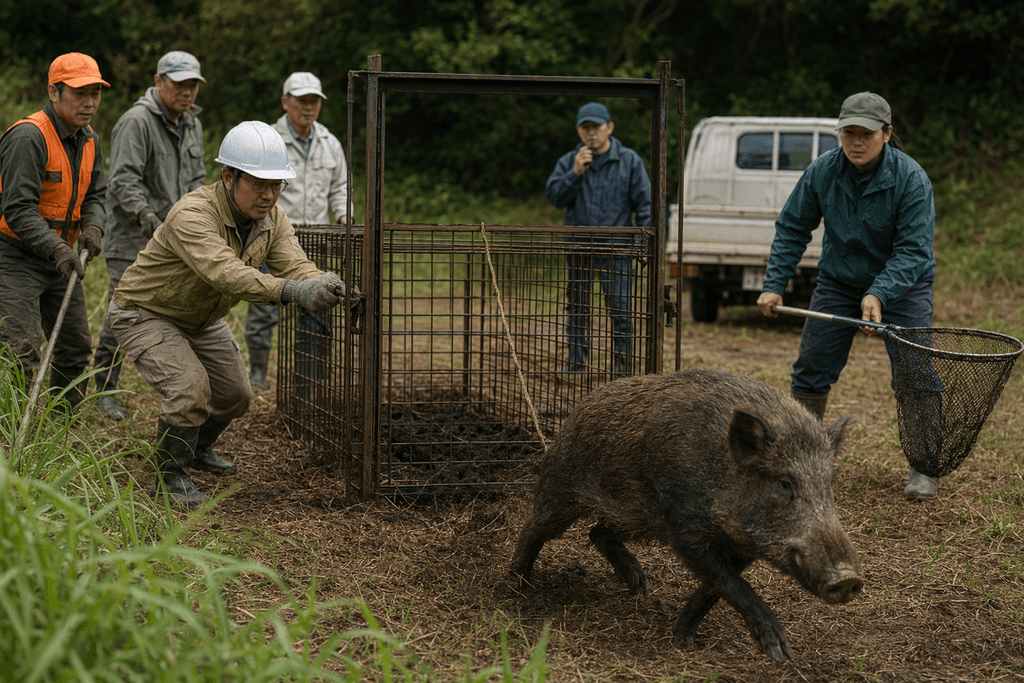
退治
මුලිනුපුටා දැමීම
退治
මුලිනුපුටා දැමීම
Explanation
退治
මුලිනුපුටා දැමීම
退治
නසා දැමීම / සම්පූර්ණයෙන් ඉවත් කිරීම / පළිබෝධ/කීට නාශනය
වසර ගණනාවක් තිස්සේ ප්රදේශයට දුක් පීඩා දුන් හානිකර වල් සතුන් නාශ කිරීම ලෙහෙසියෙන් කළ හැකි දෙයක් නොවන අතර, අදාළ ආයතන අතර සහයෝගී සම්බන්ධතාවය සහ දිගටම ඇලී සිටින දෘඪ ප්රතිචාර ක්රියාමාර්ග අත්යාවශ්ය වේ.
( Base form )
( romanization )
( romanization )
( hiragana historical )
( hiragana )
隔たる
දුරස්ව පිහිටනවා
隔たる
දුරස්ව පිහිටනවා
Explanation
隔たる
දුරස්ව පිහිටනවා
隔たる
දුරින් වෙන්වී තිබීම / බොහෝ ලෙස වෙනස් වීම / සම්බන්ධය ඈත්වී/වෙන්වී යාම

Word Forms
The basic and commonly used forms of this verb.
Basic forms
| Form | Word form | Usage |
|---|---|---|
| Imperfective form (mizenkei) |
Alternative:
隔たろ
|
Connects to endings such as nai, reru, and seru. |
| Continuative form (renyokei) | Connects to endings such as masu, tai, and ta. | |
| Conclusive form (shushikei) | Ends a sentence and serves as the dictionary form. | |
| Attributive form (rentaikei) | Modifies a noun. | |
| Conditional form (kateikei) | Combines with ba to express a condition. | |
| Imperative form (meireikei) | Expresses a command or instruction. |
Common forms
面会
හමුවීම
面会
හමුවීම
Explanation
面会
හමුවීම
面会
මුහුණටමුහුණ හමුවීම / සජීවී හමුව

( Base form )
( romanization )
( hiragana )
鉄鋼
යකඩ හා වානේ
鉄鋼
යකඩ හා වානේ
Explanation
鉄鋼
යකඩ හා වානේ
鉄鋼
යකඩ හා වානේ / යකඩ-වානේ කර්මාන්තය

( Base form )
( romanization )
( kyūjitai )
( hiragana )
とじまり
දොරගුළු දැමීම
とじまり
දොරගුළු දැමීම
Explanation
දොරගුළු දැමීම
とじまり
දොර ජනෙල් වසා අගුලු දැමීම / ගෙය ආරක්ෂා ලෙස වසා තැබීම / වසා තැබීම (අගුලු දැමීම)
දීර්ඝ ව් යාපාරික චාරිකාවක් සඳහා පිටත්ව යාමට පෙර, ඔහු ආරක්ෂක සමාගමේ උපදෙස් අනුගමනය කළ අතර නිවසේ සියලුම දොරවල් සහ ජනෙල් අගුළු දමා ඇති බව නැවත නැවතත් පරීක්ෂා කළේය.

( romanization )
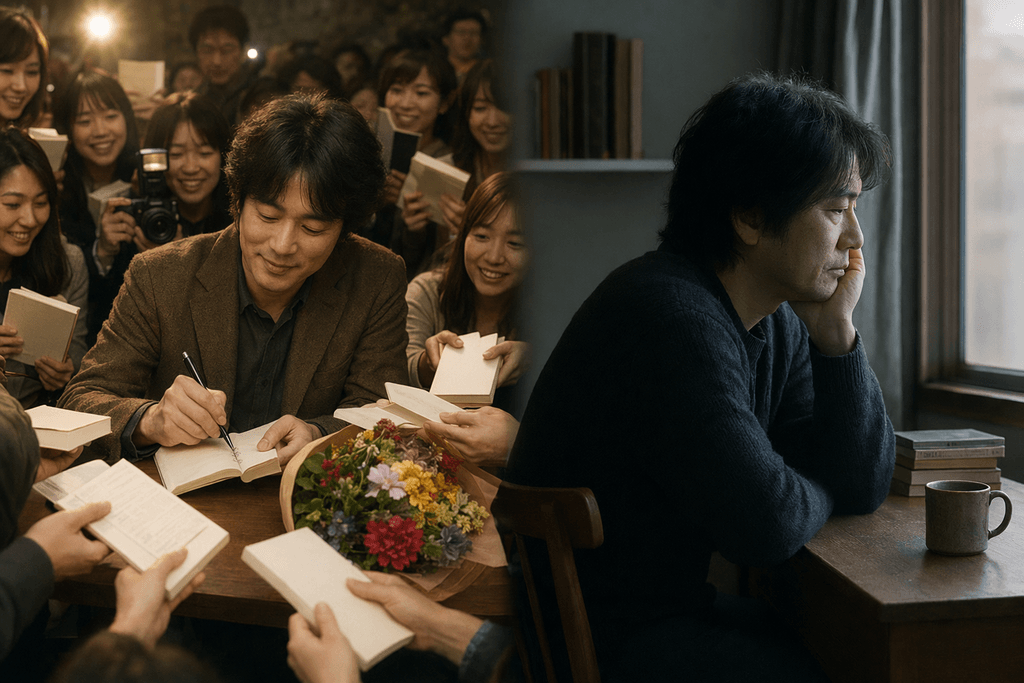
全盛
ස්වර්ණමය අවධිය
全盛
ස්වර්ණමය අවධිය
Explanation
全盛
ස්වර්ණමය අවධිය
全盛
සමෘද්ධියේ උච්චතම කාලය / අතිශය සාර්ථක අවධිය / දියුණුවේ උච්ච ශිඛරය
( Base form )
( romanization )
( hiragana )
華やか
චමත්කාරජනක
華やか
චමත්කාරජනක
Explanation
華やか
චමත්කාරජනක
華やか
දර්ශනීය බව / ඉතා ආකර්ෂණීය/අලංකාර බව / ආඩම්බරවත් ප්රදර්ශනාත්මක බව

( Base form )
( romanization )
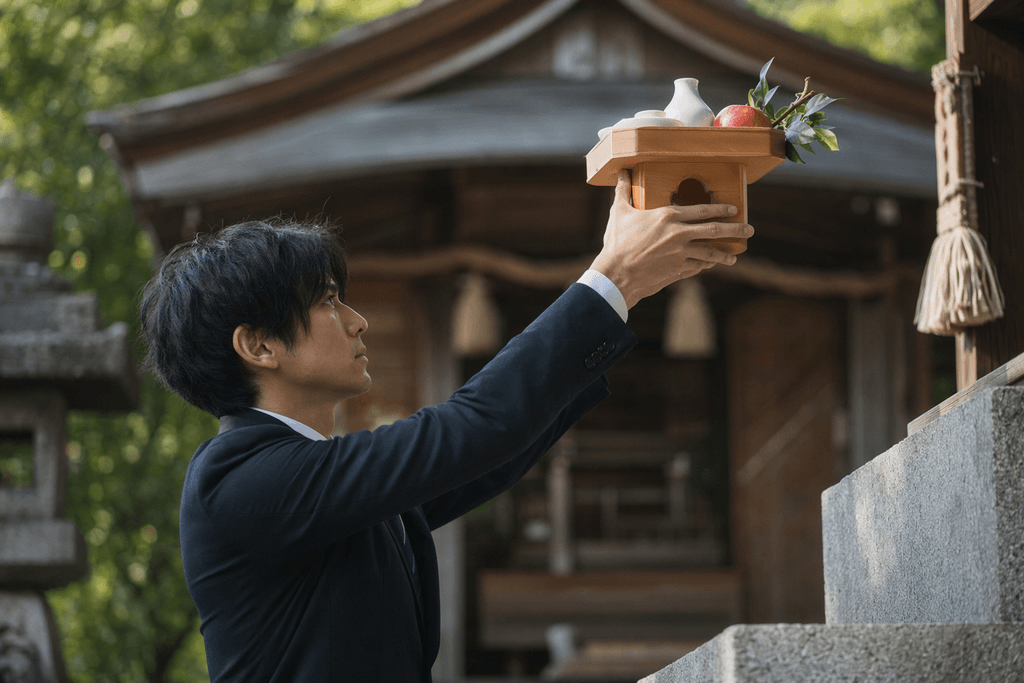
捧げる
පුදනවා / කැප කරනවා
捧げる
පුදනවා / කැප කරනවා
Explanation
捧げる
පුදනවා / කැප කරනවා
捧げる
පූජා කිරීම; අර්පණය කිරීම / උරුමකර දීම; කැප කිරීම / දෙහත්කොට ඉහළට ඔසවා පිරිනමීම
Word Forms
The basic and commonly used forms of this verb.
Basic forms
| Form | Word form | Usage |
|---|---|---|
| Imperfective form (mizenkei) | Connects to endings such as nai, reru, and seru. | |
| Continuative form (renyokei) | Connects to endings such as masu, tai, and ta. | |
| Conclusive form (shushikei) | Ends a sentence and serves as the dictionary form. | |
| Attributive form (rentaikei) | Modifies a noun. | |
| Conditional form (kateikei) | Combines with ba to express a condition. | |
| Imperative form (meireikei) |
Alternative:
捧げよ
|
Expresses a command or instruction. |
Common forms
成熟
පරිණතභාවය / ඉදුණු බව
成熟
පරිණතභාවය / ඉදුණු බව
Explanation
成熟
පරිණතභාවය / ඉදුණු බව
成熟
පරිණතභාවය / පැකීම/ඉදුණු බව / වැඩිදියුණු වූ පරිණත තත්ත්වය

( Base form )
( romanization )
( hiragana )
報じる
වාර්තා කරනවා
報じる
වාර්තා කරනවා
Explanation
報じる
වාර්තා කරනවා
報じる
වාර්තා කිරීම / දැනුම් දීම / ප්රතිදානය කිරීම
ඔහුට මහත් ආපාර කෘපාවක් ලැබූ තම ආචාර්යවරයාට කළගුණ සැලකීම පිණිස, වසර ගණනාවක් පුරා වර්ධනය කරගත් දැනුමත් හඳුනාගැනීම් ජාලයත් කිසිදු කණගාටුවක් නැතිව අනුග්රහයෙන්ම ලබා දුන්නේය.

Word Forms
The basic and commonly used forms of this verb.
Basic forms
| Form | Word form | Usage |
|---|---|---|
| Imperfective form (mizenkei) | Connects to endings such as nai, reru, and seru. | |
| Continuative form (renyokei) | Connects to endings such as masu, tai, and ta. | |
| Conclusive form (shushikei) | Ends a sentence and serves as the dictionary form. | |
| Attributive form (rentaikei) | Modifies a noun. | |
| Conditional form (kateikei) | Combines with ba to express a condition. | |
| Imperative form (meireikei) |
Alternative:
報じよ
|
Expresses a command or instruction. |
Common forms
| Form | Word form | Usage |
|---|---|---|
| Te-form | Connects clauses with te. | |
| Ta-form | Expresses the past with ta. | |
| Nai-form | Expresses negation with nai. | |
| Masu-form | Used for polite speech. | |
| Ba-form | Expresses a condition with ba. | |
| Volitional form | Expresses intention or invitation. |
Notes
Loading...

JLPT N1 多言語単語帳・3032語 / JLPT N1 Multilingual Vocabulary: 3032 Words

Jonathan Waller 氏の JLPT Resources の語彙リスト・レベル分類を出典とし、CC BY の条件に従って DiQt が学習者向けに意味を作り直した3032語の単語帳です。JLPT公式の語彙リストではありません。
This collection of 3032 words is based on the vocabulary list and level classifications in Jonathan Waller’s JLPT Resources under CC BY, with meanings rewritten by DiQt for learners. It is not an official JLPT vocabulary list.
Key Operations
Select the first quiz:
Ctrl + Enter
View Explanation:Ctrl + G
Close a feedback:Esc
When selecting a quiz
Answer:Enter
Select a choice:↓ or ↑
Reading out the question:Ctrl + K
View Hint: Ctrl + M
I don't know: Ctrl + Y



