
JLPT N1 වචන අර්ථ පුහුණුව - Unsolved

පිළිතුරු විකල්ප හතරක් ඇති ප්රශ්න මඟින් JLPT N1 වචන 3032ක අර්ථ සිංහලෙන් ඉගෙන ගන්න.
-
මලානික බව
-
ප්රකාශ කිරීම / බදු වාර්තා ඉදිරිපත් කිරීම
-
රාජ්ය මූල්යය
-
කෑම පිස්නාව / සනීපාරක්ෂක තුවාය
-
රාක්ෂයා
-
ගිනි පුපුර
-
වැසි සහිත කාලගුණය
-
ඉලක්කයට වැදීම / සාර්ථකත්වය
-
ක්රියාන්විතයට පිටත් කිරීම
-
පුරවනවා / සපුරනවා
-
නීති ක්රියාත්මක කරනවා
-
සායම් කරනවා
- 「賜る(たまわる)」はラ行五段活用。謙譲語として「いただく」の意で用いられる。
- 表記揺れとして「賜わる」も見られる。
-
වෙනතකට යොමු කරනවා
-
වද දෙනවා
-
තද වෙනවා / දැඩිව සිටිනවා
-
රස එක් කිරීම / සැලකිල්ලට ගැනීම
-
සාද විනෝදාස්වාදය
-
මන්දිරය
-
වැරදි ලෙස කරනවා / වෙනස් කරනවා
-
බල කරනවා
-
මුසු වෙනවා / අවධානය වෙනතකට යනවා
-
අතර කාලය
-
දක්ෂතාව
-
මුල් ස්වරූපය
-
සිදුවීම් පෙළ
-
අප්රසාදය
-
පාපොච්චාරණය
-
වේළීමට දැමූ රෙදි
-
චාරිත්රය
-
කටයුත්තක නිරත වීම
改良
වැඩිදියුණු කිරීම
改良
වැඩිදියුණු කිරීම
Explanation
改良
වැඩිදියුණු කිරීම
改良
වැඩිදියුණු කිරීම / සංවර්ධනය/යාවත්කාලීන කිරීම / සංශෝධනය කර වඩා හොඳ කිරීම

( Base form )
( romanization )
( hiragana )
庶務
සාමාන්ය කාර්යාල කටයුතු
庶務
සාමාන්ය කාර්යාල කටයුතු
Explanation
庶務
සාමාන්ය කාර්යාල කටයුතු
庶務
සාමාන්ය කටයුතු / කාර්යාලීය පොදු කටයුතු / පරිපාලන වැඩකටයුතු
පරිපාලන (සමාන්ය කාර්යාල) කටයුතු අඩපන වූ විට, සමාගම තුළ ඇති සුළු විස්තර සම්පූර්ණයෙන්ම එකවර අක්රියතාවයට පත්වී, ක්ෂේත්රයේ නිෂ්පාදනශීලීත්වය ද අනුවාංගිකව පහළ යයි.

( Base form )
( romanization )
( hiragana )
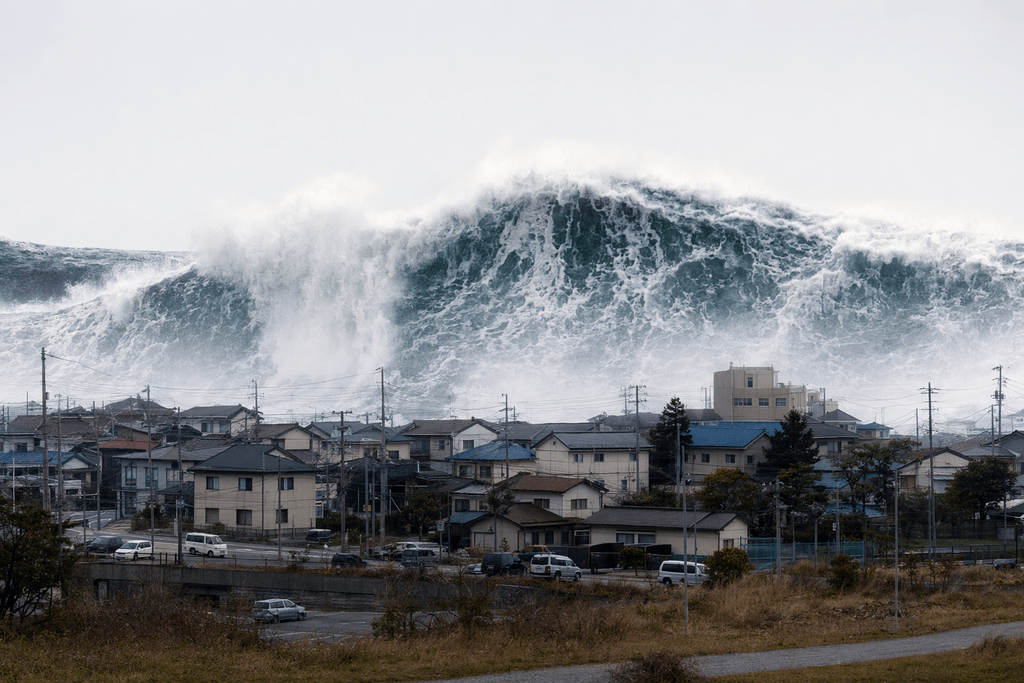
津波
සුනාමිය
津波
සුනාමිය
Explanation
津波
සුනාමිය
津波
සුනාමිය / විශාල මුහුදු රළ
( Base form )
( romanization )
( hiragana )
賜る
ගෞරවයෙන් ලබනවා / පිරිනමනවා
賜る
ගෞරවයෙන් ලබනවා / පිරිනමනවා
Explanation
賜る
ගෞරවයෙන් ලබනවා / පිරිනමනවා
賜る
(ගරු/විනීත) පිරිනමනු ලැබීම / (ගරු/විනීත) ලබාදෙන ලෙස අනුග්රහ වීම / (ගරු/විනීත) දායාද ලෙස ලැබීම

Word Forms
The basic and commonly used forms of this verb.
Basic forms
| Form | Word form | Usage |
|---|---|---|
| Imperfective form (mizenkei) |
Alternative:
賜ろ
|
Connects to endings such as nai, reru, and seru. |
| Continuative form (renyokei) | Connects to endings such as masu, tai, and ta. | |
| Conclusive form (shushikei) |
Alternative:
賜わる
|
Ends a sentence and serves as the dictionary form. |
| Attributive form (rentaikei) |
Alternative:
賜わる
|
Modifies a noun. |
| Conditional form (kateikei) | Combines with ba to express a condition. | |
| Imperative form (meireikei) | Expresses a command or instruction. |
Common forms
| Form | Word form | Usage |
|---|---|---|
| Te-form |
Alternative:
賜わって
|
Connects clauses with te. |
| Ta-form |
Alternative:
賜わった
|
Expresses the past with ta. |
| Nai-form |
Alternative:
賜わらない
|
Expresses negation with nai. |
| Masu-form |
Alternative:
賜わります
|
Used for polite speech. |
| Ba-form |
Alternative:
賜われば
|
Expresses a condition with ba. |
| Volitional form |
Alternative:
賜わろう
|
Expresses intention or invitation. |
Notes
早める
ඉක්මන් කරනවා
早める
ඉක්මන් කරනවා
Explanation
早める
ඉක්මන් කරනවා
早める
ඉක්මන් කිරීම; වේගවත් කිරීම / කාලය කලින් කිරීම; ආරම්භය කලින් කිරීම / කාලසටහන/යෝජනාව ඉදිරියට ගෙන ඒම

Word Forms
The basic and commonly used forms of this verb.
Basic forms
| Form | Word form | Usage |
|---|---|---|
| Imperfective form (mizenkei) | Connects to endings such as nai, reru, and seru. | |
| Continuative form (renyokei) | Connects to endings such as masu, tai, and ta. | |
| Conclusive form (shushikei) | Ends a sentence and serves as the dictionary form. | |
| Attributive form (rentaikei) | Modifies a noun. | |
| Conditional form (kateikei) | Combines with ba to express a condition. | |
| Imperative form (meireikei) |
Alternative:
早めよ
|
Expresses a command or instruction. |
Common forms
私用
පෞද්ගලික කටයුත්ත / පෞද්ගලික භාවිතය
私用
පෞද්ගලික කටයුත්ත / පෞද්ගලික භාවිතය
Explanation
私用
පෞද්ගලික කටයුත්ත / පෞද්ගලික භාවිතය
私用
පුද්ගලික භාවිතය / පෞද්ගලික කාර්යය / පුද්ගලික කටයුතු

貫く
සිදුරු කරනවා / අවසන් වනතුරු කරනවා
貫く
සිදුරු කරනවා / අවසන් වනතුරු කරනවා
Explanation
貫く
සිදුරු කරනවා / අවසන් වනතුරු කරනවා
貫く
සිදුරු කරගෙන හරහා යාම / එකම මාර්ගයකින් අඛණ්ඩව පැවැත්ම/ගෙන යාම / විශ්වාසයක් හෝ ප්රතිපත්තියක් අදිටනින් අනුගමනය කිරීම

Word Forms
The basic and commonly used forms of this verb.
Basic forms
| Form | Word form | Usage |
|---|---|---|
| Imperfective form (mizenkei) | Connects to endings such as nai, reru, and seru. | |
| Continuative form (renyokei) | Connects to endings such as masu, tai, and ta. | |
| Conclusive form (shushikei) | Ends a sentence and serves as the dictionary form. | |
| Attributive form (rentaikei) | Modifies a noun. | |
| Conditional form (kateikei) | Combines with ba to express a condition. | |
| Imperative form (meireikei) | Expresses a command or instruction. |
Common forms
嫉妬
ඊර්ෂ්යාව
嫉妬
ඊර්ෂ්යාව
Explanation
嫉妬
ඊර්ෂ්යාව
嫉妬
ඊර්ෂ්යාව / අසූයාව / අනේකයාගේ සාර්ථකත්වයට ඇති ඊර්ෂ්යාව
ඔහුගේ සාර්ථකත්වය ගැන මම ඔහුට අවංකවම සුබ පැතුමට යුතු බව මම බුද්ධිමය වශයෙන් දැන සිටියද, මගේ හදවතේ ගැඹුරින් සැඟවී ඇති ඊර්ෂ්යාව මට අතුගා දැමිය නොහැකි විය.

( Base form )
( romanization )
( hiragana )
著書
රචිත පොත
著書
රචිත පොත
Explanation
著書
රචිත පොත
著書
රචිත ග්රන්ථය / තමා විසින් ලියූ පොත / ප්රකාශනය

( Base form )
( romanization )
( hiragana )
仕上げ
අවසන් නිමාව
仕上げ
අවසන් නිමාව
Explanation
仕上げ
අවසන් නිමාව
仕上げ
නිමාව/අවසන් කිරීම / අවසන් සැකසුම (ෆිනිෂින්) / පොලීෂ් කිරීම/අවසාන සංවරකිරීම

( Base form )
( romanization )
Loading...

JLPT N1 多言語単語帳・3032語 / JLPT N1 Multilingual Vocabulary: 3032 Words

Jonathan Waller 氏の JLPT Resources の語彙リスト・レベル分類を出典とし、CC BY の条件に従って DiQt が学習者向けに意味を作り直した3032語の単語帳です。JLPT公式の語彙リストではありません。
This collection of 3032 words is based on the vocabulary list and level classifications in Jonathan Waller’s JLPT Resources under CC BY, with meanings rewritten by DiQt for learners. It is not an official JLPT vocabulary list.
Key Operations
Select the first quiz:
Ctrl + Enter
View Explanation:Ctrl + G
Close a feedback:Esc
When selecting a quiz
Answer:Enter
Select a choice:↓ or ↑
Reading out the question:Ctrl + K
View Hint: Ctrl + M
I don't know: Ctrl + Y



