
JLPT N1 වචන අර්ථ පුහුණුව - Unsolved

පිළිතුරු විකල්ප හතරක් ඇති ප්රශ්න මඟින් JLPT N1 වචන 3032ක අර්ථ සිංහලෙන් ඉගෙන ගන්න.
-
හැදියාව ඉගැන්වීම
-
තීරණය නොකළ තත්ත්වය
-
පාසල් මාරුව
-
පරතරය
-
සමූහ ගායනය
-
බඩු
-
ආහාරයට ස්තුතියි
-
දැන් ඉතින් / තීරණාත්මක මොහොත
-
ඔව්
-
මවාපෑම
-
රෝගය
-
සහකම්පනය
-
මැසිවිලි කියනවා
-
ස්ථාපනය කරනවා
-
වැය කරනවා
-
පෙරහන
-
ඉඟිය
-
තණපිටි තණකොළ
-
විදුලි හා ඉන්ධන වියදම්
-
ගැහැනු සතා
-
ඉරියව්ව / විරාමය
-
පෙනහැල්ල
-
සුරක්ෂිත කරගැනීම
-
වෙන්ව හුදකලා වීම
-
බොරුකාරයා
-
සුහද බව
-
කක්ෂය / දුම්රිය පීල්ල
-
අසනීප වෙනවා
-
ඉදිකරනවා / නිපදවනවා
-
ළඟා වෙනවා
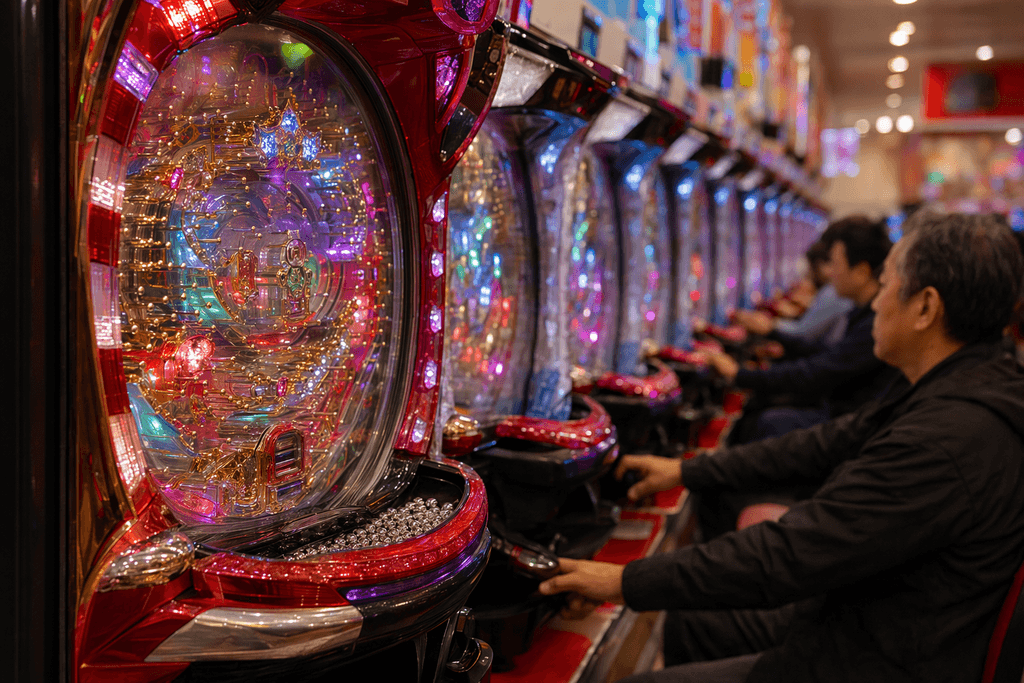
パチンコ
පචින්කෝ ක්රීඩාව / කැටපෝලය
パチンコ
පචින්කෝ ක්රීඩාව / කැටපෝලය
Explanation
පචින්කෝ ක්රීඩාව / කැටපෝලය
パチンコ
(ජපානයේ) සූදුවට භාවිත වන උර්ධ්ව පින්බෝල් යන්ත්රය/ක්රීඩාව / ස්ලිංෂොට් එක; ගල්දමා යන්ත්රය / (ජනප්රිය භාෂාවෙන්) පිස්තෝලයක්
පචින්කෝ සාප්පු වල මුදල් මාරු කිරීමේ පද්ධතිය තවමත් ග්රේ කලාපයක තැබී තිබුණ ද, නියාමන දැඩි කරන සෑම වතාවකම ගනුදෙනුකරුවන්ගේ පැමිණීම දෘශ්යමාන ලෙස අඩුවෙමින් ගියා.
( romanization )
観
දැක්ම / පෙනුම
観
දැක්ම / පෙනුම
Explanation
観
දැක්ම / පෙනුම
観
පෙනුම; රූපලාවණ්යය / දර්ශනය; දසුන; දර්ශනීය දෘශ්යය / දෘෂ්ටිකෝණය; දේවල් බැලීමේ ආකාරය; (බුද්ධාගම) ධ්යානයෙන් නිරීක්ෂණය/අවබෝධය

( romanization )
( romanization )
( hiragana historical )
( hiragana )
畜生
තිරිසනා
畜生
තිරිසනා
Explanation
畜生
තිරිසනා
畜生
චී! / දෙයියෝ! / ඇයි මේ මගුල!

( Base form )
( romanization )
( hiragana )
不意
අනපේක්ෂිත බව
不意
අනපේක්ෂිත බව
Explanation
不意
අනපේක්ෂිත බව
不意
හදිසි ලෙස / අනපේක්ෂිත ලෙස / අසම්බන්ධව/කිසි අනතුරු ඇඟවීමක් නැතිව

( Base form )
( romanization )
( adnominal )
( adverbial )
( hiragana )
( table-tags )
( inflection-template )
( imperfective stem )
( imperfective stem )
( imperfective )
( continuative stem )
( continuative stem )
( continuative )
( stem terminative )
( stem terminative )
( terminative )
( attributive stem )
( attributive stem )
( attributive )
( hypothetical stem )
( hypothetical stem )
( hypothetical )
( Imperative stem )
( Imperative stem )
( Imperative )
( informal negative )
( informal negative )
( informal negative )
( informal negative )
( informal negative )
( informal negative )
( informal Past )
( informal Past )
( informal Past )
( informal negative Past )
( informal negative Past )
( informal negative Past )
( informal negative Past )
( informal negative Past )
( informal negative Past )
( formal )
( formal )
( formal )
( formal negative )
( formal negative )
( formal negative )
( formal negative )
( formal negative )
( formal negative )
( formal Past )
( formal Past )
( formal Past )
( formal negative Past )
( formal negative Past )
( formal negative Past )
( formal negative Past )
( formal negative Past )
( formal negative Past )
( conjunctive )
( conjunctive )
( conjunctive )
( Conditional )
( Conditional )
( Conditional )
( Conditional Past )
( Conditional Past )
( Conditional Past )
( volitional )
( volitional )
( volitional )
( adverbial )
( adverbial )
( adverbial )
( noun-from-adj )
( noun-from-adj )
( noun-from-adj )
負う
දරනවා / ණයගැති වෙනවා
負う
දරනවා / ණයගැති වෙනවා
Explanation
負う
දරනවා / ණයගැති වෙනවා
負う
පිට මත දරාගෙන යාම / වගකීමක් භාර ගැනීම / ණයක් හෝ උපකාර ණයක් තිබීම
සමාගම්වලට සමාජ වගකීම දැරීම තවදුරටත් හුදු පරමාදර්ශයක් නොවේ; කොටස් හිමියන් සහ පාරිභෝගිකයින් දැන් එය පැවැත්ම සඳහා පූර්ව අවශ් යතාවයක් ලෙස දැඩි ලෙස සලකති.

Word Forms
The basic and commonly used forms of this verb.
Basic forms
| Form | Word form | Usage |
|---|---|---|
| Imperfective form (mizenkei) |
Alternative:
負お
|
Connects to endings such as nai, reru, and seru. |
| Continuative form (renyokei) |
Alternative:
負っ
|
Connects to endings such as masu, tai, and ta. |
| Conclusive form (shushikei) | Ends a sentence and serves as the dictionary form. | |
| Attributive form (rentaikei) | Modifies a noun. | |
| Conditional form (kateikei) | Combines with ba to express a condition. | |
| Imperative form (meireikei) | Expresses a command or instruction. |
Common forms
体験
ප්රත්යක්ෂ අත්දැකීම
体験
ප්රත්යක්ෂ අත්දැකීම
Explanation
体験
ප්රත්යක්ෂ අත්දැකීම
体験
අත්දැකීම / අත්විඳීම / පරිචය

( Base form )
( romanization )
( kyūjitai )
( hiragana )
予言
අනාවැකිය
予言
අනාවැකිය
Explanation
予言
අනාවැකිය
予言
අනාගත වක්තෘත්වය / අනාගත අනාවැකි / පූර්ව අනාවැකි කිරීම

( Base form )
( romanization )
( kyūjitai )
( hiragana )
落ち着き
සන්සුන් බව
落ち着き
සන්සුන් බව
Explanation
落ち着き
සන්සුන් බව
落ち着き
සන්සුන්භාවය / සංයමය / ස්ථාවරත්වය

資金
අරමුදල්
資金
අරමුදල්
Explanation
資金
අරමුදල්
資金
අරමුදල් / ප්රාග්ධනය / මුල්ය සම්පත්

( Base form )
( romanization )
( hiragana )
心掛ける
මතකයේ තබාගන්නවා / උත්සාහ කරනවා
心掛ける
මතකයේ තබාගන්නවා / උත්සාහ කරනවා
Explanation
心掛ける
මතකයේ තබාගන්නවා / උත්සාහ කරනවා
心掛ける
මනසේ තබාගන්න / උත්සාහ කර ක්රියාකරන්න / ඉරියව්/අරමුණ තබාගන්න

Word Forms
The basic and commonly used forms of this verb.
Basic forms
| Form | Word form | Usage |
|---|---|---|
| Imperfective form (mizenkei) | Connects to endings such as nai, reru, and seru. | |
| Continuative form (renyokei) | Connects to endings such as masu, tai, and ta. | |
| Conclusive form (shushikei) | Ends a sentence and serves as the dictionary form. | |
| Attributive form (rentaikei) | Modifies a noun. | |
| Conditional form (kateikei) | Combines with ba to express a condition. | |
| Imperative form (meireikei) |
Alternative:
心掛けよ
|
Expresses a command or instruction. |
Common forms
Loading...

JLPT N1 多言語単語帳・3032語 / JLPT N1 Multilingual Vocabulary: 3032 Words

Jonathan Waller 氏の JLPT Resources の語彙リスト・レベル分類を出典とし、CC BY の条件に従って DiQt が学習者向けに意味を作り直した3032語の単語帳です。JLPT公式の語彙リストではありません。
This collection of 3032 words is based on the vocabulary list and level classifications in Jonathan Waller’s JLPT Resources under CC BY, with meanings rewritten by DiQt for learners. It is not an official JLPT vocabulary list.
Key Operations
Select the first quiz:
Ctrl + Enter
View Explanation:Ctrl + G
Close a feedback:Esc
When selecting a quiz
Answer:Enter
Select a choice:↓ or ↑
Reading out the question:Ctrl + K
View Hint: Ctrl + M
I don't know: Ctrl + Y



