
JLPT N1 වචන අර්ථ පුහුණුව - Unsolved

පිළිතුරු විකල්ප හතරක් ඇති ප්රශ්න මඟින් JLPT N1 වචන 3032ක අර්ථ සිංහලෙන් ඉගෙන ගන්න.
-
ප්රවේශය
-
වෙද නළාව
-
හොඳටම තෙමුණු
-
චෙක්පත
-
ප්රමාණය
-
ඉක්මන් කෝපය
-
ඉඩ වැඩියෙන් ගන්නවා
-
උද්යෝගී වෙනවා
-
රාජකාරිය කළ හැකි වෙනවා
-
විදුලි සංඥා නළාව
-
සැකැස්ම / අමු මාළු පෙති
-
යෞවනය
-
පහසුවෙන් / සිහින් හැඩයෙන්
-
සමාන කොටස් දෙකකට
-
බොහෝ විට
-
අපරාධයක් කරනවා / දූෂණය කරනවා
-
තදින් සොලවනවා
-
පීඩා කරනවා
-
සෝදා හරිනවා
-
පලායනවා
-
අවුල් කරනවා / බාධා කරනවා
- 「強請る」は「ねだる」の表記としての活用。ラ行五段活用。
-
ක්රියාමාර්ග
-
රෝගියා රැකබලා ගැනීම
-
සැරයටිය
-
ප්රථම උපාධිය
-
පිඟන් පිසින රෙද්ද
-
තනුව
-
පැනීම
-
සම මට්ටමක වීම
-
මහජන මතභේදය
個々
එක් එක් දේ
個々
එක් එක් දේ
Explanation
個々
එක් එක් දේ
個々
එක් එක් (පුද්ගල/දේ) / තනි තනි; පුද්ගලිකව / අදාළව; පිළිවෙළින්

( Base form )
( romanization )
( hiragana )
カムバック
යළි පැමිණීම
カムバック
යළි පැමිණීම
Explanation
යළි පැමිණීම
カムバック
නැවත පැමිණීම / නැවත කරළියට/ප්රසිද්ධියට ආපසු එමාවීම / (කේ-පොප්) විරාමයකින් පසු නව ගී/ඇල්බම නිකුතුව හා ඒ සම්බන්ධ ප්රචාරක ක්රියාකාරකම්

( romanization )
ごまかす
රවටනවා / වසන් කරනවා
ごまかす
රවටනවා / වසන් කරනවා
Explanation
රවටනවා / වසන් කරනවා
ごまかす
ගිණුම් වංචාකාර ලෙස සකස් කිරීම / ගිණුම් දත්ත ව්යාජ කිරීම / සල්ලි/ගිණුම් අසංවත්සික ලෙස හසුරවීම

Word Forms
The basic and commonly used forms of this verb.
Basic forms
| Form | Word form | Usage |
|---|---|---|
| Imperfective form (mizenkei) |
Alternative:
ごまかそ
|
Connects to endings such as nai, reru, and seru. |
| Continuative form (renyokei) | Connects to endings such as masu, tai, and ta. | |
| Conclusive form (shushikei) | Ends a sentence and serves as the dictionary form. | |
| Attributive form (rentaikei) | Modifies a noun. | |
| Conditional form (kateikei) | Combines with ba to express a condition. | |
| Imperative form (meireikei) | Expresses a command or instruction. |
Common forms
君主
රජතුමා
君主
රජතුමා
Explanation
君主
රජතුමා
君主
රාජා / රාජ්යයේ උරුමකාර ස්වාමි

( Base form )
( romanization )
( hiragana )
至って
අතිශයින්
至って
අතිශයින්
Explanation
至って
අතිශයින්
至って
ඉතාමත් / අතිශයින් / ඉතා

( Base form )
( romanization )
凭れる
හේත්තු වෙනවා / බඩ බර වෙනවා
凭れる
හේත්තු වෙනවා / බඩ බර වෙනවා
Explanation
凭れる
හේත්තු වෙනවා / බඩ බර වෙනවා
凭れる
ඇලී සිටීම / ආධාරයට හෝ බෑමට ඇලවීම / ආධාරයක් ලෙස ඇසුරු කිරීම

Word Forms
The basic and commonly used forms of this verb.
Basic forms
| Form | Word form | Usage |
|---|---|---|
| Imperfective form (mizenkei) | Connects to endings such as nai, reru, and seru. | |
| Continuative form (renyokei) | Connects to endings such as masu, tai, and ta. | |
| Conclusive form (shushikei) | Ends a sentence and serves as the dictionary form. | |
| Attributive form (rentaikei) | Modifies a noun. | |
| Conditional form (kateikei) | Combines with ba to express a condition. | |
| Imperative form (meireikei) |
Alternative:
凭れよ
|
Expresses a command or instruction. |
Common forms
強請る
ඇවිටිලි කර ඉල්ලනවා
強請る
ඇවිටිලි කර ඉල්ලනවා
Explanation
強請る
ඇවිටිලි කර ඉල්ලනවා
強請る
බලහත්කාරයෙන් කප්පම් ගන්නා / බ්ලැක්මේල් කර මුදල්/දේ ඉල්ලා ගැනීම / අඛණ්ඩව හිරිහැර කරමින් ඉල්ලන

Word Forms
The basic and commonly used forms of this verb.
Basic forms
| Form | Word form | Usage |
|---|---|---|
| Imperfective form (mizenkei) |
Alternative:
強請ろ
|
Connects to endings such as nai, reru, and seru. |
| Continuative form (renyokei) | Connects to endings such as masu, tai, and ta. | |
| Conclusive form (shushikei) | Ends a sentence and serves as the dictionary form. | |
| Attributive form (rentaikei) | Modifies a noun. | |
| Conditional form (kateikei) | Combines with ba to express a condition. | |
| Imperative form (meireikei) | Expresses a command or instruction. |
Common forms
| Form | Word form | Usage |
|---|---|---|
| Te-form | Connects clauses with te. | |
| Ta-form | Expresses the past with ta. | |
| Nai-form | Expresses negation with nai. | |
| Masu-form | Used for polite speech. | |
| Ba-form | Expresses a condition with ba. | |
| Volitional form | Expresses intention or invitation. |
Notes
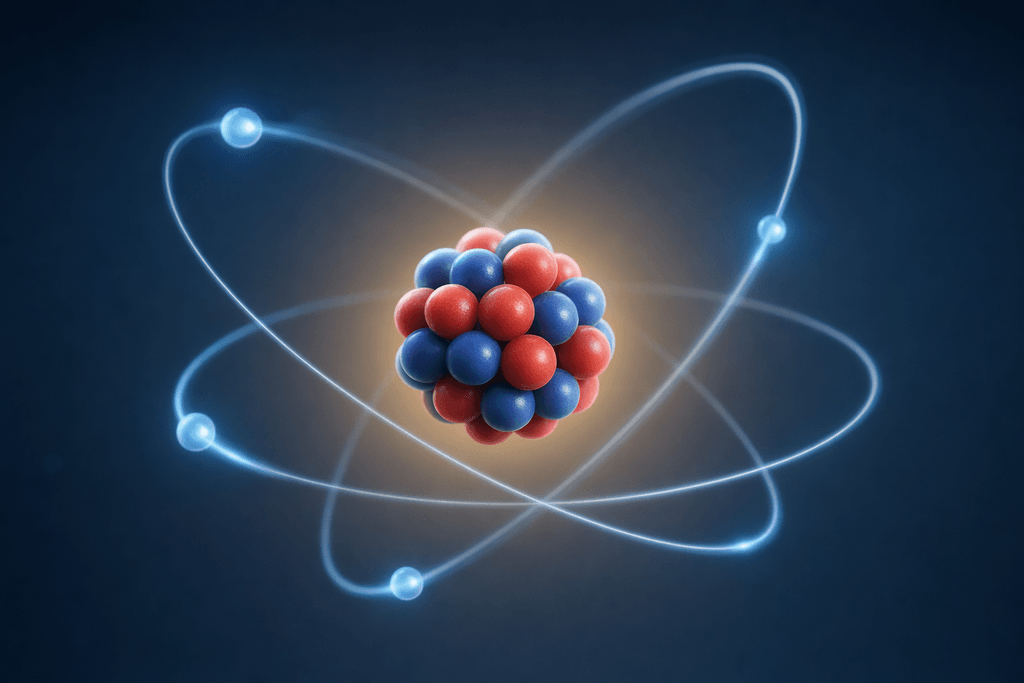
核
න්යෂ්ටිය / හරය
核
න්යෂ්ටිය / හරය
Explanation
核
න්යෂ්ටිය / හරය
核
අණුකේන්ද්රය / (ගණිතය) කර්නලය / මධ්යකේන්ද්රය / කේන්ද්රය
ප් රෝටෝන සහ නියුට් රෝන වලින් සමන්විත පරමාණුක න් යෂ්ටියේ ස්ථායිතාව ක්වොන්ටම්-යාන්ත් රික අන්තර්ක් රියා ප් රවේශමෙන් සලකා බැලීමකින් තොරව පැහැදිලි කළ නොහැක.
( romanization )
( hiragana )
脅迫
තර්ජනය
脅迫
තර්ජනය
Explanation
脅迫
තර්ජනය
脅迫
තර්ජනය / බිය ගැන්වීම / බලහත්කාර පීඩනය

( Base form )
( romanization )
( hiragana )
聴覚
ශ්රවණය
聴覚
ශ්රවණය
Explanation
聴覚
ශ්රවණය
聴覚
ශ්රවණ ඉන්ද්රිය / ඇසීමේ හැඟීම / ශ්රවණ ශක්තිය
වසර ගණනාවක් තිස්සේ ශබ්දය නිරාවරණය වීමෙන් ඔහුගේ ශ් රවණ හැඟීම් ක් රමයෙන් දුර්වල වී තිබීම වැඩ පරිසරය වැඩිදියුණු කිරීම කල් දැමූ සමාගමේ වගකීම ඉස්මතු කළේය.

( Base form )
( romanization )
( kyūjitai )
( hiragana )
Loading...

JLPT N1 多言語単語帳・3032語 / JLPT N1 Multilingual Vocabulary: 3032 Words

Jonathan Waller 氏の JLPT Resources の語彙リスト・レベル分類を出典とし、CC BY の条件に従って DiQt が学習者向けに意味を作り直した3032語の単語帳です。JLPT公式の語彙リストではありません。
This collection of 3032 words is based on the vocabulary list and level classifications in Jonathan Waller’s JLPT Resources under CC BY, with meanings rewritten by DiQt for learners. It is not an official JLPT vocabulary list.
Key Operations
Select the first quiz:
Ctrl + Enter
View Explanation:Ctrl + G
Close a feedback:Esc
When selecting a quiz
Answer:Enter
Select a choice:↓ or ↑
Reading out the question:Ctrl + K
View Hint: Ctrl + M
I don't know: Ctrl + Y



