
JLPT N1 වචන අර්ථ පුහුණුව - Unsolved

පිළිතුරු විකල්ප හතරක් ඇති ප්රශ්න මඟින් JLPT N1 වචන 3032ක අර්ථ සිංහලෙන් ඉගෙන ගන්න.
-
නාට්ය අනුවර්තනය / අලංකාර කර කීම
-
ප්රචාලනය / ප්රවර්ධනය
-
මූලාරම්භය
-
මහලු විය නිසා දුර්වල වීම
-
අනුකූලතාව
-
කෝපය
-
අනාගත මාර්ගය / ගමන් මඟ
-
පිරිහීම
-
රැගෙන යෑම / ජංගම දුරකථනය
-
උර මත බර උසුලනවා
-
අවහිර කරනවා
-
පුහුණු කරනවා / ලෝහ තළනවා
-
රහසිගත ඝාතනය
-
වෘත්තීය රාජකාරි
-
හමුවීම
-
කලකිරෙනවා / පහළ වැටෙනවා
-
ගෙන එනවා
-
ප්රමාද වෙනවා / ගෙවීම් හිඟ වෙනවා
-
මුහුදු වෙරළ
-
ගොවිතැන
-
කිරි / පියයුර
-
පහත් කරනවා / ආපසු ගන්නවා
-
වටිනවා / සුදුසු වෙනවා
-
දඟලනවා
-
ජපන් පාඨය
-
නීතිමය වැඩිහිටිභාවය
-
පේළිගැසීම
-
චාරිත්රය
-
තහනම් දෙය
-
අනාවැකිය
対辺
විරුද්ධ පැත්ත
対辺
විරුද්ධ පැත්ත
Explanation
対辺
විරුද්ධ පැත්ත
対辺
(ජ්යාමිතිය) විරුද්ධ පැත්ත / ප්රතිපක්ෂ පැත්ත

( Base form )
( romanization )
( kyūjitai )
( hiragana )
決意
අධිෂ්ඨානය
決意
අධිෂ්ඨානය
Explanation
決意
අධිෂ්ඨානය
決意
දෘඪ අධිෂ්ඨානය / තීරණාත්මක නිශ්චය / අවසාන තීරණය

( Base form )
( romanization )
( hiragana )
履歴
පුද්ගල ඉතිහාසය / වාර්තා සටහන
履歴
පුද්ගල ඉතිහාසය / වාර්තා සටහන
Explanation
履歴
පුද්ගල ඉතිහාසය / වාර්තා සටහන
履歴
පසුගිය සිදුවීම් පිළිබඳ වාර්තාව/ඉතිහාසය / පුද්ගලයකුගේ පසුබිම හෝ වෘත්තීය ඉතිහාසය / වාර්තාව (රෙකෝඩ්)
( Base form )
( romanization )
( hiragana )
追い出す
පන්නා දමනවා
追い出す
පන්නා දමනවා
Explanation
追い出す
පන්නා දමනවා
追い出す
පන්නා දැමීම / නෙරපා දැමීම / ඉවතට දුරු කිරීම

Word Forms
The basic and commonly used forms of this verb.
Basic forms
| Form | Word form | Usage |
|---|---|---|
| Imperfective form (mizenkei) |
Alternative:
追い出そ
|
Connects to endings such as nai, reru, and seru. |
| Continuative form (renyokei) | Connects to endings such as masu, tai, and ta. | |
| Conclusive form (shushikei) | Ends a sentence and serves as the dictionary form. | |
| Attributive form (rentaikei) | Modifies a noun. | |
| Conditional form (kateikei) | Combines with ba to express a condition. | |
| Imperative form (meireikei) | Expresses a command or instruction. |
Common forms
手数
වෙහෙස මහන්සිය
手数
වෙහෙස මහන්සිය
Explanation
手数
වෙහෙස මහන්සිය
手数
උත්සාහය / කරදරය / බාධාවක්/අසීරුකමක්

( Base form )
( romanization )
( hiragana )
埋め込む
තුළ බහා තබනවා
埋め込む
තුළ බහා තබනවා
Explanation
埋め込む
තුළ බහා තබනවා
埋め込む
පසට වළලනවා / ඇතුළට/තුළට ගොඩනගා සවිකරනවා (එම්බෙඩ් කරනවා) / ශරීරයට පිහිටුවා රෝපණය කරනවා

Word Forms
The basic and commonly used forms of this verb.
Basic forms
| Form | Word form | Usage |
|---|---|---|
| Imperfective form (mizenkei) |
Alternative:
埋め込も
|
Connects to endings such as nai, reru, and seru. |
| Continuative form (renyokei) |
Alternative:
埋め込ん
|
Connects to endings such as masu, tai, and ta. |
| Conclusive form (shushikei) | Ends a sentence and serves as the dictionary form. | |
| Attributive form (rentaikei) | Modifies a noun. | |
| Conditional form (kateikei) | Combines with ba to express a condition. | |
| Imperative form (meireikei) | Expresses a command or instruction. |
Common forms
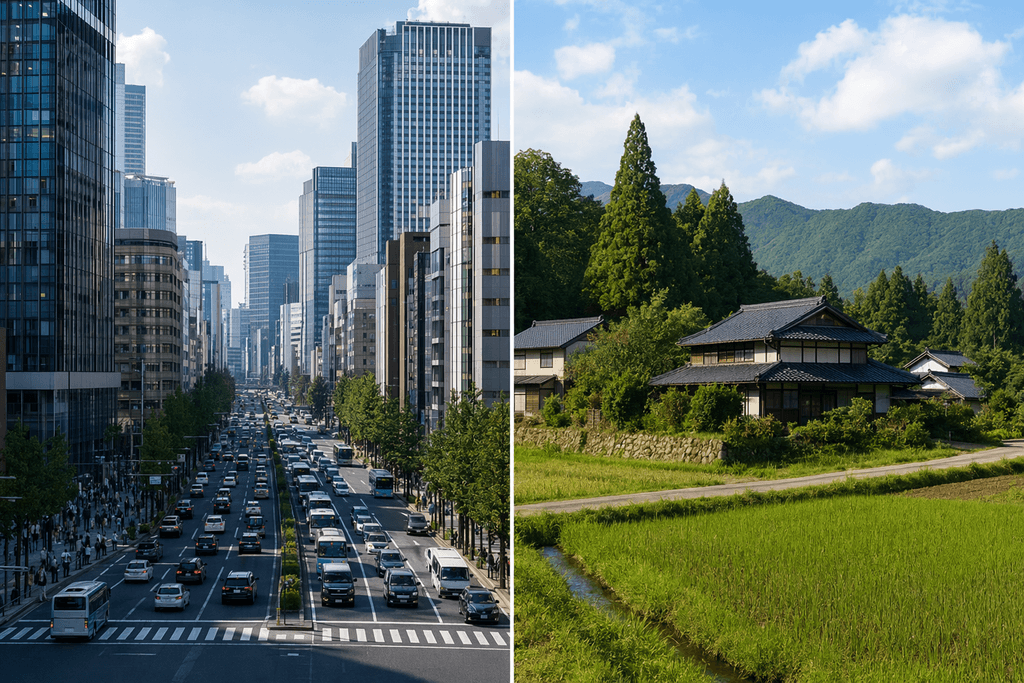
対比
සංසන්දනාත්මක වෙනස
対比
සංසන්දනාත්මක වෙනස
Explanation
対比
සංසන්දනාත්මක වෙනස
対比
ප්රතිවිරුද්ධ ලෙස සංසන්දනය කිරීම / විරුද්ධතාවය/වෙනස පැහැදිලි කිරීමට එකට තැබීම / සසඳීම (වෙනස ඉස්මතු කරමින්)
( Base form )
( romanization )
( kyūjitai )
( hiragana )
継ぐ
අනුප්රාප්තික වෙනවා / උරුම ලබනවා
継ぐ
අනුප්රාප්තික වෙනවා / උරුම ලබනවා
Explanation
継ぐ
අනුප්රාප්තික වෙනවා / උරුම ලබනවා
継ぐ
උරුම කරගැනීම/වරුසාවෙන් හෝ තනතුරකින් අනුප්රාප්ති වීම / කාර්යයක් හෝ සම්ප්රදායක් දිගටම කරගෙන යාම / ගිනි වැනි දෙයක් පවත්වාගෙන යාමට ඉන්ධන ආදිය එකතු කිරීම
පියා එක් පරම්පරාවකින් ගොඩනැගූ පැරණි කීර්තිමත් ව්යාපාරය භාරගන්නා බැවින්, සම්ප්රදායට පමණක් සැනසී නොසිට, යුගයේ අවශ්යතාවලට ප්රතිචාර දක්වන ප්රතිසංස්කරණ දැඩිව ක්රියාත්මක කිරීමට මම සූදානම් වෙමි.

Word Forms
The basic and commonly used forms of this verb.
Basic forms
| Form | Word form | Usage |
|---|---|---|
| Imperfective form (mizenkei) |
Alternative:
継ご
|
Connects to endings such as nai, reru, and seru. |
| Continuative form (renyokei) | Connects to endings such as masu, tai, and ta. | |
| Conclusive form (shushikei) | Ends a sentence and serves as the dictionary form. | |
| Attributive form (rentaikei) | Modifies a noun. | |
| Conditional form (kateikei) | Combines with ba to express a condition. | |
| Imperative form (meireikei) | Expresses a command or instruction. |
Common forms
左利き
වමත්කාරයා
左利き
වමත්කාරයා
Explanation
左利き
වමත්කාරයා
左利き
වම් අත ප්රධානත්වය; වම්අත භාවය / වම්අතකරු; වම් අතින් දක්ෂ පුද්ගලයා
( Base form )
( Base form )
( romanization )
( romanization )
必修
අනිවාර්ය විෂය
必修
අනිවාර්ය විෂය
Explanation
必修
අනිවාර්ය විෂය
必修
අනිවාර්ය විෂයය / අනිවාර්ය පාඨමාලාව / අනිවාර්ය අධ්යයනය

( Base form )
( romanization )
( hiragana )
Loading...

JLPT N1 多言語単語帳・3032語 / JLPT N1 Multilingual Vocabulary: 3032 Words

Jonathan Waller 氏の JLPT Resources の語彙リスト・レベル分類を出典とし、CC BY の条件に従って DiQt が学習者向けに意味を作り直した3032語の単語帳です。JLPT公式の語彙リストではありません。
This collection of 3032 words is based on the vocabulary list and level classifications in Jonathan Waller’s JLPT Resources under CC BY, with meanings rewritten by DiQt for learners. It is not an official JLPT vocabulary list.
Key Operations
Select the first quiz:
Ctrl + Enter
View Explanation:Ctrl + G
Close a feedback:Esc
When selecting a quiz
Answer:Enter
Select a choice:↓ or ↑
Reading out the question:Ctrl + K
View Hint: Ctrl + M
I don't know: Ctrl + Y



