
JLPT N1 වචන අර්ථ පුහුණුව - Unsolved

පිළිතුරු විකල්ප හතරක් ඇති ප්රශ්න මඟින් JLPT N1 වචන 3032ක අර්ථ සිංහලෙන් ඉගෙන ගන්න.
-
පාලනය
-
රසායනික තන්තු
-
දර්ශනය / අනාගත අපේක්ෂාව
-
කරුණාවෙන් රැකබලා ගන්නවා
-
ඇල කරනවා / කැප කරනවා
-
පැටලෙනවා / සම්බන්ධ වෙනවා
- 「重んずる」も同義の別形として用いられます。
-
නම්යශීලී
-
දැවැන්ත
-
සැහැල්ලු / පහසුවෙන් ඇසුරු කළ හැකි
- 表記は「綺麗」も一般的。
-
රාජසන්තක කිරීම
-
ගෙදරින් පලා යෑම
-
ශිශිර නිද්රාව
-
නිසි ලෙස / නිවැරදිව
-
ඉබේම
-
ඇත්තෙන්ම
-
ජපාන පහළ මන්ත්රී මණ්ඩලය
-
නත්තල් සීයා
-
අඟහරු
-
දෙදෙනාම උපයන ආදායම
-
සම්බාධක
-
සහයෝගීතාව
-
ස්තර
-
හැඟීමක් පෙන්නුම් කිරීම
-
කණ්ඩායම
-
පසුබෑම
-
උපත
-
පදනම් සාක්ෂිය
-
ඇඳුම් වාටිය / කඳු පාමුල
-
සෙන් බුදුදහම
-
බෙදාහැරීම
転換
පරිවර්තනය
転換
පරිවර්තනය
Explanation
転換
පරිවර්තනය
転換
පරිවර්තනය / වෙනස් කිරීම / මාර්ගය වෙනස් කිරීම

( Base form )
( romanization )
( romanization )
( kyūjitai )
( hiragana historical )
( hiragana )
重んじる
ඉහළින් අගය කරනවා
重んじる
ඉහළින් අගය කරනවා
Explanation
重んじる
ඉහළින් අගය කරනවා
重んじる
ගෞරවයෙන් සැළකීම / ඉහලින් ඇගයීම / සම්මාන කිරීම / වටිනාකමින් සලකා රැකගැනීම

Word Forms
The basic and commonly used forms of this verb.
Basic forms
| Form | Word form | Usage |
|---|---|---|
| Imperfective form (mizenkei) | Connects to endings such as nai, reru, and seru. | |
| Continuative form (renyokei) | Connects to endings such as masu, tai, and ta. | |
| Conclusive form (shushikei) | Ends a sentence and serves as the dictionary form. | |
| Attributive form (rentaikei) | Modifies a noun. | |
| Conditional form (kateikei) | Combines with ba to express a condition. | |
| Imperative form (meireikei) |
Alternative:
重んじよ
|
Expresses a command or instruction. |
Common forms
| Form | Word form | Usage |
|---|---|---|
| Te-form | Connects clauses with te. | |
| Ta-form | Expresses the past with ta. | |
| Nai-form | Expresses negation with nai. | |
| Masu-form | Used for polite speech. | |
| Ba-form | Expresses a condition with ba. | |
| Volitional form | Expresses intention or invitation. |
Notes
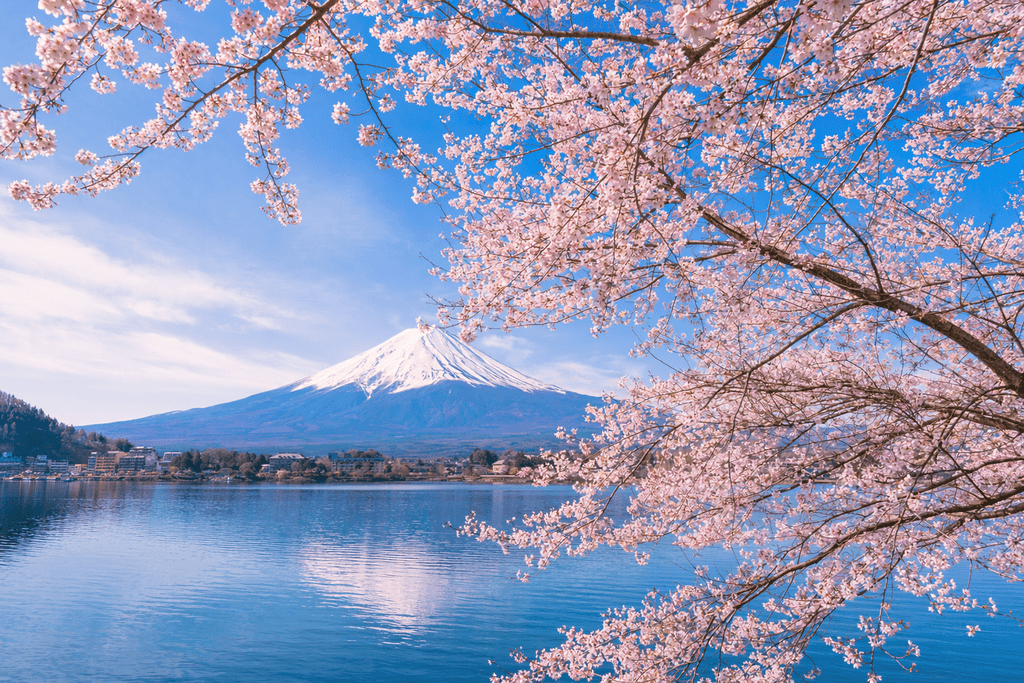
奇麗
ලස්සන / පිරිසිදු
奇麗
ලස්සන / පිරිසිදු
Explanation
奇麗
ලස්සන / පිරිසිදු
奇麗
ලස්සන / සුන්දර / පිරිසිදු (සෑහෙන ලස්සන ලෙස)
Word Forms
The basic and commonly used forms of this adjectival noun.
Basic forms
| Form | Word form | Usage |
|---|---|---|
| Imperfective form (mizenkei) | Used in forms such as darou. | |
| Continuative form (renyokei) |
Alternative:
奇麗に
奇麗だっ
|
Used with de or ni. |
| Conclusive form (shushikei) | Ends a sentence with da. | |
| Attributive form (rentaikei) | Modifies a noun with na. | |
| Conditional form (kateikei) | Expresses a condition with nara. | |
| Imperative form (meireikei) | Used in formal expressions such as de are. |
Common forms
| Form | Word form | Usage |
|---|---|---|
| Te-form equivalent | Connects clauses using de. | |
| Ta-form | Expresses the past with datta. | |
| Nai-form |
Alternative:
奇麗じゃない
|
Expresses negation with dewa nai or ja nai. |
| Desu-form | Used for polite speech. |
Notes
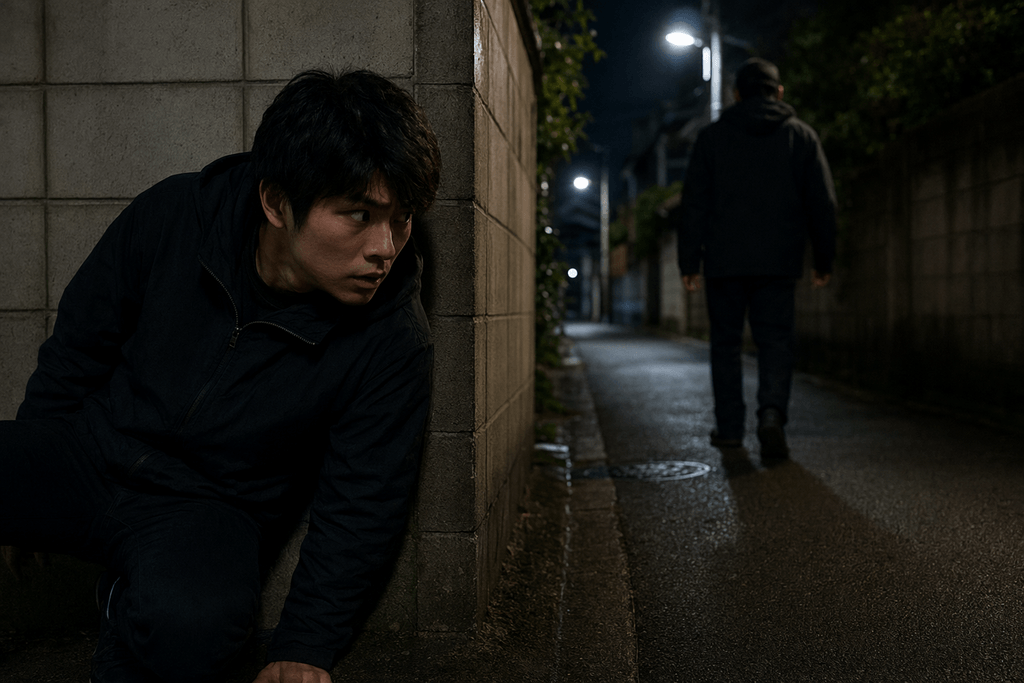
背後
පිටුපස
背後
පිටුපස
Explanation
背後
පිටුපස
背後
පිටුපස; පසුපස / පසුබිම; රහසිගත පැත්ත / ආධාරය; පිටුබලය
( Base form )
( romanization )
( hiragana )
ぺこぺこ
යටහත් පහත්ව / බොහෝ බඩගිනිව
ぺこぺこ
යටහත් පහත්ව / බොහෝ බඩගිනිව
Explanation
යටහත් පහත්ව / බොහෝ බඩගිනිව
ぺこぺこ
ඉතා කුසගින්නෙන් / කෑමක් නොමැතිව කුස හිස්ව / බඩ පෙළීමෙන්

Word Forms
The basic and commonly used forms of this adjectival noun.
Basic forms
| Form | Word form | Usage |
|---|---|---|
| Imperfective form (mizenkei) | Used in forms such as darou. | |
| Continuative form (renyokei) | Used with de or ni. | |
| Conclusive form (shushikei) | Ends a sentence with da. | |
| Attributive form (rentaikei) | Modifies a noun with na. | |
| Conditional form (kateikei) | Expresses a condition with nara. | |
| Imperative form (meireikei) | Used in formal expressions such as de are. |
Common forms
国連
එක්සත් ජාතීන්ගේ සංවිධානය
国連
එක්සත් ජාතීන්ගේ සංවිධානය
Explanation
国連
එක්සත් ජාතීන්ගේ සංවිධානය
国連
එක්සත් ජාතීන් සංවිධානය (UN) / ජාත්යන්තර එක්සත්කම (එක්සත් ජාතීන්)
එක්සත් ජාතීන් විසින් සම්මත කළ තීරණය, රටවල් අතර අන්යෝන්ය හිතාසිතින් එකිනෙකට පටලැවෙන යථාර්ථය තුළ, ආදර්ශය හා සම්මුතිය අතර ඇති තල්ලු‑ඇදීමේ ප්රතිඵලයකි.

( Base form )
( romanization )
( kyūjitai )
( hiragana )
ゲスト
ආගන්තුකයා
ゲスト
ආගන්තුකයා
Explanation
ආගන්තුකයා
ゲスト
ආරාධිත අමුත්තා / ආගන්තුකයා / අමුත්ත

( romanization )
号
අංකය / ප්රකාශන කලාපය
号
අංකය / ප්රකාශන කලාපය
Explanation
号
අංකය / ප්රකාශන කලාපය
号
අංකය/අංක නාමය (නො., No., අංක …) / කලාපය/අංකිත ප්රකාශනය (ඉෂ්යුව, සංස්කරණය) / ආකෘතිය/මාදිලිය/ප්රමාණ නාමය (අංකයෙන් පසු)

( romanization )
( romanization )
( hiragana historical )
( hiragana )
実業家
ව්යාපාරිකයා
実業家
ව්යාපාරිකයා
Explanation
実業家
ව්යාපාරිකයා
実業家
ව්යාපාරිකයා / කර්මාන්තකරුවා / ව්යාපාරික පුද්ගලයා

( Base form )
( romanization )
( kyūjitai )
( hiragana )
あられ
හාල් කැවිලි / හිම කැට
あられ
හාල් කැවිලි / හිම කැට
Explanation
හාල් කැවිලි / හිම කැට
あられ
කුණුවැලි/හිම වැසි (මි.මී. 5ට අඩු කුඩා හිම කැට) / කුඩා චතුරස්ර/ඝන කුබ් බ්ලොක් වැනි රටා/අලංකාරය / ආරාරෙ මොචි (කුඩා තම්බා-රෝස්ට් කළ මොචි කැබලි)
කාලගුණ අනාවැකිය අනුව සූර්යාලෝකය නැවත පැමිණීමට නියමිතව තිබුණත්, කඳු අතර පිහිටි ගම්මානයේ දහවල් වූ පසු හදිසියේම හිමකැට වැසි වැටී, කෙත්වල ඉතිරිව තිබූ තරුණ අංකුරවලට අනුකම්පා විරහිතව පහර දුන්නේය.

( romanization )
Loading...

JLPT N1 多言語単語帳・3032語 / JLPT N1 Multilingual Vocabulary: 3032 Words

Jonathan Waller 氏の JLPT Resources の語彙リスト・レベル分類を出典とし、CC BY の条件に従って DiQt が学習者向けに意味を作り直した3032語の単語帳です。JLPT公式の語彙リストではありません。
This collection of 3032 words is based on the vocabulary list and level classifications in Jonathan Waller’s JLPT Resources under CC BY, with meanings rewritten by DiQt for learners. It is not an official JLPT vocabulary list.
Key Operations
Select the first quiz:
Ctrl + Enter
View Explanation:Ctrl + G
Close a feedback:Esc
When selecting a quiz
Answer:Enter
Select a choice:↓ or ↑
Reading out the question:Ctrl + K
View Hint: Ctrl + M
I don't know: Ctrl + Y



