
JLPT N5 詞義四選一 - Unsolved

透過四選一題目,用繁體中文學習JLPT N5的665個單字詞義。
-
午餐
-
女人
-
工作
-
為難
-
賣
-
攀登
-
坐
-
在
-
變成
-
飛
-
吹
-
刷牙 / 擦亮
-
菸灰缸
-
手錶 / 時鐘
-
冬天
-
每天早上
-
第一次
-
每年
-
拖鞋
-
轉角
-
食物
-
各種
-
重要
-
有名
-
一
-
傘
-
名字
-
教 / 告訴
-
站
-
買
- 「練習」+「する」から成るサ変複合動詞。
出口
出口
出口
出口
Explanation
出口
出口
出口
離開場所的出口 / 出口處 / 離開的通道

( Base form )
( romanization )
( hiragana )
飲む
喝
飲む
喝
Explanation
飲む
喝
飲む
喝 / 服用(藥)

Word Forms
The basic and commonly used forms of this verb.
Basic forms
| Form | Word form | Usage |
|---|---|---|
| Imperfective form (mizenkei) |
Alternative:
飲も
|
Connects to endings such as nai, reru, and seru. |
| Continuative form (renyokei) | Connects to endings such as masu, tai, and ta. | |
| Conclusive form (shushikei) | Ends a sentence and serves as the dictionary form. | |
| Attributive form (rentaikei) | Modifies a noun. | |
| Conditional form (kateikei) | Combines with ba to express a condition. | |
| Imperative form (meireikei) | Expresses a command or instruction. |
Common forms
着る
穿衣服
着る
穿衣服
Explanation
着る
穿衣服
着る
穿(上身衣物) / 穿著(衣服)

Word Forms
The basic and commonly used forms of this verb.
Basic forms
| Form | Word form | Usage |
|---|---|---|
| Imperfective form (mizenkei) | Connects to endings such as nai, reru, and seru. | |
| Continuative form (renyokei) | Connects to endings such as masu, tai, and ta. | |
| Conclusive form (shushikei) | Ends a sentence and serves as the dictionary form. | |
| Attributive form (rentaikei) | Modifies a noun. | |
| Conditional form (kateikei) | Combines with ba to express a condition. | |
| Imperative form (meireikei) |
Alternative:
着よ
|
Expresses a command or instruction. |
Common forms
歌う
唱歌
歌う
唱歌
Explanation
歌う
唱歌
歌う
唱歌 / 歌唱 / 演唱

Word Forms
The basic and commonly used forms of this verb.
Basic forms
| Form | Word form | Usage |
|---|---|---|
| Imperfective form (mizenkei) |
Alternative:
歌お
|
Connects to endings such as nai, reru, and seru. |
| Continuative form (renyokei) | Connects to endings such as masu, tai, and ta. | |
| Conclusive form (shushikei) | Ends a sentence and serves as the dictionary form. | |
| Attributive form (rentaikei) | Modifies a noun. | |
| Conditional form (kateikei) | Combines with ba to express a condition. | |
| Imperative form (meireikei) | Expresses a command or instruction. |
Common forms
ホテル
飯店
ホテル
飯店
Explanation
飯店
ホテル
旅館 / 飯店

( romanization )
近く
附近
近く
附近
Explanation
近く
附近
近く
很快 / 不久 / 即將

( Base form )
( romanization )
ボタン
鈕扣
ボタン
鈕扣
Explanation
鈕扣
ボタン
鈕扣 / 按鈕

( romanization )
静か
安靜
静か
安靜
Explanation
静か
安靜
静か
安靜的 / 寧靜的 / 平靜的

Word Forms
The basic and commonly used forms of this adjectival noun.
Basic forms
| Form | Word form | Usage |
|---|---|---|
| Imperfective form (mizenkei) |
Alternative:
静かでしょ
|
Used in forms such as darou. |
| Continuative form (renyokei) |
Alternative:
静かに
|
Used with de or ni. |
| Conclusive form (shushikei) |
Alternative:
静かです
|
Ends a sentence with da. |
| Attributive form (rentaikei) |
Alternative:
静かなる
|
Modifies a noun with na. |
| Conditional form (kateikei) | Expresses a condition with nara. | |
| Imperative form (meireikei) | Used in formal expressions such as de are. |
Common forms
テーブル
桌子
テーブル
桌子
Explanation
桌子
テーブル
桌子 / 餐桌 / 表格

( romanization )
( counter )
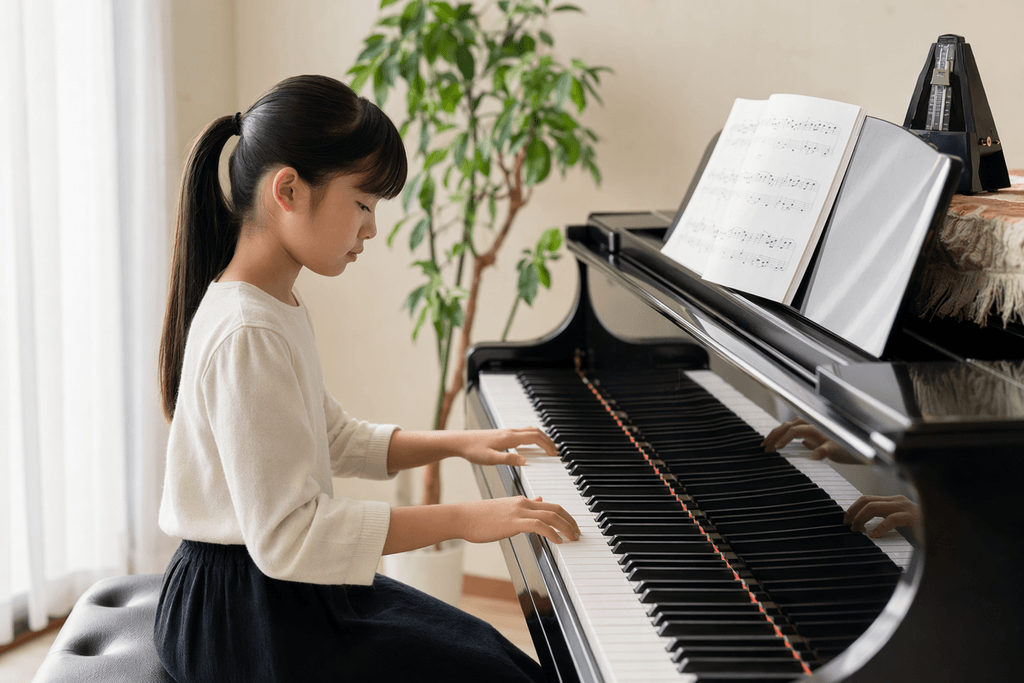
練習する
練習
練習する
練習
Explanation
練習する
練習
練習する
為了熟練而反覆做某事 / 為提升技能進行訓練或演練 / 排練(如音樂、運動等)
Word Forms
The basic and commonly used forms of this verb.
Basic forms
| Form | Word form | Usage |
|---|---|---|
| Imperfective form (mizenkei) |
Alternative:
練習せ
練習さ
|
Connects to endings such as nai, reru, and seru. |
| Continuative form (renyokei) | Connects to endings such as masu, tai, and ta. | |
| Conclusive form (shushikei) | Ends a sentence and serves as the dictionary form. | |
| Attributive form (rentaikei) | Modifies a noun. | |
| Conditional form (kateikei) | Combines with ba to express a condition. | |
| Imperative form (meireikei) |
Alternative:
練習せよ
|
Expresses a command or instruction. |
Common forms
| Form | Word form | Usage |
|---|---|---|
| Te-form | Connects clauses with te. | |
| Ta-form | Expresses the past with ta. | |
| Nai-form |
Alternative:
練習せぬ
|
Expresses negation with nai. |
| Masu-form | Used for polite speech. | |
| Ba-form | Expresses a condition with ba. | |
| Volitional form | Expresses intention or invitation. |
Notes
Loading...

JLPT N5 多言語単語帳・665語 / JLPT N5 Multilingual Vocabulary: 665 Words

Jonathan Waller 氏の JLPT Resources の語彙リスト・レベル分類を出典とし、CC BY の条件に従って DiQt が初級向けに意味を作り直した665語の単語帳です。JLPT公式の語彙リストではありません。
This collection of 665 words is based on the vocabulary list and level classifications in Jonathan Waller’s JLPT Resources under CC BY, with meanings rewritten by DiQt for beginners. It is not an official JLPT vocabulary list.
Key Operations
Select the first quiz:
Ctrl + Enter
View Explanation:Ctrl + G
Close a feedback:Esc
When selecting a quiz
Answer:Enter
Select a choice:↓ or ↑
Reading out the question:Ctrl + K
View Hint: Ctrl + M
I don't know: Ctrl + Y



