
JLPT N5 詞義四選一 - Unsolved

透過四選一題目,用繁體中文學習JLPT N5的665個單字詞義。
-
一起
-
大家
-
阿姨 / 中年婦女
-
每週
-
有時
-
漸漸
-
零
-
四
-
九
-
錄音機
-
藍色
-
腳 / 腿
-
過
-
遞給
-
吸菸 / 吸氣
- 自動詞。
-
脫衣服
-
進入
-
開
- 五段活用・タ行の動詞。
- 連用形は「て」「た」に接続すると促音便になり、「持って」「持った」となる。
-
開頭
-
火柴
-
書
-
寒冷
-
忙
-
長
- 見出し語は「遅い/晩い」に対応するイ形容詞。
- basic.meirei は現代語では稀な「おそかれ」を採用。
-
其他
-
六天 / 六號
-
星期六
-
安靜
-
有名
-
結實 / 健康
- 「真っ直ぐに」のほか、副詞的に「真っ直ぐ行く」のように助詞なしでも用いられます。
- 表記ゆれとして「まっすぐ」も一般的です。
茶色
咖啡色
茶色
咖啡色
Explanation
茶色
咖啡色
茶色
棕色 / 褐色 / 茶的顏色

( Base form )
( romanization )
( hiragana )
たいへん
非常
たいへん
非常
Explanation
非常
たいへん
非常 / 很 / 十分

三つ
三
三つ
三
Explanation
三つ
三
三つ
三個(泛指小物或無特定量詞的事物) / 三件(泛用)

( Base form )
( romanization )
映画
電影
映画
電影
Explanation
映画
電影
映画
電影 / 影片

( Base form )
( romanization )
( romanization )
( counter )
( kyūjitai )
( hiragana historical )
( hiragana )
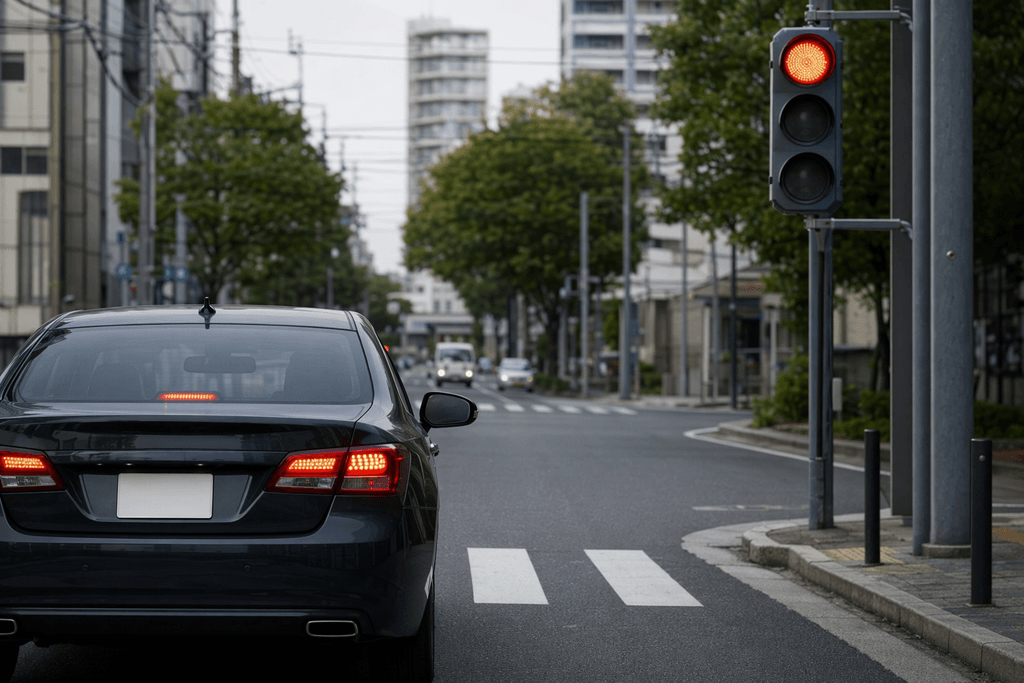
止まる
停下
止まる
停下
Explanation
止まる
停下
止まる
停止;停下 / 停留;逗留
Word Forms
The basic and commonly used forms of this verb.
Basic forms
| Form | Word form | Usage |
|---|---|---|
| Imperfective form (mizenkei) |
Alternative:
止まろ
|
Connects to endings such as nai, reru, and seru. |
| Continuative form (renyokei) |
Alternative:
止まっ
|
Connects to endings such as masu, tai, and ta. |
| Conclusive form (shushikei) | Ends a sentence and serves as the dictionary form. | |
| Attributive form (rentaikei) | Modifies a noun. | |
| Conditional form (kateikei) | Combines with ba to express a condition. | |
| Imperative form (meireikei) | Expresses a command or instruction. |
Common forms
| Form | Word form | Usage |
|---|---|---|
| Te-form | Connects clauses with te. | |
| Ta-form | Expresses the past with ta. | |
| Nai-form | Expresses negation with nai. | |
| Masu-form | Used for polite speech. | |
| Ba-form | Expresses a condition with ba. | |
| Volitional form | Expresses intention or invitation. |
Notes
持つ
拿著 / 擁有
持つ
拿著 / 擁有
Explanation
持つ
拿著 / 擁有
持つ
拿著;握住 / 擁有;持有

Word Forms
The basic and commonly used forms of this verb.
Basic forms
| Form | Word form | Usage |
|---|---|---|
| Imperfective form (mizenkei) |
Alternative:
持と
|
Connects to endings such as nai, reru, and seru. |
| Continuative form (renyokei) |
Alternative:
持っ
|
Connects to endings such as masu, tai, and ta. |
| Conclusive form (shushikei) | Ends a sentence and serves as the dictionary form. | |
| Attributive form (rentaikei) | Modifies a noun. | |
| Conditional form (kateikei) | Combines with ba to express a condition. | |
| Imperative form (meireikei) | Expresses a command or instruction. |
Common forms
| Form | Word form | Usage |
|---|---|---|
| Te-form | Connects clauses with te. | |
| Ta-form | Expresses the past with ta. | |
| Nai-form | Expresses negation with nai. | |
| Masu-form | Used for polite speech. | |
| Ba-form | Expresses a condition with ba. | |
| Volitional form | Expresses intention or invitation. |
Notes
誕生日
生日
誕生日
生日
Explanation
誕生日
生日
誕生日
生日 / 出生紀念日 / 生日當天

( Base form )
( romanization )
( romanization )
( hiragana historical )
( hiragana )
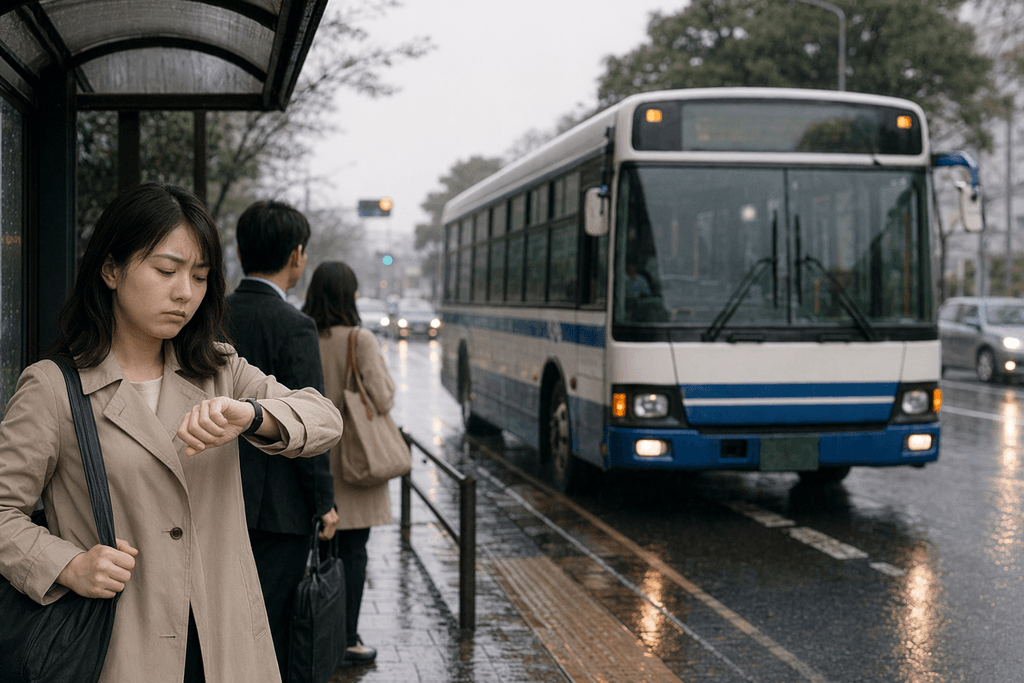
おそい
晚 / 慢
おそい
晚 / 慢
Explanation
晚 / 慢
おそい
慢的 / 遲的;延誤的(晚到) / 晚的(指時間較晚)
Word Forms
The basic and commonly used forms of this adjective.
Basic forms
| Form | Word form | Usage |
|---|---|---|
| Imperfective form (mizenkei) | Used in forms such as karou; mainly literary. | |
| Continuative form (renyokei) |
Alternative:
おそかっ
|
Used in forms such as kute and kunai. |
| Conclusive form (shushikei) | Ends a sentence. | |
| Attributive form (rentaikei) | Modifies a noun. | |
| Conditional form (kateikei) | Expresses a condition with kereba. | |
| Imperative form (meireikei) | Rarely used in modern Japanese. |
Common forms
| Form | Word form | Usage |
|---|---|---|
| Te-form | Connects clauses with kute. | |
| Ta-form | Expresses the past with katta. | |
| Nai-form | Expresses negation with kunai. | |
| Ba-form | Expresses a condition with kereba. |
Notes
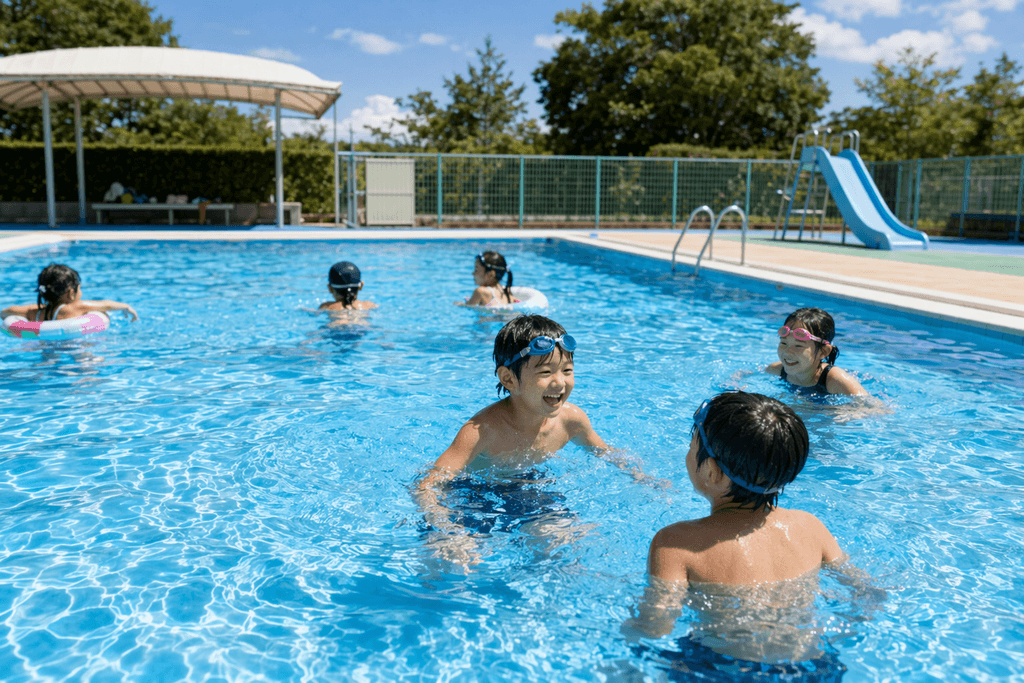
プール
游泳池
プール
游泳池
Explanation
游泳池
プール
游泳池 / 資源池 / 資金池
( romanization )
真っ直ぐ
一直向前
真っ直ぐ
一直向前
Explanation
真っ直ぐ
一直向前
真っ直ぐ
筆直的;挺直的 / 直接的;坦率的 / 正直的;誠實的

Word Forms
The basic and commonly used forms of this adjectival noun.
Basic forms
| Form | Word form | Usage |
|---|---|---|
| Imperfective form (mizenkei) | Used in forms such as darou. | |
| Continuative form (renyokei) |
Alternative:
真っ直ぐに
真っ直ぐだっ
|
Used with de or ni. |
| Conclusive form (shushikei) | Ends a sentence with da. | |
| Attributive form (rentaikei) |
Alternative:
真っ直ぐなる
|
Modifies a noun with na. |
| Conditional form (kateikei) |
Alternative:
真っ直ぐならば
|
Expresses a condition with nara. |
| Imperative form (meireikei) | Used in formal expressions such as de are. |
Common forms
| Form | Word form | Usage |
|---|---|---|
| Te-form equivalent | Connects clauses using de. | |
| Ta-form | Expresses the past with datta. | |
| Nai-form |
Alternative:
真っ直ぐじゃない
|
Expresses negation with dewa nai or ja nai. |
| Desu-form | Used for polite speech. |
Notes
Loading...

JLPT N5 多言語単語帳・665語 / JLPT N5 Multilingual Vocabulary: 665 Words

Jonathan Waller 氏の JLPT Resources の語彙リスト・レベル分類を出典とし、CC BY の条件に従って DiQt が初級向けに意味を作り直した665語の単語帳です。JLPT公式の語彙リストではありません。
This collection of 665 words is based on the vocabulary list and level classifications in Jonathan Waller’s JLPT Resources under CC BY, with meanings rewritten by DiQt for beginners. It is not an official JLPT vocabulary list.
Key Operations
Select the first quiz:
Ctrl + Enter
View Explanation:Ctrl + G
Close a feedback:Esc
When selecting a quiz
Answer:Enter
Select a choice:↓ or ↑
Reading out the question:Ctrl + K
View Hint: Ctrl + M
I don't know: Ctrl + Y



