
JLPT N5 詞義四選一 - Unsolved

透過四選一題目,用繁體中文學習JLPT N5的665個單字詞義。
-
箱子
-
貓
-
二
-
天空
-
原子筆
-
天氣
-
冰箱
-
嘴
-
洗澡
-
早晨
-
留學生
-
腳踏車
-
六
-
三
-
十
-
強
-
少
-
白色
-
紅色
-
想要
-
好吃
-
飛機
-
後天
-
圖書館
-
什麼時候
-
每年
-
漸漸
-
西式服裝
-
洗衣
-
男人
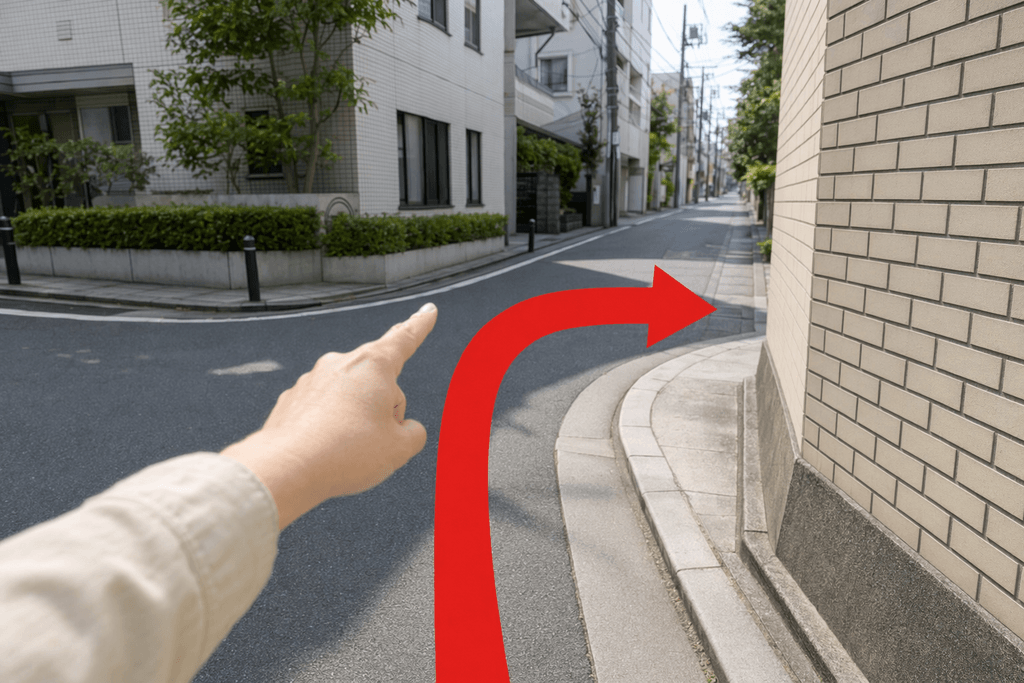
右
右邊
右
右邊
Explanation
右
右邊
右
右邊;右方 / 上述;前述 / 右翼;右派
( romanization )
( hiragana )
時間
時間 / 小時
時間
時間 / 小時
Explanation
時間
時間 / 小時
時間
事物發生或進行的時刻、時段 / 小時(時間的計量單位) / 持續的時長;一段時期

( Base form )
( romanization )
( hiragana )
夏休み
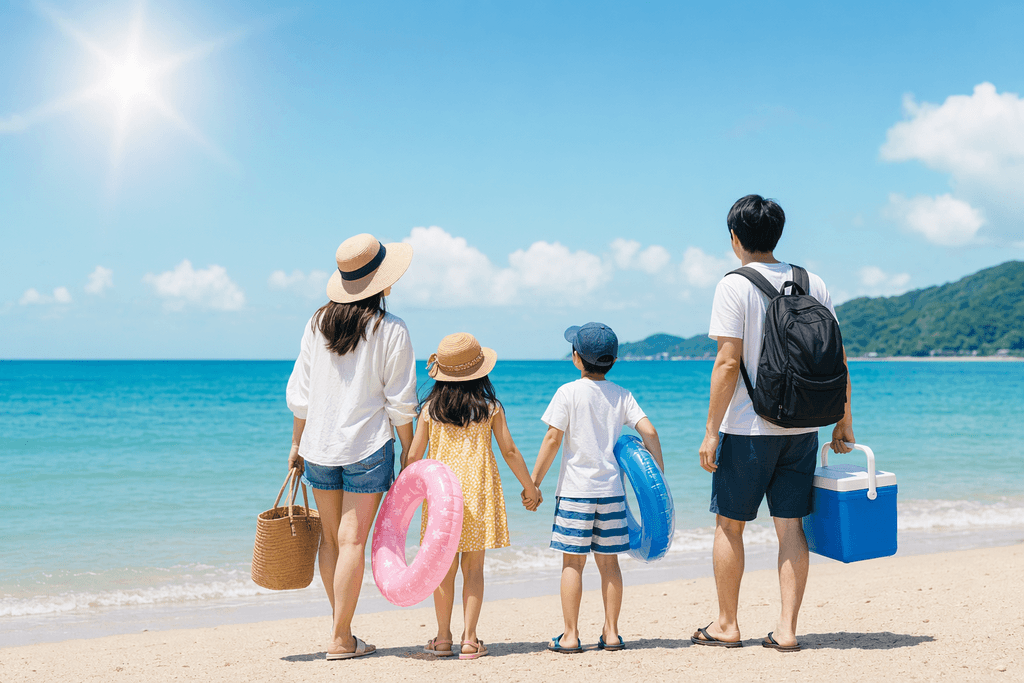
暑假
夏休み
暑假
Explanation
夏休み
暑假
夏休み
暑假 / 夏季假期 / 夏季休假
( Base form )
( romanization )
ベッド
床
ベッド
床
Explanation
床
ベッド
床 / 床鋪 / 病床

( romanization )
千
千
千
千
Explanation
千
千
千
一千 / 表示數目1000

( romanization )
( hiragana )
欲しい
想要
欲しい
想要
Explanation
欲しい
想要
欲しい
想要 / 希望得到 / 渴望

Word Forms
The basic and commonly used forms of this adjective.
Basic forms
| Form | Word form | Usage |
|---|---|---|
| Imperfective form (mizenkei) | Used in forms such as karou; mainly literary. | |
| Continuative form (renyokei) |
Alternative:
欲しかっ
欲しゅう
|
Used in forms such as kute and kunai. |
| Conclusive form (shushikei) | Ends a sentence. | |
| Attributive form (rentaikei) | Modifies a noun. | |
| Conditional form (kateikei) | Expresses a condition with kereba. | |
| Imperative form (meireikei) | Rarely used in modern Japanese. |
Common forms
あたたかい
暖和
あたたかい
暖和
Explanation
暖和
あたたかい
暖和的 / 富裕的 / 溫暖、體貼的

Word Forms
The basic and commonly used forms of this adjective.
Basic forms
| Form | Word form | Usage |
|---|---|---|
| Imperfective form (mizenkei) |
Alternative:
暖かかろ
温かかろ
|
Used in forms such as karou; mainly literary. |
| Continuative form (renyokei) |
Alternative:
暖かく
温かく
あたたかかり
暖かかり
温かかり
|
Used in forms such as kute and kunai. |
| Conclusive form (shushikei) |
Alternative:
暖かい
温かい
|
Ends a sentence. |
| Attributive form (rentaikei) |
Alternative:
暖かい
温かい
|
Modifies a noun. |
| Conditional form (kateikei) |
Alternative:
暖かけれ
温かけれ
|
Expresses a condition with kereba. |
| Imperative form (meireikei) |
Alternative:
暖かかれ
温かかれ
|
Rarely used in modern Japanese. |
Common forms
| Form | Word form | Usage |
|---|---|---|
| Te-form |
Alternative:
暖かくて
温かくて
|
Connects clauses with kute. |
| Ta-form |
Alternative:
暖かかった
温かかった
|
Expresses the past with katta. |
| Nai-form |
Alternative:
暖かくない
温かくない
|
Expresses negation with kunai. |
| Ba-form |
Alternative:
暖かければ
温かければ
|
Expresses a condition with kereba. |
二日
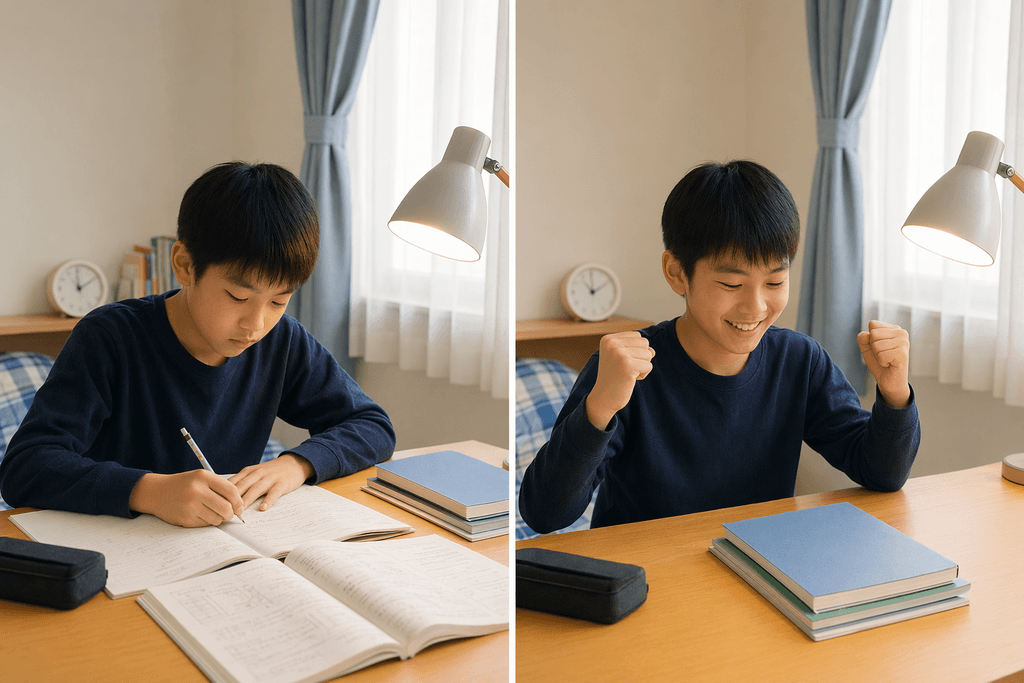
兩天 / 二號
二日
兩天 / 二號
Explanation
二日
兩天 / 二號
二日
兩天;兩日 / 第二天(自某一基準時點起算) / 每月二日
( Base form )
( romanization )
( hiragana )
初めて
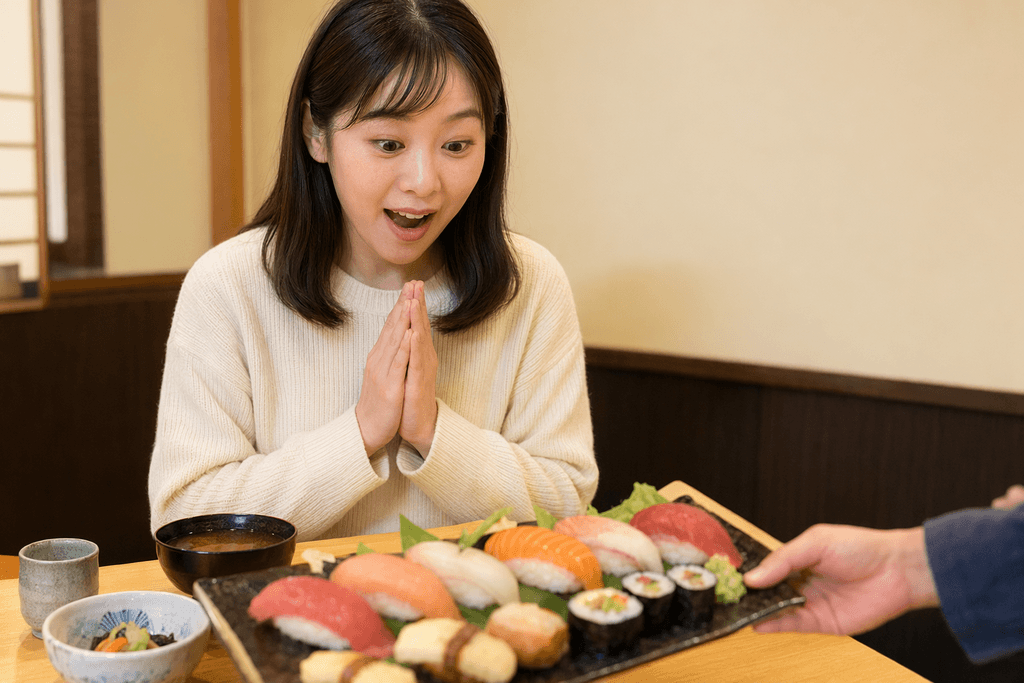
第一次
初めて
第一次
Explanation
初めて
第一次
初めて
第一次 / 初次 / 首次
( Base form )
( romanization )
飲み物
飲料
飲み物
飲料
Explanation
飲み物
飲料
飲み物
飲料 / 飲品 / 可飲用的東西

( Base form )
( romanization )
( hiragana )
Loading...

JLPT N5 多言語単語帳・665語 / JLPT N5 Multilingual Vocabulary: 665 Words

Jonathan Waller 氏の JLPT Resources の語彙リスト・レベル分類を出典とし、CC BY の条件に従って DiQt が初級向けに意味を作り直した665語の単語帳です。JLPT公式の語彙リストではありません。
This collection of 665 words is based on the vocabulary list and level classifications in Jonathan Waller’s JLPT Resources under CC BY, with meanings rewritten by DiQt for beginners. It is not an official JLPT vocabulary list.
Key Operations
Select the first quiz:
Ctrl + Enter
View Explanation:Ctrl + G
Close a feedback:Esc
When selecting a quiz
Answer:Enter
Select a choice:↓ or ↑
Reading out the question:Ctrl + K
View Hint: Ctrl + M
I don't know: Ctrl + Y



