
JLPT N5: Kahulugan ng mga salita - Unsolved

Alamin ang kahulugan ng 665 salita sa JLPT N5 sa Filipino sa pamamagitan ng mga tanong na may apat na pagpipilian.
-
maliit na lawa
-
pahina
-
problema / tanong
-
aklatan
-
sa makalawa
-
eroplano
-
mantikilya
-
kumpanya
-
kuya
-
sumara
-
ilagay
-
idikit
-
kayumanggi
-
baon na tanghalian
-
paglilinis
-
sa susunod na taon
-
pag-aaral
-
aralin
-
oras / isang oras
-
Ingles
-
nanay
-
sige
-
ano
-
oo
-
ngipin
-
pampainit
-
kilogramo
-
magsabi
-
manigarilyo / huminga papasok
-
ilagay sa loob
- 「帰る」は語尾が「る」でも一段活用ではなく五段活用です。
冬
taglamig
冬
taglamig
Explanation
冬
taglamig
冬
taglamig / panahon ng taglamig

( romanization )
二日
dalawang araw / ika-2 ng buwan
二日
dalawang araw / ika-2 ng buwan
Explanation
二日
dalawang araw / ika-2 ng buwan
二日
dalawang araw / ikalawang araw mula sa isang takdang punto o petsa / ikalawang araw ng buwan

( Base form )
( romanization )
( hiragana )
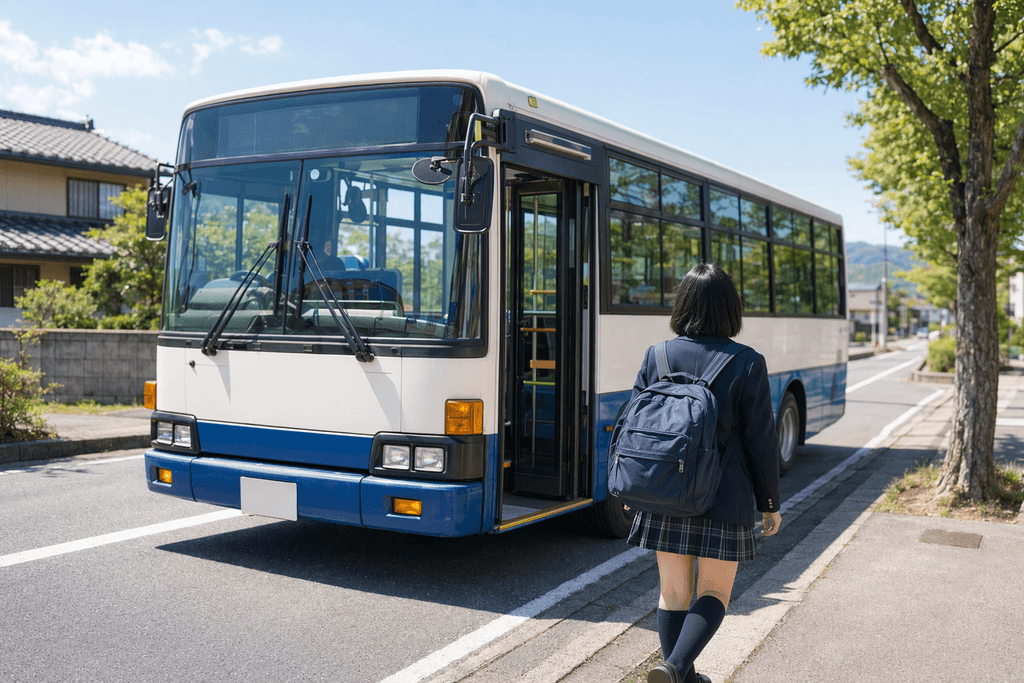
バス
bus
バス
bus
Explanation
bus
バス
bus (sasakyang pampublikong pampasahero) / daluyan ng datos at senyales sa kompyuter (bus)
( romanization )
習う
matuto
習う
matuto
Explanation
習う
matuto
習う
matuto / mag-aral / tumanggap ng turo

Word Forms
The basic and commonly used forms of this verb.
Basic forms
| Form | Word form | Usage |
|---|---|---|
| Imperfective form (mizenkei) |
Alternative:
習お
|
Connects to endings such as nai, reru, and seru. |
| Continuative form (renyokei) | Connects to endings such as masu, tai, and ta. | |
| Conclusive form (shushikei) | Ends a sentence and serves as the dictionary form. | |
| Attributive form (rentaikei) | Modifies a noun. | |
| Conditional form (kateikei) | Combines with ba to express a condition. | |
| Imperative form (meireikei) | Expresses a command or instruction. |
Common forms
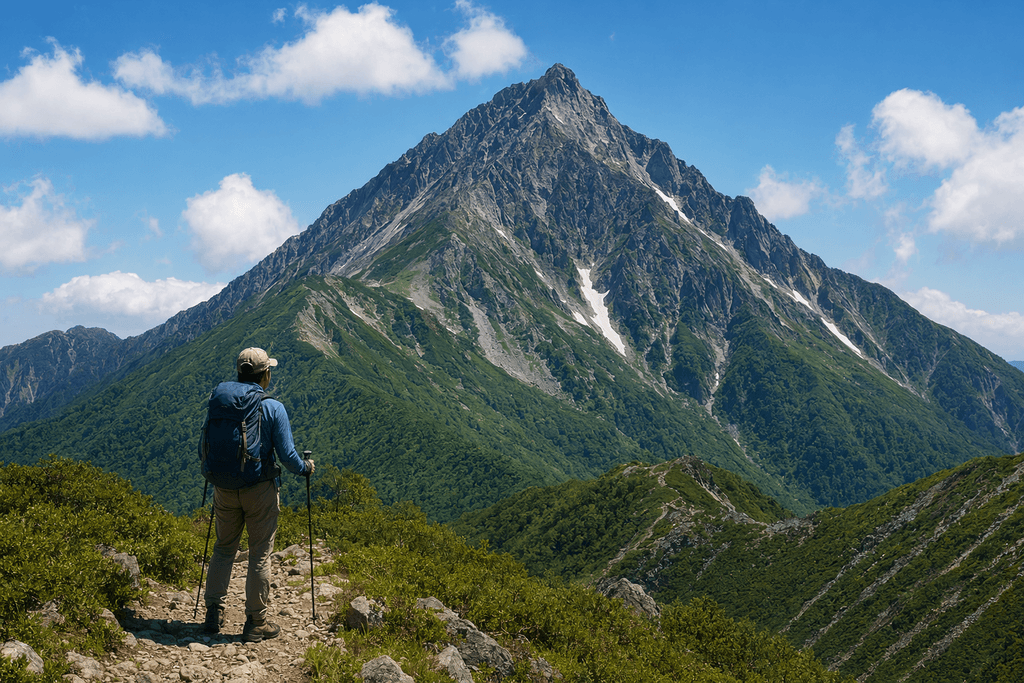
山
bundok
山
bundok
Explanation
山
bundok
山
bundok / bunton / rurok
( romanization )
( hiragana )
喫茶店
kapihan
喫茶店
kapihan
Explanation
喫茶店
kapihan
喫茶店
kapihan / tindahan ng kape at tsaa

( Base form )
( romanization )
( hiragana )
万
sampung libo
万
sampung libo
Explanation
万
sampung libo
万
sampung libo / napakarami / lahat; lahat ng bagay

( romanization )
( romanization )
( hiragana historical )
( hiragana )
どうも
salamat
どうも
salamat
Explanation
salamat
どうも
salamat / kumusta

( romanization )
耳
tainga
耳
tainga
Explanation
耳
tainga
耳
tainga / organo ng pandinig

( romanization )
( hiragana )
帰る
umuwi
帰る
umuwi
Explanation
帰る
umuwi
帰る
bumalik / umuwi / magbalik

Word Forms
The basic and commonly used forms of this verb.
Basic forms
| Form | Word form | Usage |
|---|---|---|
| Imperfective form (mizenkei) |
Alternative:
帰ろ
|
Connects to endings such as nai, reru, and seru. |
| Continuative form (renyokei) | Connects to endings such as masu, tai, and ta. | |
| Conclusive form (shushikei) | Ends a sentence and serves as the dictionary form. | |
| Attributive form (rentaikei) | Modifies a noun. | |
| Conditional form (kateikei) | Combines with ba to express a condition. | |
| Imperative form (meireikei) | Expresses a command or instruction. |
Common forms
| Form | Word form | Usage |
|---|---|---|
| Te-form | Connects clauses with te. | |
| Ta-form | Expresses the past with ta. | |
| Nai-form | Expresses negation with nai. | |
| Masu-form | Used for polite speech. | |
| Ba-form | Expresses a condition with ba. | |
| Volitional form | Expresses intention or invitation. |
Notes
Loading...

JLPT N5 多言語単語帳・665語 / JLPT N5 Multilingual Vocabulary: 665 Words

Jonathan Waller 氏の JLPT Resources の語彙リスト・レベル分類を出典とし、CC BY の条件に従って DiQt が初級向けに意味を作り直した665語の単語帳です。JLPT公式の語彙リストではありません。
This collection of 665 words is based on the vocabulary list and level classifications in Jonathan Waller’s JLPT Resources under CC BY, with meanings rewritten by DiQt for beginners. It is not an official JLPT vocabulary list.
Key Operations
Select the first quiz:
Ctrl + Enter
View Explanation:Ctrl + G
Close a feedback:Esc
When selecting a quiz
Answer:Enter
Select a choice:↓ or ↑
Reading out the question:Ctrl + K
View Hint: Ctrl + M
I don't know: Ctrl + Y



