
JLPT N5: Kahulugan ng mga salita - Unsolved

Alamin ang kahulugan ng 665 salita sa JLPT N5 sa Filipino sa pamamagitan ng mga tanong na may apat na pagpipilian.
-
babae
-
limang araw / ika-5 ng buwan
-
kendi
-
nakababatang kapatid na babae
-
pinto
-
telebisyon
-
sa malapit
-
kumusta
-
napaka
-
tsinelas
-
asawang babae
-
balita
-
sumara
-
ibalik
-
umupo
-
maging
-
gupitin
-
magbenta
-
Miyerkules
-
iba pang bagay
-
hapunan
-
manigarilyo / huminga papasok
-
iabot
-
tumawid
- 自動詞。
-
humuni / tumahol
-
makinig / magtanong
-
tumayo
-
paa / binti
-
parke
-
hayop
ネクタイ
kurbata
ネクタイ
kurbata
Explanation
kurbata
ネクタイ
kurbata / tali sa leeg na isinusuot sa kuwelyo / pormal na palamuting leeg

( romanization )
問題
problema / tanong
問題
problema / tanong
Explanation
問題
problema / tanong
問題
tanong (sa takdang-aralin/pagsusulit) / problema; suliranin / isyu; usapin

( Base form )
( romanization )
( hiragana )
いちばん
pinaka / numero uno
いちばん
pinaka / numero uno
Explanation
pinaka / numero uno
いちばん
pinaka-; may pinakamataas na antas / higit sa lahat / nangunguna

( romanization )
女
babae
女
babae
Explanation
女
babae
女
dalaga / babae

( romanization )
( romanization )
( hiragana historical )
( hiragana )
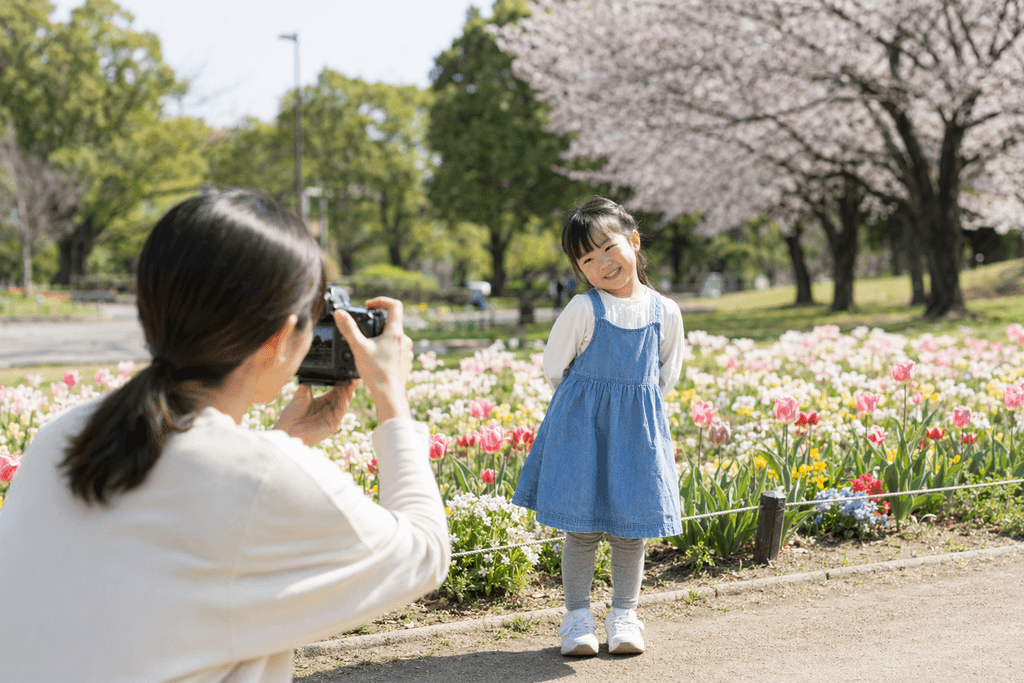
撮る
kumuha ng litrato
撮る
kumuha ng litrato
Explanation
撮る
kumuha ng litrato
撮る
kumuha ng litrato / kumuha ng larawan / maglitrato
Word Forms
The basic and commonly used forms of this verb.
Basic forms
| Form | Word form | Usage |
|---|---|---|
| Imperfective form (mizenkei) |
Alternative:
撮ろ
|
Connects to endings such as nai, reru, and seru. |
| Continuative form (renyokei) | Connects to endings such as masu, tai, and ta. | |
| Conclusive form (shushikei) | Ends a sentence and serves as the dictionary form. | |
| Attributive form (rentaikei) | Modifies a noun. | |
| Conditional form (kateikei) | Combines with ba to express a condition. | |
| Imperative form (meireikei) | Expresses a command or instruction. |
Common forms
寝る
matulog / humiga para matulog
寝る
matulog / humiga para matulog
Explanation
寝る
matulog / humiga para matulog
寝る
matulog / humiga para matulog / pumasok sa higaan

Word Forms
The basic and commonly used forms of this verb.
Basic forms
| Form | Word form | Usage |
|---|---|---|
| Imperfective form (mizenkei) | Connects to endings such as nai, reru, and seru. | |
| Continuative form (renyokei) | Connects to endings such as masu, tai, and ta. | |
| Conclusive form (shushikei) | Ends a sentence and serves as the dictionary form. | |
| Attributive form (rentaikei) | Modifies a noun. | |
| Conditional form (kateikei) | Combines with ba to express a condition. | |
| Imperative form (meireikei) |
Alternative:
寝よ
|
Expresses a command or instruction. |
Common forms
薬
gamot
薬
gamot
Explanation
薬
gamot
薬
gamot / medisina / panlunas
( romanization )
( kyūjitai )
( hiragana )
止まる
huminto
止まる
huminto
Explanation
止まる
huminto
止まる
huminto / tumigil / manatili

Word Forms
The basic and commonly used forms of this verb.
Basic forms
| Form | Word form | Usage |
|---|---|---|
| Imperfective form (mizenkei) |
Alternative:
止まろ
|
Connects to endings such as nai, reru, and seru. |
| Continuative form (renyokei) |
Alternative:
止まっ
|
Connects to endings such as masu, tai, and ta. |
| Conclusive form (shushikei) | Ends a sentence and serves as the dictionary form. | |
| Attributive form (rentaikei) | Modifies a noun. | |
| Conditional form (kateikei) | Combines with ba to express a condition. | |
| Imperative form (meireikei) | Expresses a command or instruction. |
Common forms
| Form | Word form | Usage |
|---|---|---|
| Te-form | Connects clauses with te. | |
| Ta-form | Expresses the past with ta. | |
| Nai-form | Expresses negation with nai. | |
| Masu-form | Used for polite speech. | |
| Ba-form | Expresses a condition with ba. | |
| Volitional form | Expresses intention or invitation. |
Notes
無くす
maiwala
無くす
maiwala
Explanation
無くす
maiwala
無くす
mawalan ng (isang bagay) / alisin / mamatayan (ng asawa, anak, atbp.)

Word Forms
The basic and commonly used forms of this verb.
Basic forms
| Form | Word form | Usage |
|---|---|---|
| Imperfective form (mizenkei) |
Alternative:
無くそ
|
Connects to endings such as nai, reru, and seru. |
| Continuative form (renyokei) | Connects to endings such as masu, tai, and ta. | |
| Conclusive form (shushikei) | Ends a sentence and serves as the dictionary form. | |
| Attributive form (rentaikei) | Modifies a noun. | |
| Conditional form (kateikei) | Combines with ba to express a condition. | |
| Imperative form (meireikei) | Expresses a command or instruction. |
Common forms
姉
ate
姉
ate
Explanation
姉
ate
姉
nakatatandang kapatid na babae / ate

( romanization )
( hiragana )
Loading...

JLPT N5 多言語単語帳・665語 / JLPT N5 Multilingual Vocabulary: 665 Words

Jonathan Waller 氏の JLPT Resources の語彙リスト・レベル分類を出典とし、CC BY の条件に従って DiQt が初級向けに意味を作り直した665語の単語帳です。JLPT公式の語彙リストではありません。
This collection of 665 words is based on the vocabulary list and level classifications in Jonathan Waller’s JLPT Resources under CC BY, with meanings rewritten by DiQt for beginners. It is not an official JLPT vocabulary list.
Key Operations
Select the first quiz:
Ctrl + Enter
View Explanation:Ctrl + G
Close a feedback:Esc
When selecting a quiz
Answer:Enter
Select a choice:↓ or ↑
Reading out the question:Ctrl + K
View Hint: Ctrl + M
I don't know: Ctrl + Y



