
JLPT N5: Kahulugan ng mga salita - Unsolved

Alamin ang kahulugan ng 665 salita sa JLPT N5 sa Filipino sa pamamagitan ng mga tanong na may apat na pagpipilian.
-
musika
-
hilaga
-
maliit na lawa
-
doktor
-
isport
-
anim na araw / ika-6 ng buwan
-
magkano
-
unti-unti
-
na
-
isang araw / buong araw
-
isport
-
pagluluto / putahe
-
matibay / malusog
-
sikat
-
tahimik
- 「真っ直ぐに」のほか、副詞的に「真っ直ぐ行く」のように助詞なしでも用いられます。
- 表記ゆれとして「まっすぐ」も一般的です。
-
iyon
-
isang tao
-
diyan banda
-
kopyahin
-
pumila
-
matuto
- 五段活用ラ行の動詞。
- テ形・タ形では促音便になる。
-
mainit-init
-
masakit
-
masarap
-
tiya / babaeng nasa gitnang edad
-
hilaga
-
eroplano
-
tiyo / lalaking nasa gitnang edad
-
kahulugan
-
silangan
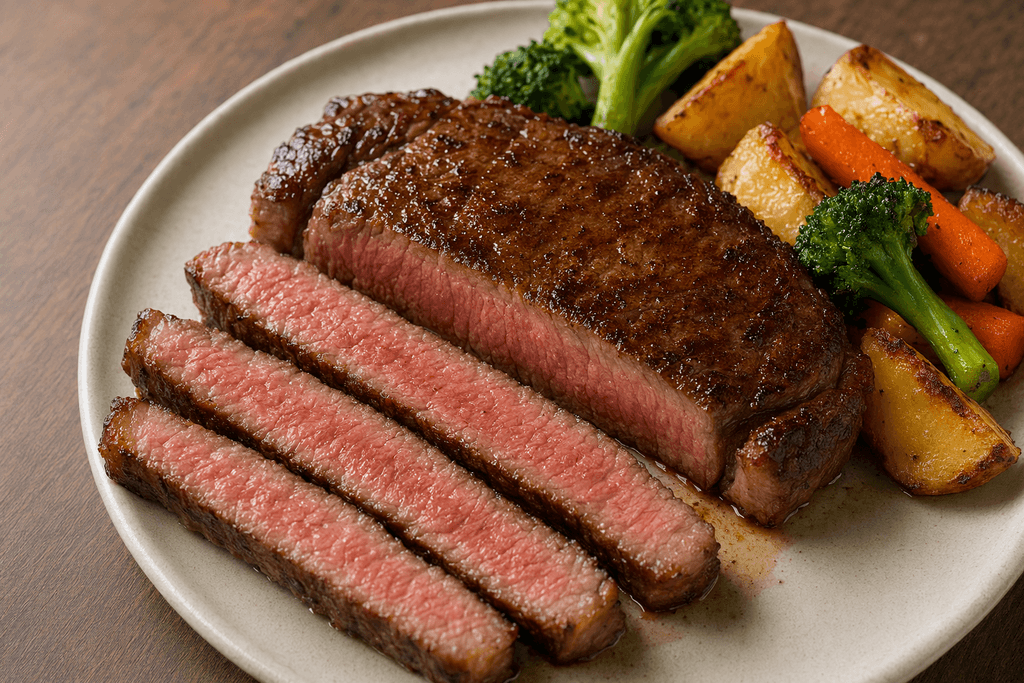
肉
karne
肉
karne
Explanation
肉
karne
肉
karne / laman ng katawan
( romanization )
( hiragana )
ワイシャツ
polo
ワイシャツ
polo
Explanation
polo
ワイシャツ
mahabang-manggas na polo na may botones / pormal na kamisang may kwelyo at botones / kamisang may botones sa harap

( romanization )
どうぞ
sige / heto po
どうぞ
sige / heto po
Explanation
sige / heto po
どうぞ
sa anumang paraan / sa lahat ng paraan / sige po
( romanization )
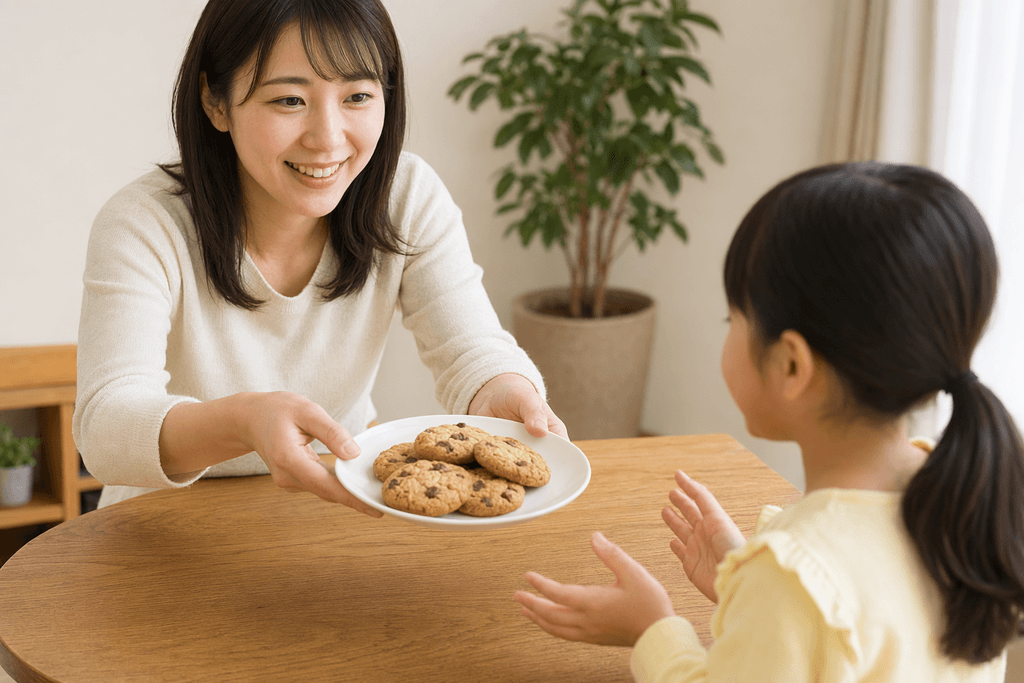
火曜日
Martes
火曜日
Martes
Explanation
火曜日
Martes
火曜日
Martes / araw pagkatapos ng Lunes

( Base form )
( romanization )
( romanization )
( hiragana historical )
( hiragana )
真っ直ぐ
diretso
真っ直ぐ
diretso
Explanation
真っ直ぐ
diretso
真っ直ぐ
tuwid / diretso / tapat

Word Forms
The basic and commonly used forms of this adjectival noun.
Basic forms
| Form | Word form | Usage |
|---|---|---|
| Imperfective form (mizenkei) | Used in forms such as darou. | |
| Continuative form (renyokei) |
Alternative:
真っ直ぐに
真っ直ぐだっ
|
Used with de or ni. |
| Conclusive form (shushikei) | Ends a sentence with da. | |
| Attributive form (rentaikei) |
Alternative:
真っ直ぐなる
|
Modifies a noun with na. |
| Conditional form (kateikei) |
Alternative:
真っ直ぐならば
|
Expresses a condition with nara. |
| Imperative form (meireikei) | Used in formal expressions such as de are. |
Common forms
| Form | Word form | Usage |
|---|---|---|
| Te-form equivalent | Connects clauses using de. | |
| Ta-form | Expresses the past with datta. | |
| Nai-form |
Alternative:
真っ直ぐじゃない
|
Expresses negation with dewa nai or ja nai. |
| Desu-form | Used for polite speech. |
Notes
こちら
dito banda / ang taong ito
こちら
dito banda / ang taong ito
Explanation
dito banda / ang taong ito
こちら
ito; itong isa; ang taong ito / kami; panig namin / ako (magalang)

( romanization )
作る
gumawa
作る
gumawa
Explanation
作る
gumawa
作る
gumawa o lumikha (kabilang ang magluto o sumulat) / magpalago o magpalaki; linangin o magsanay / bumuo o magtatag; makipagkilala

Word Forms
The basic and commonly used forms of this verb.
Basic forms
| Form | Word form | Usage |
|---|---|---|
| Imperfective form (mizenkei) |
Alternative:
作ろ
|
Connects to endings such as nai, reru, and seru. |
| Continuative form (renyokei) | Connects to endings such as masu, tai, and ta. | |
| Conclusive form (shushikei) | Ends a sentence and serves as the dictionary form. | |
| Attributive form (rentaikei) | Modifies a noun. | |
| Conditional form (kateikei) | Combines with ba to express a condition. | |
| Imperative form (meireikei) | Expresses a command or instruction. |
Common forms
| Form | Word form | Usage |
|---|---|---|
| Te-form | Connects clauses with te. | |
| Ta-form | Expresses the past with ta. | |
| Nai-form | Expresses negation with nai. | |
| Masu-form | Used for polite speech. | |
| Ba-form | Expresses a condition with ba. | |
| Volitional form | Expresses intention or invitation. |
Notes
楽しい
masaya
楽しい
masaya
Explanation
楽しい
masaya
楽しい
masaya / nakakatuwa / kasiya-siya

Word Forms
The basic and commonly used forms of this adjective.
Basic forms
| Form | Word form | Usage |
|---|---|---|
| Imperfective form (mizenkei) | Used in forms such as karou; mainly literary. | |
| Continuative form (renyokei) |
Alternative:
楽しかっ
|
Used in forms such as kute and kunai. |
| Conclusive form (shushikei) | Ends a sentence. | |
| Attributive form (rentaikei) | Modifies a noun. | |
| Conditional form (kateikei) | Expresses a condition with kereba. | |
| Imperative form (meireikei) | Rarely used in modern Japanese. |
Common forms
一人
isang tao
一人
isang tao
Explanation
一人
isang tao
一人
isang tao / sariling sikap o lakas / walang asawa

( Base form )
( romanization )
( hiragana )
月曜日
Lunes
月曜日
Lunes
Explanation
月曜日
Lunes
月曜日
Lunes / araw pagkatapos ng Linggo / unang araw ng trabaho sa karaniwang linggo

( Base form )
( romanization )
( romanization )
( hiragana historical )
( hiragana )
Loading...

JLPT N5 多言語単語帳・665語 / JLPT N5 Multilingual Vocabulary: 665 Words

Jonathan Waller 氏の JLPT Resources の語彙リスト・レベル分類を出典とし、CC BY の条件に従って DiQt が初級向けに意味を作り直した665語の単語帳です。JLPT公式の語彙リストではありません。
This collection of 665 words is based on the vocabulary list and level classifications in Jonathan Waller’s JLPT Resources under CC BY, with meanings rewritten by DiQt for beginners. It is not an official JLPT vocabulary list.
Key Operations
Select the first quiz:
Ctrl + Enter
View Explanation:Ctrl + G
Close a feedback:Esc
When selecting a quiz
Answer:Enter
Select a choice:↓ or ↑
Reading out the question:Ctrl + K
View Hint: Ctrl + M
I don't know: Ctrl + Y



